
.png?width=48&height=48&name=Group%201%20(3).png)























2 February, 2026

Top Strategies for Managing Tantrums in Kids
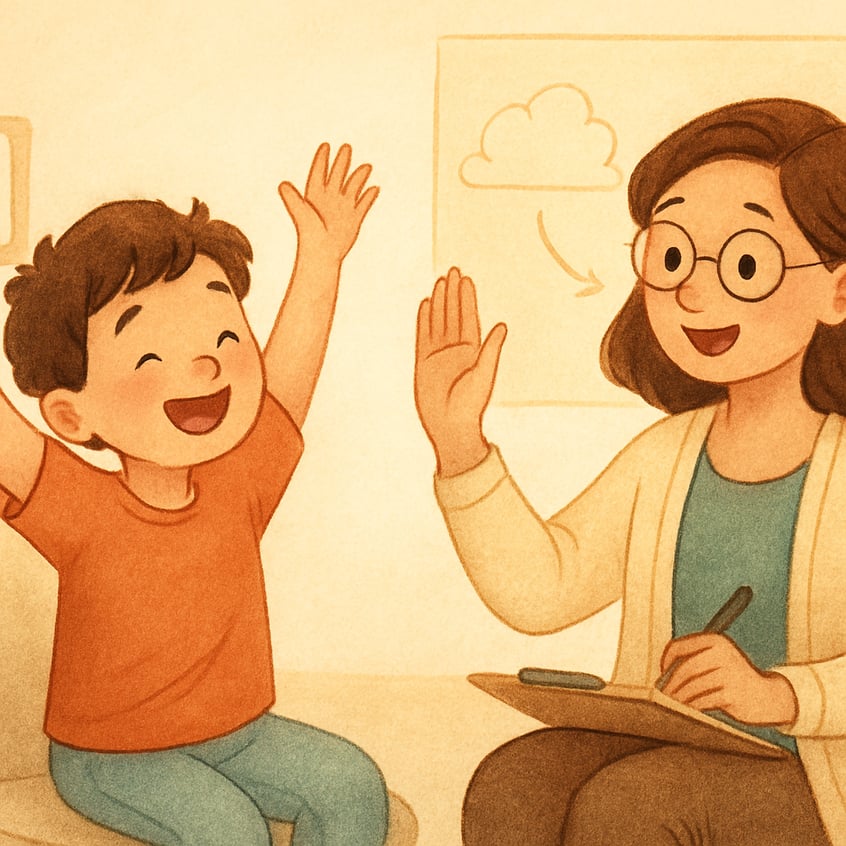
Introduction
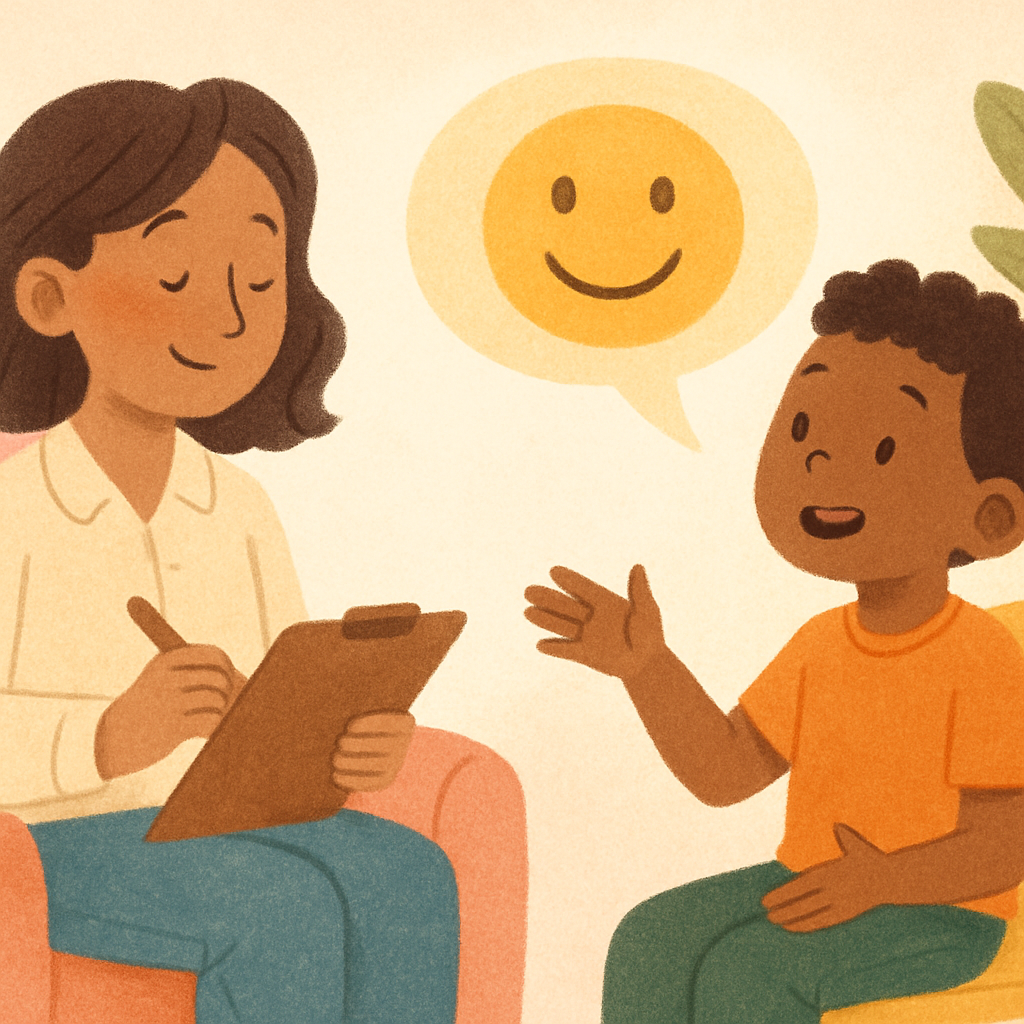
Watching young children struggle with anger can be a stressful experience for any parent. Those sudden emotional outbursts, often filled with big feelings, can leave you feeling helpless and overwhelmed. It's important to remember that this behaviour is a form of communication. Your child isn't trying to be difficult; they are distressed and lack the skills to manage their emotions in a more mature way. Understanding how to manage anger in kids can transform these challenging moments into opportunities for growth.
Key Highlights
- Anger in young children often comes from not knowing how to handle big emotions and frustration.
- Temper tantrums can be triggered by physical needs like hunger and fatigue, or environmental factors like sudden changes.
- Learning to identify your child's triggers is one of the most effective ways to prevent outbursts. Understanding the difference between a tantrum and a meltdown can also help: tantrums generally occur when a child is seeking attention or trying to get something they want, while meltdowns are usually a reaction to feeling overwhelmed and losing control, often due to sensory overload. Staying calm yourself is crucial for helping your child learn emotional regulation. Predictable routines and clear limits provide security and help reduce challenging behaviours.
- Staying calm yourself is crucial for helping your child learn emotional regulation.
- Predictable routines and clear limits provide security and help reduce challenging behaviours.
- Supporting your child through their feelings positively impacts their long-term children's mental health.
Identifying Triggers for Anger and Misbehaviour
The first step in managing temper tantrums is identifying their causes. Anger and frustration are common triggers, often when a child feels denied something they want or need. These outbursts show your child is struggling to regulate big emotions.
Frequent tantrums may also signal underlying issues affecting emotional development. By observing when meltdowns occur, you can spot specific triggers. Recognizing these patterns is essential for helping your child develop healthier coping skills. Let’s explore some of the most common physical and environmental triggers.
Physical Needs: Hunger, Fatigue, and Overstimulation
A child’s physical state greatly affects their mood and behaviour. Hunger and fatigue often cause unexpected meltdowns, as lack of rest or food lowers their ability to handle frustration.
Overstimulation is another trigger, especially for children with sensory issues. Everyday things like loud noises, bright crowds, or scratchy clothing can feel chaotic and overwhelming to them, activating a "fight or flight" response and leading to tantrums.
Making sure your child is well-rested and fed can prevent many of these outbursts.
Environmental Factors: Changes and Chaos
Your child's environment greatly influences their behaviour. Unexpected changes in routine can be especially unsettling for children on the autism spectrum, who rely on consistency for comfort. Even minor disruptions can trigger challenging behaviour.
Busy public places may overwhelm children, leading to sudden tantrums. Acting out is common when they're asked to:
- Do homework
- Transition to bedtime
- Leave the park or stop playing
Recognizing these triggers helps you better understand and support your child. While tantrums are a normal part of development, knowing their cause allows you to guide your child more effectively.
Effective Strategies to Prevent Tantrums
While you can't prevent every tantrum, there are effective ways to reduce their frequency and intensity. The goal is to be proactive rather than reactive. By creating a supportive and predictable environment, you can help your child build the skills they need to manage their emotions and encourage positive behaviour.
This involves establishing routines, setting clear boundaries, and improving communication skills. When children know what to expect and what is expected of them, they feel more secure and in control. Let’s explore how creating routines and setting limits can help prevent tantrums before they begin.
Creating Predictable Routines
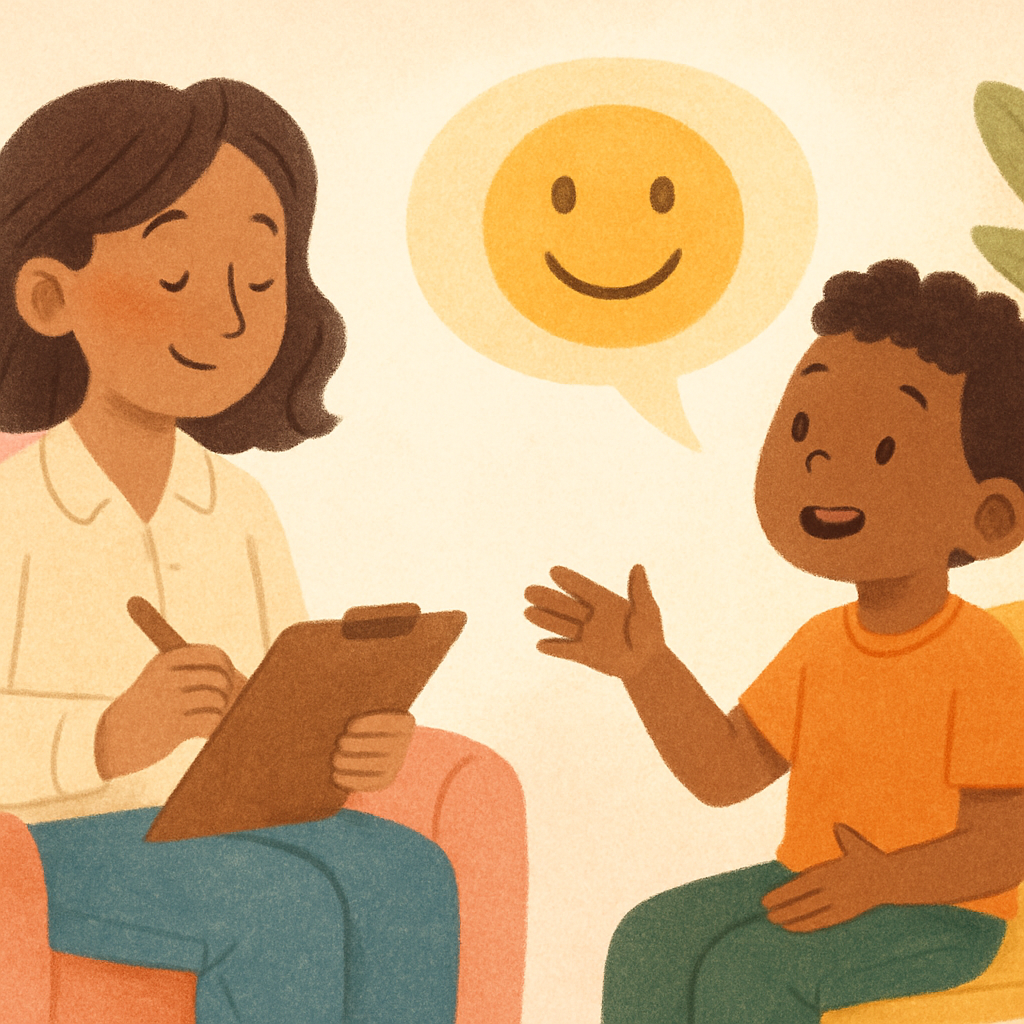
Predictable routines give children a sense of safety and stability. Knowing what comes next helps kids feel secure and reduces anxiety-driven outbursts, especially for those who struggle with transitions like moving from playtime to dinner.
Since toddlers lack impulse control, advance notice helps them prepare for changes:
- Give a 10-minute warning before leaving.
- Say, "When this book is finished, we're going home."
- Break tasks into simple, one-step directions.
These small steps can make transitions smoother. Consistent routines lower stress and help children feel more in control.
Setting Clear Limits and Expectations
Setting clear limits teaches your child, not controls them. Consistent expectations help children learn rules and reduce negative behaviours. Choose your battles and be flexible when possible.
When setting limits, stay calm and brief. Less emotion prevents power struggles.
- State limits clearly: "You can have one cookie."
- Offer simple choices: "Do you want the blue or red cup?"
- Avoid unnecessary questions: Say "It's time to clean up," not "Can you clean up?"
Frequent, intense tantrums beyond preschool may signal behaviour issues. Seek professional advice if you're concerned.
How Parents Should Respond During an Outburst
How you react during emotional outbursts has a huge impact on your child's behaviour. The key is staying calm. When your child is overwhelmed, they need you to be their rock. Getting angry or yelling will only escalate the situation and make it harder for them to regain their impulse control.
Your primary job in that moment is to ensure everyone's safety and model self-regulation. Do not give in to their demands, as this reinforces that tantrums are an effective way to get what they want. Instead, focus on co-regulation and providing emotional comfort once the storm begins to pass.
Staying Calm When Your Child Is Angry
Staying calm when your child is upset is challenging but highly effective. Shouting distances you from your child and models the behaviour you want to stop. Your calm presence teaches emotional regulation.
Use a low, steady voice and mindful body language. A compassionate tone soothes both you and your child.
- Take deep breaths to manage stress.
- Remember your child is struggling, not trying to upset you.
- Take a brief "time-out" if needed to regroup.
If staying calm is difficult, programs like parent management training can help you learn effective techniques. Your confidence and stability are powerful tools.
Using Language That Helps a Child Regain Control
The language you use during and after a tantrum can help your child regain control and build emotional intelligence. Start by validating their feelings, not their behaviour. Acknowledge their emotions to help de-escalate the situation.
Use simple, empathetic statements:
- "You're so upset your mind and body are out of control."
- "You wanted that cookie. It's hard when we can't get what we want."
- "I see you're upset. I won't let you hit."
This honors their feelings while maintaining boundaries. Save detailed discussions for later—during a tantrum, calm validation helps them settle down.
After the Tantrum: Helping Kids Calm Down and Learn
Once the storm has passed, the focus shifts to helping your child calm down and process what happened. This is a crucial moment for learning. Instead of punishment, offer emotional comfort. A child who has lost control often feels sorry and scared afterward. Your gentle presence helps them feel safe again.
This is your opportunity to teach them better ways to handle their feelings next time. Talking about what happened when everyone is calm reinforces that you are on their side and supports their children’s mental health. Let's look at how to have these important conversations.
How to Talk With Your Child About Their Feelings
Talking about your child’s feelings after a tantrum is essential for their emotional development. When your child is calm, praise them for pulling themselves together. This reinforces their ability to self-regulate. Then, you can gently revisit what happened.
Help them connect their actions to their emotions. You can offer simple ways to express anger that are more acceptable.
- Suggest words to use, like "furious" or "irate."
- Offer physical outlets, like ripping paper or stomping feet.
- Ask how you could solve the problem together next time.
These conversations build vital communication skills and show your child that all feelings are okay, but not all behaviours are. Providing this emotional comfort and guidance teaches them that they can count on you for support.
Conclusion
Managing anger in kids can be challenging, but with the right strategies and understanding, parents can foster a more peaceful environment. By identifying triggers, implementing effective routines, and responding calmly during outbursts, you can help your child navigate their emotions better. Remember, it's essential to communicate openly and guide them through their feelings after a tantrum, reinforcing that it's okay to express emotions constructively. Every step you take contributes to your child's emotional growth and resilience. Embrace these techniques, and you'll not only manage anger but also nurture a loving and supportive atmosphere for your child to thrive.
Book a consultation or call daar at 02 9133 2500 for expert guidance tailored to your child’s needs.
Frequently Asked Questions
Are tantrums always a sign of anger in young children?
No, temper tantrums in young children are not always caused by anger. These big emotions can also be triggered by anxiety, frustration, or sensory processing issues. A child's developing brain can easily become overwhelmed, leading to an outburst when they lack the skills to communicate or regulate their feelings.
What is the best way to comfort an angry child after a tantrum?
After emotional outbursts, offer calm emotional comfort. Once your child's big feelings have subsided, let them know you are there for them. A hug, a quiet moment in a safe place, or simply sitting with them can help them feel secure and loved after intense tantrums have left them feeling vulnerable.
How can I distinguish between normal misbehaviour and underlying issues in my child?
Normal misbehaviour is occasional, while persistent behaviour problems might signal an underlying issue. Consider the frequency, intensity, and age-appropriateness of the disruptive behaviour. If tantrums are severe, happen often past preschool age, or are accompanied by other concerns, it could indicate behavioural disorders like ADHD or autism spectrum disorder.
.svg)




.svg)