
.png?width=48&height=48&name=Group%201%20(3).png)
























31 December, 2025

The Role of Positive Behaviour Support in NDIS Plans

Introduction
Welcome! If you're exploring support options within the National Disability Insurance Scheme (NDIS), you may have heard about positive behaviour support (PBS). This approach is more than just managing behavior; it's a compassionate and evidence-based framework designed to improve an individual's quality of life. By focusing on understanding and addressing unmet needs, PBS helps people develop crucial social skills and build greater independence. Let’s explore how this transformative support can be a vital part of your NDIS journey.
Key Highlights
Here’s a quick look at what we'll cover: Positive behaviour support is a person-centered approach available through NDIS plans. It focuses on understanding the reasons behind behaviors through behaviour analysis. The main principles of positive behaviour support include focusing on promoting positive behaviour, using evidence-based strategies derived from behaviour analysis, prioritizing the quality of life for a person, preventing challenging behaviors before they occur, and providing proactive behaviour support tailored to individual needs.
-
Positive behaviour support is a person-centered approach available through NDIS plans.
-
It focuses on understanding the reasons behind behaviors through behaviour analysis.
-
A key component is creating a behaviour support plan with proactive strategies.
-
Techniques often include positive reinforcement to encourage new, helpful skills.
-
The primary goal is to improve an individual's overall quality of life.
-
PBS helps create supportive environments at home, school, and in the community.
Understanding Positive Behaviour Support in the NDIS Context
Positive behaviour support offers a proactive way to address challenging behaviors. Instead of just reacting, it uses behaviour analysis to understand why a behavior is happening. The focus is on creating supportive environments where individuals feel safe and understood, which is a core part of effective NDIS-funded behaviour support.
This approach recognizes that all behavior is a form of communication. By understanding what a person is trying to express, we can develop strategies that meet their needs in a more positive way. Below, we'll look closer at what PBS is and how it fits into NDIS plans.
Definition and Purpose of Positive Behaviour Support
So, what exactly is positive behaviour support? It's an evidence-based framework used to address the underlying causes of challenging behaviors. Rather than focusing only on the behavior itself, PBS aims to understand the person and their needs. This person-centered approach seeks to enhance quality of life for the individual and those who support them.
The purpose of this type of behaviour support is to identify why a behavior occurs. It considers biological, psychological, and social factors that influence a person's actions. By using behaviour analysis, supporters can uncover the function of a behavior, whether it’s to communicate distress, escape a difficult situation, or fulfill an unmet need.
Ultimately, PBS is about providing support that improves a person's overall well-being, including their mental health. It’s about teaching new skills and creating an environment that prevents challenging behaviors from happening in the first place, leading to lasting positive change.
Integration of Positive Behaviour Support into NDIS Plans
A common question is whether positive behaviour support is covered by the NDIS, and the answer is yes. The NDIS can provide funding for behaviour support for eligible participants. This funding is used to develop and implement a comprehensive behaviour support plan tailored to the individual.
This plan is a crucial document that outlines specific support strategies. It's developed collaboratively by a team that may include a behaviour support practitioner, therapists, family members, and the individual themselves. The plan acts as a roadmap, guiding everyone involved on how to best support the person.
These treatment plans are designed to address unmet needs and teach alternative ways of communicating or coping. By integrating PBS into NDIS plans, you create a structured and unified approach that helps the individual achieve their goals and live a more fulfilling life.
Who Benefits from Positive Behaviour Support?
Positive behaviour support can make a significant difference for a wide range of individuals. It is particularly helpful for anyone who exhibits challenging behaviour as a way to communicate distress or unmet needs. The support strategies developed can improve social skills, reduce harmful actions, and enhance overall quality of life.
This approach is not just for the individual but also for their entire support network. Let's look at who specifically can benefit from implementing a PBS framework.
Individuals with Social and Behavioral Disorders
Positive behavior support (PBS) is invaluable for individuals with social and behavioral disorders, including autism spectrum and intellectual disabilities. These conditions can make communication and social interaction challenging, often resulting in misunderstood behaviors.
PBS addresses the root causes—such as anxiety, frustration, or sensory overload—rather than just the behaviors themselves. By understanding these triggers, support teams can help individuals develop better ways to express needs and manage emotions.
This proactive approach fosters mental well-being by creating a predictable, supportive environment. It empowers individuals with skills to navigate social situations, promoting greater independence and community participation.
Families and Support Circles Involved
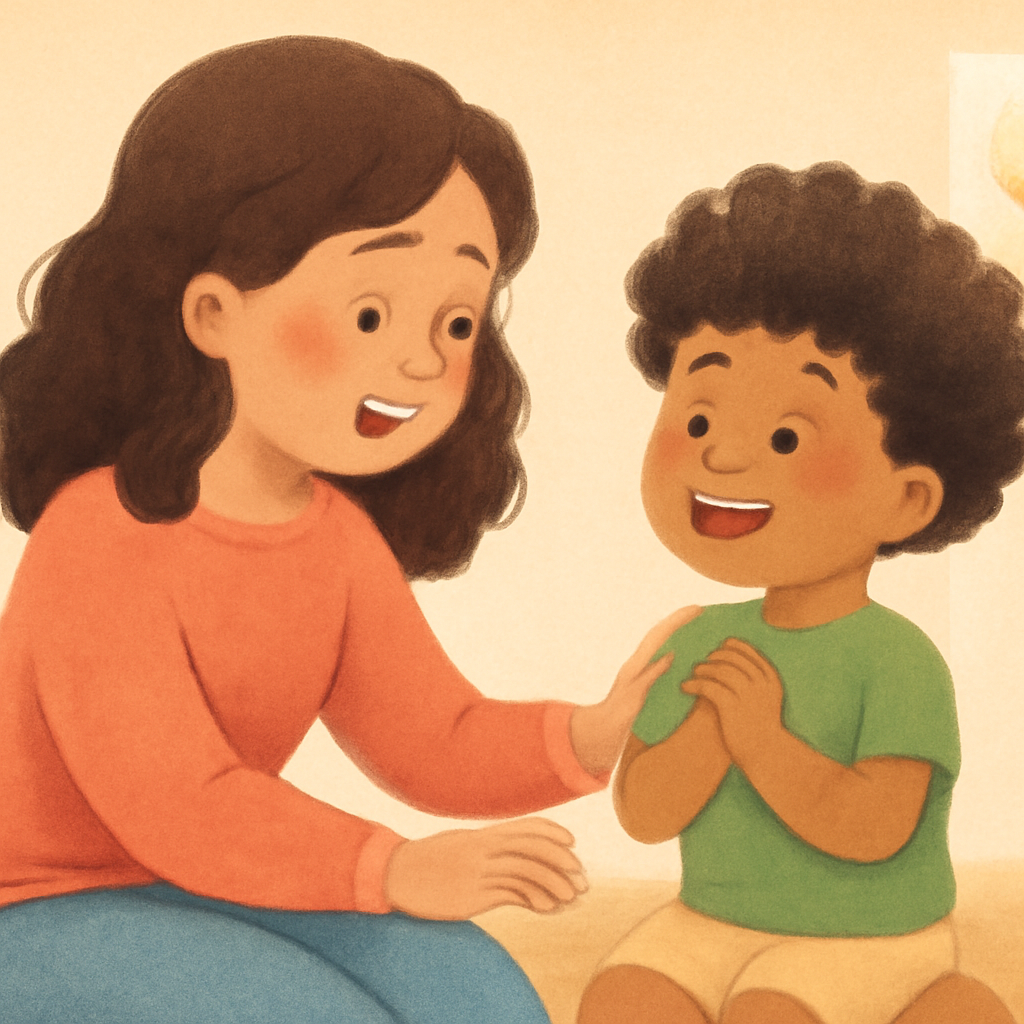
Positive behavior support (PBS) benefits families and support circles by reducing stress and isolation caused by challenging behaviors. PBS offers a consistent, collaborative approach for responding to these challenges.
Families help develop the plan, ensuring it fits their values and home life. This involvement empowers parents and caregivers with training and guidance to create supportive environments, making them part of a unified team.
Working together, families can reduce disruptive behaviors and create a more harmonious home. This not only improves the individual’s quality of life but also lowers stress and boosts overall family well-being, fostering a positive cycle of support.
Key Components of a Positive Behaviour Support Plan
A strong behaviour support plan is built on several key components that work together to create lasting change. The process always begins with a thorough assessment to understand the individual and their unique situation. This is often called a functional assessment.
From this foundation, the team develops proactive support strategies that are tailored to the person's needs and goals. Let's break down these essential first steps: the assessment process and the development of individualized goals.
Assessment Processes and Target Behavior Identification
The journey begins with a comprehensive assessment to understand the root causes of challenging behaviours. This isn't about judgment; it's about investigation. A practitioner will use a functional behavioral assessment (FBA) to gather information. This often involves direct observation of the person in their natural environments, as well as interviews with family, teachers, and caregivers.
The goal of this behaviour analysis is to form a hypothesis about why the behavior is happening. Is it to get attention, escape a task, or communicate a need? Identifying the function is the key to finding a solution.
The assessment stage is systematic and aims to create a complete picture of the individual. It's the foundation upon which all effective strategies are built.
|
Assessment Stage Aim |
How It's Done |
|---|---|
|
Identify strengths, life elements, and supports. |
Gather information to create a comprehensive individual profile. |
|
Understand the person's needs. |
Use behavior data collection forms to record details like frequency and intensity. |
|
Determine why challenging behaviors occur. |
Conduct a Functional Behaviour Analysis (FBA) to analyze antecedents, behaviors, and consequences. |
|
Form a hypothesis about the behavior's purpose. |
Determine the function the challenging behavior serves for the individual. |
Setting Individualised PBS Goals
Once the assessment is complete, the next step is to set clear and achievable PBS goals. These goals are highly individualised and person-centered, meaning they are designed around the person's unique strengths, needs, and aspirations. They are not one-size-fits-all.
The focus of these goals is always positive. Instead of just aiming to stop a behavior, the goals will focus on teaching a new, alternative skill. For example, a goal might be to teach someone to ask for a break instead of leaving the room without permission. These support strategies are proactive and empowering.
Ultimately, individualised PBS goals are about enhancing a person's quality of life. By building new skills and capabilities, you are paving the way for greater independence, better relationships, and more meaningful participation in daily activities.
Positive Behaviour Support Techniques and Approaches
Positive behaviour support uses a variety of proven techniques to help individuals learn and grow. These methods are always grounded in behaviour analysis and aim to be encouraging rather than punitive. One of the most common and effective approaches is positive reinforcement.
In addition to reinforcement, skill-building is a central part of managing challenging behaviour. This can include social skills training and other therapies designed to teach alternative ways of coping and communicating. Let’s look at some examples of these powerful techniques.
Examples of Positive Reinforcement Methods
Positive reinforcement is a core principle of effective behaviour support. It involves rewarding and praising a person when they demonstrate a desired behavior. This encourages them to repeat that action in the future, helping them learn new skills in a positive way. It’s about catching them doing something right.
This approach is much different from traditional methods that might focus on punishment. With positive reinforcement, you build confidence and motivation. The "reward" can be anything the person finds motivating, from verbal praise to a favorite activity. This is sometimes called contingency management, where a reward is contingent on a specific behavior.
Here are a few examples of positive reinforcement:
-
Labeled Praise: Saying, "I love how you used your words to ask for help," is more effective than a simple "good job."
-
Token Systems: Using stickers or points that can be exchanged for a larger reward.
-
Preferred Activities: Offering extra time for a favorite hobby after a task is completed.
Skill-Building Activities and Behaviour Therapy Practices
A major part of PBS is skill-building. If a person uses challenging behaviors to communicate, it's essential to teach them alternative behaviours that are more effective. This is where targeted activities and behaviour therapy practices come into play.
Social skills training is a common component. This can help individuals learn how to initiate conversations, recognize social cues, and manage emotions in social settings. Improving communication skills is also a priority, whether through speech or alternative systems, to reduce frustration. In educational settings, this might involve group activities or individualized instruction.
Practices like cognitive behavioural therapy (CBT) can also be used. CBT helps individuals recognize negative thought patterns and develop practical coping strategies. By combining these therapies, PBS provides a holistic approach to building the skills needed for long-term success.
Conclusion
In summary, Positive Behaviour Support (PBS) plays a crucial role in enhancing the quality of life for individuals involved in NDIS plans. By focusing on understanding behaviors and fostering positive changes, PBS creates tailored strategies that not only empower individuals but also support their families and caregivers. Implementing effective PBS techniques can lead to improved outcomes and stronger support systems. As we move forward, it’s essential to appreciate the unique benefits that PBS offers within the NDIS framework.
If you want to learn more about how PBS can be integrated into your NDIS plan, don’t hesitate to reach out for a consultation or call daar at 02 9133 2500!
Frequently Asked Questions
Is positive behaviour support covered by the NDIS?
Yes, the NDIS may provide funding for positive behaviour support for eligible participants. This funding can be used to engage a qualified practitioner who will conduct assessments and develop a tailored behaviour support plan. This plan outlines the specific support strategies needed to help the individual achieve their goals.
How does positive behaviour support differ from traditional behaviour management?
Positive behaviour support is proactive, focusing on understanding the reason behind a challenging behaviour and teaching new skills. Traditional behaviour management is often reactive, focusing on consequences. PBS uses positive reinforcement to build skills, while older methods may rely on punishment, which is less effective for long-term change.
Are there challenges to implementing positive behaviour support in NDIS plans?
Yes, challenges can arise. Successful implementation requires collaboration and consistency from everyone involved. Potential hurdles include a lack of resources, insufficient staff training, and difficulty creating consistently supportive environments. A good behaviour support plan will account for these challenges and include strategies to ensure the team is well-prepared.
.svg)




.svg)