
.png?width=48&height=48&name=Group%201%20(3).png)























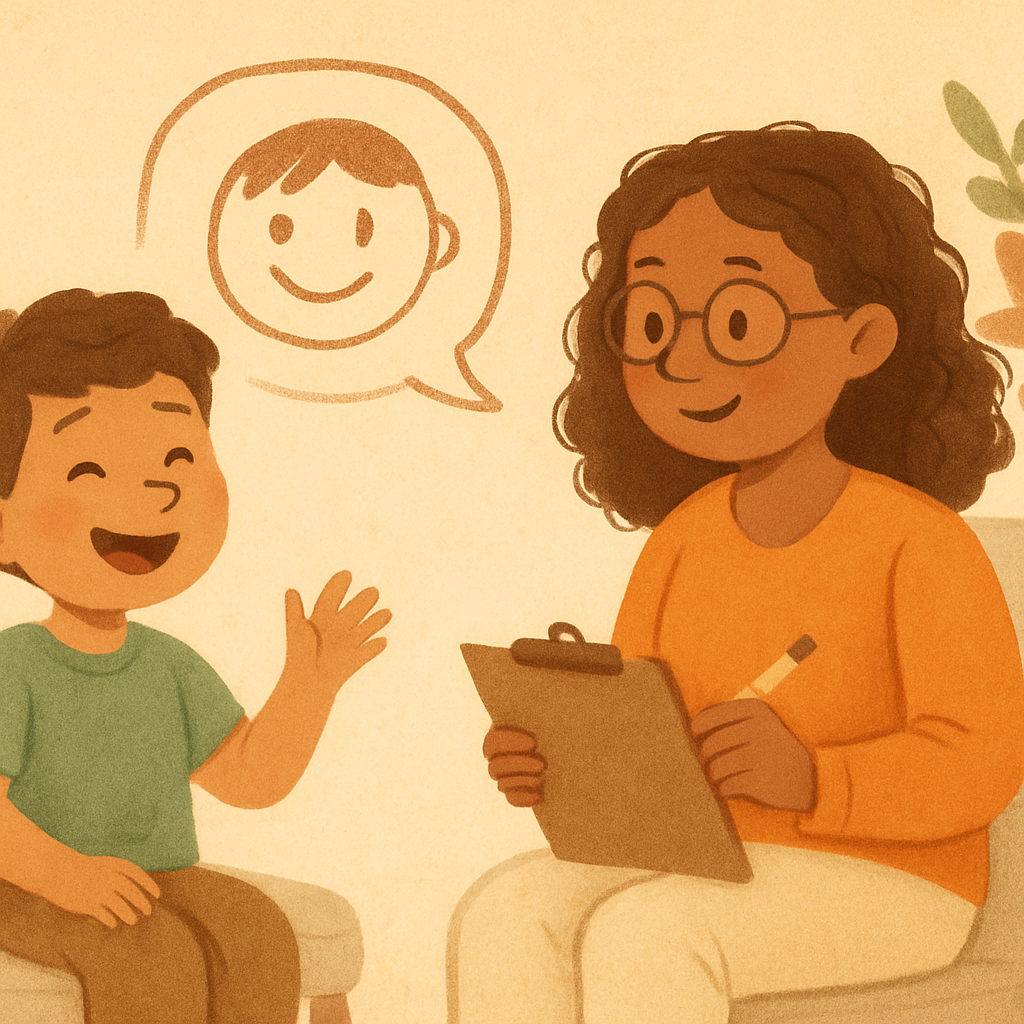
2 January, 2026

Exploring Behaviour Therapy: What You Need to Know
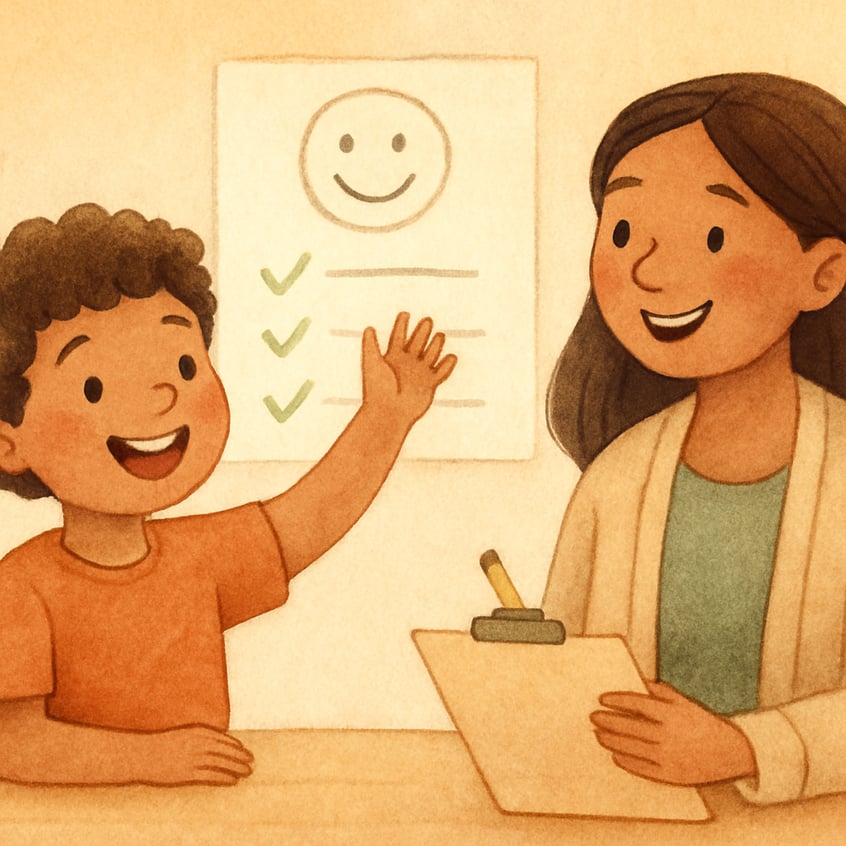
Introduction
Are you feeling stuck in a cycle of worry or dealing with habits that impact your daily life? As mental health challenges become more common, finding the right support is crucial. Behaviour therapy offers a science-backed, practical approach to help you understand and manage your emotions and actions. This form of therapy provides valuable strategies for anyone looking to address behavioural issues and build a healthier mind. In this blog, we'll explore the core principles of behaviour therapy and how it can empower you.
Key Highlights
-
Behaviour therapy is a practical approach to mental health that focuses on changing harmful behaviours. While behaviour therapy is generally considered safe and effective, some individuals may experience temporary discomfort or emotional distress as they confront challenging issues or attempt to change longstanding habits. It is important to work with a trained professional who can help manage these potential risks and ensure behaviour modification takes place in a supportive environment. It is rooted in the idea that behaviours are learned and can be unlearned or replaced with healthier ones through behaviour modification.
-
It is rooted in the idea that behaviours are learned and can be unlearned or replaced with healthier ones through behaviour modification.
-
Key techniques include behaviour analysis, classical and operant conditioning, and exposure therapy.
-
This therapy effectively treats a range of issues, including anxiety, phobias, depression, and behavioural disorders.
-
Behaviour therapy is adaptable for children, teens, adults, and seniors, helping to improve overall well-being.
Understanding Behaviour Therapy
Behaviour therapy is a broad term for various treatments focused on changing your actions to improve your mental well-being. It is based on the idea that our behaviours are learned and, with the right approach, can be changed for the better. This section will guide you through the fundamentals of this effective mental health treatment.
You will learn what behaviour therapy is, its foundation in behaviour analysis, and how it differs from other psychological approaches. This will give you a clear picture of its unique focus on actionable change.
What Is Behaviour Therapy?
Behaviour therapy is a type of mental health treatment designed to help you identify and change potentially self-destructive or unhealthy behaviours. The core principle is that all behaviours are learned, which means they can also be unlearned or modified. The focus is on your current problems and finding practical ways to address them.
This therapeutic approach works by targeting maladaptive behaviours and replacing them with healthier, more adaptive ones. Through behavioural modification, you learn new skills to manage your actions and reactions. This process helps you move toward your personal goals and improve your overall mental health. A therapist works with you to understand the "ABCs"—antecedents (what comes before the behaviour), behaviours, and consequences—to create a change plan.
Ultimately, behaviour therapy empowers you to take control of your actions. Instead of just talking about problems, you actively practice new ways of behaving that lead to positive outcomes, helping you build a more fulfilling life.
Differences From Other Psychological Treatments
While many therapies aim to improve mental well-being, behaviour therapy has a distinct focus. Unlike psychoanalysis, which explores unconscious thoughts and early childhood experiences, behaviour therapy concentrates on observable, current behaviours and how to change them. Its goal is practical and action-oriented.
Cognitive therapy, on the other hand, centers on identifying and changing negative thought patterns. Behaviour therapy can be seen as its counterpart, focusing purely on actions. Cognitive behavioural therapy (CBT) is an integration of both; it addresses the relationship between your thoughts, feelings, and behaviours, making it a more comprehensive approach.
Other therapies, like Dialectical Behaviour Therapy (DBT), combine cognitive and behavioural techniques with mindfulness and emotional regulation. Behaviour therapy, in its traditional form, remains unique by prioritizing behavioural change as the primary pathway to overcoming mental health disorders and improving your quality of life.
Techniques Used in Behaviour Therapy
Behaviour therapy utilizes a toolbox of powerful methods to help you reshape your actions and responses. These behavioural therapy techniques are not one-size-fits-all; instead, they are tailored to your specific needs and goals. The foundation of many of these strategies lies in the principles of learning.
In the following sections, we will explore some of the most common techniques, including classical conditioning and operant conditioning. You'll also learn about exposure-based strategies and positive behaviour support, discovering how each method works to address different mental health challenges.
Overcoming Challenges: What to Expect in Sessions
Understanding the dynamics of behaviour therapy can alleviate some anxieties about attending sessions. Initially, clients may encounter emotional distress, but therapists employ techniques to foster emotional regulation and promote adaptive behaviours. Gradual exposure to specific phobias or maladaptive behaviours will occur, along with encouragement to explore thought patterns. The therapeutic environment emphasizes positive reinforcement, transforming undesirable behaviours into desirable ones. This approach facilitates skill development, ensuring individuals feel supported and empowered throughout their journey to improved mental health and enhanced quality of life.
Exposure-Based Strategies

Exposure therapy is a highly effective technique designed to help you confront your fears in a safe and controlled environment. The idea is that avoiding feared objects or situations reinforces the fear. By gradually facing what scares you, you can reduce anxiety and regain control. This process is known as systematic desensitization.
A therapist will work with you to create a "fear hierarchy," starting with situations that cause mild anxiety and slowly building up to more challenging ones. This gradual exposure helps you build confidence and learn that your feared outcomes are unlikely to happen. This strategy is particularly effective for treating a range of anxiety-related conditions.
Common conditions addressed with exposure therapy include:
-
Post-traumatic stress disorder (PTSD)
-
Specific phobias, such as fear of flying or spiders
-
Obsessive-compulsive disorder (OCD)
-
Social anxiety disorder
Positive Behaviour Support and Its Uses
Positive Behaviour Support (PBS) is a proactive approach to understanding and changing challenging behaviours. Instead of simply reacting, PBS creates supportive environments and teaches new skills to prevent issues before they arise, aiming to improve quality of life through positive actions.
In schools, this is known as Positive Behavioural Interventions and Supports (PBIS), which helps create better learning environments. It involves identifying the reasons behind negative behaviours and teaching appropriate alternatives.
PBS is especially helpful for individuals with developmental disabilities, autism, or significant behavioural challenges. By focusing on reinforcement and skill-building—not punishment—it offers a compassionate, effective way to help individuals succeed.
Who Is Behaviour Therapy For?
One of behaviour therapy’s key strengths is its versatility. It can be adapted for all ages and a variety of mental health issues, offering practical solutions from childhood through old age.
The following sections will show how behaviour therapy is used with children, adults, and those facing social challenges, highlighting its ability to meet diverse needs across the lifespan.
Children and Teenagers
Behavioural therapy effectively helps children and teens manage behavioural issues. For younger kids, therapists use techniques like play therapy to teach new skills engagingly, focusing on reinforcing positive behaviours and reducing negative ones like tantrums or aggression.
Early intervention is crucial. For teens, therapy may address ADHD, school refusal, or social challenges. Behavioural parent training (BPT) is often key, giving parents tools to consistently support positive behaviours at home.
By teaching emotion and behaviour management skills, behavioural therapy empowers kids and teens to handle challenges constructively, improving relationships and overall well-being.
Adults and Seniors
Behaviour therapy gives adults practical tools to manage mental health issues like anxiety, depression, and stress. Techniques such as behavioural activation help boost mood by encouraging enjoyable activities.
For seniors, behaviour therapy adapts to address challenges like chronic illness, grief, and emotional regulation. The emphasis remains on realistic, goal-focused solutions to improve quality of life.
Working with a therapist, adults and seniors learn effective stress management and healthier coping skills. This action-oriented approach empowers people to make meaningful changes and enhance mental wellness at any age.
Those With Social Behaviour Challenges
Behaviour therapy is a valuable resource for those with social challenges. If you have trouble with social interactions or relationships, this therapy uses structured social skills training to build confidence by breaking down complex cues into manageable steps.
It’s especially helpful for people with autism spectrum disorder (ASD) or social anxiety. Therapists use role-playing and real-life exercises to teach conversation skills, interpret nonverbal cues, and navigate social situations, making them feel less intimidating.
By strengthening social skills, behaviour therapy fosters better relationships and a stronger sense of connection, helping you engage more effectively with others and improve your overall social well-being.
Common Applications in Daily Life
The principles of behaviour therapy are not just for clinical settings; they can be seamlessly integrated into your daily life. These behavioural strategies provide practical ways to manage common mental health conditions and improve your overall well-being. By applying these techniques, you can turn everyday routines into opportunities for positive change.
The following sections will highlight some real-world applications of behaviour therapy. We'll explore how it helps in managing anxiety and depression, supporting individuals with autism and ADHD, and enhancing social and communication skills in everyday situations.
Managing Anxiety, Depression, and Stress
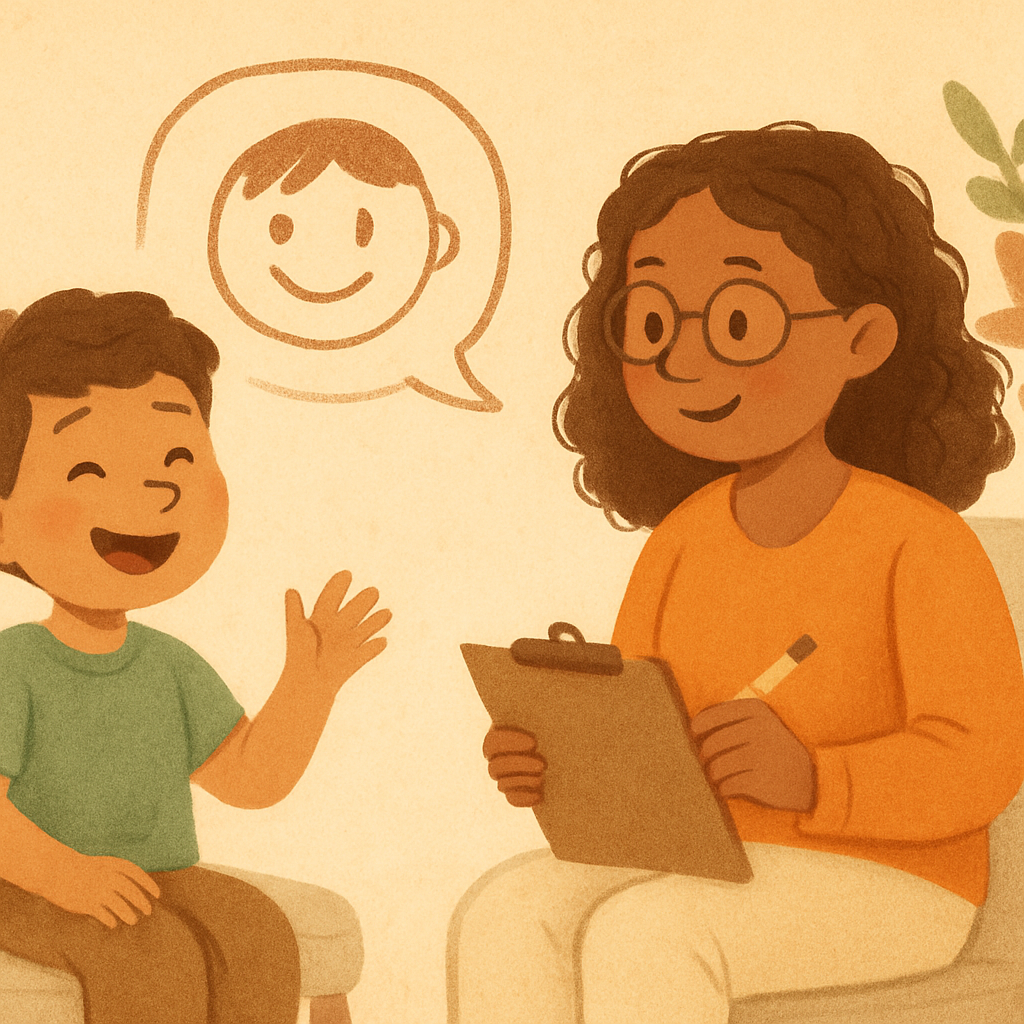
Behaviour therapy uses practical techniques to manage anxiety, depression, and stress by changing behaviours that sustain these issues. For depression, behavioural activation encourages scheduling enjoyable activities, helping counter withdrawal and inactivity.
For anxiety, exposure therapy involves gradually facing fears to lessen anxious reactions. Unlike CBT’s focus on thoughts, behaviour therapy emphasizes actions to improve feelings.
To handle stress, relaxation techniques and problem-solving skills are taught for effective coping. By focusing on actions, behaviour therapy offers a tangible way to boost mood and reduce mental health challenges.
Behaviour Therapy for Autism Spectrum and ADHD
Behaviour therapy is a key support for people with autism spectrum disorder (ASD) and attention-deficit/hyperactivity disorder (ADHD). Applied Behaviour Analysis (ABA) is a leading approach, using structured techniques to build skills like communication and academics while reducing problem behaviours.
For children with ASD, ABA is intensive and personalized, breaking skills into small steps and reinforcing positive behaviour. This structured method supports steady learning and growth.
For ADHD, behaviour therapy builds organization, time management, and impulse control. It identifies triggers for inattention or hyperactivity and develops strategies to address them. Parent training is often included to keep therapy consistent at home.
Improving Social and Communication Skills
-
Improving social and communication skills is a key application of behaviour therapy.
-
Social skills training is a structured process designed to help individuals learn how to interact with others more effectively.
-
This skill development is crucial for building and maintaining healthy relationships, both personal and professional.
-
Therapy sessions might involve a mix of instruction, modeling, and role-playing.
-
A therapist can demonstrate appropriate social behaviours, and then you can practice them in a safe environment.
-
This allows you to build confidence before applying your new skills in real-world social interactions.
-
Social skills training often targets specific abilities, such as starting and maintaining conversations.
-
Other targeted abilities include understanding body language and nonverbal cues.
-
Expressing opinions respectfully is also a focus in social skills training.
-
Learning to listen actively and show empathy is another important aspect of the training.
Tips for Preparing for a Behaviour Therapy Session
Getting ready for your first behaviour therapy session can feel like a big step, but a little preparation can make the process smoother. Before you go, take some time to think about what you want to achieve. What specific behaviours are you hoping to change? Having a few goals in mind will help you and your behavioural therapist create a focused treatment plan from the start. Remember, this is a collaborative process, so your input is incredibly valuable.
Be prepared to be an active participant. Behaviour therapy isn't about passively listening; it's about doing. You'll work with your therapist to identify triggers, practice new skills, and track your progress. Go in with an open mind and a willingness to try new things. Your commitment to applying what you learn between sessions will play a crucial role in your success.
Common Techniques in Behaviour Therapy
Behaviour therapy is a collection of techniques, each with a specific goal, based on behaviourism principles and tailored to your needs. Understanding these methods can help you feel more prepared for therapy.
Therapy often begins with a behaviour analysis to assess your situation. Therapists then use strategies like systematic desensitization or positive reinforcement, providing structured ways to change behaviour and improve well-being.
Here are some common techniques:
|
Technique |
Purpose |
Best For |
|---|---|---|
|
Exposure Therapy |
Gradually facing fears to reduce anxiety |
Phobias, PTSD, OCD |
|
Behavioural Activation |
Increasing involvement in rewarding activities |
Depression, low motivation |
|
Positive Reinforcement |
Rewarding desired behaviours to encourage them |
Skill building, habits |
|
Social Skills Training |
Teaching and practicing interpersonal skills |
Social anxiety, ASD |
The Role of the Therapist in Behaviour Therapy
In behaviour therapy, the therapist acts as your guide and collaborator. They don’t just listen—they help you develop strategies for change. After a thorough assessment, you’ll work together to set clear, measurable goals.
This structured approach includes learning techniques to practice in and outside sessions. Your therapist will track progress, give feedback, and adjust your plan as needed. Choose a licensed therapist with credentials from organizations like the American Psychological Association (APA).
Therapy is a partnership—your active participation and your therapist’s expertise drive success. Find qualified therapists through online directories like Psychology Today or by asking your doctor for recommendations.
What to Expect in a Behaviour Therapy Session
Your first behaviour therapy sessions will focus on assessment. Your therapist will ask about your concerns, history, and goals to understand what you want to change. This helps create a personalized treatment plan.
After setting goals, sessions become more action oriented. You’ll learn and practice behavioural strategies—like building a fear hierarchy for anxiety. The therapist guides you through these new skills.
Applying what you learn to daily life is essential. You'll often get homework, such as tracking behaviours or practicing coping skills, to ensure progress carries over into real life.
Conclusion
In conclusion, behaviour therapy offers a practical approach to managing various mental health challenges through its structured techniques and supportive frameworks. By understanding the core concepts of behaviour therapy, individuals can harness its methods to improve their daily lives, whether they're dealing with anxiety, depression, or social challenges. It’s important to remember that the journey toward better mental health begins with seeking the right help and being open to change.
If you're interested in how behaviour therapy can specifically benefit you, reach out today for a consultation or call daar at 02 9133 2500!
Frequently Asked Questions
What are the different types of behaviour therapy available?
The main types of behaviour therapy include Cognitive Behavioural Therapy (CBT), which targets thoughts and behaviours, and Dialectical Behaviour Therapy (DBT), for emotional regulation. Other key approaches are exposure therapy, systematic desensitization for phobias, and aversion therapy, which associates an unwanted behaviour with an unpleasant stimulus.
How can behaviour therapy help with specific mental health issues, like anxiety or depression?
For depression, behaviour therapy uses behavioural activation to increase engagement in positive activities. For anxiety, it employs exposure techniques to reduce fear responses. While cognitive restructuring is part of CBT, behaviour therapy's focus on action helps build effective stress management skills and directly improves mood and reduces symptoms.
How long does it typically take to see results from behaviour therapy?
The time it takes to see results from behaviour therapy varies depending on your treatment plan, the complexity of your goals, and your consistency. Because this mental health treatment is goal-oriented and focused on measurable changes, many people begin to notice improvements in positive behaviours within a few months.
.svg)




.svg)