
.png?width=48&height=48&name=Group%201%20(3).png)























9 January, 2026

Pediatric Speech Therapy: Benefits for Your Child's Growth
Introduction
Strong communication is the foundation for learning, building friendships, and navigating the world. For some children, developing these abilities can be a challenge, causing frustration for them and their families. This is where pediatric speech therapy can make a profound difference. By providing targeted support, speech therapy helps unlock your child’s potential, contributing positively to their overall growth and giving them the tools they need to express themselves confidently and connect with others.
Key Highlights
-
Pediatric speech therapy is a specialized service designed to improve your child's communication skills and support their language development.
-
Early intervention is key, as therapy is most effective for children under the age of five when their brains are rapidly developing.
-
Speech therapists address a variety of speech disorders, from pronunciation difficulties to more complex language challenges.
-
Effective therapy boosts a child's confidence, enhances social skills, and supports academic success in school.
-
Parents are crucial partners in the process, helping to reinforce skills at home.
Understanding Pediatric Speech Therapy and Speech Pathology
Pediatric speech therapy helps children overcome communication disorders. Provided by skilled speech-language pathologists (SLPs), this service addresses the unique challenges of language development in kids. The main goal is to improve both speech and overall communication, enhancing a child’s quality of life. This introduction explains what speech therapy involves and how it supports your child’s progress.
What Is Pediatric Speech Therapy?
Pediatric speech therapy helps children overcome speech and language difficulties. It targets speech sounds, understanding spoken language, and expressing thoughts. Therapy is personalized to your child's needs—whether it's pronouncing words, forming sentences, or following directions.
The supportive approach builds a foundation for confident communication. By addressing specific challenges, speech therapy reduces frustration and empowers your child to express themselves at home, school, and in social settings.
Role of Speech Pathologists in Children’s Development
A speech pathologist plays a crucial role in your child’s development, starting with a thorough assessment of their communication skills through tests and observations. This helps create a targeted treatment plan tailored to your child’s needs.
Therapy sessions are fun and engaging, using play-based activities like games, toys, and books to build vocabulary, improve sentence structure, and enhance social skills.
Speech pathologists also support parents by providing guidance and resources for continued progress at home. This teamwork ensures your child receives consistent support to develop strong communication and social skills.
When Should Your Child Start Speech Therapy?
Deciding when to start speech therapy can feel like a big step, but early intervention is often the most effective approach. Research shows that initiating speech therapy services before the age of five aligns with critical periods of brain development, leading to better long-term outcomes for children with communication disorders.
If you have concerns about your child's speech, it’s important to pay attention to key developmental milestones. Parental involvement in recognizing these signs can make a significant difference. The following sections will explore some common signs to look for and the issues that therapy can address.
Recognizing Early Signs: Age Guidelines for Intervention
Recognizing early signs can help you decide if your child may benefit from intervention. While children develop at different rates, certain indicators may suggest developmental delays. If you notice any of the following, consider consulting a professional:
Age-based communication milestones:
-
12–18 months: Not babbling or using gestures like pointing or waving.
-
2 years: Fewer than 50 words or not combining two words.
-
3 years: Speech is hard for others to understand; difficulty forming sentences.
-
4–5 years: Stuttering or trouble understanding stories and following instructions.
If these signs are present, speech therapy can greatly support your child's language development. A professional evaluation will determine if therapy is needed and the next steps. You don’t have to wait—early guidance is the first step to getting your child the right support.
Common Speech and Language Issues in Children
Many children face common speech and language issues that can be effectively addressed with therapy. These communication challenges can range from simple pronunciation errors to more complex difficulties with language skills. Recognizing these issues is the first step toward helping your child succeed.
Some of the most frequently treated speech disorders and challenges include:
-
Difficulty pronouncing certain sounds (e.g., "r," "l," or "s").
-
Stuttering, or repeating words and sounds.
-
Not using as many words as other children their age.
-
Trouble putting words together to form sentences.
-
Difficulty understanding what others are saying.
These challenges can affect more than just conversation. They can impact academic performance, making it harder for a child to keep up in class, and can also affect their confidence in social situations. Addressing these issues early helps your child meet their developmental milestones and thrive.
Conditions Addressed by Pediatric Speech Therapy
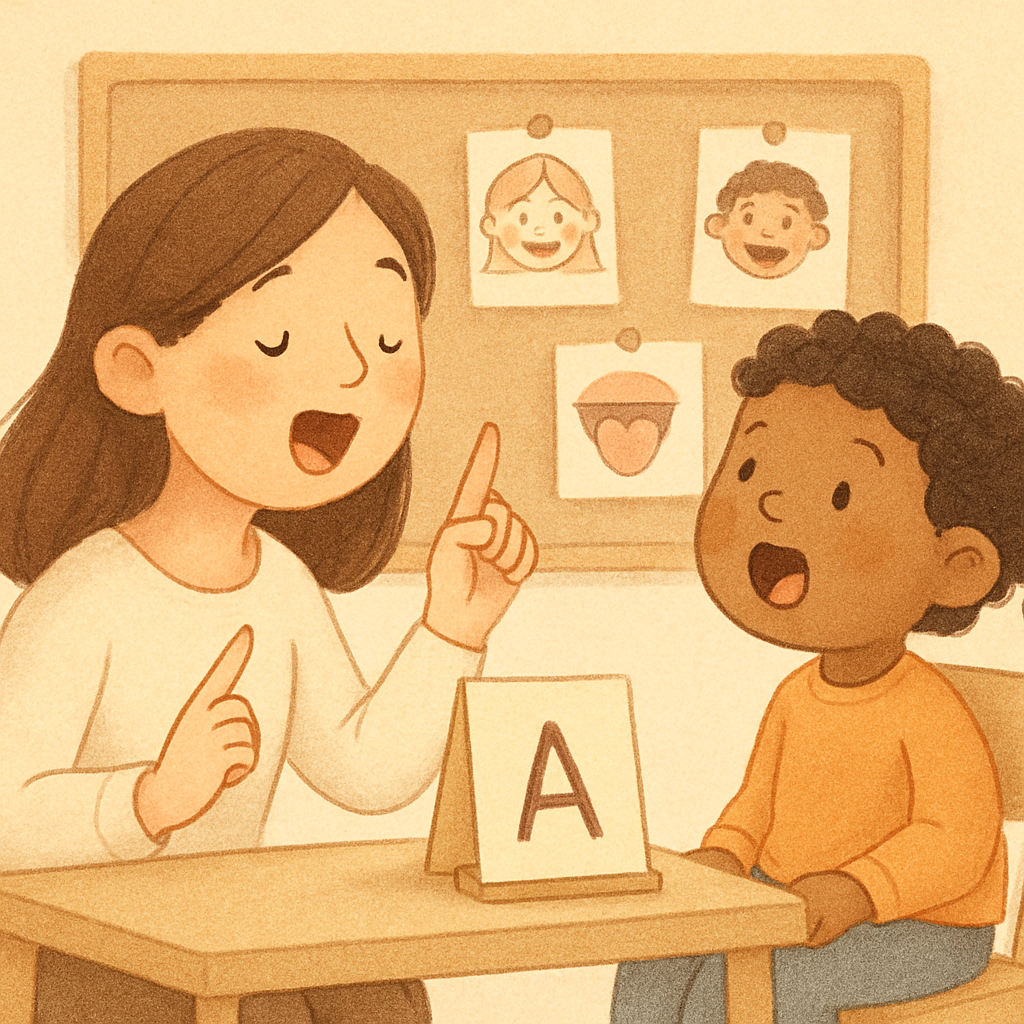
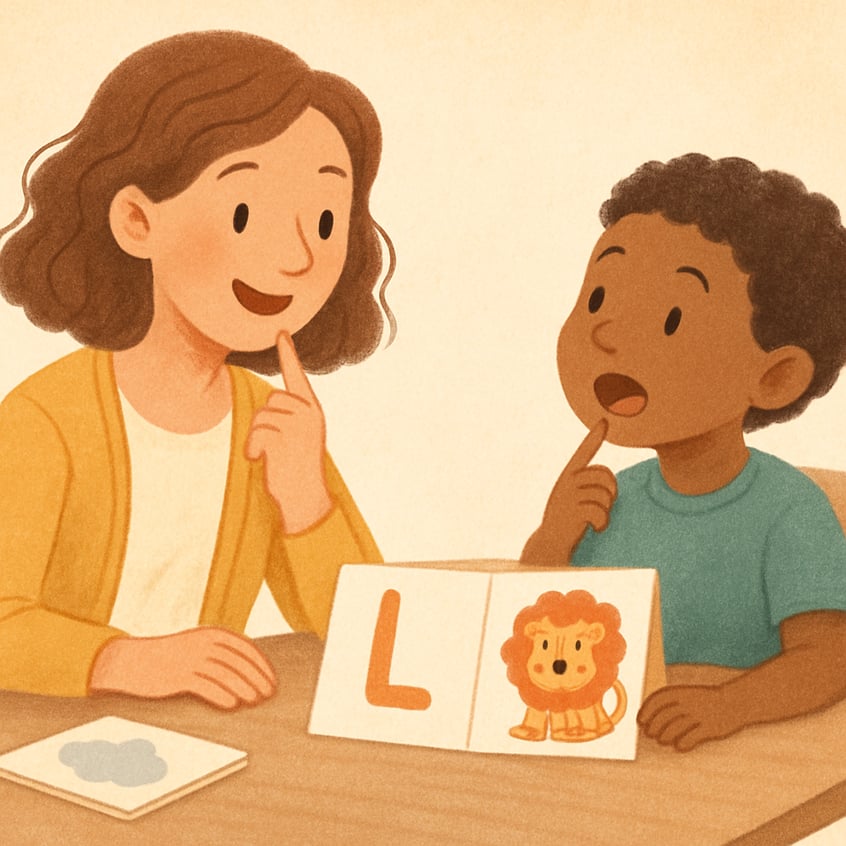
Pediatric speech therapy can address a wide spectrum of conditions, from common speech disorders to more complex communication disorders. The therapy is tailored to tackle specific language challenges, helping children find their voice and communicate more effectively.
By providing specialized speech therapy services, professionals can significantly improve a child's quality of life. The following sections will provide more detail on some of the specific conditions that therapy can help manage, including issues with pronunciation, language delays, and other related disorders.
Speech Sound Disorders and Pronunciation Challenges
One of the most common reasons children attend speech therapy is for speech sound disorders. These disorders affect a child's ability to produce sounds correctly, which can make their speech difficult for others to understand. This can be frustrating for a child who knows what they want to say but can't get the words out clearly.
These issues are often categorized as articulation disorders or phonological disorders. Articulation therapy focuses on teaching the correct way to make specific sounds, while phonological therapy addresses patterns of errors.
|
Disorder Type |
Description |
|---|---|
|
Articulation Disorder |
Difficulty physically producing specific sounds correctly (e.g., saying "wabbit" instead of "rabbit"). |
|
Phonological Disorder |
A pattern of sound errors (e.g., leaving off the final consonant of all words). |
Targeted therapy helps isolate and practice tricky sounds, reinforcing the correct mouth movements. This work is essential for improving speech clarity and building the confidence needed for effective communication.
Language Delays, Social Communication, and Literacy
Speech therapy addresses more than sound production—it also treats language delays. These fall into two categories: receptive delays, which affect understanding, and expressive delays, which make it hard for children to share thoughts and feelings. Both can hinder a child’s ability to connect with others.
Language delays often impact social communication. Therapy teaches children to interpret social cues, take conversational turns, and interact meaningfully with peers—skills essential for building friendships and feeling comfortable in groups.
Strong language skills are key to academic success. Language difficulties can affect reading, writing, and classroom participation. Early intervention through speech therapy builds a foundation for literacy and helps children thrive in school and beyond.
Speech and language delays and disorders
Speech and language disorders have many causes. Some are tied to broader developmental delays, where children miss milestones at a different pace than peers; these can be mild or require long-term support.
Other cases stem from medical issues or specific conditions, such as brain injury, hearing loss, cleft palate, cerebral palsy, or Down syndrome—all of which may affect speech and language.
Pediatric speech therapy provides customized interventions. A speech pathologist assesses each child and develops a plan to address their needs, helping them improve communication skills.
Conclusion
In conclusion, pediatric speech therapy plays a pivotal role in fostering your child's communication skills and overall development. By addressing various speech and language challenges early on, you can significantly enhance their ability to express themselves and engage with others. This not only aids in their social interactions but also lays a strong foundation for their academic success. Remember, recognizing the signs of communication difficulties and seeking help promptly is key to unlocking your child’s potential.
If you have questions or want to explore how speech therapy can benefit your child, don’t hesitate to reach out for a consultation or call daar at 02 9133 2500. Your child's growth is worth it!
Frequently Asked Questions
How Long Does a Child Usually Need Speech Therapy?
The duration of speech therapy varies for each child. It depends on their specific challenges, the consistency of attendance, and their rate of progress. Some children may only need a few months of support, while others with more complex needs may benefit from longer-term therapy. Early intervention often leads to more effective treatment.
Are Sessions Covered by Insurance or the Public System in Australia?
Insurance coverage for speech pathology services can differ greatly. It is recommended that you check with your private health insurance provider to understand your policy. Additionally, the Australian government offers funding schemes that may help eligible students access speech pathology services. Researching these options can provide clarity on financial support.
What Qualifications Do Pediatric Speech Pathologists Hold?
Pediatric speech pathologists are highly trained professionals with specific qualifications. They typically hold a master's degree in speech-language pathology, which is a higher education study. Their training involves extensive supervised clinical placements to meet the inherent requirements for professional certification and licensure, ensuring they have the practical skills to help your child.
.svg)




.svg)