
.png?width=48&height=48&name=Group%201%20(3).png)























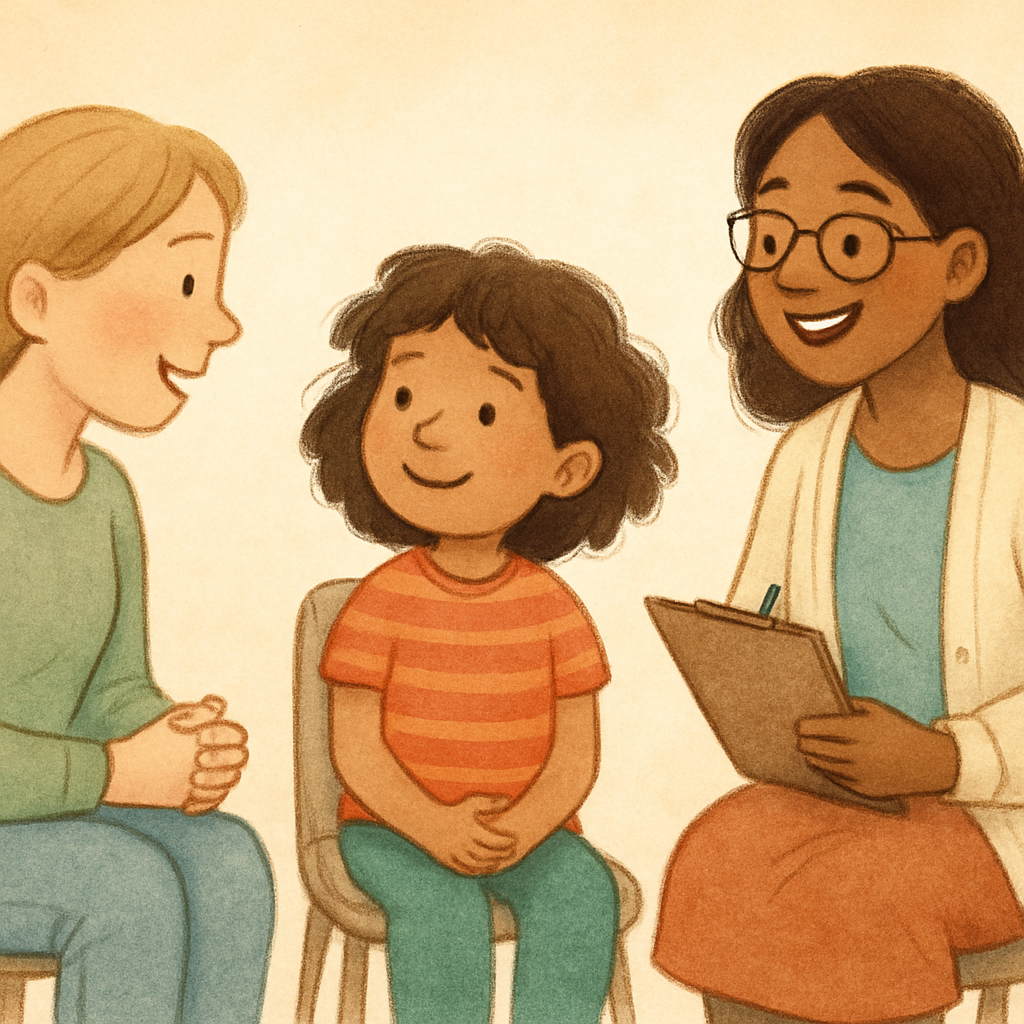
15 December, 2025

Behaviour Management Consultation: A Parent’s Guide
Introduction
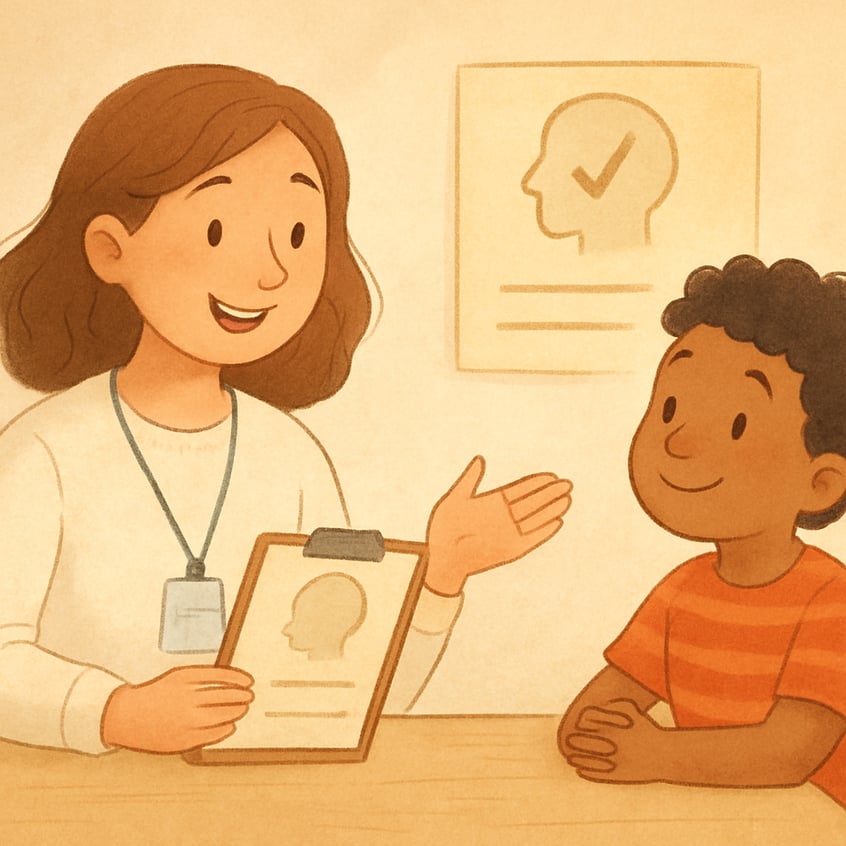
Understanding and managing your child's behaviour and social interactions can sometimes feel overwhelming. If you are looking for a way to create lasting positive change, behaviour management consultation offers a clear path forward. This process isn't about quick fixes; it's a collaborative approach that focuses on understanding the "why" behind your child's actions. By working with a professional, you can develop a personalized support plan that equips your family with practical tools to foster independence and enhance your child's overall well-being.
Key Highlights
-
Behaviour management consultation is a process designed to support children and families in creating positive change. In Australia, behaviour support practitioners are the professionals who provide behaviour management consultation services. The approach focuses on positive support to understand the reasons behind challenging behaviours. Behaviour support practitioners conduct thorough assessments to create a customized support plan.
-
The approach focuses on positive support to understand the reasons behind challenging behaviours.
-
Behaviour support practitioners conduct thorough assessments to create a customized support plan.
-
Strategies aim to teach new skills and improve communication, rather than just managing behaviour.
-
Consultation can help with a range of issues, from tantrums to aggression, in children aged 2-12.
-
NDIS funding may be available for eligible participants to cover the costs of these services.
Understanding Behaviour Management Consultation
Behaviour management consultation is a structured process designed to help you and your child navigate challenging behaviours effectively. It moves beyond simply reacting to behaviours and instead seeks to understand their root causes through careful observation and analysis. This approach is built on collaboration and learning.
Professionals known as behaviour support practitioners guide you through the consultation process. They use principles of behaviour analysis to identify triggers and develop targeted behaviour support strategies. The goal is to create a supportive environment where your child can learn new, more effective ways to communicate their needs. Next, we will explore what this consultation involves and the core principles that make it successful.
What Is Behaviour Management Consultation?
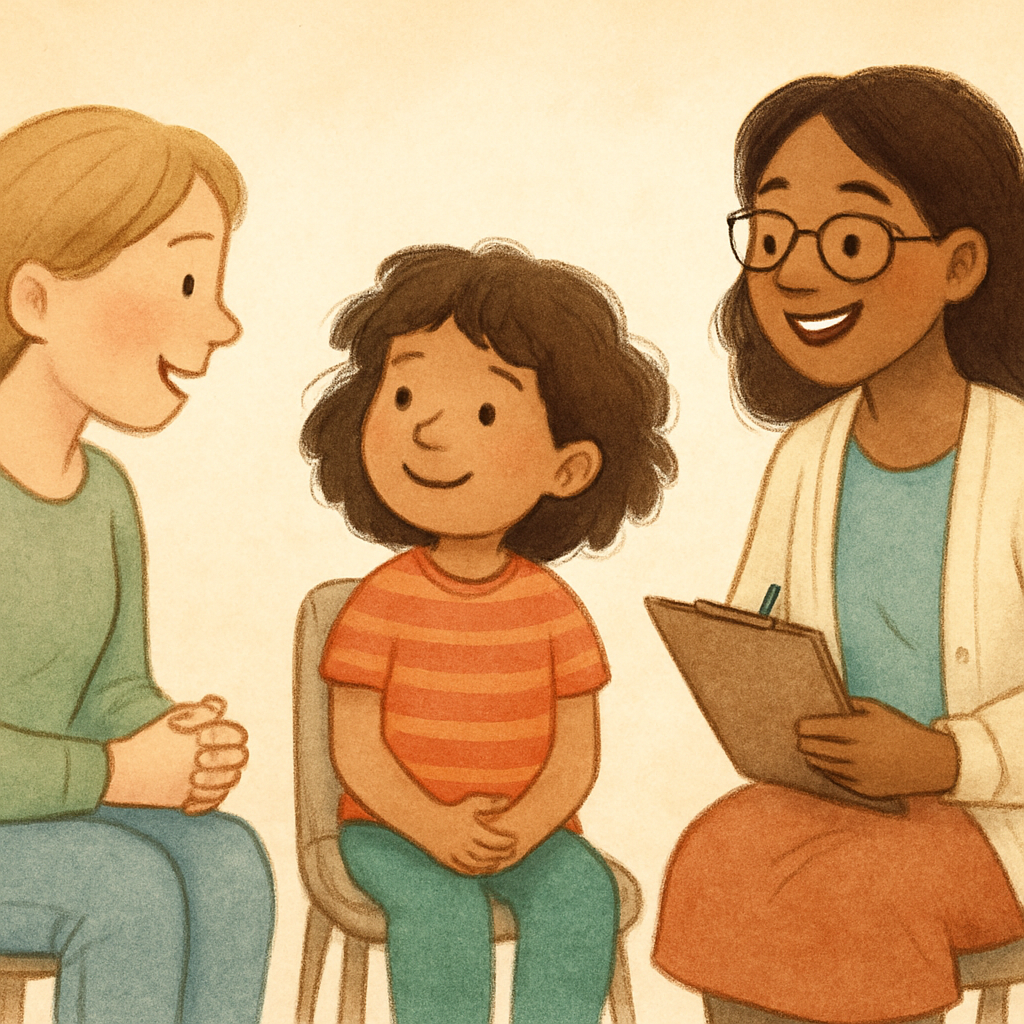
A behaviour management consultation typically lasts 8–12 weeks, starting with a thorough assessment of your child and their environment at home or school. The consultant first analyzes the reasons behind specific behaviours, then creates a customized plan.
This support is tailored to both neurotypical and neurodivergent children, including those with Autism, ADHD, or developmental delays. The goal is to equip you with tools and confidence to continue using effective strategies after the consultation ends.
Consultations address a wide range of issues, from tantrums and cooperation to more severe behavioural concerns. Ultimately, you’ll be empowered to maintain positive changes for your child and family long-term.
Core Principles of Positive Support in Consultations
At the core of behaviour management consultation is positive support—understanding and meeting your child’s needs with respect and encouragement. Instead of punishment, this approach uses positive reinforcement to promote desired actions and build new skills.
A holistic approach is key. Consultants consider your child’s environment, communication abilities, and any unmet needs influencing their behaviour. This helps create a supportive setting where your child feels understood and motivated to learn, empowering them to reach their full potential.
Core principles include:
-
Improving quality of life
-
Understanding the reasons behind behaviour
-
Teaching new skills to meet needs
-
Adjusting the environment to encourage positive actions
Why Parents Seek Behaviour Management Consultation
Parents often seek behaviour management consultation when they notice their child exhibiting challenging behaviours that disrupt daily life. You might feel like you've tried everything to manage tantrums, aggression, or defiance, but nothing seems to create lasting change. This is a common experience, and reaching out for professional guidance is a proactive step.
A consultation provides a structured support plan to address a specific behaviour of concern. It offers the benefits of early intervention, helping to prevent behaviours from escalating while teaching your child valuable new skills, including essential daily routines. Let's look at how to recognize these behaviours and when a consultation is the right choice.
Recognizing Challenging Behaviours in Children
Recognizing when your child’s actions become challenging can be difficult. While all children test limits, behaviours that consistently disrupt family life or affect learning and socializing may signal a need for support. These are often signs of unmet needs, not simply "naughtiness."
Challenging behaviours can range from mild to severe and affect people of all ages. You might see issues with transitions, like leaving the playground, or frequent outbursts when told “no.” Having support workers or family members aligned in their approach can help.
Common signs that you may need professional guidance include:
-
Aggression, self-injury, or property damage
-
Frequent, intense tantrums or whining
-
Difficulty following adult instructions
-
Rigid routines or strong insistence on sameness
When Consultation Is Recommended
Consultation is recommended when concerning behaviours affect your child’s development, social relationships, or household harmony. If these behaviours persist or worsen, early intervention can play a crucial role in helping your family get back on track by addressing individual needs instead of using generic solutions.
This is a collaborative process—not a quick fix—focused on understanding the reasons behind behaviours and teaching positive alternatives. This proactive approach reduces the need for restrictive practices that limit freedom of movement, like seclusion or physical restraint, which may keep someone safe temporarily but can worsen behaviour over time.
Positive behaviour support aims to address root causes and eliminate the use of such restrictive measures.
Positive Support Strategies in Behaviour Management
Positive support strategies are the foundation of modern behaviour management. This approach shifts the focus from what your child is doing wrong to what you can do to support them in learning better ways to communicate and behave. The goal is to build your child’s social skills and teach them new skills that replace challenging behaviours.
These techniques are incorporated into a formal behaviour support plan, which acts as a roadmap for everyone involved in your child’s care, especially for those who may exhibit behaviours of concern. The plan outlines proactive and effective strategies to help your child thrive. Below, we'll introduce the concept of positive behaviour support and provide examples of how it's used.
Introduction to Positive Behaviour Support
Positive Behaviour Support (PBS) is an evidence-based framework that improves the overall quality of life and reduces challenging behaviours. It respects individual rights and dignity, using behaviour analysis to understand the reasons behind behaviours instead of simply stopping them.
PBS aims to make challenging behaviours irrelevant by teaching more appropriate ways to meet needs. Strategies are tailored to each person, including environmental changes or new communication skills.
By focusing on proactive approaches, PBS empowers individuals to develop social and emotional skills, participate in their community, and achieve lasting positive change.
Examples of Positive Support Techniques for Children
Positive support techniques are practical strategies to encourage your child's positive behaviour. Used daily, they promote consistency and learning by focusing on teaching and reinforcement—not punishment.
Positive reinforcement is especially effective. Rewarding your child immediately for using a desired skill or behaviour—through praise, a favorite activity, or a small treat—increases the likelihood they'll repeat it. This also builds their confidence and social skills.
A strong support plan combines several techniques, such as:
-
Teaching your child to request a break instead of having a tantrum.
-
Using visual schedules to ease transitions.
-
Praising sharing with siblings.
-
Modifying tasks to make them less frustrating and more achievable.
Steps of the Behaviour Management Consultation Process
The behaviour management consultation process is a clear, structured journey designed to deliver effective and personalized support. It begins with your initial enquiry and moves through several key stages, each one building on the last. This step-by-step approach ensures that the final behaviour support plan is based on a deep understanding of your child's unique support needs.
From the first call to implementing the plan, you will work collaboratively with a behaviour consultant. The process is transparent, and you will be involved at every stage. Let's break down the first steps of assessment and goal setting, followed by the development of the support plan.
Initial Assessment and Goal Setting
The process starts with your enquiry. The team reviews your application to ensure a good fit for your family's goals. If so, you'll schedule a complimentary discovery call to discuss your child's behaviours, concerns, and goals—establishing clear communication from the start.
After the call, you'll receive a detailed proposal. Upon acceptance, you'll proceed to an intake meeting and assessment, including interviews with you and separate sessions with your child. These assessments help identify your child’s specific needs and skill priorities.
Based on the results, the behaviour consultant will recommend strategies for teaching new skills. This collaborative goal-setting ensures the plan is meaningful and tailored to your family’s needs.
Developing Individualized Positive Support Plans
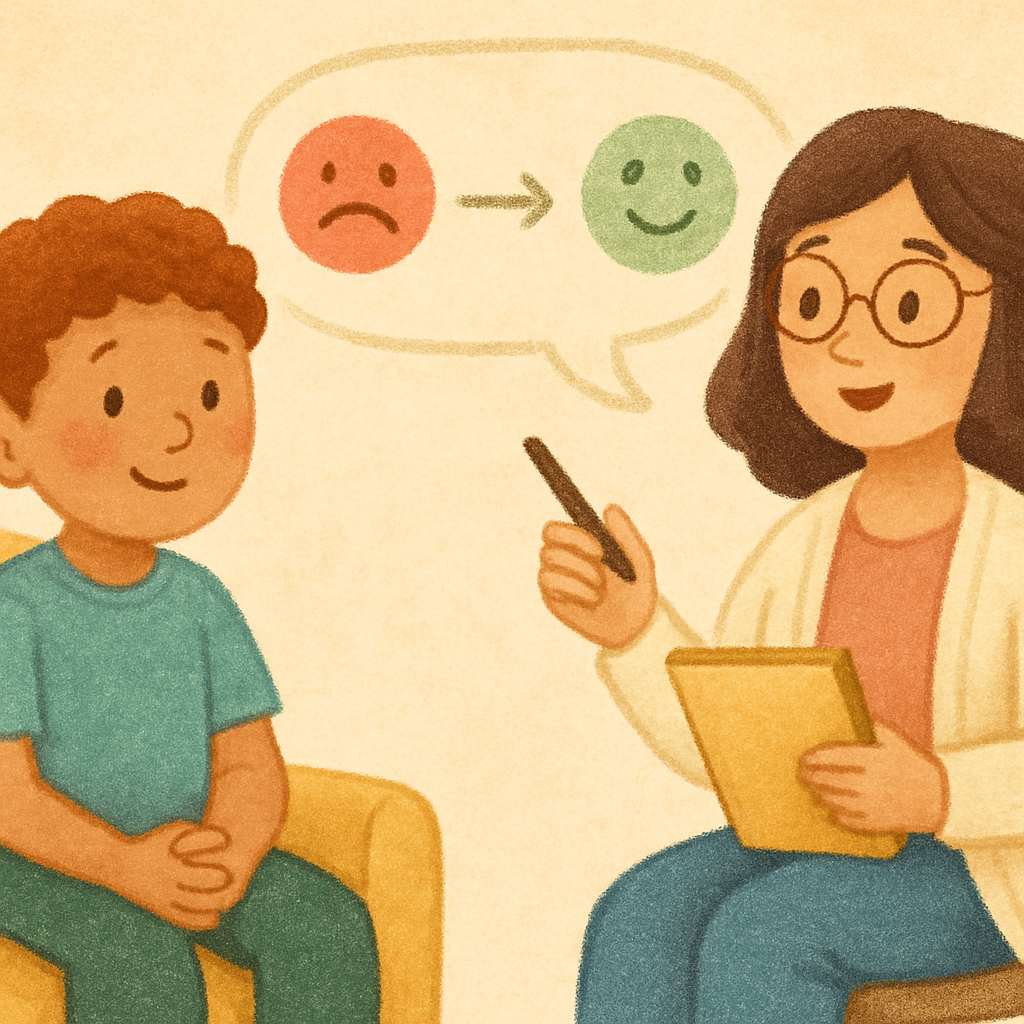
After the assessment, the consultant creates a personalized positive support plan based on your child’s unique needs, strengths, and target behaviours. This plan is tailored—not generic—providing practical steps for you to follow.
The behaviour support plan details effective strategies for managing challenging behaviours and teaching new skills. It offers clear, step-by-step instructions for everyone involved to ensure consistency across environments. The focus is on proactive measures that foster a supportive atmosphere for your child.
For example, the plan might show how to replace a problematic behaviour with a more constructive one:
|
Trigger |
Behaviour of Concern |
Function of Behaviour |
New Skill to Teach |
|---|---|---|---|
|
Asked to turn off the iPad for dinner |
Crying and refusing |
To keep playing |
Asking for "one more minute" |
Navigating NDIS and Funding Options
For many families, accessing behaviour support services involves navigating the National Disability Insurance Scheme (NDIS). This disability insurance scheme is designed to provide funding for NDIS participants to access reasonable and necessary supports related to their disability, which can include managing difficult behaviours and behaviour management. If your child has developmental delays or a diagnosed disability, you may be eligible.
Understanding how to use your NDIS funding can feel complex, but it is a key pathway to getting the support you need. Let’s explore whether these consultations are covered and how you can access these funding options.
Are Behaviour Management Consultations Covered by NDIS?
Yes, behaviour management consultations can be covered by NDIS funding. The National Disability Insurance Agency (NDIA) funds these services for children with autism and other developmental disabilities if they are considered reasonable and necessary.
Funding usually comes from the "Improved Relationships" category in your NDIS plan's Capacity Building budget, which supports skills for interacting with others and managing your disability sector. A behaviour support plan is a key service funded here.
You can use NDIS funding for unregistered providers if your plan is self-managed or plan-managed. If it’s agency-managed, you must choose a registered provider. Your support coordinator or behaviour support practitioner can guide you through this process.
How to Access Support and Funding Pathways
Accessing support starts with understanding your child's eligibility for the National Disability Insurance Scheme (NDIS). Once you’re an NDIS participant, look for a provider that fits your overall wellbeing needs. Choosing the right behaviour consultant is important—take your time to find the best match for your family.
Research local providers or those offering telehealth options. Many, like Super Kids, offer a free discovery call where you can ask questions and see if their approach aligns with your values. This is also a chance to discuss your goals and concerns.
After choosing a provider, follow these steps:
-
Complete an application or inquiry form.
-
Join a discovery call to discuss your child’s needs.
-
Review the service proposal outlining plans and costs.
-
Use your NDIS funding (self-managed or plan-managed) to pay for services.
Conclusion
In summary, behaviour management consultations provide a crucial resource for parents navigating the complexities of their children's challenging behaviours. By understanding the principles of positive support and following the structured consultation process, you can foster a more harmonious environment at home. These consultations not only empower you with effective strategies for effective communication but also open avenues for accessing necessary funding and support through programs like NDIS. Remember, you are not alone in this journey—seeking help is a vital step toward ensuring your child's well-being. If you're ready to take that step, consider scheduling a consultation to explore how we can assist you and your family.
Book for consultation now or call daar at 02 9133 2500!
Frequently Asked Questions
What should parents expect from their first consultation?
Your first consultation is the first step in the consultation process. You should expect a collaborative discussion focused on understanding your child’s individual needs and your family's goals across different settings. The consultant will gather information to begin building a support system and outline the next steps in creating a personalized behaviour management plan.
How effective is behaviour management consultation for children with autism?
Behaviour management consultation is highly effective for children with autism. Through early intervention and a tailored behaviour support plan that addresses the unique needs of each child, it uses principles like positive reinforcement to teach new skills and improve communication. This structured approach supports key areas of child development and can significantly improve a child’s ability to thrive.
What support is available for families during behaviour management consultation?
Families receive comprehensive support from a dedicated support system. Behaviour support practitioners and support workers provide parent training, consistent guidance, and practical strategies, ensuring effectiveness across different environments. This collaborative approach empowers family members to implement the plan effectively, which helps improve everyone's quality of life and create a more positive home environment.
.svg)




.svg)