
.png?width=48&height=48&name=Group%201%20(3).png)























2 February, 2026

ADHD Behavioral Treatments for Kids
Introduction
Navigating childhood with attention deficit hyperactivity disorder (ADHD) can present unique challenges for both kids and their families. This common neurodevelopmental disorder affects focus, impulse control, and activity levels, impacting daily life. The good news is that effective help is available. Behavioral treatments provide practical strategies and skills to manage symptoms, support your child’s mental health, and improve their ability to thrive at home, at school, and in their relationships. In particular, for adolescents with ADHD, specific behavioral interventions such as cognitive-behavioral therapy (CBT), organizational skills training, parent training, and social skills groups are often recommended to help address symptoms. These tailored approaches can enhance coping abilities, self-management, and interpersonal effectiveness during this developmental stage.
Key Highlights
- Behavioral treatments help children manage ADHD symptoms, even though they don't eliminate them. The two main types of behavioral interventions are parent training and skills-based training for executive functions. Parent training is a key therapy that teaches you effective ways to respond to your child's behavior. Typically, families and children may start to see improvement in ADHD symptoms after several weeks to a few months of consistent behavioral treatment. The exact timeline can vary depending on the intensity of the interventions and individual needs, but regular participation in behavioral interventions leads to the best results.
- The two main types of behavioral interventions are parent training and skills-based training for executive functions.
- Parent training is a key therapy that teaches you effective ways to respond to your child's behavior.
- Techniques like a reward system and charts use positive reinforcement to encourage good behavior.
- For many children with attention deficit hyperactivity disorder, combining behavioral therapy with medication yields the best results.
Understanding ADHD in Children
For children, attention deficit hyperactivity disorder often shows up as a persistent pattern of inattention, hyperactivity, and impulsivity. These ADHD symptoms are more than just occasional misbehavior; they are consistent and can interfere with development and functioning.
You might notice your child struggling with tasks that require sustained focus or having difficulty with emotional regulation. Understanding these signs is the first step toward finding the right support. Below, we'll explore the common symptoms and why addressing them early is so important.
Common Signs and Symptoms of ADHD
ADHD symptoms fall into three main categories:
- Inattention: Children may struggle to focus, seem not to listen, lose necessary items, and get easily distracted—often due to executive functioning challenges.
- Hyperactivity: Signs include constant fidgeting, difficulty sitting still or playing quietly, and being excessively active even in inappropriate situations.
- Impulsivity: This involves interrupting others, trouble waiting their turn, and blurting out answers.
To address these symptoms, therapists often use behavioral interventions like parent training for behavior management and skills training for organization.
Why Early Behavioral Intervention Matters
Early behavioral interventions can greatly improve your child's life. Unlike medication, which works only while taken, therapy teaches lasting skills that benefit children as they grow. Managing behavior early helps prevent repeated failures at school and in social situations.
Parent training is key. It gives you tools to handle disruptive behaviors, respond better to tantrums or defiance, and use praise and consistent consequences. This creates a more positive, predictable home environment.
Addressing emotional and behavioral challenges early helps your child develop healthier relationships and stronger self-esteem. These interventions teach valuable life skills that support long-term success and well-being.
Main Types of Behavioral Therapies for Kids With ADHD
When it comes to behavior therapy for children with ADHD, two primary approaches have proven to be effective. These therapies don't eliminate the core symptoms, but they teach children valuable skills to control them.
The first type is behavioral parent training, which focuses on helping you manage your child's impulsive or disruptive behaviors. The second involves a form of ADHD coaching that helps kids develop their executive functions, such as organization and time management. Both are designed to improve daily functioning and reduce conflict.
Overview of Evidence-Based Behavioral Therapies
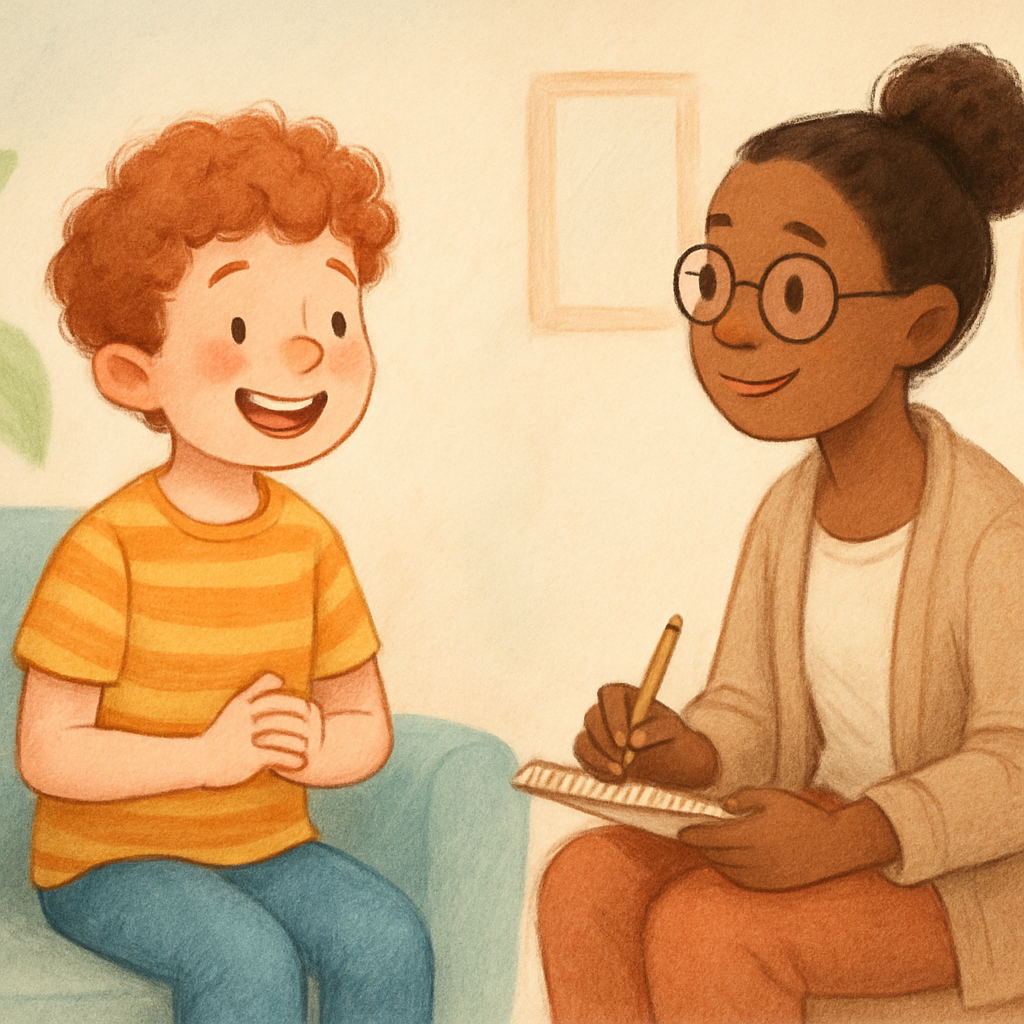
Several evidence-based behavioral treatments can help your child. Unlike other ADHD treatments, behavioral therapy teaches lifelong skills. Programs like Parent-Child Interaction Therapy (PCIT), Parent Management Training (PMT), and the Positive Parenting Program (Triple P) focus on training parents to use praise and positive reinforcement effectively.
These structured programs reduce arguing and tantrums while improving parent-child relationships. Play therapy and talk therapy are not proven effective for young children with ADHD. Cognitive behavioral therapy (CBT) is mainly used for older children or to address issues like anxiety that may occur with ADHD.
Common parent training programs:
|
Program Name |
Target Age Range |
Key Focus |
|---|---|---|
|
Parent-Child Interaction Therapy (PCIT) |
2–8 years |
Strengthens the parent-child relationship and improves interactions. |
|
Parent Management Training (PMT) |
6–12 years |
Teaches parents how to manage behavior effectively. |
|
Positive Parenting Program (Triple P) |
0–16 years |
Offers practical strategies for building strong relationships. |
How Families in Australia Can Access Behavioural Therapy NDIS Support
Accessing the right support for your child's ADHD is essential. Systems like the NDIS are designed to help. Start by consulting a pediatrician or clinical psychologist for diagnosis and therapy recommendations.
These professionals can advise you on applying for support and provide referrals to specialists in evidence-based parent training programs, which are important for managing ADHD.
Australia offers excellent resources, such as the Positive Parenting Program (Triple P), recognized globally for its effectiveness. Your healthcare provider can connect you with local Triple P and other behavioral therapy programs.
Effective Behavioral Strategies for Home and Family Life
The skills learned in therapy are most effective when they are reinforced at home. As a parent, you play a vital role in your child’s behavior management. Implementing consistent strategies can transform your family life, reduce stress, and create a more harmonious environment.
By using techniques often taught in parent training and programs like the Positive Parenting Program, you can help your child practice their new skills every day. Let's look at some practical ways you can bring these strategies into your home.
Practical Home Techniques Parents Can Use
Creating structure and predictability is key to managing ADHD at home. Clear tasks help children with ADHD feel less overwhelmed and improve time management and confidence.
Positive attention for good behavior is also powerful. Since kids with ADHD often hear more criticism than praise, actively complimenting them boosts motivation and strengthens your relationship.
Useful tools include:
- Checklists: Break daily routines into manageable steps.
- Planners: Help track homework and deadlines.
- Time Limits: Assign time limits for each step to keep tasks on track.
How Behavior Charts and Rewards Systems Help
Behavior charts and reward systems effectively motivate children with ADHD by providing immediate positive reinforcement for meeting specific goals. This makes “good behavior” more concrete and achievable.
A common approach is the "Daily Report Card," where parents and teachers track progress on specific goals. Teachers monitor behavior at school, and children earn rewards at home, creating consistent reinforcement across environments. Combining these systems with ADHD medication can be especially effective.
These systems work because they:
- Motivate Change: Rewards encourage easily distracted kids to learn new skills.
- Reduce Problem Behaviors: Focusing on positives helps decrease unwanted behaviors.
- Target Specific Goals: You can address challenges like completing tasks or minimizing interruptions.
Conclusion
In summary, effective behavioral treatments for children with ADHD can greatly improve their daily lives and development. Early recognition of ADHD and use of evidence-based therapies help families create a supportive environment that encourages positive behavior. Tools like behavior charts and reward systems manage symptoms and strengthen family bonds. For personalized support, consider exploring behavioral therapy options. With the right strategies, better days are ahead.
Book for a consultation now or call daar at 02 9133 2500!
Frequently Asked Questions (FAQ) About ADHD Behavioral Treatments
Understanding ADHD behavioral treatments can raise several questions. Many parents wonder how effective these interventions are compared to ADHD medication. Evidence shows that behavioral therapies, including parent training and social skills training, significantly improve daily functioning and emotional regulation. Additionally, parents often ask about the role of positive reinforcement and structure in managing symptoms. Resources, such as the Triple P program, offer clear expectations and tools for better behavior management, making it easier for families to navigate the complexities of attention deficit hyperactivity disorder.
How can behavioral therapy help my child if they are on the NDIS?
While on the NDIS, your child can benefit from ADHD therapies that provide additional support for managing daily life. Behavioral parent training teaches you practical skills to improve your child's behavior and functioning at home and school, helping them meet goals outlined in their support plan.
Are there resources for parents to learn behavioral therapy techniques in Australia?
Yes, there are many resources available. Healthcare professionals can refer ADHD patients to parent education programs. One highly effective program founded in Australia is the Positive Parenting Program (Triple P), which teaches parents effective behavioral interventions to support their child and improve family dynamics.
What is the difference between behavioral therapy and other ADHD treatments?
The main difference in the treatment of ADHD is the approach. Behavior therapy teaches skills and strategies to manage symptoms, whereas pharmacological interventions like ADHD medication directly address the brain's core chemical imbalances. Unlike talk therapy, which is not proven effective for young kids with ADHD, behavior therapy focuses on changing specific, problematic behaviors.
.svg)




.svg)