
.png?width=48&height=48&name=Group%201%20(3).png)























13 January, 2026

Unlocking Communication: The Power of Speech Therapy
Introduction
Have you ever wondered how speech therapy can unlock a person's potential to connect with the world? It is a specialized treatment focused on improving your ability to speak and use language effectively. Whether you are helping a child with their language development or navigating communication challenges as an adult, speech therapy can make a profound difference. It is designed to improve communication skills and treat language disorders, ultimately enhancing your ability to express yourself and improve your quality of life.
Key Highlights
-
Speech therapy enhances communication skills for both children and adults, addressing a wide range of speech and language disorders.
-
Early intervention is vital for young children, helping with language development and building a strong foundation for social skills.
-
Therapy provides effective communication strategies for adults facing challenges from conditions like stroke or brain injury.
-
A qualified speech pathologist creates personalized treatment plans to meet your specific needs.
-
Engaging in therapy can significantly boost confidence, social interaction, and overall quality of life.
Who Can Benefit from Speech Therapy in Australia
Speech therapy helps people of all ages overcome communication challenges, from minor speech issues to significant language delays. Therapists create personalized plans based on individual needs. Improving communication can greatly enhance quality of life, and support is tailored for different age groups. Here’s how therapy benefits both children and adults.
Pediatric Speech Therapy Support for Children in Canterbury and Liverpool
Early speech and language intervention is vital for young children. Pediatric speech therapy uses play-based activities to make learning enjoyable and effective, improving language skills and confidence.
If your child speaks less than peers, gets frustrated communicating, struggles with directions, or misses speech milestones, consider consulting a specialist. Therapy before age five is most beneficial.
A speech pathologist will assess your child and offer home strategies. Working together supports progress and boosts your child's communication confidence.
Adult Speech Therapy Services for Communication and Swallowing
Speech therapy benefits adults as well as children, offering effective treatment for those affected by stroke, brain injury, or conditions like Parkinson’s disease. These issues can impair speech and communication.
The main goal is to rebuild communication skills and improve the quality of life. A speech pathologist assesses your needs and creates a personalized plan, which may include mouth and tongue exercises, conversation practice, or memory and problem-solving activities. While 'speech therapy' often refers to the treatments and exercises used to help improve communication and swallowing abilities, 'speech pathology' is the broader field that evaluates, diagnoses, and treats a range of speech, language, and swallowing disorders. In our adult speech therapy services, speech pathologists use both their clinical expertise and therapeutic techniques to support your goals.
Therapy helps you regain function and confidence. Whether facing speech or swallowing difficulties, it can enhance your ability to communicate clearly and participate fully in daily life.
Common Conditions Addressed by Speech Pathologists
Speech therapy can address a wide variety of speech disorders and language disorders. These communication disorders may arise from developmental issues, neurological conditions, or physical impairments. For example, therapists help individuals with aphasia, which impacts the ability to speak and understand language, and dysarthria, which involves weak speech muscles that cause slurred speech.
From articulation issues to fluency problems, a speech pathologist can diagnose the specific condition and guide you through the right therapy services. Below, we'll explore some of the common challenges that speech therapy helps manage.
Social Communication and Language Disorders
Social communication disorders make it hard to use verbal and non-verbal language in social situations, affecting relationships and social development. Speech therapy can help by targeting these skills.
Therapists use strategies like play and guided conversation to model appropriate interactions. They teach social cues, turn-taking, and interpreting gestures or facial expressions to strengthen social language skills.
Common strategies include:
-
Using picture books to discuss social scenarios
-
Role-playing conversations
-
Modeling correct grammar and vocabulary in context
-
Practicing perspective-taking
Developmental Delays, Autism, and Other Special Needs
Speech therapy is essential for children with developmental delays, autism spectrum disorder (ASD), and other special needs. Many children with autism have language and social communication challenges. Therapy provides a structured way to build these skills.
Speech therapists customize sessions based on each child’s needs—focusing on age-appropriate milestones for developmental delays, and both verbal and non-verbal communication for ASD.
Personalized support increases independence and confidence. Early intervention helps children with special needs communicate better at school, home, and in their community.
Inside a Speech Therapy Session: What to Expect
Walking into a speech therapy session for the first time might feel a bit uncertain, but the process is designed to be supportive and goal oriented. A speech pathologist is a university-trained expert who will work with you to identify and treat your communication needs. The therapy process involves targeted exercises and activities to help you improve.
Each of the therapy sessions is structured to build on the last, helping you enhance your communication abilities. To give you a clearer picture, let's explore what happens during an initial assessment and the kinds of techniques a therapist might use.
Assessment and Personalized Goals in Canterbury and Liverpool
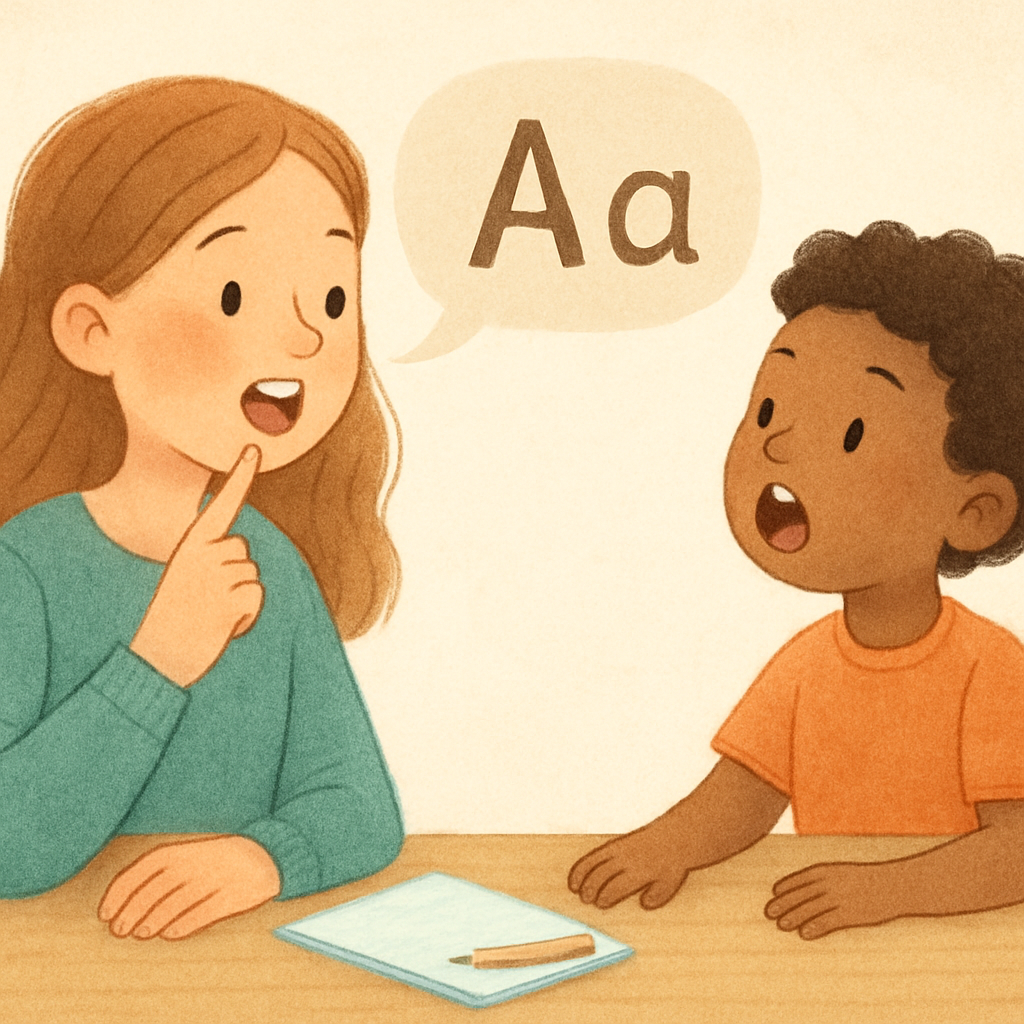
Your first speech therapy session starts with an assessment of your health history, communication needs, and challenges. The therapist will ask questions and may use simple tests.
For children, the assessment often includes observing play and conversation. For adults, it may involve tests for memory, problem-solving, and language. This information helps set personalized goals and create a treatment plan.
Typical assessment stages:
|
Stage |
What It Involves |
|---|---|
|
Interview |
Discussing health history and concerns |
|
Observation |
Watching natural communication |
|
Testing |
Activities or standardized skill tests |
|
Goal Setting |
Collaborating on therapy goals |
Techniques and Approaches Used in Pediatric and Adult Therapy
After assessment, the speech pathologist creates a personalized treatment plan based on your age and disorder. These evidence-based therapies are tailored to your needs. For example, articulation therapy teaches correct sound production, often using tongue placement demonstrations.
Language intervention uses books, pictures, or play to build vocabulary and sentence structure. For adults with cognitive-communication issues, therapy focuses on memory, organization, and problem-solving. The therapist guides each session, gives feedback, and adjusts the plan as you progress.
Common techniques for expressive, receptive, and fluency disorders include:
-
Exercises to strengthen mouth and tongue muscles
-
Conversation practice and social skills training
-
Drills for clarity and stuttering reduction
-
Activities to improve language comprehension
Conclusion
In conclusion, speech therapy is a valuable resource that can greatly improve communication skills and quality of life for people of all ages. Whether you’re a parent seeking help for your child or an adult with communication challenges, working with a qualified speech pathologist offers significant benefits. With personalized assessments and targeted techniques, speech therapy addresses individual needs and fosters effective communication. Don’t hesitate to discover how these services can make a difference for you or your loved one.
For more information or to find a speech therapist in Canterbury or Liverpool, contact us today at 02 9133 2500 or book a consultation!
Frequently Asked Questions
How do I know if my child or loved one needs to see a speech pathologist?
You should consider seeing a speech pathologist if you notice persistent communication difficulties, such as trouble forming words, limited vocabulary, or difficulty understanding others. For children with speech disorders or language development concerns, early intervention is key to helping them build the skills they need for success.
Are speech therapy services covered by NDIS in Australia?
Yes, speech therapy services can be covered by the National Disability Insurance Scheme (NDIS) in Australia. Coverage depends on your individual plan and whether the therapy services are considered reasonable and necessary to help you achieve your goals related to your disability and specific needs.
How can I find a qualified speech therapist in Canterbury or Liverpool?
To find a qualified speech therapist, you can start by checking the directory on the Speech Pathology Australia website. You can also ask for recommendations from your GP or look into local private practices that offer therapy services tailored to your or your child’s communication needs.
.svg)




.svg)