
.png?width=48&height=48&name=Group%201%20(3).png)























22 January, 2026

Discover Effective Speech Therapy Canterbury Services Today
Introduction
Have you ever wondered what speech therapy truly involves? It is a specialized treatment designed to help individuals with communication disorders improve their ability to speak and understand others. This therapy helps you express your thoughts more clearly and build stronger language skills. Whether for a child learning to form words or an adult recovering from an injury, speech therapy can significantly enhance communication, confidence, and daily interactions, leading to a better quality of life.
Key Highlights
-
Speech therapy is a specialized treatment for a wide range of communication and speech disorders.
-
A certified speech pathologist works with people of all ages, from toddlers to seniors.
-
Early intervention is crucial for children, as it supports key periods of language development.
-
Therapy helps with various conditions, including stuttering, post-stroke recovery, and swallowing difficulties.
-
Personalized sessions aim to improve communication skills, confidence, and overall quality of life.
-
Family members are often involved to support progress at home.
Who Can Benefit from Speech Therapy Canterbury Services?
Speech therapy benefits people of all ages, from young children learning to communicate to adults recovering skills after illness or injury. Therapy is tailored to each person’s unique needs, regardless of age.
For children, early intervention can be crucial for development. For adults, speech therapy can restore independence and improve relationships. Knowing who can benefit is the first step toward getting help. This guide will show how speech therapy supports children, adults, and their families.
Children Who May Need Speech and Language Support
If you suspect your child has a speech or language issue, seek help early. Early intervention is crucial, as it supports communication during key periods of brain development. Delaying therapy can mean missing the window when it’s most effective.
Watch for signs like difficulty being understood or not reaching speech milestones—these may signal developmental delays best addressed by a speech therapist. Therapy also helps autistic children communicate, whether through speech or assistive technology.
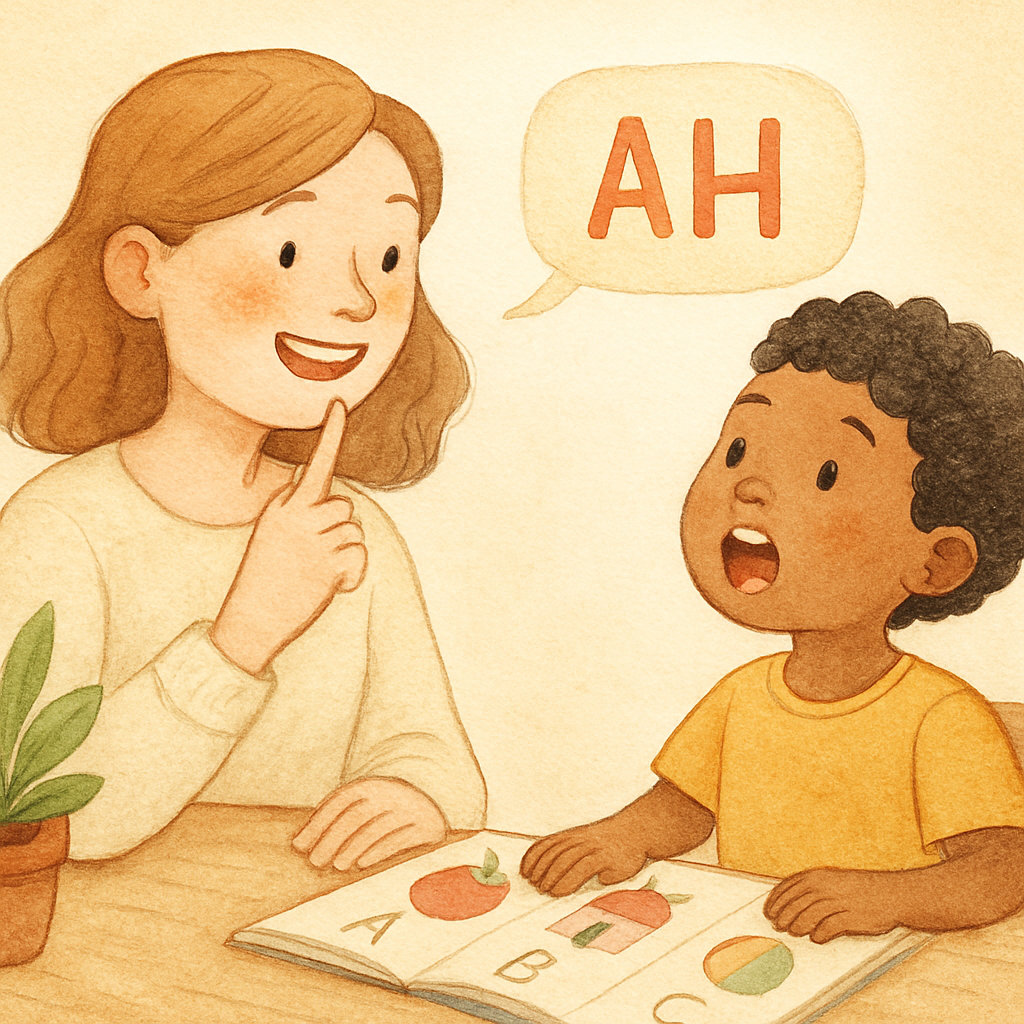
Pediatric therapy often uses play-based activities to engage children and build language and social skills in a fun environment. Therapists also coach parents on techniques to use at home, making you an essential part of your child’s progress.
Adults Seeking Communication or Swallowing Assistance
Adults often face communication challenges that can be improved with speech therapy. Many seek help to recover skills lost after a stroke, brain injury, or medical condition. Therapists focus on practical goals like returning to work and improving social interactions.
Disorders such as dysarthria—characterized by slow or slurred speech—may result from nervous system issues like multiple sclerosis or stroke. Speech therapy strengthens speaking muscles, boosting clarity and confidence, and addresses various communication disorders to improve quality of life.
Therapy also treats swallowing problems (dysphagia) caused by illness or injury. Therapists provide exercises to strengthen swallowing muscles, making eating and drinking safer and more comfortable.
Supporting Family Members Through Speech Therapy
Speech therapy benefits not just the individual but their support system too. For children, speech pathologists coach parents and carers, teaching techniques to continue therapy at home. This daily involvement reinforces communication skills and helps children follow directions and express themselves more clearly.
Families of adults with conditions like dementia or Alzheimer’s also gain valuable strategies. Speech therapists show you how to manage behaviors, communicate effectively, and keep your loved one safe—making a meaningful difference for everyone involved.
Common Conditions Treated by Speech Pathology
Speech pathology addresses a vast range of conditions affecting people of all ages. If you or a loved one are experiencing challenges with speaking, understanding language, or even swallowing, a speech pathologist can help. They are trained to diagnose and treat a variety of speech disorders and communication needs.
The scope of treatment is broad, covering everything from developmental delays in children to acquired communication difficulties in adults. Below, we'll look closer at some of the specific conditions treated in both children and adults, highlighting the diverse ways speech therapy can make a difference.
Speech Disorders Addressed in Children
Pediatric speech therapy helps children overcome communication challenges that affect language development. Common issues include articulation disorders—difficulty making certain sounds, like saying "wight" instead of "light"—and fluency disorders, such as stuttering. Developmental delays, hearing loss, and other conditions can also cause language disorders.
Speech therapists address:
-
Articulation Disorders: Trouble producing specific sounds.
-
Fluency Disorders: Issues with speech flow, like stuttering.
-
Receptive Disorders: Difficulty understanding spoken language.
-
Expressive Disorders: Problems expressing thoughts or forming sentences.
Speech and Language Issues in Adults
For adults, speech and language issues often result from medical events such as stroke or brain injury, or progressive conditions like MS or dementia. These disorders can severely impact communication.
Key conditions include:
-
Aphasia: Impaired ability to speak, understand, read, or write, usually after a stroke.
-
Dysarthria: Slurred or slow speech due to muscle weakness, often linked to MS.
-
Cognitive-Communication Disorders: Problems with memory, problem-solving, and speaking caused by dementia or brain injury.
Speech therapy for adults focuses on these challenges to restore skills and improve communication.
How Speech Therapy Liverpool and Canterbury Compare
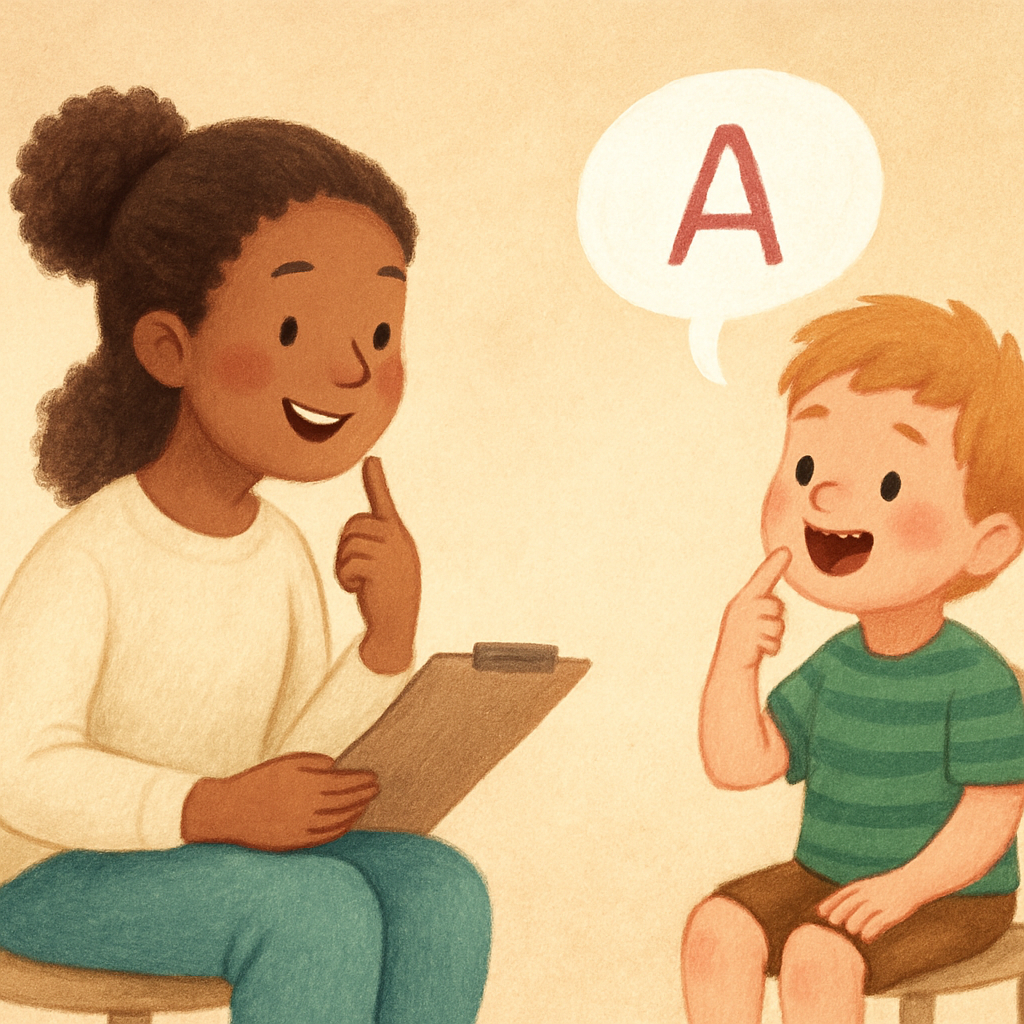
When comparing speech pathology services in areas like Liverpool and Canterbury, you’ll find both offer quality care across private clinics, hospitals, and schools. Typically, the process starts with a doctor’s referral.
Both locations provide therapists for children and adults. The main priority is choosing a service that fits your needs. Funding options such as private health insurance and the NDIS are available in each area.
While specific clinic offerings may differ, assessment and treatment approaches are similar. Here’s a quick comparison:
|
Service Aspect |
Canterbury |
Liverpool |
|---|---|---|
|
Availability |
Private practices, schools, and hospitals |
Private practices, schools, and hospitals |
|
Specialties |
Pediatric & adult services |
Pediatric & adult services |
|
Access |
Doctor’s referral usually required |
Doctor’s referral usually required |
|
Funding |
Private insurance & NDIS available |
Private insurance & NDIS available |
Inside a Typical Speech Therapy Session
What exactly happens during a speech therapy session? Every session is personalized to fit the client's age, abilities, and unique needs. The journey begins with a thorough assessment to identify the specific challenges and establish clear goals for therapy.
The speech therapy work itself looks different for everyone. For young children, therapy is often centered around play to make learning fun and engaging. For adults, sessions are typically focused on achieving practical, daily life goals. Let's take a closer look at the assessment process, therapy activities, and how progress is tracked.
Assessment and Personalized Goal Setting
Your speech therapy journey begins with a comprehensive assessment conducted by a professional with the right qualifications. This initial step is crucial for understanding the type of speech disorder you or your child may have. The therapist will evaluate your communication skills to determine the best path forward.
During the assessment, the speech-language pathologist will use various methods to diagnose the specific issue. This might include standardized tests, observing interactions, or discussing your concerns and goals. This detailed evaluation helps create a complete picture of your needs.
Based on these findings, the therapist develops a personalized plan with specific, achievable goals. This tailored approach ensures that the therapy is focused and provides the most effective treatment possible. Setting clear goals from the start is key to measuring progress and achieving lasting success.
Engaging Therapy Activities for Lasting Results
To achieve lasting results, speech therapy activities are designed to be both effective and engaging. For children, this often means therapy feels like playtime. A therapist might use books, pictures, or games to stimulate language development and build vocabulary in a fun and natural way.
For adults, therapy activities are often focused on rebuilding specific skills. This can include exercises to strengthen oral muscles, improve the rhythm of speech, or practice conversational tactics to enhance social communication. The goal is to make progress through consistent and targeted practice.
Therapy can involve a variety of engaging exercises, such as:
-
Oral Muscle Workouts: Exercises to strengthen the tongue and mouth.
-
Language Games: Playing with word cards or board games to build language skills.
-
Reading Aloud: Practicing to improve articulation and the flow of speech.
-
Problem-Solving Tasks: Activities geared toward improving cognitive communication.
How Progress Is Measured Over Time
Measuring progress is essential in speech therapy. Therapists track your improvement by comparing current abilities to initial goals. This helps identify successes and areas needing more focus.
Results vary by individual—some may notice changes in comprehension or speech within months, while others may need longer-term support for complex challenges.
Therapists regularly review your progress and adjust the treatment plan to keep therapy effective and relevant. Each achievement—whether reaching milestones, improving literacy, or gaining confidence—is a step forward.
Conclusion
In conclusion, speech therapy services in Canterbury provide essential support for people of all ages with communication challenges. Whether helping a child with speech development or an adult with swallowing issues, these services offer personalized assessments and effective therapy activities. Prioritizing communication can greatly improve quality of life, so consider exploring local options.
If you or a loved one needs help, reach out for a consultation or call daar at 02 9133 2500 to learn how speech therapy can make a positive difference.
Frequently Asked Questions
How do I find a qualified speech therapist near me?
The best way to start is by asking your doctor for a referral to a trusted speech pathologist. You can also consult directories from professional bodies like Speech Pathology Australia to find certified speech therapists in your area. This ensures you connect with a professional who holds the necessary qualifications.
Is speech therapy covered by insurance or NDIS in Australia?
Yes, in Australia, speech pathology services can be covered. Many private health insurance plans include speech therapy. Additionally, it may be funded through the National Disability Insurance Scheme (NDIS) if it is part of your approved plan. It's always best to check directly with your insurance provider or the NDIS.
How long does it usually take to see improvement with speech therapy?
The time it takes to see improvement varies greatly among individuals. Factors like age, the type of disorder, and its severity all play a role. While some see progress in months, others may need longer-term support. Early intervention is key to effective treatment and helps achieve milestones for a better quality of life.
.svg)




.svg)