
.png?width=48&height=48&name=Group%201%20(3).png)























6 January, 2026

Empowering Change with Positive Behaviour Support
Introduction
Welcome to a new way of understanding behaviour. Positive behaviour support (PBS) is a compassionate, evidence-based approach designed to empower individuals with intellectual disabilities and improve their overall quality of life. Instead of just reacting to challenges, PBS focuses on understanding the "why" behind actions to foster meaningful, positive changes. This method is not about control but about connection, support, and enhancing mental health. It offers practical strategies to help people thrive in their daily lives, building confidence and promoting well-being.
Key Highlights
-
Positive behaviour support is a proactive approach that aims to understand the reasons behind behaviours. The main principles of positive behaviour support include focusing on prevention rather than punishment, teaching new skills to encourage positive behaviour, adapting environments to support individual needs, involving the person and their support network in decisions, and using evidence-based strategies to guide interventions. The primary goal is to improve an individual's quality of life through compassion and understanding.
-
The primary goal is to improve an individual's quality of life through compassion and understanding.
-
It focuses on teaching new skills rather than just managing challenging behaviours. A functional behaviour analysis is used to identify triggers and create a personalized behaviour support plan. This method encourages lasting positive changes by creating supportive and safe environments. While positive behaviour support is highly effective, implementing it can present some risks and challenges. These may include difficulty in accurately assessing the causes of challenging behaviour, resistance to change from individuals or staff, and ensuring consistent use of the behaviour support plan. It is also important to regularly monitor progress to make sure the approach continues to promote positive changes and a safe environment.
-
A functional behaviour analysis is used to identify triggers and create a personalized behaviour support plan.
-
This method encourages lasting positive changes by creating supportive and safe environments.
-
It is a collaborative process involving individuals, families, and professionals.
Understanding Positive Behaviour Support
So, what exactly is this supportive framework in clinical psychology? Positive behaviour support is a person-centered approach that uses principles of behaviour analysis to understand and address challenging behaviours. It moves away from reactive responses and instead focuses on proactively creating environments where positive behaviour is encouraged and reinforced.
This method involves a deep look into why a behaviour occurs. Through careful observation and assessment, specialists can develop tailored cognitive behavioural therapy strategies that teach new skills and improve mental health. The upcoming sections will explain its core principles and how it differs from traditional methods.
Defining Positive Behaviour Support and Its Purpose
At its heart, positive behaviour support is a proactive and holistic framework. Originating from applied behaviour analysis, it emphasizes a person-centered approach, tailoring strategies to an individual's unique strengths, needs, and preferences. Its main goal is about understanding that all behaviour is a form of communication, often signaling an unmet need or discomfort.
The purpose of PBS is to improve an individual's overall quality of life. Instead of punishing challenging behaviours, it seeks to understand their function. By figuring out what a person is trying to communicate or achieve through their actions, we can teach them more effective and positive ways to meet their needs. This shift in focus is fundamental to creating lasting change.
Ultimately, PBS helps individuals build new skills, gain independence, and participate more fully in their communities, especially those dealing with social phobia. This approach not only reduces challenging behaviours but also supports long-term mental health by fostering a sense of safety, understanding, and empowerment.
Key Differences Between PBS and Traditional Behaviour Management
You might be wondering how positive behaviour support stands apart from other methods. The key distinction lies in its proactive nature, with a stronger emphasis on prevention. Traditional behaviour management often focuses on reacting to a behaviour after it happens, sometimes using consequences to discourage it. PBS, on the other hand, works to prevent the behaviour from occurring in the first place.
This approach prioritizes understanding the root cause of psychological problems associated with a behaviour rather than just managing the symptom. While traditional methods might aim to control or stop a behaviour, PBS seeks to teach a replacement skill that serves the same function more positively. The focus is on teaching, not just controlling.
Furthermore, PBS is built on a foundation of positive reinforcement. It celebrates progress and rewards desired behaviours to build motivation and self-esteem. This focus on encouragement and skill-building supports better mental health, creating a more compassionate and effective path to change compared to older, often more restrictive management styles.
The Role of Behaviour Therapy in PBS
Behaviour therapy, rooted in operant conditioning, is the engine that drives positive behaviour support. It provides the structured techniques and evidence-based strategies needed to implement a PBS plan effectively. This form of behavioural therapy is action-oriented and focuses on teaching practical skills that individuals can use in their everyday lives.
During a therapy session, a trained therapist works with an individual, including young people, to identify specific goals and break them down into manageable steps. This might involve learning new communication methods, emotional regulation techniques, or social skills. The therapist provides a safe and supportive environment for practicing these new abilities.
The ultimate goal is to replace challenging actions with positive behaviour. By consistently applying principles from behaviour therapy and the social learning theory, PBS helps individuals build a new toolkit of responses. This structured learning process empowers them to navigate challenges more successfully and confidently, leading to lasting improvements.
Positive Behaviour Support in Practice
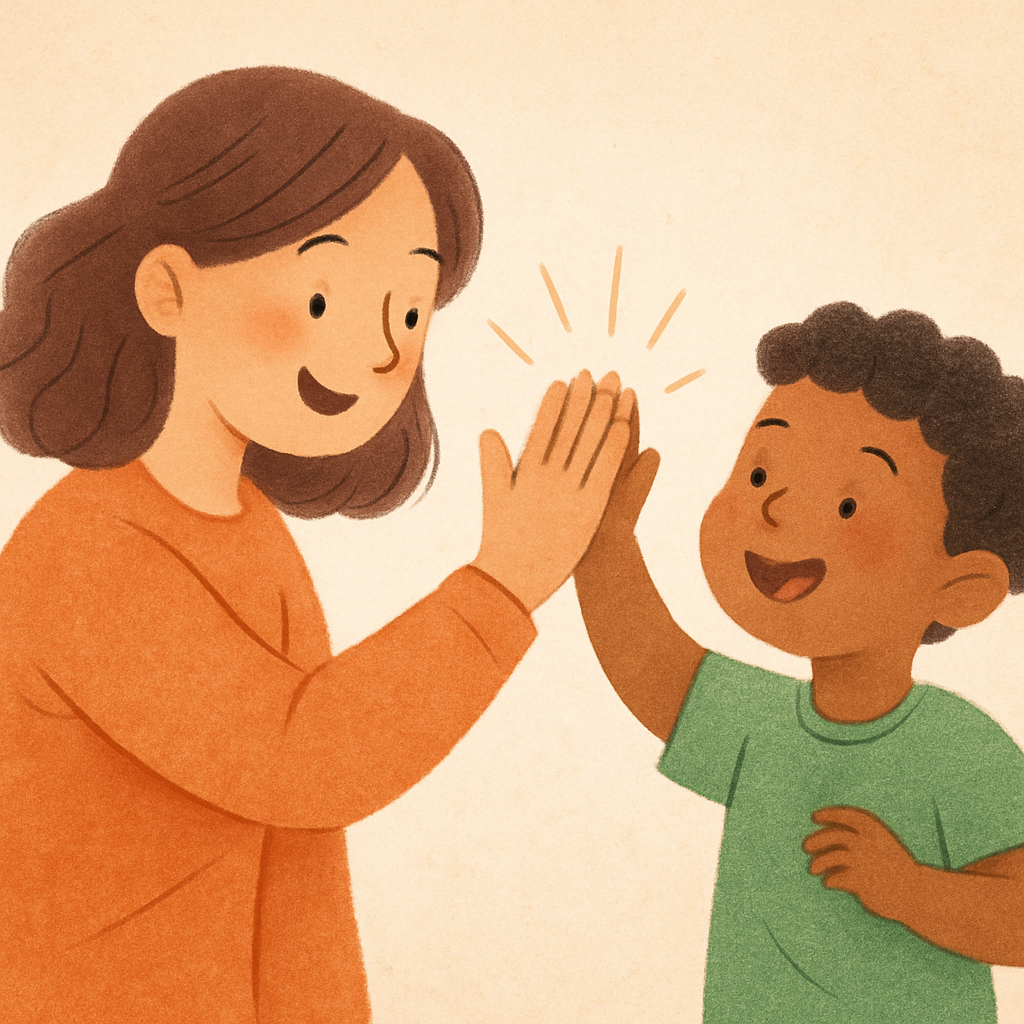
Seeing positive behaviour analysis support in action truly shows its power. It’s not just a theory; it’s a set of practical strategies tailored to an individual’s daily living. The process begins with a thorough functional assessment to understand the triggers and reasons behind specific behaviours.
From there, a collaborative team develops a behaviour support plan filled with proactive and constructive approaches. This plan becomes a roadmap for families, educators, and support workers to follow. The next sections will detail how these assessments are conducted and how effective plans are created.
Functional Assessment of Behaviours
A functional assessment is the critical first step in the PBS process. It is a form of behaviour analysis designed to uncover the underlying causes of a challenging behaviour. Instead of just looking at the action itself, this assessment investigates the function or purpose it serves for the individual, as it is a type of behaviour therapy. Is the person trying to escape a situation, gain attention, or communicate a need?
To find these answers, a PBS specialist gathers information through direct observation, interviews with family members, and reviewing data. This detective work helps identify patterns and triggers associated with the behaviour. The goal is to develop a clear hypothesis about why the behaviour is happening.
Understanding the "why" allows the team to develop targeted and effective strategies. The table below shows a simple way to track and understand behaviour, often called an A-B-C analysis.
|
Antecedent (What happens before?) |
Behaviour (What is the action?) |
Consequence (What happens after?) |
|---|---|---|
|
A difficult task is presented. |
The person refuses or becomes agitated. |
The task is removed. |
Developing Practical Support Plans
Once a functional assessment is complete, the next step is to create a behaviour support plan. This document is a personalized roadmap that outlines all the strategies and actions designed to support the individual. It is developed collaboratively with the person, their family, and their support team to ensure everyone is on the same page.
The plan is filled with proactive strategies, including cognitive behaviour therapy, to improve quality of life. It focuses on teaching practical skills to replace challenging behaviours and creating supportive environments where the individual can succeed. This may include modifying routines, providing better communication tools, or teaching coping mechanisms for stress.
Ultimately, a well-designed behaviour support plan empowers everyone involved. It provides clear, simple steps to follow, ensuring consistency across all settings. By focusing on prevention and skill-building, the plan helps improve long-term mental health and fosters greater independence.
Data Collection and Outcome Measurement
To know if a behaviour support plan is working, collect and measure data. Tracking progress shows whether strategies are leading to positive changes and helps the team stay accountable.
Effective data collection uses objective methods such as:
-
Direct observation in different settings
-
Tracking frequency, duration, or intensity of behaviour
-
Using checklists or rating scales for skill development
-
Reviewing incident reports to spot patterns
Analyzing this data reveals which strategies work and which need adjustment. A data-driven approach keeps the support plan effective and adaptable to the individual's needs over time.
Who Can Benefit from Positive Behaviour Support?
Positive behaviour support is a versatile approach that can help a wide range of people. It is particularly beneficial for individuals living with developmental disabilities and developmental delays, autism spectrum disorder, and various mental health conditions that may affect behaviour and communication. The focus is always on improving quality of life.
By teaching new skills and creating more supportive environments, PBS empowers people to navigate their world with greater confidence and independence, especially those facing anxiety disorders. The following sections explore how this approach is tailored to support children, adolescents, and adults in different settings.
Individuals with Social Behaviour Disorders
For people with social behaviour disorders, social interactions can cause significant stress and confusion. Conditions like social anxiety disorder, oppositional defiant disorder, or conduct disorder often make it hard to form relationships and engage in community life, affecting mental health.
Positive behaviour support (PBS) offers a constructive approach by focusing on strengths and teaching essential social skills—such as reading social cues, managing frustration, and expressing needs calmly.
PBS provides tools for better communication and emotional regulation, helping reduce isolation and anxiety. By making social interactions more predictable and rewarding, PBS boosts self-esteem and supports healthier relationships.
Children and Adolescents in Educational Settings
School can be challenging for many children and teens, especially those with mental disorders, as academic and social pressures sometimes disrupt learning. Positive behaviour support (PBS) creates a school-wide culture where every student feels safe, supported, and ready to learn.
PBS sets consistent expectations and proactively teaches social skills, helping students interact respectfully and resolve conflicts before issues arise. This leads to a more positive, predictable environment.
For those needing extra help, PBS offers individualized strategies to address anxiety and other challenges by teaching coping skills and alternative behaviours. The goal is to foster positive behaviour so all students can thrive academically and socially.
Adults in Community and Residential Services
Positive behaviour support is valuable for adults, especially those in community or residential services. Here, the focus is on promoting independence, choice, and quality of life. A personalized behaviour support plan is essential for achieving these outcomes.
These plans help adults develop daily living skills, such as budgeting, using public transportation, and building relationships. Support is tailored to each person’s goals and aspirations.
Consistent, person-centered support through PBS gives adults greater control over their lives. It builds competence, reduces stress, improves mental health, and increases opportunities for positive social engagement—empowering adults to live more independently and participate fully in their communities.
Examples of Positive Behaviour Support Techniques
So, what does positive behaviour support actually look like in practice? It’s a collection of proactive and constructive techniques grounded in behaviour analysis. These strategies are all designed to teach and encourage positive behaviour rather than simply reacting to challenges.
Common examples include teaching new skills to replace old ones, modifying the environment to prevent triggers, and using cognitive therapy and social skills training to build confidence. The following sections will provide a closer look at some of these powerful and effective behaviour support techniques.
Teaching New Skills through Behaviour Therapy
Building new skills through behaviour therapy is essential for enhancing an individual’s quality of life. By employing techniques such as cognitive restructuring, individuals can identify and challenge unhelpful thought patterns that inhibit their growth, including those associated with obsessive-compulsive disorder. This process not only aids in emotional regulation but also paves the way for positive behaviour change, making social interactions more successful.
Focusing on practical strategies within a supportive environment promotes learning new skills effectively for individuals facing mental health problems. Behavioural therapists often utilize direct observation to tailor interventions that enhance communication skills and social skills training. Through consistent reinforcement and applied behaviour analysis, individuals can overcome behavioural challenges and adapt to various social settings. Ultimately, the integration of these methods fosters a safe environment for personal development and stronger interpersonal relationships.
Modifying Environments for Success
Changing the environment is a simple, effective way to encourage positive behaviour. Adjusting surroundings can reduce triggers and set people up for success. Even small changes, like lowering noise, reducing clutter, providing visual schedules, creating a calm-down corner, or ensuring activities are engaging and appropriately challenging, can make a big difference.
Supportive environments should be calm, predictable, and suited to individual sensory needs. Proactively modifying the environment helps prevent challenging behaviours and reduces stress, creating space for positive growth.
Role-Playing and Social Skills Development

For many, social interactions and social situations can feel unpredictable and overwhelming. Role-playing is an effective technique for building social skills, allowing individuals to practice conversations, handle disagreements, or ask for help in a safe, controlled setting—without real-world pressure.
Rooted in social learning principles, this method often involves a therapist modeling a behaviour, such as joining a conversation. The individual then practices through role-play while receiving supportive feedback.
This structured approach builds competence and confidence. By rehearsing scenarios, people develop mental “scripts” that make real-life interactions less intimidating and turn abstract social rules into practical skills.
Implementing Positive Behaviour Support in Australian Educational Settings
In Australia, positive behaviour support is becoming an essential framework within educational settings. Schools are increasingly adopting this approach to create positive, safe, and productive learning environments for all students. The focus is on proactively teaching and reinforcing expected behaviours rather than just reacting to misbehaviour.
This whole-school approach to behaviour support helps improve student engagement and supports student mental health. The following sections will explore how schools integrate PBS and the importance of collaboration between educators, families, and health professionals.
How Schools Integrate PBS
Integrating PBS in schools requires a school-wide commitment to building a positive culture. It’s not just for certain students—it shapes the entire environment. The process begins with leadership and staff agreeing on a shared vision for behaviour support.
This vision is implemented through a multi-tiered system: universal strategies for all students, targeted support for some, and intensive plans for those who need them. Key steps include:
-
Clearly defining and teaching behavioural expectations (e.g., "Be Respectful, Be Responsible, Be Safe")
-
Recognizing and rewarding positive behaviour
-
Using data to guide decisions on interventions
-
Providing ongoing staff training and support
This consistent, proactive approach helps prevent behaviour issues and creates a predictable, supportive atmosphere essential for learning and mental health.
Collaboration Between Families, Educators, and Allied Health Professionals
Effective positive behaviour support requires strong collaboration among everyone involved in an individual's life. When families, educators, allied health professionals, and health services work as a team, they ensure consistency and shared goals across all environments.
Each member brings unique insights: families know the individual best, educators understand the learning context, and allied health professionals offer specialized expertise. Working together on a behaviour support plan leads to better outcomes.
Open, regular communication is essential for this teamwork. By sharing successes, addressing challenges, and making joint decisions, the team keeps the plan effective and relevant—creating a unified support system that helps the individual thrive.
NDIS Funding and Support for Positive Behaviour Support Plans
For many Australians with disabilities, the National Disability Insurance Scheme (NDIS) makes accessing Positive Behaviour Support (PBS) possible. NDIS funding covers assessments, behaviour support plan development, and training for families and support workers.
With this support, individuals can work with PBS practitioners to create personalized plans that address their unique needs. This funding often transforms lives by providing effective resources to manage challenging behaviours compassionately. Through PBS, the NDIS helps individuals build skills, participate in their communities, and improve mental health and well-being.
Conclusion
In conclusion, Positive Behaviour Support (PBS) is a transformative approach for individuals with social behaviour challenges. By focusing on proactive strategies, PBS addresses problematic behaviours while building skills and promoting engagement by identifying the underlying reasons for these behaviours. Implementing PBS in schools or communities creates supportive environments where individuals can thrive. Collaboration among families, educators, and health professionals is essential for success.
To learn more or get help developing a PBS plan, feel free to reach out for a consultation or call daar at 02 9133 2500 today!
Frequently Asked Questions
Who develops a positive behaviour support plan and how is it reviewed under the NDIS?
A behaviour support plan is developed by a qualified behaviour therapist or specialist in close collaboration with the individual and their family members. Under the NDIS, the plan is reviewed regularly to ensure it continues to meet the person’s needs, track progress, and support their ongoing mental health and mental illness quality of life goals.
.svg)




.svg)