
.png?width=48&height=48&name=Group%201%20(3).png)























28 January, 2026

Overcoming Stuttering: Strategies for Clear Speech
Introduction
Have you ever found yourself getting stuck on a word? For many people, this is a daily reality. Stuttering is a type of fluency disorder that interrupts the smooth flow of speech. This is one of the more common communication disorders, especially among young children who are just learning to talk. Addressing stuttering is crucial, as it can affect a person's confidence, social interactions, and overall mental health. Understanding this condition is the first step toward finding effective treatment options and strategies for clear communication.
Key Highlights
-
Stuttering is a speech disorder that disrupts the normal flow and rhythm of speech.
-
The main symptoms of stuttering include repeating sounds, holding sounds for a long time, and blocking or pausing mid-word.
-
This condition often begins in childhood, typically between two and six years of age. While many children outgrow it, speech therapy is the most effective treatment for those who don't. Several well-known people, including President Joe Biden and actor Emily Blunt, have openly discussed their experiences with stuttering and how speech therapy played a significant role in helping them manage the condition successfully.
-
While many children outgrow it, speech therapy is the most effective treatment for those who don't.
-
Support from a stuttering association and understanding the condition can greatly improve communication and confidence.
Common Symptoms and Early Signs of Stuttering
Recognizing stuttering symptoms early is important for getting help. It’s essential to distinguish stuttering from normal speech disfluencies, including typical disfluencies like using filler words ("um" or "uh"). Stuttering signs are more noticeable and disruptive.
In children, symptoms usually appear between ages two and six during early childhood. Common indicators include repeating word parts, stretching sounds, or having long pauses when speaking. These signs set stuttering apart from typical speech development. The next sections will detail these audible and physical symptoms.
Audible Disfluencies and Speech Delay
Stuttering is marked by speech interruptions called types of disfluencies, which are the most noticeable signs of this fluency disorder and can make communication difficult and frustrating.
Common disfluencies include:
-
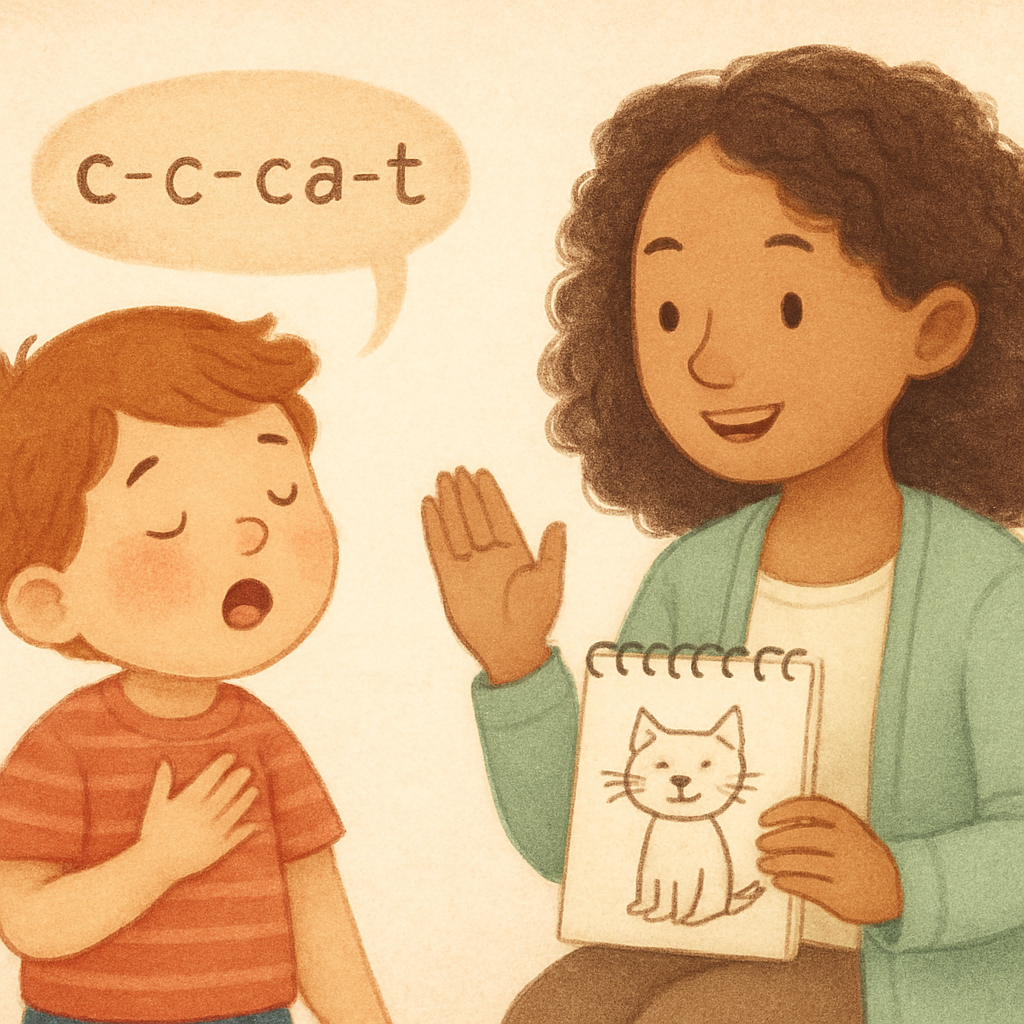
Part-word repetitions: Repeating parts of words, like “w-w-w-want.”
-
Prolongations: Stretching sounds, such as “Sssssam.”
-
Blocks: Sudden pauses with no sound, even when trying to speak.
Unlike delayed speech—which involves trouble learning words or forming sentences—stuttering affects speech flow. People who stutter know what they want to say but struggle to speak smoothly.
Behavioral and Physical Indicators in Children and Adults
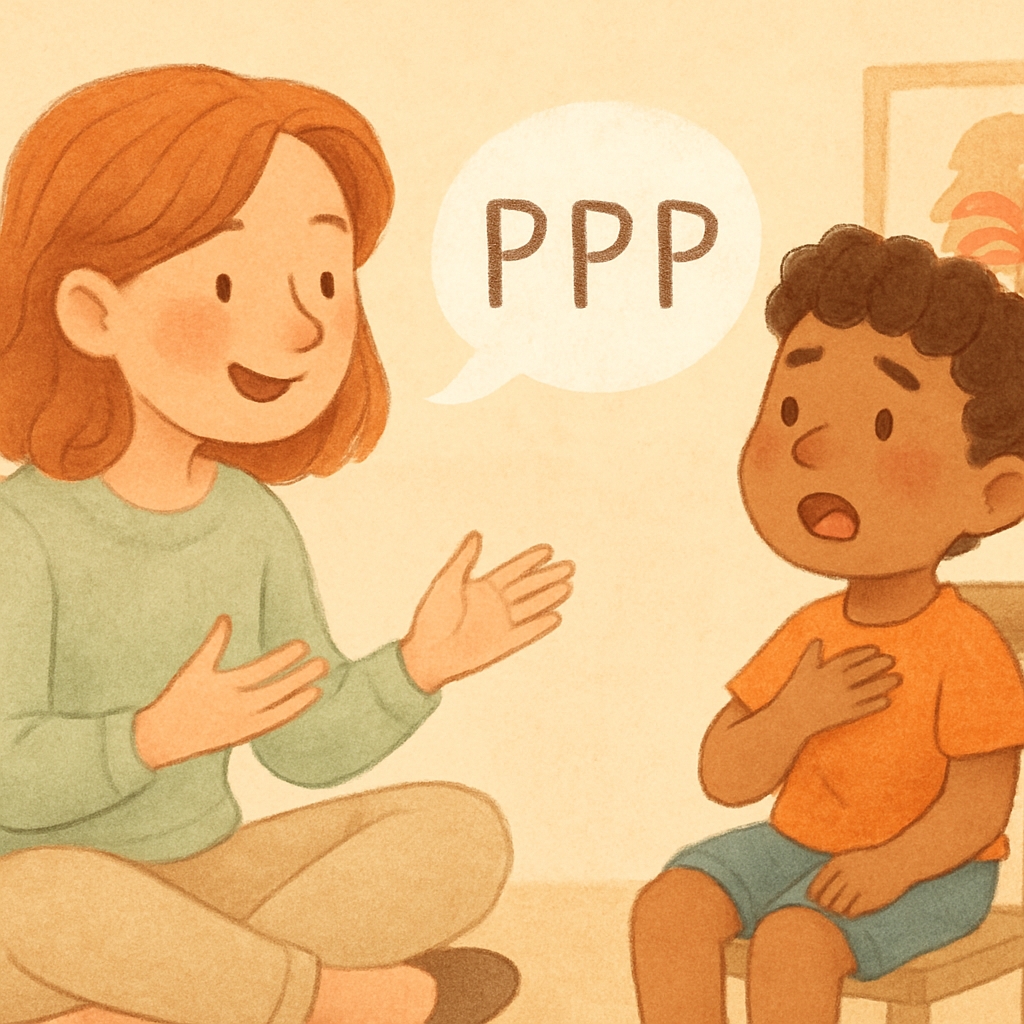
Stuttering involves more than speech; physical signs like rapid blinking, jaw tremors, or clenched fists often appear as someone tries to speak. These signs intensify with stress or anxiety.
External factors and emotions can worsen stuttering in both children and adults, especially if there's a family history.
|
Factor |
Description |
|---|---|
|
Personal Feelings |
Frustration, excitement, or nervousness can worsen stuttering. |
|
Situations |
Speaking on the phone or in crowds may increase stuttering. |
|
Actions of Others |
Interruptions or teasing can heighten anxiety and disfluency. |
Effective Strategies and Therapies for Clear Speech
Finding the right support is essential for managing stuttering. Speech therapy remains the main and best treatment for people of all ages. A licensed speech pathologist can evaluate your specific needs and create a personalized therapy plan to help you achieve your communication goals, ultimately minimizing the impact on your daily life.
There are several effective approaches a professional might use. These therapies focus on different aspects of speaking, from modifying speech patterns to reducing the anxiety associated with stuttering. In addition to professional help, connecting with local support groups can provide a sense of community and shared experience for young people. The following sections will cover some of these specific techniques and resources.
Fluency Shaping and Stuttering Modification Techniques
Speech therapy uses various methods, including positron emission tomography techniques, to manage stuttering, with fluency shaping and stuttering modification being the most common. The best approach often combines both to improve the quality of life.
Fluency shaping teaches new speaking patterns for smoother speech, such as:
-
Speaking more slowly
-
Controlling breathing
-
Stretching sounds gently
Stuttering modification doesn’t aim to eliminate stuttering but helps make it less tense and stressful, allowing people to stutter more easily and confidently. This therapy differs from those for cluttering, which involves rapid, disorganized speech filled with extra sounds like “um” or “ah,” unlike the blocks and repetitions of stuttering.
Role of Technology, Self-Help, and Professional Support
Beyond traditional therapy, various tools and support systems, including those for certificate holders, can help manage stuttering. Modern technology offers options like in-ear electronic devices that provide altered auditory feedback, helping some people speak more fluently.
At home, parents can support their child by:
-
Speaking slowly and calmly to model fluent speech, including attention to speech rate.
-
Listening attentively to what their child says, not how they say it
-
Avoiding interruptions or finishing sentences
-
Praising accomplishments unrelated to speech
Support groups, such as the Australian Speak Easy Association and similar organizations, let people who stutter connect, share experiences, and reduce feelings of isolation.
Conclusion
In summary, overcoming stuttering is a journey that requires patience, practice, and the right strategies. By being aware of the common symptoms and employing effective techniques—whether through professional help or self-guided methods—you can make significant strides toward clearer speech. Remember, every small victory counts on this path to fluency. Don't hesitate to reach out for support, as connecting with therapists or joining support groups can provide helpful resources and make a world of difference.
If you're ready to take the next step towards clearer communication, consider booking a consultation or call daar at 02 9133 2500 with our experts who can guide you on this transformative journey.
Frequently Asked Questions
Does stuttering go away on its own or is therapy always needed?
Many children go through normal periods of disfluency and recover on their own. However, early help from a speech pathologist is recommended for further help if stuttering lasts more than six months or if there are specific risk factors, like certain family recovery patterns. Therapy can prevent it from becoming a lifelong issue.
What’s the difference between stuttering and delayed speech?
Stuttering is a speech disorder that affects fluency, or the flow of speaking. Delayed speech, on the other hand, relates to a child’s language skills, such as using different words and forming sentences. A speech therapist can help the person face stuttering challenges and properly diagnose and treat both conditions based on a child's specific difficulties.
Can stuttering be a sign of another underlying condition?
While the exact cause of stuttering is often unknown, it can sometimes have other possible causes, including an ongoing stutter. Neurogenic stuttering can occur after a brain injury or stroke. In rare cases, psychogenic stuttering may be linked to emotional trauma. A professional can help determine if an underlying condition is contributing to speech difficulties.
What's it like having a stutter?
Having a stutter can be challenging, often leading to frustration and anxiety during conversations. Individuals may experience difficulty in fluent speech, which can affect social interactions and self-esteem. However, with the right strategies and support, many learn to manage their stuttering effectively, improving communication skills over time.
.svg)




.svg)