
.png?width=48&height=48&name=Group%201%20(3).png)























4 March, 2026

Break Free from Stuttering: A Guide to Fluency
Key Highlights
- Stuttering is a speech disorder that interrupts the natural flow of speech with repetitions, prolongations, or blocks.
- This fluency disorder can be developmental, starting in childhood, or acquired later in life due to a brain injury.
- The main symptoms include repeating sounds, holding onto sounds, and experiencing pauses while talking.
- Treatment options are available, with speech therapy being the most common and effective approach for managing stuttering.
- Support from organizations like the Stuttering Foundation and seeking professional help can significantly improve communication.
- While many children outgrow stuttering, it can be a lifelong condition for others, affecting about 1% of the adult population.
Introduction
Do you or someone you know struggle with stuttering? It's a common condition where you know exactly what you want to say but have trouble getting the words out smoothly. This can be frustrating and even impact your mental health. The good news is that help is available. From understanding the symptoms, like repeating sounds or words, to exploring ways to achieve more fluent speech, this guide is here to support you. With resources from the Stuttering Foundation and professional guidance, you can find your voice and communicate with confidence.
Understanding Stuttering and Speech Fluency
Stuttering is a specific type of fluency disorder that disrupts the rhythm and flow of speech. It's one of several communication disorders that can make talking a challenge. People who stutter may experience uncontrolled movements in the muscles used for speaking, which cause interruptions in their flow of speech.
Diagnosing this speech disorder typically involves a speech-language pathologist. They will assess your speech patterns, listen for key symptoms, and ask about your history to determine the nature of the issue. This professional assessment is a crucial first step toward finding the right support.
What Is Stuttering and How Common Is It in Australia?
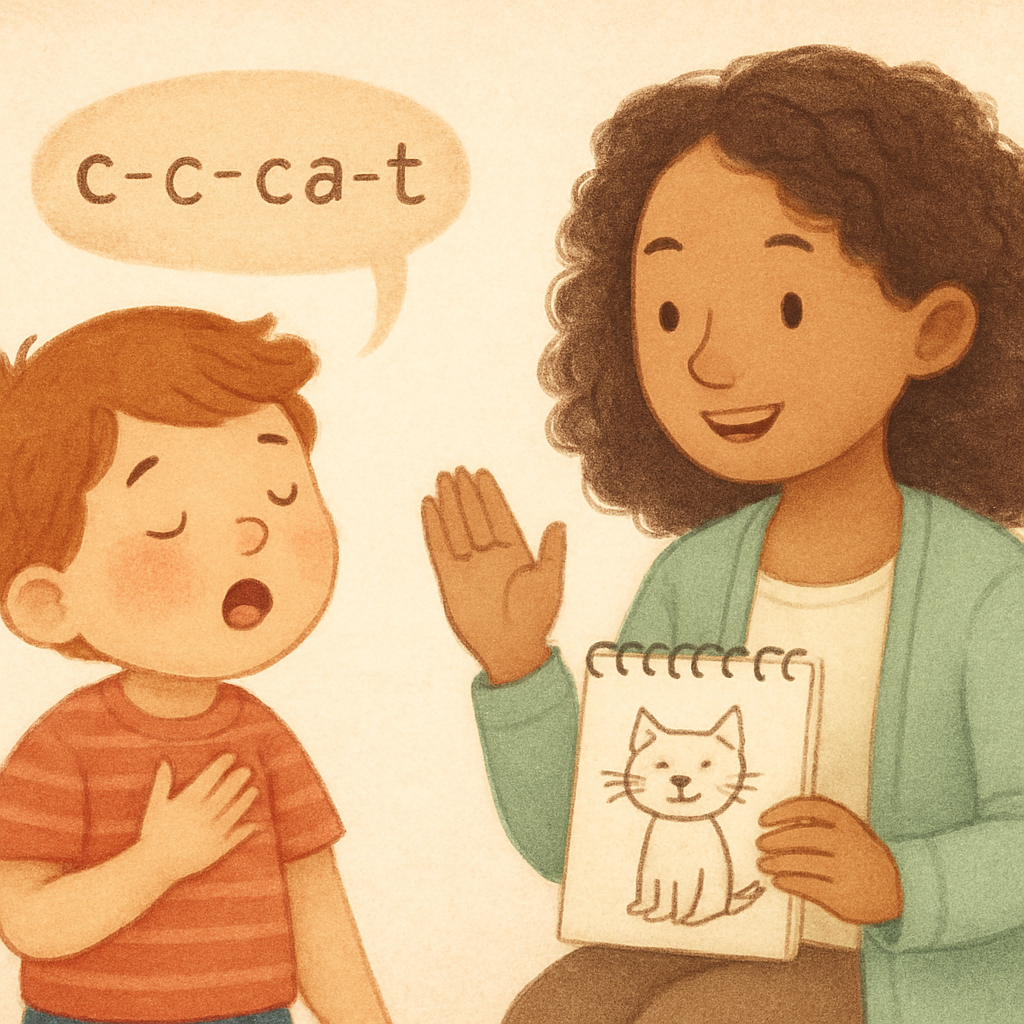
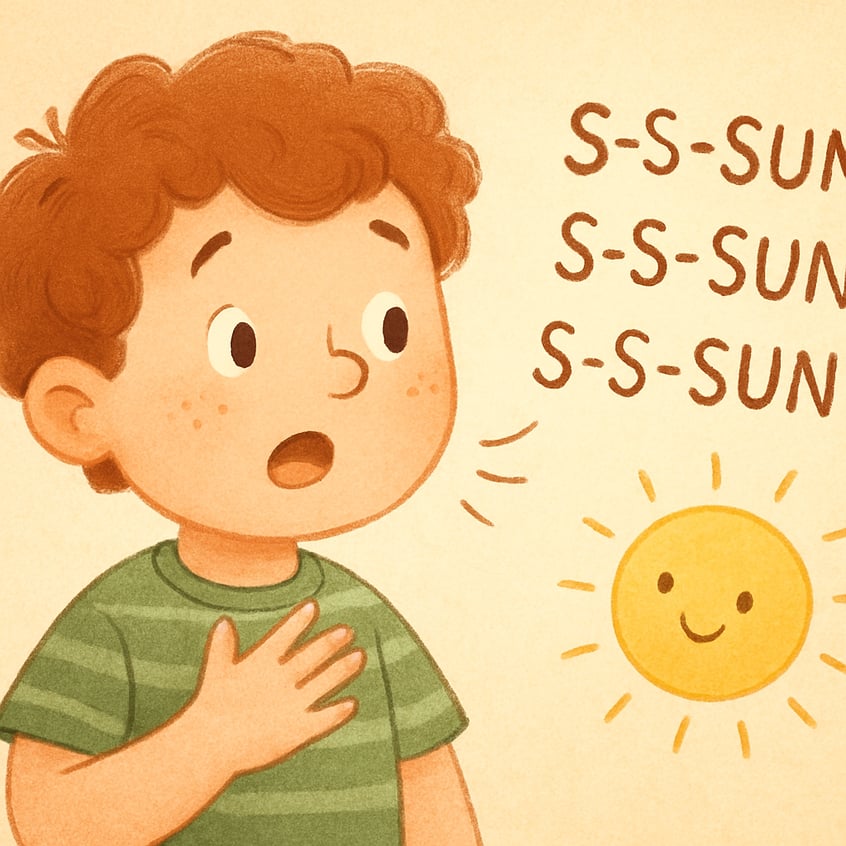
Stuttering is a speech disorder that disrupts smooth speaking. People who stutter know what they want to say but struggle to get the words out, often repeating sounds, prolonging them, or getting "stuck" before speaking.
In Australia, about 1 in 100 people stutter, usually starting between ages 2 and 6 as language develops. Many children outgrow it naturally, but for some, it continues into adulthood.
Stuttering can range from occasional to constant. According to the Stuttering Foundation, understanding the disorder is essential for effective management.
Difference Between Stuttering, Cluttering, and Other Speech Disorders
While stuttering is a well-known speech disorder, it's often confused with other communication issues like cluttering. Stuttering is characterized by interruptions in the flow of speech where the speaker knows what they want to say but can't. In contrast, cluttering involves a rapid or irregular speaking rate that can make speech difficult to understand.
Other language disorders can also affect communication, but they differ from stuttering. For instance, some disorders affect the ability to form words or sentences correctly, which is different from the disruptions seen in stuttering.
Here are a few key distinctions:
- Stuttering: Involves repetitions, prolongations, and blocks. The speaker is often aware of their disfluencies.
- Cluttering: Characterized by a fast, jerky speaking rate and collapsed or omitted syllables. The speaker may be unaware of the issue.
- Other Speech Disorders: May involve problems with articulation (making sounds) or voice (pitch and volume), rather than fluency.
Types of Stuttering and Related Speech Conditions
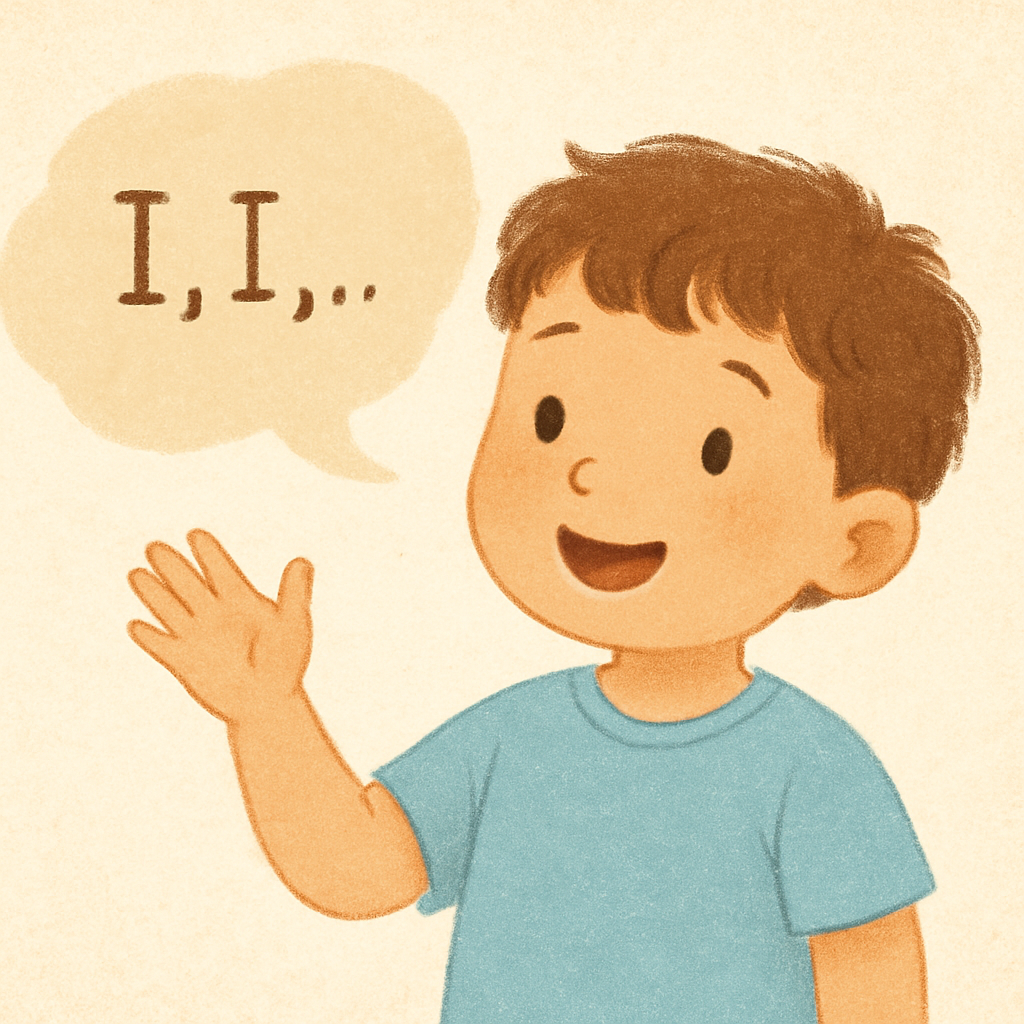
Did you know that not all stuttering is the same? The type of stuttering a person experiencexperiences often depends on its cause and when it started. The most common form is developmental stuttering, which appears in young children as they learn to talk.
Other forms can emerge later in life. Neurogenic stuttering, for example, can result from a brain injury, while psychogenic stuttering is much rarer and linked to emotional trauma. Understanding the specific type of stuttering is essential for finding the most effective way to manage it.
Developmental Versus Acquired Stuttering
The most common type of stuttering is developmental stuttering. This form appears in young children while they are mastering speech and language. For most, it's a temporary phase, but for some, it can persist.
On the other hand, acquired stuttering develops after an illness or injury. Neurogenic stuttering is a form of acquired stuttering that can happen after a stroke, head trauma, or another type of brain injury. It occurs when the brain has difficulty coordinating the different regions involved in speech. Psychogenic stuttering is also acquired but is very rare and stems from emotional trauma.
Here’s a simple breakdown of the differences:
|
Feature |
Developmental Stuttering |
Acquired Stuttering |
|---|---|---|
|
Onset |
Occurs in young children (usually ages 2-6) while learning to speak. |
Occurs later in life due to events like a brain injury or stroke. |
|
Cause |
Believed to be a mix of genetic and neurological factors. |
Caused by neurological events (neurogenic) or emotional trauma (psychogenic). |
|
Prevalence |
Most common form of stuttering. |
Less common; neurogenic is more frequent than psychogenic. |
How Stuttering Differs from Cluttering, Dysarthria, and Apraxia of Speech
Stuttering is a fluency-based speech disorder, but it's important to distinguish it from other conditions that affect communication skills. Cluttering, dysarthria, and apraxia of speech can all impact how a person talks, but they have different underlying causes and symptoms.
Cluttering involves speech that is too fast, irregular, or jumbled, often making it hard for others to understand. Dysarthria is caused by muscle weakness, leading to slurred or imprecise speech. Apraxia of speech is a motor planning issue, where the brain struggles to send the correct signals to the speech muscles. These are distinct from the repetitions and blocks of stuttering.
Here’s how they compare:
- Stuttering: Interruptions in speech flow (repetitions, blocks).
- Cluttering: Rapid, disorganized speech rate.
- Dysarthria: Slurred or slow speech due to muscle weakness.
- Apraxia of Speech: Inconsistent speech sound errors due to motor planning problems.
Causes and Triggers of Stuttering
Experts believe that stuttering doesn't have a single cause. Instead, it likely results from a combination of factors. A family history of stuttering suggests a genetic link, as you are more likely to stutter if a close relative does. Neurological differences in the brain also play a significant role.
Environmental factors, emotional states, and even a brain injury can contribute to or trigger stuttering. Stress and anxiety can often make symptoms worse, highlighting a connection to mental health. A speech pathologist can help identify these triggers and develop strategies to manage them.
Genetic, Neurological, and Environmental Factors
Genetics strongly influence developmental stuttering. If you have a family history, your risk of stuttering triples. Researchers have linked specific gene mutations to stuttering and its persistence.
Brain imaging shows differences in the speech-related brain areas of people who stutter. Acquired stuttering can result directly from brain injuries like strokes or head trauma; the nature of the injury affects whether stuttering is temporary or permanent.
While genetics and neurology are major factors, environment also plays a role. A relaxed home can promote fluent speech in children, while high-pressure situations may worsen stuttering.
Emotional and Social Influences on Stuttering
Stuttering is more than just a speech issue; it can have significant emotional and social impacts. The frustration and embarrassment associated with stuttering can lead to negative feelings and affect mental health. These challenges can interfere with daily life, from participating in class to social interactions.
For children, stuttering can damage their confidence, especially if they are teased or bullied. In adults, it can influence career choices and job performance. The anxiety of speaking in certain situations, like giving a presentation or talking on the phone, can make symptoms worse, creating a difficult cycle.
Here's how stuttering can influence a person's life:
- Can lead to social anxiety and avoidance of speaking situations.
- May impact a child’s confidence and school participation.
- Affects relationships and job performance in adults.
- Feelings of stress and excitement can worsen stuttering.
Treatment Options for Stuttering
When it comes to managing stuttering, there is no one-size-fits-all solution, but many effective treatment options are available. The best treatment often depends on your age, the severity of the stutter, and your personal goals. Speech therapy with a qualified speech pathologist is the most common and widely recommended approach.
Beyond traditional therapy, other avenues of support include support groups, which provide a community for sharing experiences and strategies. Some people also explore electronic devices designed to improve fluency. Consulting with a professional or a stuttering research centre can help you find the right path.
Evidence-Based Therapies and Interventions
Speech therapy is the cornerstone of stuttering treatment. A speech therapist or another qualified health professional can design a program to help manage speech disruptions. For young children, early intervention is often focused on programs that help them stop stuttering and speak more fluently.
For teens and adults, therapy often focuses on learning techniques to minimize stuttering and reduce the anxiety associated with speaking. These strategies can involve controlling breathing, speaking more slowly, and building confidence in various communication situations.
Here are some common evidence-based treatment options:
- Direct Speech Therapy: Working with a speech therapist on fluency-shaping techniques.
- Parent-Led Programs: Parents learn strategies to support their young child's fluent speech at home.
- Cognitive Behavioral Therapy (CBT): Helps address the anxiety and negative feelings associated with stuttering.
- Electronic Fluency Devices: Some devices provide altered auditory feedback to reduce stuttering.
Self-Help Tips and Daily Conversation Strategies
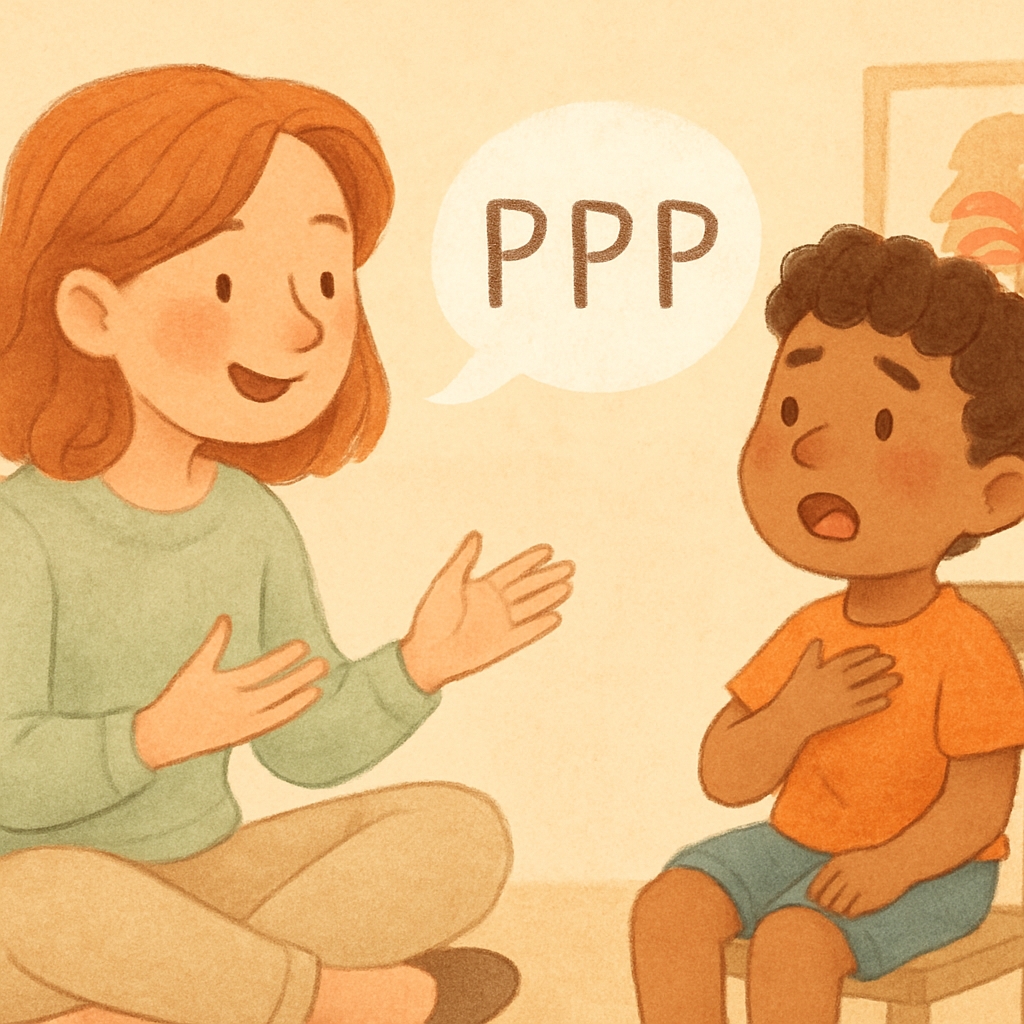
You can use many practical strategies in your daily life to manage stuttering. One simple tip is to speak more slowly and deliberately. Taking a moment to pause and breathe can help regulate the flow of your speech and reduce the pressure to rush.
Practicing these techniques can build confidence. For instance, try starting with short sentences and gradually moving to more complex ones. Maintaining eye contact can also signal confidence, even if you stutter. A speech therapist can provide personalized strategies tailored to your needs.
Here are some self-help tips for daily conversations:
- Slow Down: Permit yourself to speak at a relaxed pace.
- Don't Avoid Words: Try not to switch words out of fear of stuttering. Facing the challenge can build confidence.
- Practice in Low-Stress Situations: Rehearse speaking with a trusted friend, family member, or even a pet.
- Focus on Communication: Remember that the goal is to share your message, not to achieve perfect fluency.
Conclusion
In conclusion, overcoming stuttering is a journey that requires understanding speech fluency and exploring treatment options. Stuttering varies by individual and is shaped by genetic and environmental factors. Evidence-based therapies and self-help strategies can lead to significant progress. You’re not alone—support and resources are available.
Take the next step toward better communication by scheduling a consultation or call daar at 02 9133 2500 with our speech professionals today.
Frequently Asked Questions
Can Stuttering Go Away Without Treatment?
In early childhood, many children recover from stuttering without any intervention. However, it can become a lifelong condition for others. A health professional can review a child's case history to predict the likelihood of recovery. For adults or persistent cases, treatment is often necessary to manage the symptoms effectively.
Is Stuttering Different from Nervousness or Anxiety?
Yes, stuttering is a fluency disorder, not just a symptom of anxiety. While negative feelings like nervousness can make the symptoms of stuttering worse, they don't cause it. Stuttering has neurological and genetic roots, but its impact on mental health and communication skills is an important part of the experience.
At What Age Should Parents Seek Help for Speech Delay?
If you notice your child's speech is stuttering for 3 to 6 months, it's a good idea to consult a professional. Speech Pathology Australia recommends seeking an evaluation for younger children, especially between 2 and 4 years of age, to determine if early intervention is needed for the child's speech.
.svg)




.svg)