
.png?width=48&height=48&name=Group%201%20(3).png)























24 April, 2026

Speech Therapy for Stuttering: Tips from Leading SLPs
Key Highlights
- Stuttering is a real speech disorder that disrupts the natural flow of speech and can impact daily life if not addressed. Speech-language pathologists use evidence-based speech therapy to help children and adults achieve more fluent speech. During a typical speech therapy session for stuttering, you can expect individualized exercises focusing on breathing, rate control, and techniques to improve the flow of speech. These sessions often include practicing real-life speaking situations and strategies to build confidence using fluent speech in daily life.
- Speech-language pathologists use evidence-based speech therapy to help children and adults achieve more fluent speech.
- Common causes include neurological and genetic factors, but stuttering is not caused by low intelligence or poor parenting.
- Various techniques, including fluency shaping and stuttering modification, can significantly improve communication.
- Early intervention and support from family, friends, and support groups play a crucial role in successful outcomes.
- Joining a stuttering association can provide valuable resources and connections with others who share similar experiences.
Introduction
Stuttering, also known as stammering, is a speech disorder that many people are familiar with but might not fully understand. It can create significant communication challenges, affecting relationships, career opportunities, and mental health. Fortunately, speech therapy offers effective, evidence-based methods to help people who stutter communicate more confidently and fluently. With guidance from a speech pathologist and support from resources like a stuttering association, you can learn to manage stuttering and improve your quality of life.
Understanding Stuttering: Key Facts and Causes
Stuttering is a speech disorder that disrupts the flow and rhythm of speaking. People who stutter know what they want to say but struggle to express it smoothly, which can cause communication problems and impact mental health. It usually begins in children ages 2 to 5 and sometimes resolves naturally.
The exact cause is unclear, but research suggests neurological differences and genetics are key factors, with stuttering often running in families. Stress or anxiety doesn't cause stuttering but can make it more noticeable. Here are the main symptoms and risk factors.
Common Symptoms and Risk Factors of Stuttering
Recognizing this speech disorder starts with identifying its symptoms, which disrupt speech flow and can vary by person or situation. High-pressure environments often increase stuttering and may lead to social anxiety.
Key symptoms include:
- Repetitions: Repeating sounds, syllables, or words (e.g., "b-b-ball," "and-and-and").
- Prolongations: Stretching sounds (e.g., "ssssssstop").
- Blocks: Pausing or feeling stuck before speaking.
- Secondary behaviors: Physical actions like eye blinking or facial grimacing.
Risk factors include being male—boys are three to four times more likely to stutter—and developmental conditions like ADHD or autism. While family stress doesn’t cause stuttering, it can worsen symptoms.
When to Seek Speech Therapy for Stuttering
Knowing when to seek professional help for stuttering is crucial, especially for young children. Early intervention leads to better outcomes, as therapy is most effective when started early. A speech pathologist can assess your child and create a personalized treatment plan.
Parents should consider speech therapy if:
- Stuttering has lasted more than six months.
- Your child shows physical tension or frustration while speaking.
- They avoid speaking situations or seem anxious about talking.
Teens and adults can also benefit from seeing a speech pathologist. If stuttering impacts your social life, work, or causes significant anxiety, professional support can provide effective strategies to improve your communication and confidence.
How Speech-Language Pathologists Diagnose Stuttering
Speech-language pathologists (SLPs) are trained to diagnose and treat stuttering through a comprehensive process. They ask about family history and observed symptoms, and conduct evaluations to distinguish stuttering from typical speech disfluencies.
Assessments include formal and informal tasks, such as listening to speech in different situations and analyzing recordings. This thorough approach ensures an accurate diagnosis, which guides effective therapy planning. Next, we’ll cover the specific tools used in these assessments.
Assessment Tools Used by SLPs in Australia
To ensure an accurate diagnosis, speech-language pathologists in Australia utilize a variety of specialized assessment tools. These tools help them measure the frequency and severity of stuttering and understand its impact on an individual's life. The assessment typically involves gathering a detailed case history, observing speech in different contexts, and using standardized tests to measure speech fluency.
The choice of assessment tools often depends on the individual's age and specific concerns. SLPs aim to get a complete picture of the person's communication abilities, not just their stutter. This holistic approach helps in creating a personalized and effective therapy plan. Below is a table outlining the common components of a stuttering assessment.
|
Assessment Component |
Purpose |
|---|---|
|
Case History Interview |
To gather information on developmental, medical, and family history of stuttering. |
|
Speech Sampling |
To analyze the types and frequency of disfluencies in conversational speech and reading. |
|
Standardized Tests |
To measure the severity of stuttering against normative data (e.g., Stuttering Severity Instrument). |
|
Self-Report Questionnaires |
To understand the emotional and psychological impact of stuttering on the individual. |
By using these tools, speech-language pathologists can thoroughly evaluate the stutter and determine the best course of action. This comprehensive evaluation is a critical first step toward improving speech fluency and communication confidence.
Differentiating Stuttering in Children vs Adults
Stuttering appears differently in children and adults. In young children, it usually begins between ages two and five during rapid language development. Many recover naturally, but for some, stuttering persists.
Children typically show simple repetitions of sounds or syllables and may be less aware of their stutter. Adults often display more complex patterns like blocks and avoidance behaviors, along with greater social anxiety.
Recognizing these differences is essential for effective therapy. Early intervention works well for children, while adult therapy focuses on managing both speech and emotional impacts. Each approach is tailored to the specific needs of the age group.
Core Speech Therapy Techniques for Stuttering
When it comes to the best treatment for stuttering, speech therapy offers a variety of proven techniques. These methods are designed to help you gain control over your speech, improve fluency, and build communication confidence. A speech therapist will work with you to find the strategies that best suit your individual needs and goals, ensuring a personalized approach to achieving fluent speech.
The core of these therapy services involves two main approaches: fluency shaping and stuttering modification. Both aim to reduce stuttering and make speaking easier, but they do so in different ways. Support groups can also be a valuable part of the process, providing a space to practice new skills and connect with others. Let's examine these two key techniques more closely.
Fluency Shaping Strategies Explained
Fluency shaping uses techniques to help you speak more smoothly by changing your speech patterns and preventing stuttering before it starts.
These strategies focus on how you start words and control your speaking rate. Practicing them can improve fluency and reduce tension. Common techniques include:
- Slow Speech: Speaking at a slower pace for better control.
- Gentle Onsets: Softly starting words, especially those beginning with vowels, to avoid tense beginnings.
- Light Contact: Using minimal pressure on consonants to lower physical tension.
Unlike stuttering modification, which manages stuttering as it occurs, fluency shaping teaches a new, more fluent way of speaking. Therapists may also use tools like delayed auditory feedback to help monitor and refine your speech.
Stuttering Modification Techniques: An Overview
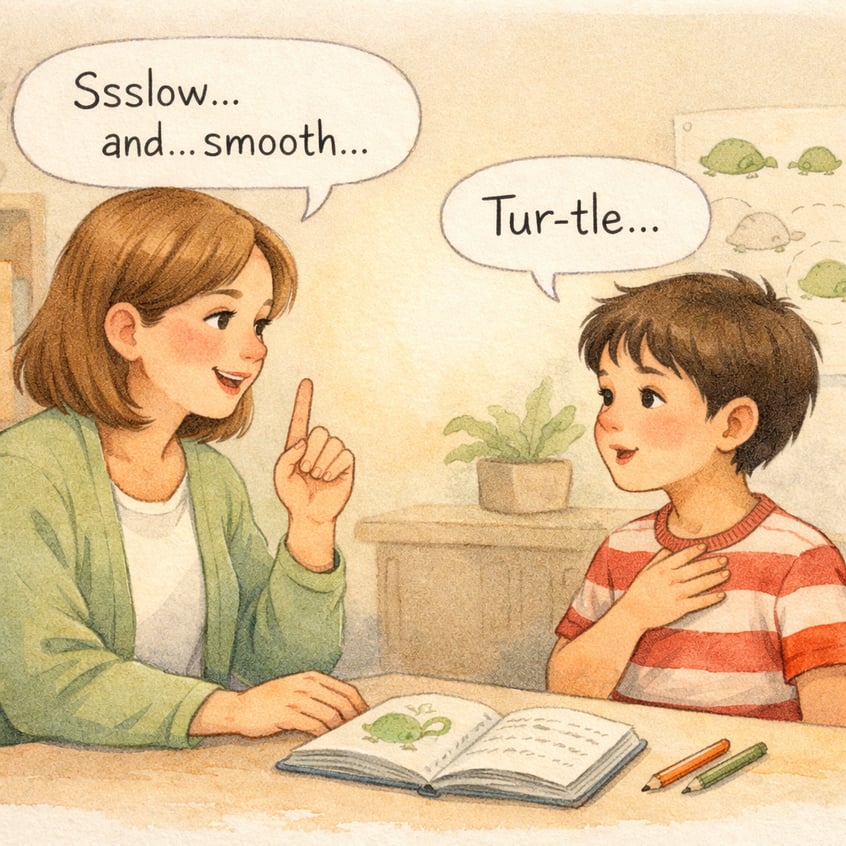
Stuttering modification techniques focus on managing stuttering rather than avoiding it. This approach teaches you to control stutters as they happen, aiming to reduce tension, fear, and anxiety around speaking.
Key techniques include:
- Cancellation: After a stutter, pause, identify the tension, and repeat the word more smoothly.
- Pull-Outs: While stuttering, consciously relax and finish the word with control.
- Voluntary Stuttering: Intentionally stutter on certain words to reduce fear and desensitize yourself.
Unlike fluency shaping, which aims to prevent stutters, stuttering modification helps you handle them directly. It encourages slower speech and less tension, giving you greater control over your speech.
Conclusion
In conclusion, addressing stuttering through speech therapy can significantly enhance communication skills and overall confidence. By understanding the nuances of stuttering and employing effective techniques such as fluency shaping and modification strategies, individuals can make remarkable progress. It's crucial to remember that each journey is unique, and early intervention can play a vital role in achieving successful outcomes, especially for children.
If you’re looking for tailored advice or support, consider booking a consultation or call daar at 02 9133 2500 with a specialist in speech therapy to explore the best options for your needs.
Frequently Asked Questions
Are there home exercises to help manage a stutter?
Yes, several home exercises can support your speech therapy. Techniques like diaphragmatic breathing and progressive muscle relaxation can help reduce physical tension. Practicing strategies learned in therapy and using positive reinforcement to celebrate fluent speech can also make a big difference in managing your stutter at home.
Is early intervention important for children who stutter?
Absolutely. Early intervention for young children who stutter is crucial for achieving better outcomes. Research shows that early therapy with a speech pathologist significantly increases the chances of recovery. Addressing stuttering in the preschool years can prevent it from becoming a long-term issue and minimize its impact on a child's social and emotional development.
What can parents do to support a child during therapy?
Family support is vital. Parents can create a supportive environment by listening patiently and not interrupting. Provide positive reinforcement for your child's communication efforts, not just their fluency. Your involvement in speech therapy and your ability to create a safe space for your child to practice will greatly enhance their progress.
.svg)




.svg)