
.png?width=48&height=48&name=Group%201%20(3).png)
























28 January, 2026

Understanding Cluttering: A Guide to Speech Disorders

Introduction
Have you ever struggled to follow someone's speech because they talk too fast or seem to jumble their words? This could be a sign of a fluency disorder. Understanding different types of speech disorders is the first step toward finding support and improving communication. Communication difficulties can be challenging, but with the right knowledge, you can navigate them effectively. This guide will explore a specific condition known as cluttering, helping you understand its characteristics, diagnosis, and treatment.
Key Highlights
Here are the key takeaways from our guide on cluttering:
-
is a fluency disorder characterized by a rapid or irregular rate of speech, making it sound disorganized.
-
Key cluttering symptoms include excessive disfluencies, collapsing or omitting syllables, and a lack of awareness of the speech issue.
-
It is different from stuttering, though both are fluency disorders; cluttering involves a fast rate of speech, while stuttering involves blocks and repetitions.
-
Diagnosis requires a speech-language pathologist to differentiate it from other conditions, including a potential learning disability.
-
Effective speech therapy can significantly improve communication by focusing on speech rate, self-monitoring, and clear articulation.
What is Cluttering?
Cluttering is a complex fluency disorder that affects the clarity and rate of speech. People who clutter often speak at a rate that is too fast, too irregular, or both, leading to a communication breakdown. Their speech may sound rushed, disorganized, and difficult for listeners to understand.
Unlike other speech issues, a person with cluttering may not be aware of their cluttering symptoms. This lack of awareness can make diagnosis and treatment more challenging. We will now look closer at how cluttering is defined, how it differs from stuttering, and where it fits within the spectrum of fluency disorders—similar to research by Ward and Scaler Scott.
Defining Cluttering as a Speech Disorder
Cluttering is a speech disorder that disrupts the fluency and clarity of speech. It mainly involves an inability to maintain a steady, normal speaking rate, leading to hurried or jerky speech that’s hard to follow.
Symptoms include excessively fast or uneven speech, dropping or merging syllables (like saying "probly" for "probably"), and frequent disfluencies such as interjections ("um," "like") and revisions. These issues make speech sound unclear and disorganized.
A key feature of cluttering is that speakers are often unaware their speech is difficult to understand until it’s pointed out. This lack of awareness regarding speech intelligibility sets cluttering apart from other speech disorders and affects how it’s treated.
Cluttering and Its Distinction from Stuttering
While both cluttering and stuttering are fluency disorders, they differ significantly. Accurate diagnosis ensures effective treatment.
Stuttering is marked by difficulty physically producing words, despite clear thoughts. Cluttering involves rapid, disorganized speech and unclear thinking before speaking. People who stutter are usually aware of their speech issues; those who clutter often are not.
Key differences:
-
Rate of Speech: Cluttering features rapid or irregular pace; stuttering does not.
-
Awareness: Stutterers are highly aware; individuals who clutter typically lack awareness.
-
Speech Errors: Cluttering causes collapsed words and frequent revisions; stuttering leads to repetitions, prolongations, and blocks.
How Cluttering Fits into the Spectrum of Fluency Disorders
Cluttering is a fluency disorder, like stuttering, that disrupts the normal flow of speech. While stuttering involves blocks and repetitions, cluttering is marked by rapid, disorganized speech.
Some individuals experience both disorders—known as mixed cluttering-stuttering—showing signs of both rapid, jumbled speech and tense blocks or repetitions. This overlap complicates diagnosis and treatment, requiring therapists to address symptoms from both conditions.
Identifying the dominant issue—speech rate and organization (cluttering), physical production (stuttering), or both—helps speech-language pathologists create effective, targeted therapy plans.
Key Features and Symptoms of Cluttering
The main signs of cluttering revolve around a disrupted flow of speech. The most noticeable feature is an unusually fast or irregular speech rate, which makes the person's talking sound rushed and messy. This rapid pace often leads to various speech disfluencies, such as using excessive filler words or frequently revising sentences midway through.
These cluttering symptoms can significantly impact a listener's ability to comprehend what is being said. To help you better identify this condition, we will explore the specific speech characteristics, the disorganized thought patterns that often accompany it, and any physical signs that may appear during speech.
Common Speech Characteristics in Cluttering
The main sign of this speech disorder is an irregular, jerky speech pattern—not just fast talking. People with cluttering often speak in sudden bursts, making their rhythm unpredictable and hard to follow. This rapid rate can cause speech sounds to become distorted, with words running together, syllables or endings omitted, and speech sounding mumbled or unintelligible.
Common features of cluttering include:
-
Frequent "normal" disfluencies (e.g., "um," "uh," "you know")
-
Omitted syllables or word endings
-
Monotonous or unusual intonation
-
Pauses in unnatural places
Disorganized Language and Thought Patterns
Cluttering involves disorganized speech and thought patterns, making it hard to form coherent narratives. People may jump between topics, restart sentences, or use confusing language—often described as "mazes" in their speech.
This disorganization is sometimes linked to learning disabilities or ADHD, which affect planning and organizing thoughts. Improving speech fluency often requires addressing these underlying issues, not just slowing down speech.
Difficulty expressing oneself can lead to anxiety or reluctance to speak. Therapy often includes strategies for planning and structuring thoughts before speaking.
Physical Manifestations During Speech
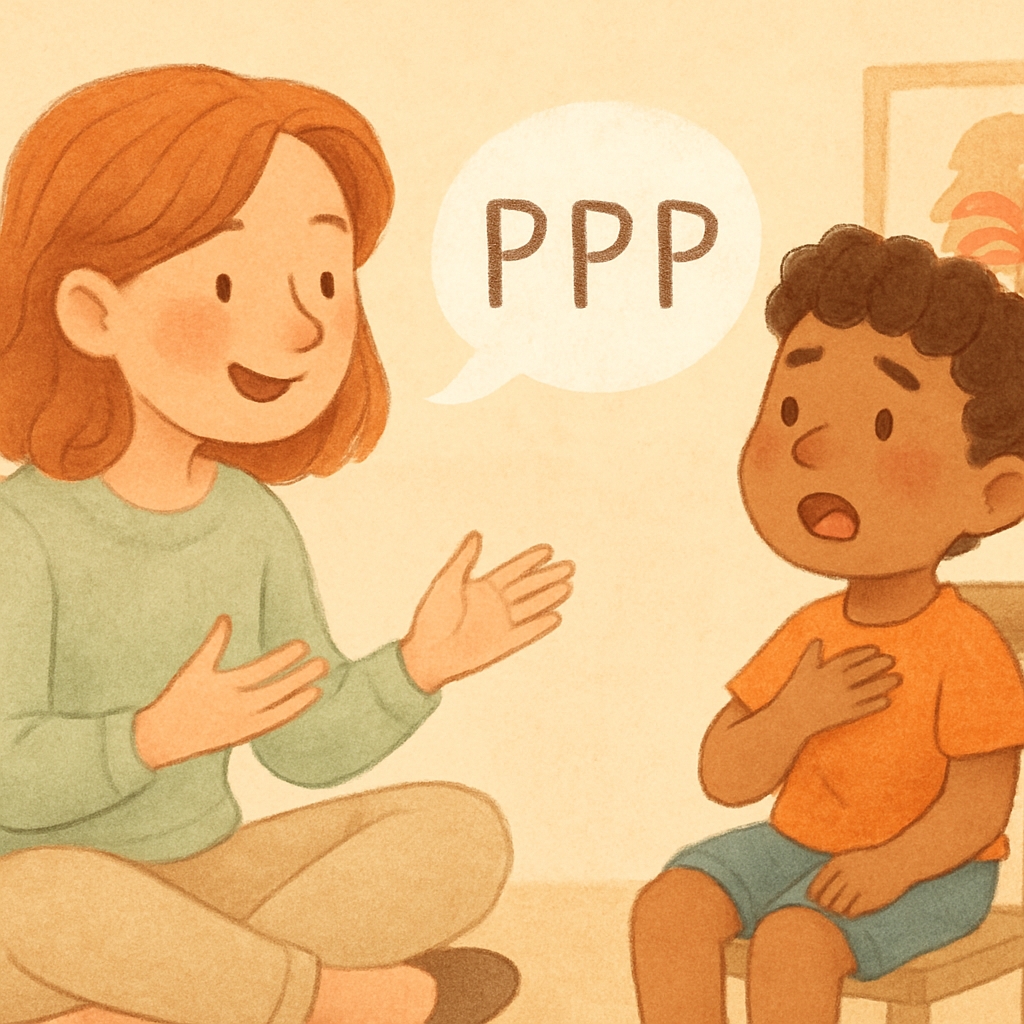
Unlike stuttering, which often involves visible tension in the face and neck, cluttering usually does not. Instead, its main physical feature is a rapid, uncoordinated rate of speech. The lips, tongue, and jaw move too quickly and out of sync, resulting in unclear, choppy speech.
There may be no obvious signs of struggle, but the speech process is inefficient and disorganized. This poor coordination causes syllables to drop and words to blend—speed takes priority over clarity.
Some people who clutter may also appear restless or fidgety due to conditions like ADHD, but these are not direct symptoms of cluttering. The primary physical sign remains the fast and chaotic movement of the articulators during speech.
Understanding Stuttering: An Overview
Stuttering is another type of fluency disorder, as noted in the Journal of Fluency Disorders, but its characteristics are distinctly different from cluttering. It is often what people think of first when they hear the term "speech impediment." A stuttering disorder is primarily defined by specific types of speech disfluencies where the speaker struggles to move forward in their speech.
Unlike the rapid rate of speech seen in cluttering, stuttering involves interruptions that stop the flow of talking. To better understand the differences, we will explore the core symptoms of stuttering, compare them directly to cluttering, and discuss why telling them apart is so vital for effective treatment.
Definition and Core Symptoms of Stuttering
Stuttering, or stammering, is a speech fluency disorder marked by disruptions such as sound repetitions ("p-p-p-paper"), prolongations ("ssssssun"), and blocks (silent pauses). People who stutter know what they want to say but struggle to express it, often with visible tension.
These "stuttering-like" disfluencies differ from normal hesitations or filler words. Many individuals become self-conscious about their speech and may avoid certain words or situations. Speech therapy can help manage symptoms, reduce tension, and improve communication confidence.
Stuttering Versus Cluttering—Similarities and Differences
Although both are classified as a type of speech disorder affecting fluency, the differences between a stuttering disorder and cluttering symptoms are significant. The primary similarity is that both interrupt the smooth, forward flow of speech. However, the nature of this interruption is where they diverge, making a differential diagnosis crucial.
Cluttering is a rate and clarity problem, where speech is too fast and disorganized. Stuttering is a production problem, where speech is blocked or repeated. A person who clutters may sound like they are rushing and jumbling their words together. In contrast, a person who stutters sounds like they are stuck and struggling to get their words out.
Understanding these distinctions is key for effective intervention. Here is a simple breakdown:
|
Feature |
Cluttering |
Stuttering |
|---|---|---|
|
Primary Issue |
Rate and organization |
Pauses and repetitions |
|
Speaker's Awareness |
Often low or absent |
Typically high |
|
Speech Rate |
Rapid and/or irregular |
Can be normal or slow |
|
Typical Disfluencies |
Revisions, filler words, collapsed words |
Repetitions, prolongations, blocks |
|
Language Organization |
Often disorganized |
Usually organized |
Why Differentiating Matters for Diagnosis and Treatment
Accurately distinguishing between cluttering and stuttering is crucial, as each requires a different treatment approach. Misdiagnosis can lead to ineffective or even harmful therapy. While both may benefit from slowing speech, their therapy goals differ.
Cluttering therapy focuses on raising awareness, organizing thoughts, and controlling speech rate for greater clarity. It may also address related learning disabilities affecting language organization.
Stuttering therapy targets reducing physical tension, managing stuttering moments with techniques like "easy onset," and addressing negative emotions or avoidance behaviors. Since causes and experiences differ, so must interventions. A precise diagnosis ensures the right treatment from the start.
Other Related Speech Disorders
Cluttering and stuttering are not the only conditions that affect how we speak. The world of speech disorders is broad and includes related disorders that impact everything from muscle control to language planning. These conditions, such as speech sound disorders, can sometimes co-occur with a fluency disorder or present with similar symptoms, making diagnosis complex.
To give you a fuller picture, it's helpful to understand a few of these other conditions related disorders of fluency. We'll briefly touch upon dysarthria, apraxia of speech, and speech delay to see how they relate to or differ from fluency disorders like cluttering.
Overview of Dysarthria
Dysarthria is a motor speech disorder caused by muscle weakness or poor control of the speech muscles, often due to neurological conditions like stroke, brain injury, or cerebral palsy. Unlike cluttering—a fluency issue—dysarthria affects the physical execution of speech.
Its main symptom is slurred, slow, or mumbled speech, which can make communication difficult. Speech may also sound quiet, breathy, or strained, depending on the muscles involved. While both dysarthria and cluttering can reduce intelligibility, dysarthria stems from muscle weakness, not issues with speech rate or organization.
Speech-language pathologists must distinguish dysarthria from other disorders during assessment. Although both can cause unclear speech, dysarthria’s cause and characteristics are distinct from the rapid, messy articulation seen in cluttering.
Understanding Apraxia of Speech
Apraxia of speech is a motor speech disorder caused by the brain’s inability to plan and sequence speech movements—not by muscle weakness. The brain knows what it wants to say but can’t send the right instructions to the speech muscles. In children, this is called childhood apraxia of speech.
People with apraxia often have inconsistent speech errors—they may say a word correctly one time and not the next. Their speech can sound choppy, with misplaced stress on syllables, and they may seem to struggle or search for the correct mouth position. This effortful searching sets apraxia apart from cluttering.
When diagnosing cluttering, professionals must distinguish it from apraxia. Although both can cause disorganized-sounding speech, apraxia features inconsistent, effortful errors, while cluttering is rapid and jumbled but appears effortless.
Speech Delay and Its Relationship to Fluency Disorders
A speech delay occurs when a child doesn't develop speech and language skills at the expected age. For example, a toddler may use fewer words than peers. While a speech delay isn't a fluency disorder, they can be related. Sometimes, what looks like a delay is an early sign of a more complex issue.
Some children experience normal disfluency as they learn to talk, which can be mistaken for stuttering or cluttering. A child with a learning disability might have both a speech delay and later develop cluttering due to trouble organizing language.
It's important to monitor your child's development. If a speech delay continues or signs of a fluency disorder appear, consult a speech-language pathologist. They can determine if it's a temporary delay or a persistent disorder needing intervention.
Impact on Communication and Daily Life
Living with a speech disorder like cluttering extends beyond just talking. These communication difficulties can seep into many aspects of daily life, influencing everything from school performance to personal relationships. The frustration of not being understood can lead to social anxiety and take a toll on a person's self-esteem.
Daily communication becomes a challenge when you constantly have to repeat yourself or notice that listeners are confused. To fully grasp the scope of cluttering, it is important to examine its effects on academic settings, social interactions, and an individual's overall emotional well-being.
Challenges in School and Academic Performance
For a child with a speech disorder, the school environment can be particularly challenging. Cluttering can significantly impact academic performance, especially in areas that require clear verbal communication, such as oral presentations, participating in class discussions, and even reading aloud. Teachers may misinterpret the disorganized speech as a lack of knowledge or preparation.
These challenges can begin as early as the preschool years, where communication is key to learning and socializing. If cluttering is co-occurring with a learning disability or hyperactivity disorder such as ADHD, the academic struggles can be even greater. The child may have difficulty organizing their thoughts for written assignments as well as for speech.
Some specific academic challenges include:
-
Difficulty giving oral reports or presentations.
-
Being misunderstood by teachers and peers.
-
Trouble with reading fluency and comprehension.
-
Reluctance to ask questions or participate in class.
Social Interactions and Peer Relationships
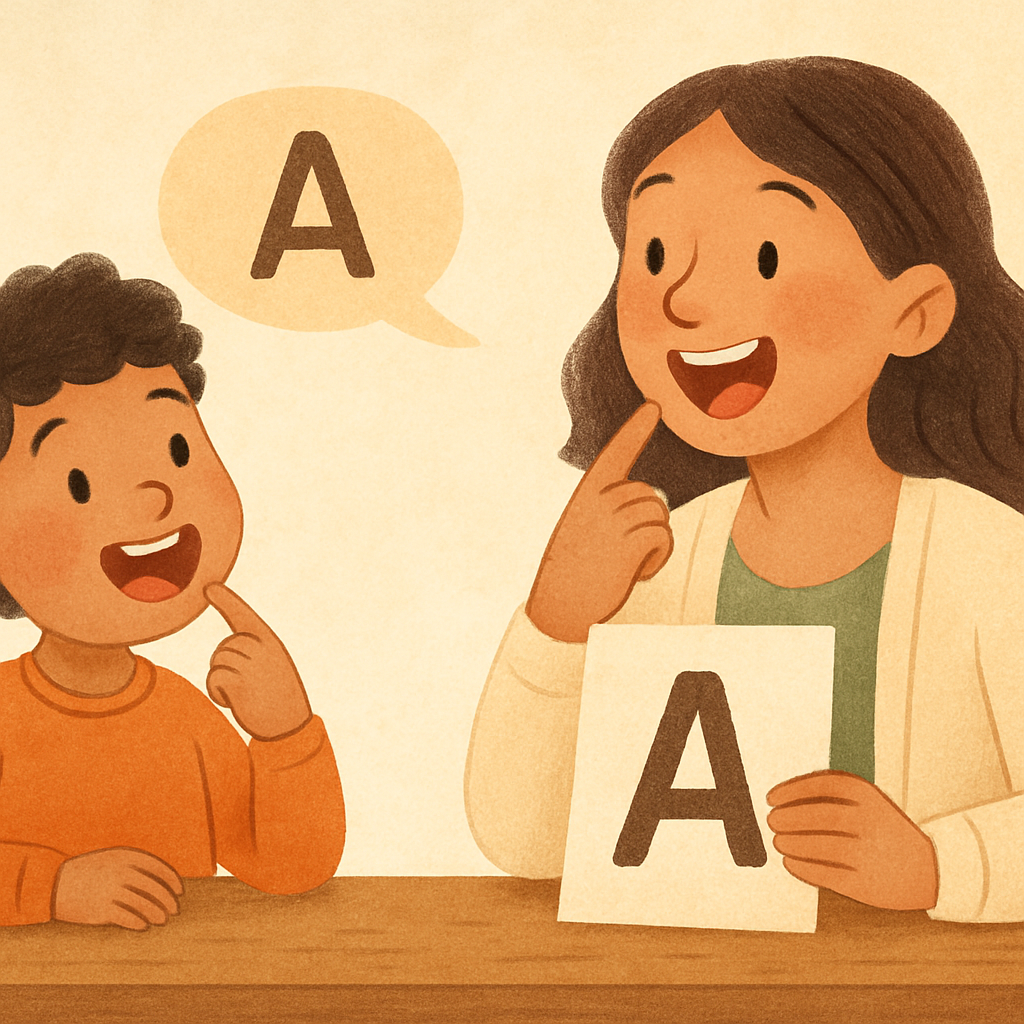
Navigating social interactions can be tough for someone who clutters. Peer relationships often rely on quick, easy-to-understand communication, and when speech is rapid and jumbled, misunderstandings can happen frequently. Friends might get frustrated or simply tune out, leaving the person who clutters feeling isolated.
These negative reactions from others can be hurtful. A person might be teased for their speech patterns or perceived as nervous or unintelligent. Over time, these experiences can lead to feelings of shame and a desire to avoid social situations altogether. This withdrawal can hinder the development of crucial social skills.
Building and maintaining friendships requires effective communication. For someone with cluttering, the fear of being misunderstood or judged can create a significant barrier to their mental health. They may become quiet and reserved, not because they have nothing to say, but because the effort and potential for negative feedback feel overwhelming.
Self-Esteem and Emotional Wellbeing
Ongoing communication struggles can seriously impact self-esteem and emotional well-being. When your ability to communicate is undermined, you may start to feel inadequate or insecure, especially after years of negative reactions. This decline in confidence can lead to social anxiety or depression. The constant worry about how others perceive your speech is exhausting, and many people who clutter become their own harshest critics.
Supporting emotional health is as important as speech therapy itself. Therapy should offer a safe space to discuss feelings and build confidence. Celebrating small communication successes can help restore self-esteem and encourage a more positive outlook on connecting with others.
Diagnosing Cluttering
Getting a proper diagnosis of cluttering is the critical first step toward effective management. This process is handled by trained professionals known as speech-language pathologists (SLPs). They use their expertise to conduct a thorough assessment, as cluttering can be tricky to identify and is often confused with other speech or language issues. With such information, SLPs can better understand the nuances of cluttering.
The SLP's job involves a differential diagnosis to rule out other conditions. They use specific screening methods and assessment tools to pinpoint the exact nature of the fluency problem. Next, we will explore this assessment process, the tools used, and how SLPs distinguish cluttering from similar difficulties.
Process of Assessment by Speech-Language Pathologists
When evaluating for cluttering, speech-language pathologists (SLPs) conduct a thorough assessment—not just a quick conversation. The process begins with an in-depth interview to gather background information.
The SLP collects speech samples in different situations, such as reading, storytelling, and casual conversation. They analyze these samples for signs of cluttering: rapid or irregular speech, excessive disfluencies, and distorted sounds. This helps distinguish cluttering from stuttering or other disorders.
Caregiver or self-reports are also essential, as people who clutter often lack awareness of their speech patterns. Input from family members, teachers, or the individual provides a fuller picture of how cluttering impacts daily communication.
Standard Tools and Screening Methods
Speech-language pathologists use several standard tools and screening methods to aid in their differential diagnosis. While there isn't one single "cluttering test," a combination of formal and informal measures helps create a complete diagnostic picture. Recent research continues to refine these methods for better accuracy.
Informal assessment is key. This involves analyzing speech samples for rate, clarity, and the types of disfluencies present. The SLP might ask the person to perform tasks that can elicit cluttering, such as speaking on an unfamiliar topic or retelling a complex story under a bit of time pressure. They may also record the speech to analyze it more closely later.
Some specific tools and methods include:
-
Predictive Cluttering Inventory (PCI): A checklist of cluttering characteristics that helps systematically identify symptoms.
-
Speech Rate Analysis: Using software or manual counts to measure syllables per second.
-
Language Sample Analysis: Examining the organization and coherence of spontaneous speech.
-
Self-Awareness Questionnaires: Gauging the individual’s perception of their own speech.
Distinguishing Cluttering from Similar Speech Difficulties
An essential component of the diagnostic process is the differential diagnosis, in which the SLP diligently differentiates cluttering from other disorders. Among the first distinctions to make is whether the individual simply has a high rate of normal disfluencies, since everyone sometimes uses fillers or revises what they say, but in cluttering these behaviors are significantly more frequent and occur alongside a fast speaking rate.
Cluttering is most commonly contrasted with stuttering. As previously mentioned, the SLP examines whether the main features include tense blocks and repetitions, which indicate stuttering, or if the speech is overly rapid, poorly organized, and marked by limited self-awareness, which suggests cluttering—the nature of the disfluency being the primary indicator.
Additionally, conditions such as ADHD, learning disabilities, and apraxia need to be taken into account. The SLP determines whether the chaotic language patterns arise from a fundamental language processing disorder or if they're part of the cluttering profile. Through careful, systematic evaluation of all potential causes, the SLP can make an accurate diagnosis and develop an appropriate intervention plan.
Comprehensive Speech and Language Assessment
A diagnosis of cluttering doesn't happen in a vacuum. It requires a truly comprehensive speech and language assessment that looks beyond just fluency. An SLP will evaluate many areas of communication to understand the full scope of an individual's strengths and weaknesses, including those related to the stuttering foundation. This includes looking for any co-occurring speech sound disorders or a potential language disorder.
This holistic approach is crucial for creating a treatment plan that addresses all of the person's needs. The assessment will delve into specific skills like articulation and language, gather important historical information, and involve collaboration with key people in the individual's life.
Evaluating Fluency, Articulation, and Language Skills
The evaluation begins with an analysis of speech fluency. The SLP measures speech rate and counts disfluencies, looking for patterns—like rapid speech and frequent non-stuttering disfluencies—that indicate cluttering.
Next, articulation is assessed to determine if unclear speech stems from cluttering’s fast pace or a separate articulation disorder. The SLP checks the person’s ability to produce individual sounds in words and sentences, distinguishing between errors caused by speed and those from a speech sound disorder.
Finally, language skills are evaluated, including vocabulary, grammar, and storytelling ability. This helps identify disorganized language—a hallmark of cluttering—and clarifies whether it’s linked to the fluency disorder or a separate language issue.
Collecting Family and Developmental History
A speech-language pathologist (SLP) gathers detailed background information as part of diagnosis, including family history, since fluency disorders like cluttering can run in families, similar to practices in private practices that address such issues. Learning if relatives have had speech issues provides valuable clues.
The SLP also reviews developmental milestones—when the child began talking, any speech delays, and how communication skills progressed—to establish a timeline for the disorder.
Environmental factors at home and school are considered, as they may influence how cluttering appears. This comprehensive history helps the SLP understand the individual's situation and contributing factors.
Collaboration with Teachers and Caregivers
A successful assessment, especially for a child, relies on a team approach. The speech-language pathologist will actively seek out teacher involvement and detailed caregiver reports. Teachers and family members see the individual in natural environments and can provide valuable insights that might not be apparent in a clinical setting.
For children in school, collaboration with school districts is key. The SLP can get information from the child’s teacher about their classroom participation, reading fluency, and social interactions with peers. This teacher involvement helps to understand the real-world impact of the speech disorder on the child's academic and social life.
The caregiver report from a parent or family member is equally crucial. They can describe the child's speech at home, when they are relaxed versus when they are excited, and how the communication difficulties affect family dynamics. This collaborative effort ensures that the assessment is thorough and that everyone is on the same page for supporting the child.
Special Considerations in Assessment
Diagnosing a speech disorder requires more than just technical skill; it requires sensitivity and awareness. Every person is unique, and an assessment must take into account special considerations like cultural and linguistic diversity. A one-size-fits-all approach can lead to misdiagnosis, so it's vital to tailor the process to individual needs.
An SLP must be mindful of how a person's background might influence their communication style. Let's look at how cultural factors, multilingualism, and individual variability play a role in the accurate assessment of cluttering.
Cultural and Linguistic Diversity in Australia
In a multicultural country like Australia, acknowledging cultural and linguistic diversity is paramount in speech pathology. Different cultures have different norms around speaking rate, turn-taking, and the use of pauses. What might be considered a typical speaking style in one culture could be misinterpreted as a sign of a disorder in another.
Speech-language pathologists must be aware of these variations to avoid misdiagnosing someone from a diverse background. This is in line with guidelines from bodies like the World Health Organization, which stress the importance of culturally competent healthcare in university clinics. An SLP needs to differentiate between a true fluency disorder and a communication style that reflects a person's cultural heritage.
This is especially relevant for Indigenous speakers, whose languages and dialects have unique rhythmic and fluency patterns. A standard assessment developed for monolingual English speakers may not be appropriate. Therefore, a culturally sensitive approach is essential for an accurate and fair evaluation.
Assessing Multi-lingual and Indigenous Speakers
Assessing a multilingual individual for a speech disorder is challenging. The SLP must distinguish between signs of a disorder and normal features of learning multiple languages, such as code-switching or language transfer, which can resemble disorganized speech.
For Indigenous speakers, assessments require extra sensitivity and respect. Working with an interpreter or community liaison familiar with the language and culture is ideal. Standardized tests are often unsuitable; instead, rely on observations in natural settings and interviews with family or community members.
The main goal is to judge how well the person communicates within their own linguistic community. The key question: Is their speech seen as atypical or hard to understand by others who share their language and culture? This helps separate true speech disorders from normal linguistic differences.
Understanding Individual Variability
Cluttering varies widely between individuals. Some speak rapidly, others have an irregular rhythm, and issues may range from language disorganization to unclear speech. Assessments must address these differences.
Awareness of cluttering also differs. Some people are unaware of their speech issues, while others only recognize them through others’ reactions. This awareness affects both motivation for therapy and the strategies that will work best.
Environmental factors matter too—cluttering may worsen when someone is excited, tired, or stressed. Effective assessment considers these triggers. By understanding each person’s unique symptoms, awareness, and environment, SLPs can create truly personalized treatment plans.
Treatment Options for Cluttering
Once a differential diagnosis confirms cluttering, the journey toward clearer communication can begin. There is a range of effective treatment approaches available, most of which are guided by a speech-language pathologist. The goal of speech therapy for cluttering is not to find a "cure," but to provide strategies for managing symptoms and improving communication.
These options can be tailored to the individual's specific needs and may include one-on-one sessions, group work, or involving family in the process. We will now explore some of the main treatment options, from individual and group therapy to the important role that family can play.
Individual Therapy Approaches
Individual therapy is often the cornerstone of treatment for cluttering. In these one-on-one sessions, a person can receive direct treatment from a speech-language pathologist tailored specifically to their needs. This personalized attention allows the therapist to focus intensely on the individual's unique speech patterns and challenges.
The treatment process in individual therapy typically starts with building awareness. Since many people who clutter are not aware of their speech patterns, the first step is helping them learn to recognize when they are speaking too fast or unclearly. The SLP might use audio or video recordings to provide direct feedback.
Once awareness is established, the speech therapy sessions will focus on strategies to control the rate of speech, improve articulation, and organize language. This direct, focused work is essential for making tangible progress and building the foundation for better communication skills in everyday life.
Group Therapy Benefits
Group therapy offers a unique and powerful environment for practicing new speech skills. While individual therapy is great for learning techniques, group sessions provide a safe and supportive space to use those techniques in real conversations. This helps bridge the gap between the clinic and the real world.
Working in a group also helps to improve social skills. Participants can practice turn-taking, listening, and asking for clarification in a structured setting. It can be incredibly validating to meet other people who face similar challenges, which can reduce feelings of isolation. These groups can function like support groups, where members encourage one another.
The ultimate goal of group therapy is to improve overall communication effectiveness in a social context. Participants get immediate feedback from both the therapist and their peers. This dynamic setting is an excellent way to build confidence and make communication a less daunting experience.
Involvement of Family in Therapy
Family involvement is a crucial component of a successful therapy process, especially for children. Parents and other family members can play a significant role through a method known as indirect treatment. This involves making small changes to the home environment to support fluent speech, rather than working directly on the child's speech itself.
For example, a family member can model a slower, more deliberate rate of speech. They can also make sure to give the person their full attention when they are talking, reducing pressure and creating a patient listening environment. This indirect support helps to create a communication-friendly home.
Parents can support their child by being their biggest advocate and cheerleader. They can help practice strategies learned in therapy, provide gentle reminders, and celebrate progress. Understanding the family history of speech issues can also provide context for the therapist. When the whole family is part of the team, the chances of long-term success increase dramatically.
Speech Therapy Techniques and Strategies
Effective speech therapy for cluttering is not about just "slowing down." It involves a toolkit of specific treatment strategies designed to address the core components of the disorder. The primary goals are improving the speech rate, increasing self-awareness, and enhancing the overall clarity of communication.
Therapists use a variety of proven techniques to help individuals gain control over their speech. From managing rhythm to using technology as a support tool, these strategies empower people to become more confident communicators. Let's explore some of the key techniques used in therapy.
Improving Speech Rate and Rhythm
A primary focus of therapy is to regulate the rate of speech. An excessively fast or irregular speech rate is at the heart of cluttering, so gaining control over it is a major step. Therapists teach techniques to help individuals find a more manageable and deliberate pace.
One common strategy is to work on the rhythm of speech. This can involve using a metronome or tapping out syllables to an even beat. This helps to break up the rushed, jerky patterns of cluttering and replace them with a smoother, more predictable flow. Another technique is practicing "easy onset," which involves starting words with gentle airflow to prevent rushing.
These strategies help the speaker consciously manage their pace. Key techniques include:
-
Pausing: Intentionally inserting pauses at natural points in a sentence to break up long rushes of speech.
-
Stretching Sounds: Elongating vowel sounds slightly to slow down the overall rate.
-
Phrasing: Speaking in shorter sentences or phrases instead of long, complex ones.
-
Over-articulation: Exaggerating mouth movements to ensure all sounds are produced clearly.
Enhancing Self-Monitoring and Awareness
Perhaps the most critical skill to learn in cluttering therapy is self-monitoring. Because a lack of awareness is a hallmark of the disorder, increasing the individual’s awareness of their own speech is fundamental to making any lasting change. You can't fix what you don't realize is happening.
Speech therapy uses various techniques to build this skill. A therapist might record the person speaking and play it back, pointing out specific instances of cluttering. They may use a "speeding ticket" system, where the therapist gives a gentle signal whenever the person's speech rate becomes too fast or unclear.
The goal is for the individual to internalize this process and become their own speech monitor. Over time, they learn to catch themselves when they start to clutter and can then apply their rate-control strategies in the moment. This ability to self-correct is the key to transferring skills from the therapy room to everyday life.
Use of Technology and Visual Supports
Modern speech therapy often incorporates technology and visual supports to make the treatment process more engaging and effective. These tools can provide immediate, objective feedback that helps a person understand and modify their speech.
For example, apps on a phone or tablet can act as a "speech speedometer," showing a visual representation of the person's speech rate in real time. This gives them concrete feedback that is easier to grasp than just being told to "slow down." Another form of technology is Delayed Auditory Feedback (DAF), where a person hears their own voice on a slight delay, which naturally encourages a slower rate.
Visual supports are also powerful. A therapist might use written scripts with pause marks indicated, or use storyboards to help a person organize their thoughts before speaking. These visual aids reduce the mental load of speaking, allowing the individual to focus more on the mechanics of clear, controlled speech production.
Exercises and At-Home Practice
The progress made in speech therapy sessions needs to be reinforced with consistent at-home practice. Turning new skills into lasting habits requires daily effort. These practice strategies don't have to be boring; they can be integrated into fun activities and daily routines to help manage communication difficulties effectively.
The key is to create a supportive and encouraging environment for practice. Using structured speech drills, engaging in natural conversations, and offering plenty of positive reinforcement are all part of a successful at-home program. Let's look at some practical ways to practice and build confidence outside of the therapy room.
Structured Speech Drills and Games
Structured speech drills are an excellent way to work on specific skills in a focused manner. These are short, repeatable exercises that target things like rate control and clear articulation. The goal is to make clear speech feel more automatic through repetition.
To make these practice strategies more enjoyable, they can be turned into speech games. For example, a child could practice reading a list of words aloud, focusing on producing every speech sound clearly, and earn a point for each well-articulated word. This gamified approach makes practice feel less like work and more like play.
Here are some examples of drills and games:
-
Reading Aloud: Practice reading a book or article with a focus on pausing at commas and periods.
-
Syllable Tapping: Tap out the syllables of multi-syllable words to ensure none are skipped.
-
"Describe the Picture" Game: Use a picture to practice describing a scene in short, organized sentences.
-
Mirror Practice: Watch oneself in the mirror while speaking to focus on clear mouth movements.
Encouraging Communication in Natural Settings
While drills are important, the ultimate goal is to improve communication effectiveness in real-life situations. It's essential to practice new speech skills in natural settings, not just in structured exercises. This helps to generalize the skills so they can be used spontaneously in everyday conversations.
Family members can help create these opportunities. Encourage the person to share about their day at the dinner table, tell a story, or explain the rules of a game. The key is to create a patient and supportive listening environment where the person feels comfortable practicing their new speech production strategies without fear of judgment.
When a person who clutters is speaking, give them time to organize their thoughts. Avoid interrupting or finishing their sentences for them. Your patience as a listener can make a huge difference in their confidence and willingness to engage in conversation, making these natural settings a positive place for practice.
Building Confidence Through Positive Reinforcement
Positive reinforcement is one of the most powerful tools for supporting someone in speech therapy. Communication can be a source of anxiety for people with speech sound disorders or fluency issues, so building their self-esteem is just as important as correcting their speech.
Acknowledge their effort, not just the outcome. Instead of only praising perfectly clear speech, you can say things like, "I really appreciate you taking your time to explain that to me," or "It was great how you used pauses in that story." This focuses on the strategies they are using and encourages them to keep trying.
This consistent encouragement helps to counteract the negative experiences they may have had in the past. It reframes communication as a positive and rewarding experience, which boosts their motivation to continue working hard in speech therapy and in their daily practice. Over time, this builds a foundation of confidence that is essential for long-term success.
Prognosis and Long-Term Outlook
When facing a diagnosis of cluttering, it's natural to wonder about the long-term outlook. Is this a condition that can be completely overcome? While there is no simple "cure" for cluttering, the prognosis for significant improvement is very positive with the right intervention and commitment.
Managing cluttering is a realistic and achievable goal. The focus is on learning strategies to control speech and communicate more effectively. The journey to recovery and the degree of improvement depend on several key factors, which we will now explore.
Factors Influencing Recovery and Improvement
Recovery and improvement from cluttering can be influenced by a variety of factors. For starters, individual needs and specific symptoms play a crucial role; different people may experience varying levels of speech disfluencies. Engaging in speech therapy that targets flow and rate of speech can significantly enhance treatment effectiveness. Additionally, environmental factors, such as family support and educational resources, contribute to the recovery journey. Social skills development, awareness of one’s own speech patterns, and coping strategies for managing anxiety are essential for long-term improvement, making it vital to consider each person's unique context in the treatment process.
Managing Cluttering Across the Lifespan
Managing cluttering throughout various life stages involves recognizing individual needs and adapting strategies accordingly. Early intervention during **early childhood** and the preschool years can lay the foundation for effective speech therapy, enhancing fluency and reducing communication difficulties. As individuals grow, the incorporation of direct and indirect treatment approaches helps promote awareness and improve speech production. Support groups play a vital role in providing social skills training, addressing feelings of shame, and fostering communication effectiveness. Engaging with family members and caregivers strengthens the overall treatment process, ensuring each individual can navigate their specific challenges related to cluttering while enjoying a more fluent rhythm of speech.
Conclusion
Understanding cluttering in New York is crucial as it impacts communication and emotional well-being. The journey towards improved fluency is often unique for each individual, considering factors such as family history, environmental influences, and developmental stages. Embracing diverse treatment strategies, whether through direct or indirect methods, can significantly enhance speech production and reduce the disorganized speech commonly associated with cluttering. Support from family members, professionals, and community resources further fosters the individual's self-awareness and confidence. Continued research and collaboration among experts will yield valuable insights, ultimately benefiting those facing communication difficulties. Together, we can build a more inclusive understanding of cluttering.
Contact our experts for a consultation or call daar at 02 9133 2500.
Frequently Asked Questions
Can cluttering be managed or overcome through therapy?
Yes, cluttering can be effectively managed and improved through therapy. Speech-language pathologists utilize specific techniques to enhance fluency, address communication skills, and develop coping strategies, significantly aiding individuals in overcoming challenges associated with cluttering throughout their lifespan.
How can parents support a child with cluttering?
Parents can support a child with cluttering by providing a calm environment, encouraging open communication about their speech, and seeking professional guidance. Engaging in regular practice of speech techniques at home can also help build confidence and improve fluency over time.
Is cluttering often seen with other speech disorders like dysarthria or apraxia?
Cluttering frequently coexists with other speech disorders, including dysarthria and apraxia. These conditions can complicate diagnosis and treatment, requiring a tailored approach to address overlapping symptoms and enhance communication effectiveness across different ages and contexts. Understanding these relationships is crucial for effective management.
.svg)




.svg)