
.png?width=48&height=48&name=Group%201%20(3).png)























31 December, 2025

Exploring Positive Support: A Guide for Families
Introduction
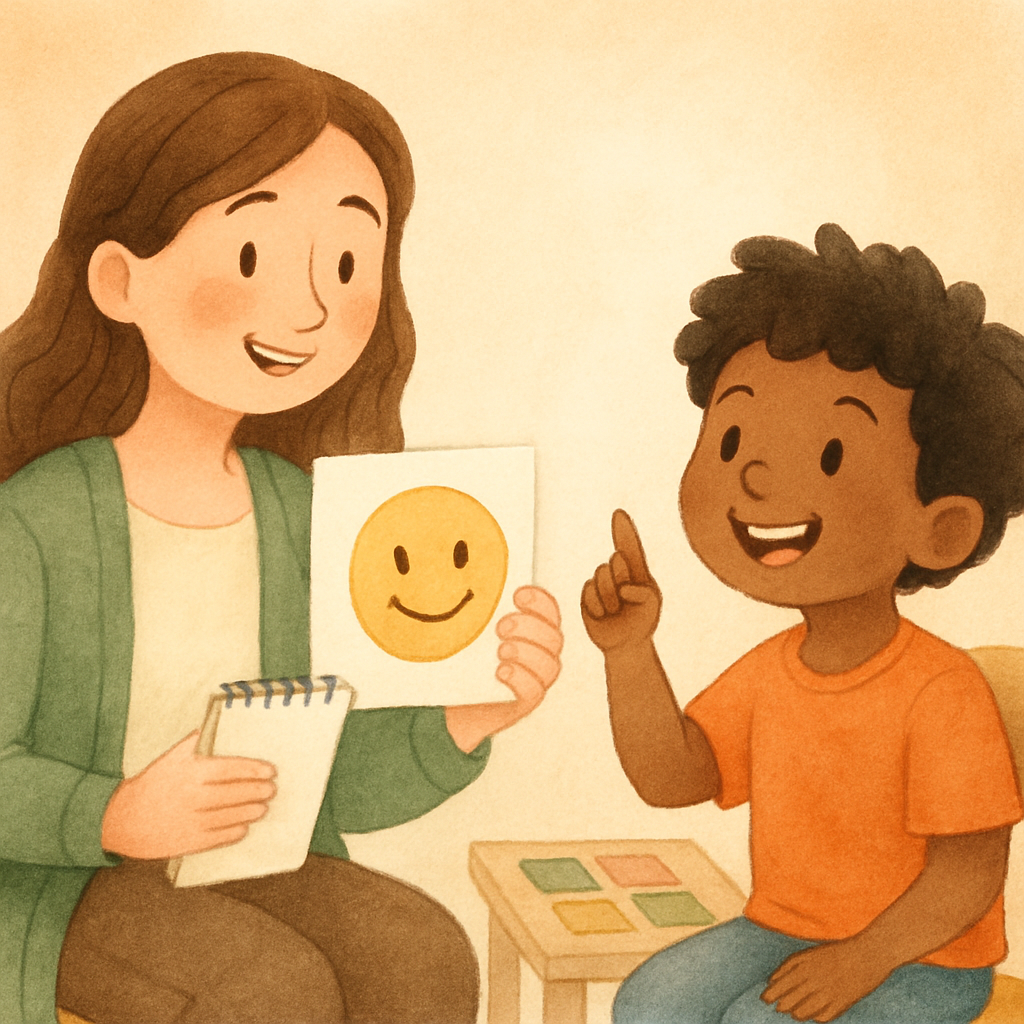
Welcome to our guide on positive support for families. When a loved one displays challenging behaviours, it can be difficult to know how to help. Positive behaviour support offers a compassionate and effective way forward. Instead of just reacting to behaviours, this approach helps you understand what your loved one is trying to communicate. By working together to create a personalized support plan, you can address unmet needs, reduce stress, and improve well-being`` for the entire family. Common examples of positive behaviour support in action include using visual schedules to help keep routines predictable, teaching coping skills to manage frustration, actively rewarding good behavior with praise or privileges, and modifying the environment to prevent triggers. These strategies help families respond proactively rather than reactively, creating a supportive atmosphere for positive change.
Key Highlights
-
Positive behaviour support is an approach that seeks to understand the reasons behind challenging behaviours.
-
The primary goal is to improve an individual's overall quality of life, not just manage behaviour.
-
The NDIS provides funding for these services under the "Improved Relationships" category.
-
A personalized support plan is created by behaviour support practitioners in collaboration with your family.
-
This approach focuses on teaching new skills and creating a more supportive environment.
-
It empowers families with strategies to foster independence and wellbeing.
Understanding Positive Behaviour Support
Have you ever asked yourself what causes difficult behaviors? Using an evidence-based method, positive behavior support identifies the underlying motivations for actions and relies on positive reinforcement instead of punishment to encourage improved communication.
By utilizing specialized support services, you can develop an all-encompassing plan that steers everyone toward a more supportive setting. Upcoming sections will demonstrate how these strategies can benefit your family and detail the steps of implementation. If you are looking for easy-to-read resources on positive behaviour support, many organizations offer accessible guides and online materials, such as websites from national autism or disability associations, educational institutions, and government health departments.
Defining Positive Behaviour Support for Families
Positive Behavior Support (PBS) is a person-centered approach that improves quality of life and reduces challenging behaviors by viewing all actions as communication. It focuses on understanding needs and providing effective help.
Families collaborate with professionals to create personalized support plans based on strengths and goals. PBS teaches new skills and adapts environments, emphasizing long-term solutions over quick fixes.
This teamwork builds consistent, positive support, helping families address root causes rather than just reacting. As a result, individuals with disabilities are empowered to communicate, manage emotions, and participate more fully in life.
The Principles of Positive Support Strategies
Positive support is guided by core principles that ensure actions are respectful, compassionate, and focused on lasting, meaningful change. This approach moves away from reactive measures, aiming instead to create more fulfilling lives.
Built on understanding and collaboration, positive support prioritizes improving quality of life while respecting dignity and human rights. Key principles include:
-
Person-Centered Approach: Plans are tailored to each person’s strengths, needs, and goals.
-
Proactive Strategies: Focus is on preventing challenges by teaching new skills and adjusting environments, rather than just reacting.
-
Quality of Life Focus: The goal is to enhance well-being—relationships, community involvement, and personal satisfaction.
These principles go beyond changing behavior; they help individuals build better, more independent lives. By following them, families and support teams can create environments where people truly thrive.
Implementing Positive Behaviour Support in the family dynamic
Implementing a positive behavior support plan requires a systematic, team-based approach. It begins with an assessment to identify strengths and the causes of challenging behaviors.
For example, if a child acts out at school due to anxiety and isolation, the assessment might show that being sent home helps them reconnect with their parents. Instead of punishing the behavior, the plan addresses the root cause—anxiety—and introduces routines for stability.
This could include regular family activities or visual schedules to ease transitions. The goal is to adjust the environment and teach new skills so challenging behaviors are no longer needed. Collaboration between families and support teams creates consistent, positive change for everyone.
Positive Behaviour Support Within the NDIS Framework
The National Disability Insurance Scheme (NDIS) is designed to give individuals more choice and control over their supports, and this includes positive behaviour support. The NDIS funds these essential support services for people with a permanent and significant disability to help reduce behaviours of concern and improve quality of life.
Your NDIS support plan can provide funding for skilled behaviour support practitioners to work with you and your family. They will help develop tailored strategies to meet your specific needs, fostering independence and enhancing wellbeing. The following sections offer more detail on how to navigate funding and access these services.
Navigating NDIS Funding for Positive Behaviour Support
For NDIS participants, funding for positive behavior support is available under the "Improved Relationships" or "Behavior Support" categories in your plan’s Capacity Building budget. This funding covers specialists who help reduce challenging behaviors.
If your plan doesn’t include this funding, your Support Coordinator can assist you in demonstrating the need for these services during your next plan review. The goal is to ensure your plan includes the resources needed to improve your quality of life and community participation.
The NDIS sets specific item numbers and rates for these services, provided by a Behavior Support Practitioner:
|
Support Category |
Support Item Name |
Hourly Fee (State-Dependent) |
|---|---|---|
|
Improved Relationships |
Specialist Behavioral Intervention |
$222.99 - $244.22 |
|
Improved Relationships |
Behavior Support Plan Development |
$222.99 - $244.22 |
Accessing Positive Support Services Through NDIS
Accessing positive support services through the NDIS often involves a team approach to meet your needs. Many participants benefit from combining therapies. Your behavior support practitioner can recommend additional helpful services.
This multidisciplinary care provides targeted support across all areas of your life. Your NDIS plan can fund therapies that work together to help you reach your goals, creating a holistic system for communication and daily living skills.
Supports that complement positive behavior support include:
-
Occupational Therapy: Assists with daily living, sensory needs, and home modifications.
-
Speech Pathology: Improves communication and social skills.
-
Psychology: Supports mental health and emotional wellbeing.
Combining these services builds a strong network that boosts independence and overall wellbeing.
Who Is Eligible for Positive Behaviour Support Services in Australia?
To access NDIS-funded positive behavior support, you must first meet general NDIS eligibility: be under 65, an Australian citizen or permanent resident, and have a permanent, significant disability.
Once approved as an NDIS participant, you can request funding for specialist behavior support. A Support Coordinator or NDIS Planner must show there are behaviors of concern affecting your quality of life or that restrictive practices are being used. If restrictive practices are in place, a comprehensive behavior support plan is required.
Your NDIS plan will outline the right level of support and positive strategies to reduce restrictive practices and improve wellbeing, ensuring you receive tailored assistance to thrive.
Empowering Families and Carers Through Positive Support
Positive behaviour support is not just for the individual; it’s a journey that empowers the entire family. When family members are involved in the process, they gain the tools and confidence to understand and respond to behaviours of concern effectively. This collaborative approach strengthens your support network and helps everyone feel more connected.
By working together, you can create a home environment that fosters positive change and improves the quality of life for everyone. The following sections will highlight the specific benefits for caregivers and explain how collaboration with professionals makes this transformation possible. For those interested in learning more, there are training programs available for positive behaviour support that equip families and carers with practical skills and strategies to effectively support their loved ones.
Benefits for Families and Caregivers
Active family and caregiver involvement in positive behavior support benefits everyone. Understanding the reasons behind behaviors helps you respond with empathy and confidence, reducing stress and frustration and improving daily outcomes.
This approach offers practical strategies tailored to your family's needs. Consistent use leads to a calmer, more predictable home and better quality of life for all.
Key benefits include:
-
Reduced Stress: Greater control over challenging situations.
-
Improved Relationships: Stronger bonds through better communication.
-
Increased Confidence: Effective tools to support loved ones.
-
Better Emotional Regulation: Managing your reactions and modeling healthy coping skills.
Collaboration: Working With Professionals
An effective positive behavior support plan depends on strong collaboration. Your support team may include professionals like behavior support practitioners, occupational therapists, speech pathologists, and psychologists, all working together to provide holistic care. As a family member, your insights are essential to making the plan practical and tailored to daily life.
Success comes from teamwork among professionals, family, the individual, and support workers. Regular communication ensures everyone uses consistent strategies and works toward shared goals. This collaborative approach is key to creating lasting positive change.
Conclusion
In conclusion, positive support can greatly improve the well-being of families and caregivers. By using Positive Behaviour Support strategies, families foster growth, collaboration, and respect. Programs like the NDIS make it easier to access essential resources and services, ensuring every family receives tailored support. Creating a supportive environment is an ongoing process—working with professionals helps achieve lasting positive change.
To learn more about how positive support can transform your family, reach out daar for consultation or call at 02 9133 2500 for more information and assistance.
Frequently Asked Questions
Can families access positive behaviour support without a diagnosis?
Yes, families can often access positive behavioural support services based on need rather than a specific diagnosis. The PBS approach focuses on understanding the function of a behaviour and addressing the unmet needs behind it. The goal is to provide support that improves quality of life, regardless of formal diagnostic labels.
How soon can changes be seen with positive behaviour support?
Positive behaviour support is a long-term strategy, not a quick fix. While some positive change may appear early on, meaningful and lasting results take time and consistent effort. Behaviour support practitioners work with your support team to monitor progress and adjust the behaviour support plan as your loved one develops new skills.
Are positive behaviour support plans customized for every family?
Absolutely. A core principle of positive behaviour support is that every support plan is person-centered. The plan is tailored to the individual’s unique needs, strengths, and goals. It is developed collaboratively with the individual and their support people to ensure it is a practical roadmap for achieving positive outcomes.
.svg)




.svg)