
.png?width=48&height=48&name=Group%201%20(3).png)
























5 February, 2026

Breaking the Digital Bond: A Guide to Tablet Dependency Therapy for Kids
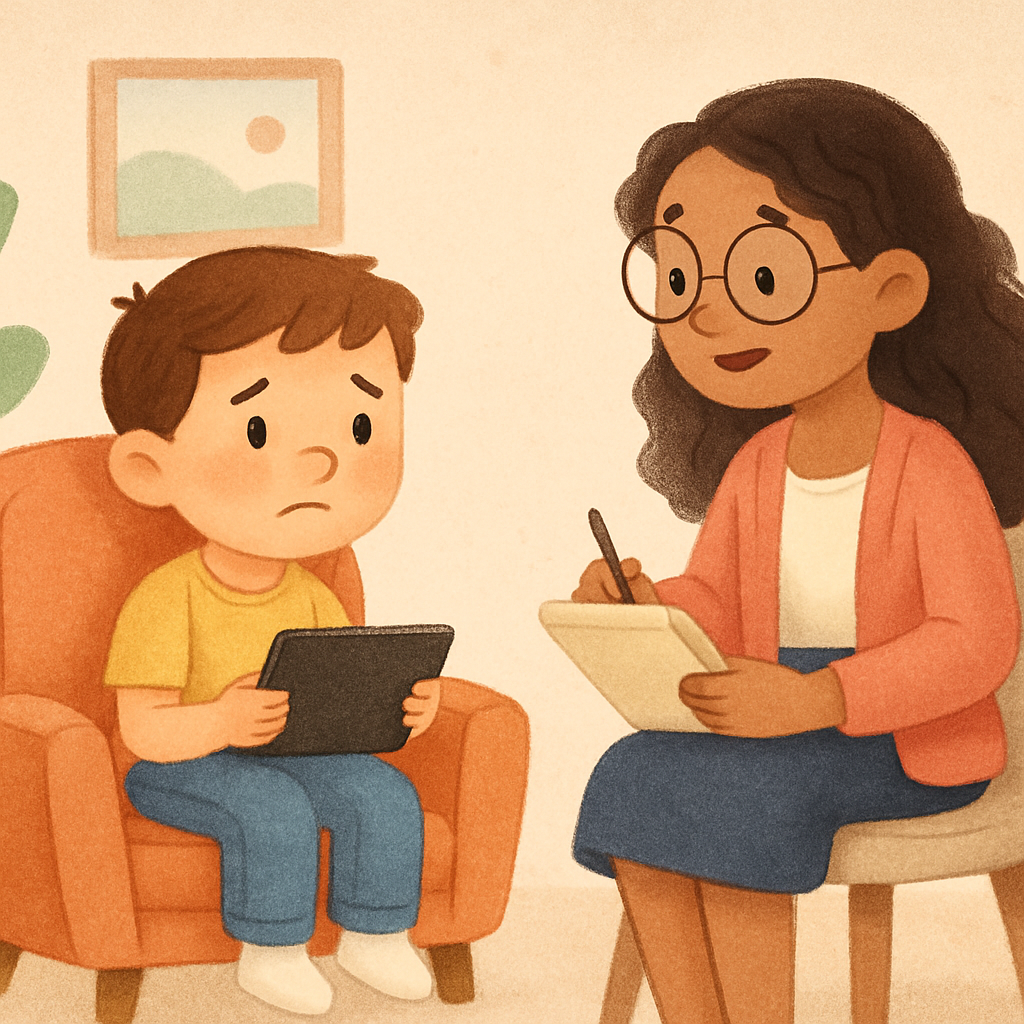
Introduction
In the modern household, the tablet has become the ultimate pacifier, babysitter, and entertainer. It offers educational apps and endless cartoons, but for many families, the device has shifted from a helpful tool to a source of constant conflict. When a child cannot eat, sleep, or play without a screen in front of them, they may be struggling with tablet dependency.
Parents often feel a mix of guilt and helplessness. You might have tried hiding the device, setting timers, or pleading, only to be met with explosive tantrums or sullen withdrawal. It is important to know that you are not alone, and this is not a failure of parenting. It is a physiological response to technology designed to be addictive.
This guide explores professional approaches to tablet dependency therapy for kids. We will delve into behavioural therapy, practical screen use behavior modification, and structured excessive iPad use intervention. The goal is not to banish technology, but to help your child regain control and rediscover the joys of the offline world.
Understanding the Grip: Why Tablets Are So Addictive
To effectively intervene, we must understand what we are up against. Tablets are unique because they are interactive, portable, and offer immediate gratification.
- The Dopamine Loop: Every swipe, like, and level-up triggers a release of dopamine in the brain. For a developing child, this chemical reward is incredibly powerful.
- Variable Rewards: Games and apps often use "variable ratio schedules" (like slot machines). The child never knows when the "big win" is coming, which keeps them glued to the screen.
- Emotional Regulation: Many children use tablets to soothe anxiety or boredom. Over time, they lose the ability to self-regulate emotions without the device, leading to excessive gadget use therapy needs.
Signs Your Child Needs Professional Intervention
How do you know when it’s time to move beyond home rules and seek tablet dependency therapy for kids? Look for these red flags:
- Loss of Interest: The child abandons hobbies, sports, or friends they previously enjoyed.
- Withdrawal Symptoms: Extreme irritability, anxiety, or aggression when the tablet is removed.
- Deception: Sneaking the device at night or lying about usage.
- Physical Impact: Sleep disturbances, eye strain, or weight changes due to inactivity.
- Interference with Daily Life: Screen use is causing grades to drop or disrupting family meals and hygiene.
Core Therapeutic Approaches
When simple limits fail, professional therapeutic strategies provide the structure needed for change.
1. Behavioural Therapy
Behaviour therapy is a cornerstone of treating dependency. In the context of excessive iPad use intervention, Behaviour therapy helps children identify the thoughts and feelings that drive them to the screen.
- Identifying Triggers: Is the child playing to escape bullying? To avoid homework? To numb loneliness?
- Cognitive Restructuring: The therapist helps the child challenge the belief that "I can't handle being bored" or "I need the tablet to feel happy."
- Coping Mechanisms: Children learn healthy ways to manage stress and boredom, such as deep breathing, drawing, or physical exercise.
2. Screen Use Behavior Modification
Screen use behavior modification focuses on changing habits and the environment. It is less about "talking it out" and more about "acting it out."
- Stimulus Control: This involves altering the environment to reduce temptation. For example, keeping tablets out of the bedroom and only allowing use in high-traffic areas like the kitchen.
- Contingency Management: This uses a reward system. Screen time becomes a currency that must be earned through positive behaviors (chores, reading, outdoor play) rather than a guaranteed right.
- Gradual Desensitization: Instead of going "cold turkey," which can cause severe distress, usage is reduced systematically (e.g., 15 minutes less each day) to lower the brain's tolerance.
3. Screen Time Control Therapy
Screen time control therapy is often a family-system approach. It recognizes that a child’s habits are influenced by the household culture.
- Parent Coaching: Therapists work with parents to establish firm, consistent boundaries without anger.
- Family Media Plans: Creating a written agreement that outlines when, where, and how screens can be used.
- Digital Detox: Facilitating short periods of total abstinence for the whole family to reset the baseline for stimulation.
Implementing an Intervention Plan at Home
If you are ready to start an excessive iPad, use intervention, follow this roadmap.
Step 1: The Audit
Track usage for three days. When are they using it? What are they doing? How do they react when it stops? This data is crucial for screen use behavior modification.
Step 2: The Reset (Digital Detox)
Consider a 48-to-72-hour complete break. This "dopamine fast" helps reset the brain’s reward sensitivity.
- Expectation Management: The first day will be hard. Expect tears and boredom.
- Replacement: You must fill the void with high-engagement activities like board games, hiking, or baking.
Step 3: The Reintroduction
Bring the tablet back, but with strict screen time control therapy rules.
- No Screens Before Bed: Blue light disrupts melatonin. Stop use 90 minutes before sleep.
- The "Grandma Rule": Responsibilities (homework, chores) must be completed before entertainment.
Step 4: Emotional Coaching
When the child asks for the tablet, ask them: "Are you bored, or do you really want to play that specific game?" Helping them distinguish between mindless scrolling and intentional play is a key part of behavioural therapy.
Alternative Activities: The Antidote to Addiction
Excessive gadget use therapy is only effective if the child finds joy elsewhere. You cannot simply remove the fun; you must replace it.
- Physical Play: Sports, swimming, or martial arts provide a dopamine rush through movement.
- Creative Arts: Painting, Lego building, or learning an instrument engages the brain actively, unlike the passive consumption of videos.
- Social Connection: Arrange playdates where devices are not allowed. Re-learning face-to-face social skills is vital.
Conclusion
Navigating the digital landscape is one of the hardest challenges modern parents facese. Tablet dependency therapy for kids is not a punishment; it is a rescue mission. It is about reclaiming your child’s time, attention, and mental health.
By utilizing behavioural therapy techniques and maintaining consistent screen use behaviour modification, you can help your child break the cycle of excessive iPad use. It takes patience and consistency, but the result—a child who is present, engaged, and happy in the real world—is worth every effort.
Frequently Asked Questions
My child screams when I take the iPad. What should I do?
This is a withdrawal response. Remain calm. Validate their feelings ("I know you are mad because you were having fun"), but hold the boundary. Do not give the device back to stop the screaming, as this reinforces the behavior.
How much screen time is too much?
The American Academy of Pediatrics suggests limits, but quality matters more than quantity. If screen use is displacing sleep, physical activity, or social interaction, it is too much, regardless of the hour count.
Can apps help control screen time?
Parental control apps are useful tools for screen time control therapy, but they are not a cure. They stop the access, but they don't teach the self-regulation skills that behavioural therapy provides.
.svg)




.svg)