
.png?width=48&height=48&name=Group%201%20(3).png)























4 February, 2026

Overcoming Excessive Gadget Use for Kids Therapy
Introduction
We are living in a digital era where smartphones, tablets, and laptops are a part of daily life. These devices have changed how your children learn, play, and socialize. But as kids spend more time on screens, concerns about screen addiction are rising. This guide is here to help you understand the effects of excessive media use on child development. You will learn how to spot the warning signs and discover how therapy can help your family manage gadget use effectively.
Key Highlights
- Excessive gadget use, or technology addiction, is a growing global concern for children's mental health.
- Cognitive behavioural therapy (CBT) is a highly effective treatment for reducing symptoms of digital addiction.
- Key behavioural indicators of a problem include mood swings and loss of interest in non-screen activities.
- Active parental involvement and family-based therapies are crucial for successful intervention.
- Therapy helps by changing negative thoughts, building coping skills, and improving family relationships.
- Managing screen time involves setting firm boundaries and encouraging alternative activities.
Understanding Gadget Use in Australian Kids
Across Australia and the world, the amount of time young people spend using electronic media is increasing. Gadgets are now used at younger and younger ages, from toddlers to teens.
The rise of social media and online video games means children are constantly connected. This widespread media use can lead to challenges, as some children struggle to find a balance between their online and offline lives. Understanding these trends is the first step toward promoting healthier habits.
Defining Excessive Gadget Use and Technology Addiction
Technology addiction in children is a compulsive need to use digital devices like smartphones, computers, or video games, even when it causes harm. It goes beyond frequent use and can lead to negative effects on daily life, relationships, or mental health—sometimes called screen addiction or problematic internet use.
The American Psychiatric Association recognizes "Internet Gaming Disorder" when gaming causes significant distress or problems.
Professional help is needed when a child’s device use disrupts their functioning, relationships, or well-being.
Common Gadgets: What Are Kids Using Most?
Children today use various electronic devices, mainly smartphones, tablets, laptops, and game consoles. Their portability allows kids to access them anytime, anywhere.
Popular activities include playing video games, browsing social media, and surfing the web. These interactive platforms are highly engaging and can lead to excessive use.
|
Gadget |
Main Activities |
|---|---|
|
Smartphone |
Social media, mobile games, streaming, browsing |
|
Tablet |
Video games, educational apps, movies |
|
Laptop/Computer |
Online gaming, social media, schoolwork, web surfing |
|
Video Game Console |
Single-player and online multiplayer games |
Trends in Screen Time Across Australia
Recent studies show a sharp rise in screen time among children and teens. About 20% of students in grades 7-12 spend five or more hours daily on social media, contributing to increased physical inactivity.
This trend now starts at younger ages. Many families with toddlers own smartphones or tablets, and many young children use these devices every day. Managing screen time has become a major challenge for parents.
Excessive device use can impact brain development, especially in areas linked to impulse control. These findings underscore the importance of monitoring your child’s screen time.
Recognizing the Signs of Problematic Gadget Use
How do you know if your child’s gadget use has become a problem? It’s important to look for specific warning signs that go beyond simply the amount of time they spend on a screen. Changes in behaviour, emotion, and social habits can all be indicators.
If you notice persistent mood swings, a sudden loss of interest in hobbies, or a decline in social skills, it might be time to take a closer look at their digital habits. The following sections will detail the specific behavioural, emotional, and social red flags to watch for.
Behavioural Indicators Parents Should Watch For
Excessive gadget use in children often shows up as changes in behaviour. Parents should watch for these warning signs, which may signal a need for intervention or therapy.
A key indicator is your child’s reaction when screen time ends. If they become very irritable, anxious, or angry when devices are taken away, this could point to dependency. You may also notice a lack of interest in previous hobbies or social activities.
Specific signs include:
- Becoming angry, irritable, or anxious without gadgets
- Lying about or hiding screen time
- Losing interest in hobbies, sports, or friends
- Neglecting homework or chores for screens
- Sleep or eating disruptions
Emotional and Social Red Flags in Children
Excessive screen time can have significant negative effects on a child's mental health and social skills. For many young people, a dependency on gadgets is linked to underlying emotional issues.
You might notice your child seems more withdrawn or experiences frequent mood swings. Research has shown a high prevalence of symptoms like social anxiety and depression among frequent internet users. A child who uses screens to escape from real-world problems may struggle to develop the social skills needed to build healthy relationships.
Watch for these emotional and social red flags:
- Increased symptoms of anxiety or depression.
- Difficulty with face-to-face conversations or social interactions.
- Preferring online interactions over in-person friendships.
- Using screens to cope with sadness, stress, or boredom.
When Does Gadget Use Warrant Therapy?
Occasional gadget overuse is normal, but it becomes a concern when it disrupts your child's daily life. If gadget use causes significant distress or affects their functioning at school, home, or with friends, consider seeking therapy.
Official criteria for issues like Internet Gaming Disorder help professionals determine when internet use is a clinical problem. If your child loses control over gaming or continues despite negative consequences, intervention is needed.
Therapy offers structured support to address underlying causes and develop a targeted plan to help your child and family move forward.
Why Some Kids Develop Tablet Dependency
Why do some children seem to get hooked on screens while others don't? Young minds are still developing and are more vulnerable to the highly stimulating nature of electronic media. Devices like tablets are easy to carry and offer endless entertainment, making it easy for unhealthy screen habits to form.
This constant access can sometimes lead to tablet dependency or a broader screen addiction. Understanding the factors that make a child more susceptible is key to prevention and intervention. These factors range from personality traits to the environment at home.
Risk Factors for Developing Screen Habits
Several factors can increase a child's risk of developing unhealthy screen habits. According to social cognitive theory, a child’s development is shaped by their social environment, personal factors, and behaviours. When digital devices replace traditional interactions, the risk for addiction grows.
Younger children are particularly vulnerable because they have less self-control and their brains are in a critical period of development. A child's mental health status can also play a role, as those with anxiety or depression may turn to screens as a way to cope with difficult feelings.
Here are some key risk factors:
- Younger age and lower levels of self-control.
- Existing mental health challenges like depression, anxiety, or ADHD.
- Lack of parental support or poor family relationships.
- Easy and unrestricted access to digital devices.
The Role of Parenting, Routines, and Environment
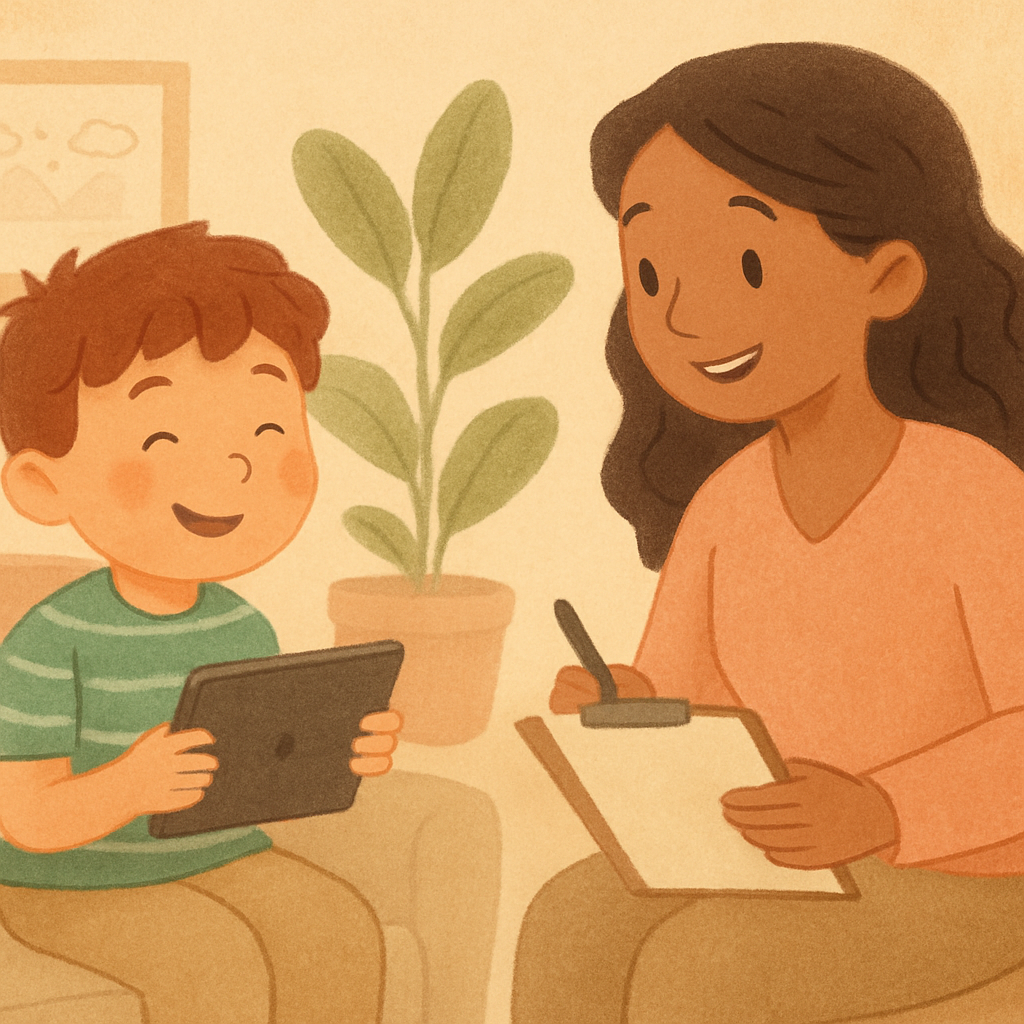
A child’s home environment and family dynamics greatly affect their media use. Parenting styles, family relationships, and household rules all shape screen time. Adolescents lacking parental support are more likely to overuse the internet to cope with negative emotions.
In contrast, strong family functioning lowers the risk of screen addiction. When parents model healthy digital habits and keep communication open, children tend to use technology more responsibly. Consistent routines with non-screen activities are also important.
Key points:
- Parents’ screen habits strongly influence their children.
- Lack of clear rules and boundaries can lead to overuse.
- Strong family bonds and open communication help prevent digital addiction.
Differences in Vulnerability by Age and Personality
Not all children are equally vulnerable to gadget dependency. Age plays a key role—young children, with underdeveloped self-control, are more susceptible. Digital addiction during critical brain development can cause lasting harm.
As children grow, risks change. Teens may have better self-control but face social pressures, especially from social media. Personality matters too; impulsive or socially anxious kids are more likely to overuse devices.
Understanding these age and personality differences is crucial for effective intervention. Strategies must be tailored; what works for a young child may not suit an adolescent.
Introduction to Tablet Dependency Therapy
When a child's gadget use becomes problematic, therapy can offer a path forward. Tablet dependency therapy isn't about banning technology but about helping children and families build a healthier relationship with it. Various intervention programs have been developed to address this growing issue.
These therapies aim to reduce addiction symptoms and address co-existing problems like anxiety or depression. Future research continues to explore new approaches, but current methods already show promising results for helping kids regain balance. The following sections explore the core principles of these therapies and what they look like in practice.
How Therapy Sessions Are Structured for Kids
Therapy sessions for children with gadget dependency are designed to be engaging and age-appropriate. For instance, a group CBT program might consist of eight structured sessions over a month. Early sessions focus on building rapport and helping kids understand their internet habits. Later sessions guide them in monitoring their usage, setting reduction goals, and learning skills to prevent relapse.
Music therapy or physical activity programs, which can be part of an occupational therapy approach, are also used. These interventions immerse children in enjoyable social activities that serve as healthy alternatives to screen time. For example, a strategic physical activity intervention can improve motor and cognitive skills that may be affected by excessive gadget use.
These structured sessions often take place in a group setting, allowing children to learn from one another and realize they are not alone in their struggles. Whether in a control group or an active intervention group, the structure helps provide consistency and clear goals.
Role of Family Participation in Treatment
Family participation is a critical component of successful treatment for gadget addiction. Therapy is often more effective when family members are actively involved, as it helps address the underlying family dynamics that may contribute to the problem. The goal is to improve communication, strengthen relationships, and work together on problem-solving.
Family therapy and parent management training programs are designed to equip parents with the skills to support their child. These programs teach parents about the causes of game addiction, improve parenting skills, and help reduce family conflict. When parents change their approach and attitude, adolescents are often more willing to change as well.
Here’s why family involvement is so important:
- It improves the parent-child relationship and fosters a calmer home environment.
- It helps the entire family learn new communication patterns and set consistent rules.
- It shifts the focus from blaming the child to finding solutions as a team.
Understanding the Causes of Gadget Overuse in Children
A myriad of factors contribute to gadget overuse in children. Environmental influences, such as parental habits and the availability of devices, play a pivotal role in shaping screen time behaviours. Social media engagement can lead to excessive use, as peers often dictate trends, making it challenging for young people to break free. Additionally, emotional triggers, such as mood swings or stress, can drive kids towards their screens for solace. Understanding these underlying causes is essential in addressing technology addiction and guiding families toward healthier screen habits.
At-Home Strategies for Managing Screen Time
While therapy offers professional guidance, there are many effective at-home strategies you can use to manage your child’s screen time. Creating a healthy digital environment at home is a powerful step toward preventing and addressing gadget overuse.
Success depends on consistent parental involvement and a unified family approach. By setting clear boundaries, encouraging other activities, and building healthy screen habits together, you can guide your child toward a more balanced life. The following strategies can help you get started.
Setting Clear and Consistent Boundaries
One of the most effective strategies is to set clear and consistent time limits for gadget use. Vague rules like "less screen time" are hard to enforce. Instead, work with your child to establish specific rules about when, where, and for how long they can use their devices. This helps manage expectations and reduces arguments.
Creating tech-free times and zones is also a great idea. For example, you could decide on no screens during meals or in bedrooms. A predictable daily screen time schedule helps children understand that gadgets are just one part of their day, not the main event. The goal is to help them build self-regulation skills.
To set healthy screen habits, try these tips:
- Establish a daily or weekly screen time allowance.
- Use a timer to signal when screen time is over.
- Declare certain times, like dinner, as tech-free for the whole family.
- Keep devices out of bedrooms to protect sleep.
Encouraging Safe and Engaging Alternatives
A key part of reducing screen time is filling that time with appealing alternative activities. If children are simply told to get off their devices without anything else to do, they are likely to feel bored and resentful. Plan engaging activities that promote physical activity, creativity, and social skills.
Think about what your child enjoys. This could be anything from outdoor adventures to indoor projects. Taking part in these social activities as a family not only provides a fun alternative to screens but also strengthens your connection with your child.
Here are some ideas for screen-free fun:
- Plan a family game night with board games or card games.
- Encourage outdoor physical activity like bike riding, park visits, or sports.
- Get creative with arts and crafts, building forts, or cooking together.
- Schedule regular playdates to promote face-to-face social activities.
Building Healthy Digital Habits as a Family
Children learn digital habits by watching their parents. If you want your child to have a balanced relationship with technology, you need to model that behaviour yourself. Building healthy screen habits is a team effort that involves all family members.
Use technology as a tool for connection rather than isolation. For example, you could co-view a show or play a video game together. This allows you to guide their media choices and talk about what they are seeing. Open conversations about online safety and responsible use are also crucial for developing strong social skills and healthy digital habits.
Follow these tips to build healthy habits together:
- Model healthy screen use by putting your own phone away during family time.
- Create a family media plan that outlines rules and expectations for everyone.
- Talk openly about the content your child engages with online.
Using parental control apps and settings
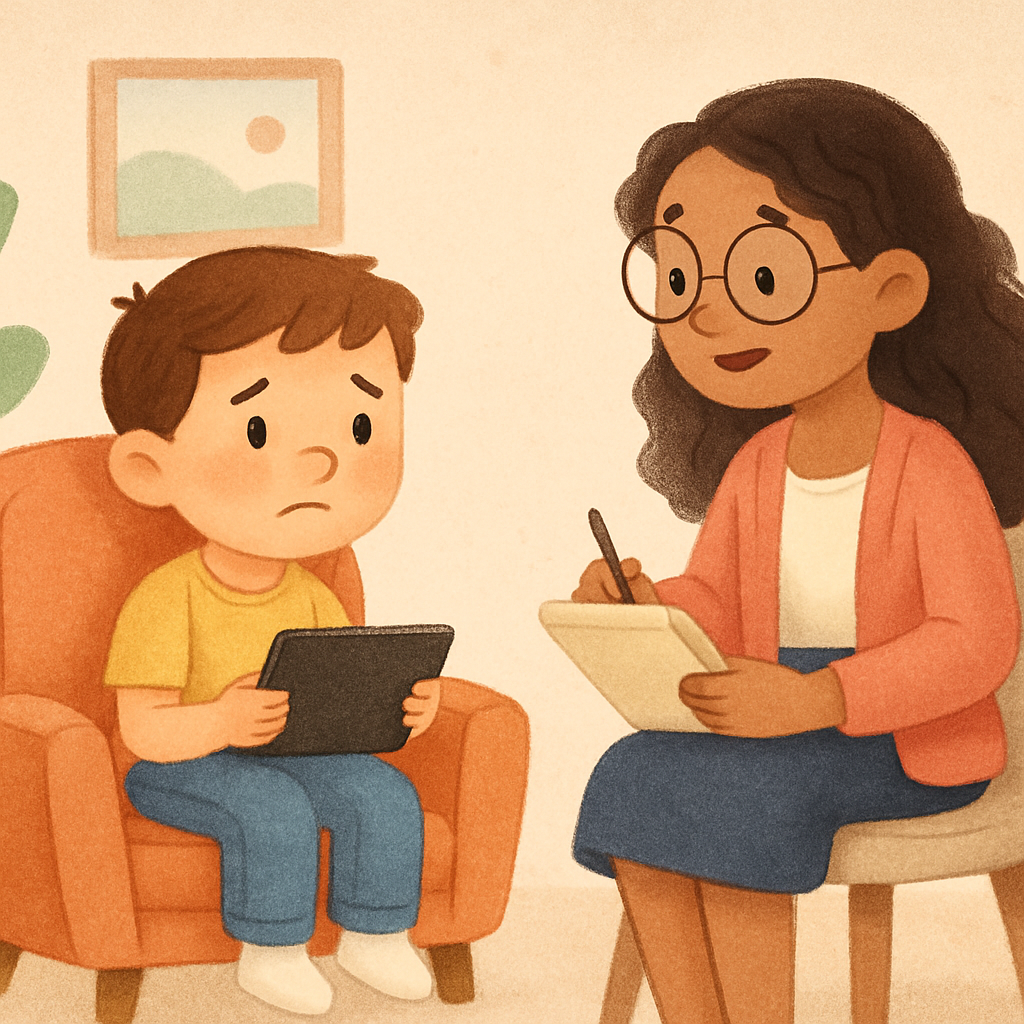
Leveraging parental control apps and settings can significantly mitigate excessive screen time among children. These tools empower parents to monitor and restrict access to various forms of electronic media, facilitating healthier media use that aligns with developmental needs. By setting time limits and blocking inappropriate content, families can create a structured digital environment. Additionally, many apps provide insights into children’s internet use patterns, enabling informed discussions about technology addiction. Integrating these strategies not only curtails excessive gadget use but also enhances social skills and encourages more physical activities among kids.
When and How to Seek Professional Help
If you've tried at-home strategies and your child's gadget use is still causing significant problems, it may be time to seek professional help. Recognizing that you need support is a sign of strength, not failure. A professional can provide a formal assessment and recommend the right course of action.
The process typically involves an initial assessment to understand the severity of the issue, followed by a tailored therapy plan. This might include individual counseling, family therapy, or an intervention group. The goal is to give you and your child the tools to manage the problem effectively.
Signs that Signal a Need for Intervention
It can be hard to distinguish normal adolescent behaviour from the warning signs of technology addiction. However, certain red flags strongly signal that professional intervention is necessary. The most significant sign is when gadget use leads to functional impairment in key areas of life.
If your child's school performance is declining, they are withdrawing from family and friends, or they show a complete loss of interest in all other activities, these are serious concerns. This type of problematic internet use goes beyond a simple bad habit and points to a deeper issue that needs to be addressed.
Seek help if you notice these signs:
- A significant drop in grades or failure to complete schoolwork.
- Withdrawal from social activities and isolation from friends and family.
- Neglecting personal hygiene or other basic needs.
- Continued overuse despite clear negative consequences on their health or relationships.
What to Expect During the Assessment Process
When you seek professional help, the first step is a thorough assessment. This process helps a therapist understand the extent of your child's gadget use and its impact on their life. The assessment is not just a conversation; it often involves standardized tools and diagnostic criteria.
A therapist may use questionnaires or scales, such as the Chen Internet Addiction Scale, to measure the severity of the problematic use. They will also evaluate your child's overall mental health to check for co-existing conditions like anxiety, depression, or ADHD, as these often go hand-in-hand with technology addiction.
The assessment will likely involve interviews with both you and your child to get a complete picture of the situation, including family dynamics and environmental factors. This information allows the therapist to create a personalized intervention plan for your child and family.
Finding Qualified Therapists in Australia
Finding the right behavioural therapist is a crucial step. Look for professionals who specialize in child and adolescent mental health, particularly those with experience in treating behavioural addictions. Many therapists now list technology or internet addiction as a specialty.
You can start by asking your family doctor for a referral or checking with your child's school counselor. Online resources can also be helpful. Websites for professional organizations, like the Australian Psychological Society, often have directories of qualified therapists. When searching on platforms like Google Scholar, you can find researchers and clinicians who are experts in this field. The World Health Organization also provides guidelines that can inform your search.
When contacting potential therapists, be sure to ask about:
- Their experience with treating technology addiction in children.
- The types of therapy they offer (e.g., CBT, family therapy).
- Their approach to involving parents and family in the treatment process.
Conclusion
In summary, managing excessive gadget use among children is crucial for their overall well-being and development. By recognizing the signs of problematic usage and understanding the underlying factors that contribute to tablet dependency, parents can implement effective strategies at home. Therapy can play a vital role in addressing these issues, providing structured sessions that involve family participation and promoting healthier digital habits. Whether through setting clear boundaries or encouraging engaging alternatives, fostering a balanced relationship with technology is essential. If you're concerned about your child's gadget use, don't hesitate to seek professional help. A qualified therapist can provide valuable guidance tailored to your family's needs.
Reach out for a consultation or call daar at 02 9133 2500 for expert guidance tailored to your child’s needs.
Frequently Asked Questions
How does occupational therapy reduce excessive gadget use?
Occupational therapy helps by focusing on meaningful activities beyond screens. A therapist can help your child develop better social skills and motor skills through physical activity and structured play. This approach helps set time limits on problematic internet use by building a routine filled with engaging, real-world alternatives.
What are effective ways to break tablet dependency at home?
Effective strategies include setting clear time limits, creating tech-free zones like bedrooms, and encouraging alternative activities such as board games or outdoor play. Building healthy screen habits as a family through consistent parental involvement is key. Modeling balanced technology use yourself is one of the most powerful tools.
How can therapy help in managing my child's gadget use?
Therapy can provide tailored strategies to help children recognize and modify their gadget use behaviours. Through structured sessions, kids learn coping mechanisms, improve emotional regulation, and develop healthier routines, fostering a balanced relationship with technology while enhancing family engagement in the process.
.svg)




.svg)