
.png?width=48&height=48&name=Group%201%20(3).png)























6 February, 2026

Behaviour Therapy for Gadget Addiction: Reclaiming Your Child’s Childhood
In living rooms across the world, a silent battle is being waged. It isn't fought with shouting matches (though those certainly happen), but with the soft glow of blue light. It is the battle for our children's attention.
Tablets, smartphones, and gaming consoles are incredible tools. They educate, entertain, and connect us. But for many families, the line between "healthy use" and "dependency" has blurred. If you have ever watched your child spiral into a meltdown because the Wi-Fi cut out, or if you feel like you are co-parenting with an iPad, you are likely dealing with the modern phenomenon of gadget addiction.
You are not alone, and more importantly, you are not powerless. Behaviour therapy for gadget addiction is an evidence-based approach that helps families move from digital chaos to digital balance. It isn't about smashing the tablet; it is about rewiring the habits and emotional responses associated with it.
Understanding the Pull: Why Is It So Hard to Stop?
To understand why behaviour therapy for gadget addiction is necessary, we first need to understand the mechanism of the addiction itself.
Digital devices are designed to be habit-forming. Video games, social media feeds, and streaming apps utilize "variable reward schedules"—the same psychological principle behind slot machines. Every notification, level up, or "like" releases a hit of dopamine in the brain.
For a child or teenager with a developing brain, this dopamine loop is incredibly powerful. When the device is taken away, dopamine levels crash, leading to irritability, anxiety, and the explosive anger parents often witness. This isn't just "bad behaviour"; it is a physiological response to withdrawal.
What is Behaviour Therapy for Gadget Addiction?
Behaviour therapy for gadget addiction is not a one-size-fits-all punishment. It is a structured, therapeutic process designed to modify the behaviours surrounding screen use. It focuses on self-regulation, emotional management, and the development of alternative interests.
Here is how it works in practice:
1. Identifying the Triggers
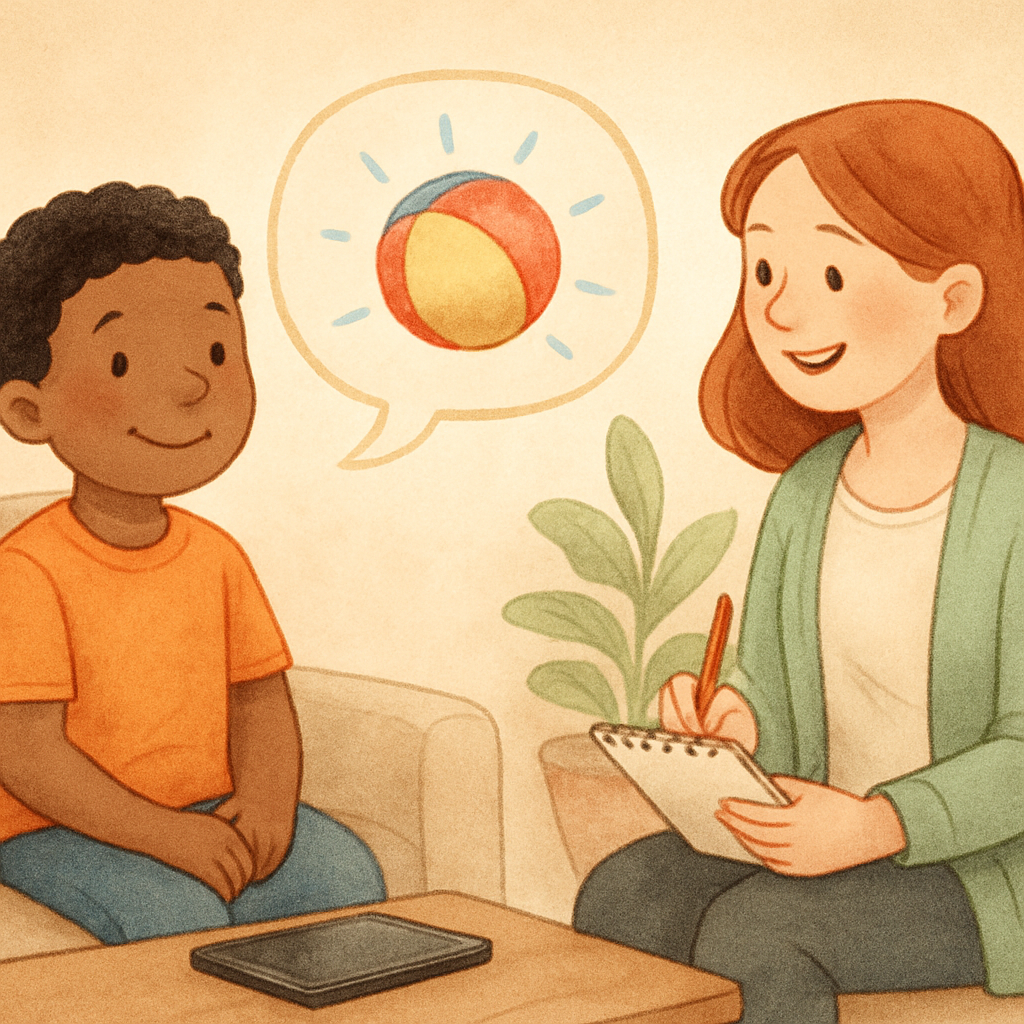
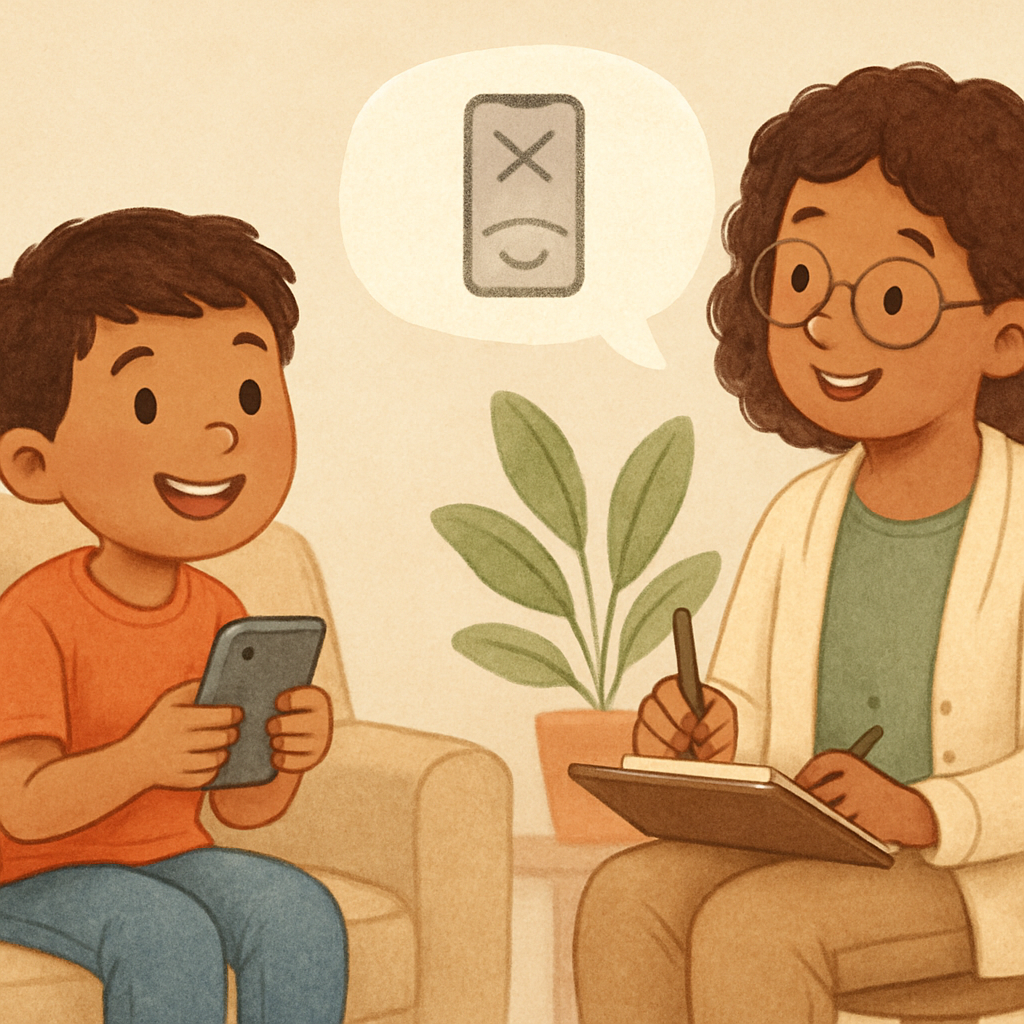
Behavioural Therapy is a cornerstone of this approach. A therapist works with the child to identify why they are reaching for the device.
- Is it boredom?
- Is it social anxiety?
- Is it a way to escape academic pressure?
By understanding the emotional trigger, the child can learn new coping mechanisms that don't involve a screen.
2. Restructuring the Environment
Willpower is a finite resource, especially for kids. Behaviour therapy emphasizes changing the environment to make success easier. This might involve:
- Creating "tech-free zones" (e.g., the dinner table, bedrooms).
- Using "tech-free times" (e.g., one hour before bed).
- Removing chargers from bedrooms to prevent late-night scrolling.
3. Replacement Behaviours
You cannot just remove a habit; you have to replace it. If a child uses gaming to decompress after school, behaviour therapy for gadget addiction helps find a replacement activity that serves the same function—like shooting hoops, reading comics, or walking the dog.
Signs Your Child Might Need Professional Support
How do you know when it is time to seek behaviour therapy for gadget addiction? Here are the red flags that suggest the issue has gone beyond typical childhood screen use:
- Loss of Interest: The child abandons hobbies, sports, or friends they previously loved.
- Deception: Lying about how much time is spent online or sneaking devices at night.
- Withdrawal Symptoms: displaying intense anger, anxiety, or depression when separated from the device.
- Interference with Daily Life: Grades are dropping, hygiene is neglected, or sleep is disrupted.
- Failed Limits: You have tried to set boundaries, but the child cannot stick to them, or the conflict becomes unsafe.
Practical Strategies for Parents
While professional therapy is invaluable, you can start implementing therapeutic principles at home today.
The "Grandma’s Rule" (Premack Principle)
This is a classic behavioural technique. It states that a high-probability behaviour (screen time) can be used to reinforce a low-probability behaviour (chores/homework).
- Instead of: "Stop playing and do your homework."
- Try: "As soon as your homework is done, you earn your 30 minutes of game time."
This shifts the dynamic. The gadget becomes a reward for responsibility, not a right.
Co-Regulation and Connection
Often, gadget addiction is a symptom of disconnection. Behaviour therapy for gadget addiction often involves family therapy to rebuild bonds.
- Co-View: Don't just banish them to their room with the iPad. Sit with them. Ask about the game.
- Bridge Activities: Help them transition off the screen by engaging in a physical activity together immediately after the timer goes off.
Visual Timers
Time is abstract in the digital world. Use a physical, visual timer (like a sand timer) so the child can see time running out. This helps the brain prepare for the transition, reducing the likelihood of a meltdown.
Conclusion
The digital age has brought wonderful things, but it has also brought a unique set of challenges for parents. If you are struggling with a child who seems lost in the screen, remember that this is not a failure of parenting. It is a challenge of the modern environment.
Behaviour therapy for gadget addiction offers a roadmap out of the struggle. By understanding the "why" behind the behaviour and implementing consistent, compassionate strategies, you can help your child look up from the screen and re-engage with the vibrant, real world around them.
If the battle over screens is taking a toll on your family’s happiness, don't wait. Our team specializes in child behaviour and digital wellness.
Contact us today to schedule a consultation or call daar at 02 9133 2500 and find a path toward a healthier, more connected family life.
Frequently Asked Questions (FAQ)
Is gadget addiction a real clinical diagnosis?
While "Internet Gaming Disorder" is listed in the DSM-5 (the manual used by mental health professionals) as a condition for further study, "gadget addiction" is not yet a formal diagnosis. However, the symptoms—compulsive use, withdrawal, and negative impact on life—are very real and treatable through therapy.
How long does behaviour therapy for gadget addiction take?
There is no set timeline. Some families see improvements in a few weeks as they implement new structures. For children with underlying issues like ADHD or anxiety, therapy may take several months to build lasting self-regulation skills.
What if my child refuses to go to therapy?
This is common. You can start by attending parent coaching sessions yourself. A therapist can equip you with strategies to manage the environment and boundaries at home, which often leads to changes in the child's behaviour even if they never step foot in the office.
.svg)




.svg)