
.png?width=48&height=48&name=Group%201%20(3).png)























5 February, 2026

Leveling Up Real Life: Excessive PlayStation Use Intervention for Kids
Introduction
For many children, the PlayStation isn't just a console; it’s a portal to another world. It’s where they achieve status, socialize with friends, and experience the thrill of victory. However, when the console stays on for hours on end, homework is neglected, sleep is sacrificed, and mood swings become volatile, a hobby has likely crossed the line into a dependency.
Parents often feel helpless against the allure of high-definition graphics and immersive gameplay. You might have tried unplugging the cord, hiding the controllers, or setting strict timers, only to be met with explosive meltdowns or sneaky behavior. This is a common struggle in the digital age, but it is solvable.
This guide focuses on excessive PlayStation use intervention for kids. We will move beyond simple advice and explore clinical and therapeutic approaches, including behaviour therapy and screen use behavior modification. By understanding the psychology behind the addiction and implementing structured screen time control therapy, you can help your child put down the controller and pick up their life again.
The Psychology of the Console: Why They Can't Quit
To effectively intervene, we must first understand the "why." Modern video games are designed using variable ratio reinforcement schedules—the same psychological mechanism used in slot machines.
- The Dopamine Loop: Every achievement, level-up, or loot box triggers a dopamine release. The brain begins to crave this chemical hit, making "real life" activities (like reading or chores) feel dull by comparison.
- Social Obligation: Many PlayStation games are multiplayer. Kids feel a genuine obligation to their "squad" or team. Quitting a game mid-match can feel like a social betrayal, adding peer pressure to the addiction.
- Escapism: For children struggling with anxiety, bullying, or academic pressure, the game world offers a safe harbor where they are in control and powerful.
Recognizing these drivers is the first step in excessive gadget use therapy. It shifts the conversation from "You are being naughty" to "Your brain is stuck in a reward loop, and we need to fix it."
Signs Your Child Needs Intervention
How do you distinguish between a passionate gamer and a child in crisis? Look for these indicators that suggest the need for excessive PlayStation use intervention for kids:
- Preoccupation: The child talks about the game constantly, even when not playing.
- Tolerance: They need increasing amounts of time to feel satisfied. An hour used to be enough; now they need four.
- Deception: Lying about how long they have been playing or playing late at night when parents are asleep.
- Withdrawal: Irritability, anxiety, or sadness when the PlayStation is inaccessible.
- Displacement: Gaming has replaced other interests, sports, and face-to-face social interactions.
Core Therapeutic Approaches
When home rules fail, professional methodologies can provide the structure needed for change.
1. Behaviour Therapy
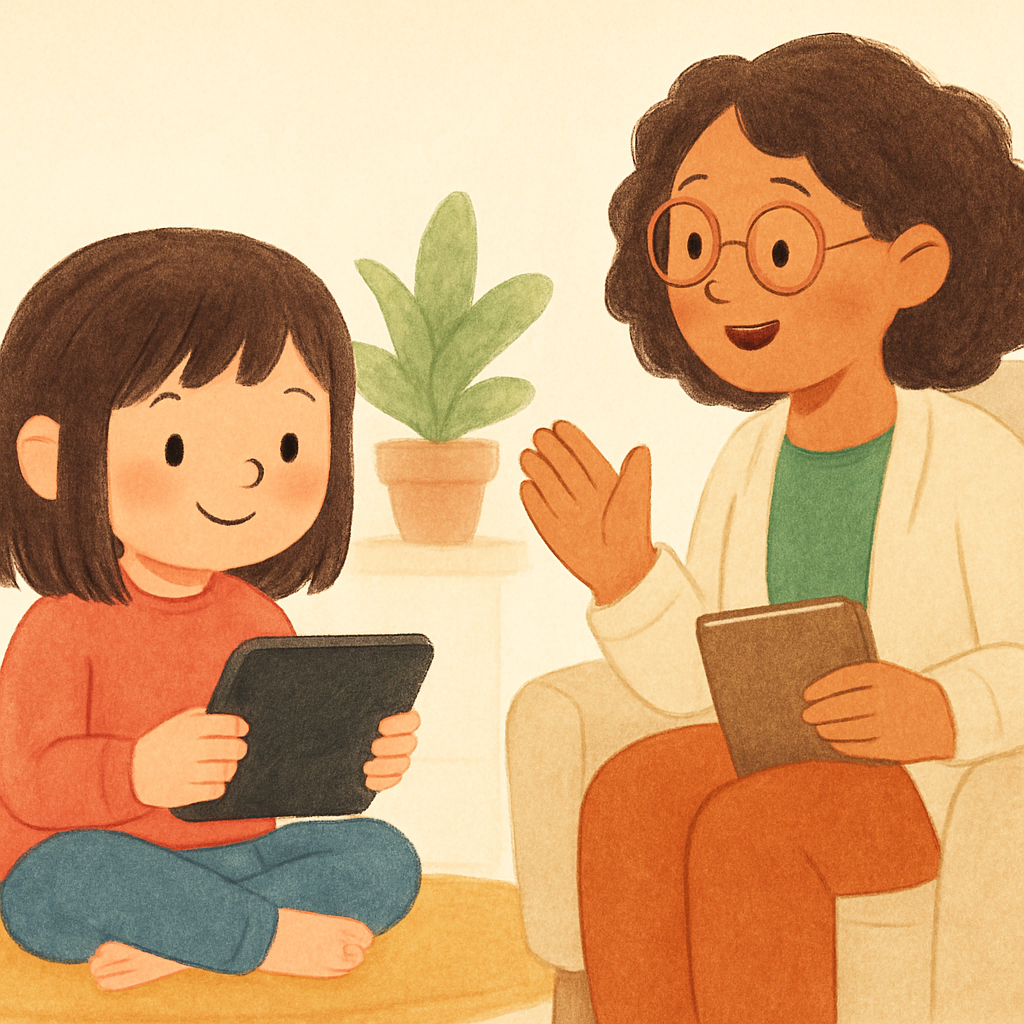
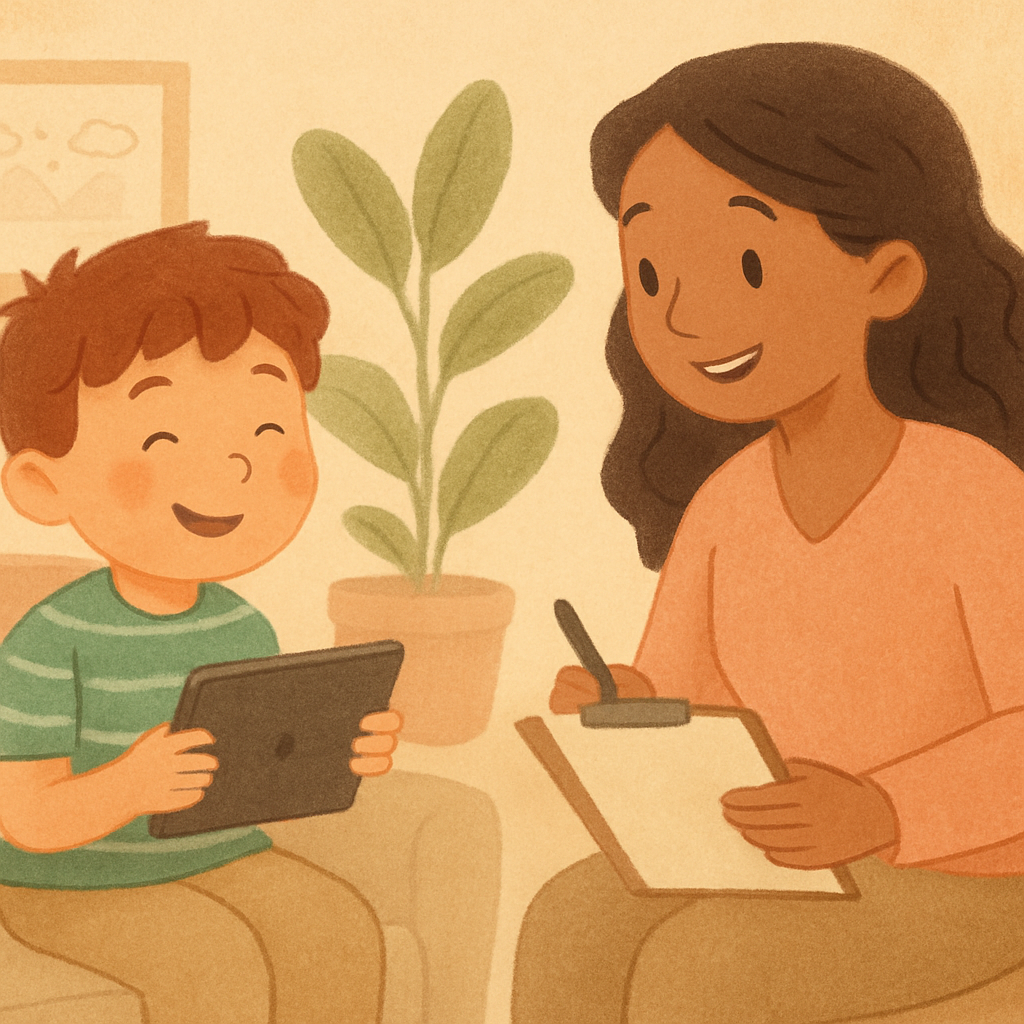
Behaviour therapy is highly effective for gaming issues. It operates on the premise that thoughts, feelings, and behaviors are interconnected.
In the context of PlayStation overuse, a therapist helps the child identify the trigger for gaming. Are they playing because they are bored? Lonely? Stressed?
- Cognitive Restructuring: The therapist helps the child challenge the belief that "I can't handle my day without gaming."
- Skill Building: The child learns emotional regulation skills, so they don't need the console to soothe their anxiety.
2. Screen Use Behavior Modification
Screen use behavior modification is a practical, action-oriented approach. It focuses on changing the environment and the habits surrounding gaming.
- The Premack Principle: This is often called "Grandma’s Rule"—eat your veggies before you get dessert. In therapy, this translates to "high-probability behaviors" (gaming) being contingent on "low-probability behaviors" (homework, chores, outdoor play).
- Stimulus Control: This involves altering the environment to reduce temptation. This might mean moving the PlayStation from the bedroom to the living room or using a lockbox for controllers during non-gaming hours.
- Graduated Exposure: Instead of banning games entirely (which can lead to rebellion), usage is tapered down systematically, allowing the brain to adjust to lower dopamine levels.
3. Screen Time Control Therapy
Screen time control therapy often involves the whole family. It acknowledges that screen habits are systemic. If parents are glued to their phones, it is harder to enforce limits on the child.
This therapy focuses on:
- Contracting: Creating a written "Family Media Agreement" that outlines clear rules and consequences.
- Tech-Free Zones: Establishing areas of the home (dining room, bedrooms) where no screens are allowed.
- Digital Curfews: Hard stops for all electronics one hour before sleep to ensure melatonin production and rest.
Implementing an Intervention Plan at Home
If you are ready to start excessive PlayStation use intervention for kids, follow this step-by-step roadmap.
Step 1: The Pattern Interrupt
You need to break the cycle. This often requires a "digital detox" period. This could be a weekend or a full week where the console is completely removed.
- Warning: Expect pushback. This is the withdrawal phase.
- Action: Fill the void. You cannot remove the gaming and leave a vacuum. Plan family outings, board games, or physical activities to generate natural dopamine.
Step 2: The Reintroduction (With Limits)
Once the detox is over, the console can return, but only under strict screen use behavior modification rules.
- No Gaming on School Nights: Limit play to weekends to prioritize education and sleep.
- Earned Time: Gaming time must be "purchased" with completed tasks (homework, room cleaning, walking the dog).
Step 3: Emotional Coaching
Use the principles of behaviour therapy to talk to your child. Instead of yelling "Turn it off!", ask:
- "I notice you seem really angry when you lose a match. Why do you think that is?"
- "How does your body feel after sitting there for three hours?"
Helping them connect the physical and emotional dots increases self-awareness.
Alternative Activities: The Key to Success
Excessive gadget use therapy fails if the child has nothing else to do. You must help them rediscover offline joys.
- Physical Competency: Martial arts, rock climbing, or team sports offer the same "leveling up" satisfaction and adrenaline as gaming.
- Creation over Consumption: If they love the graphics of games, encourage coding classes or digital art. Turn them from a consumer into a creator.
- Tabletop Gaming: Dungeons & Dragons or complex board games offer the strategy and fantasy elements of video games but require face-to-face social interaction.
Conclusion
Addressing a gaming dependency is a marathon, not a sprint. Excessive PlayStation use intervention for kids requires patience, consistency, and a thick skin. There will be bad days, and there will be relapses.
However, by utilizing behaviour therapy techniques and maintaining strict screen use behaviour modification plans, you are giving your child a gift. You are teaching them how to exist in a world full of digital distractions without being consumed by them. You are helping them reclaim their sleep, their grades, and their childhood. The console can stay, but it must no longer be the captain of the ship.
If you’re considering therapy, reach out for a consultation or call daar at 02 9133 2500 for expert guidance tailored to your child’s needs.
Frequently Asked Questions
My child threatens self-harm when I take the PlayStation. What should I do?
This is a serious sign of distress. Do not return the console, as this reinforces the threat behavior. However, you must seek immediate professional help from a crisis counselor or child psychologist. This indicates underlying mental health issues beyond just gaming.
How do I handle the "But all my friends are online!" argument?
Acknowledge their feelings but hold the boundary. "I understand that’s how you hang out, but we need to find a balance." Encourage them to invite friends over for offline activities. You can also schedule specific "social gaming" blocks on weekends.
Can software controls replace therapy?
Parental control software is a tool, not a cure. It helps enforce limits, but it doesn't teach self-regulation. Screen time control therapy is necessary to teach the child how to manage their own impulses eventually.
.svg)




.svg)