
.png?width=48&height=48&name=Group%201%20(3).png)























3 April, 2026

Pediatric Speech Pathology Canterbury: A Complete Guide
Key Highlights
- Pediatric speech pathology in Canterbury helps young people and children overcome a wide range of communication difficulties.
- Early intervention is vital for addressing speech and language issues, supporting a child's overall development.
- Qualified therapy services create personalized plans to meet each child's unique needs.
- Therapy improves more than just speech; it builds confidence and enhances communication skills.
- Sessions are designed to be fun and engaging, making learning effective and positive.
- Support is available for various conditions, helping your child build a strong foundation for the future.
Introduction
Watching your child grow is a journey filled with incredible milestones, and their language development is one of the most exciting. But what happens if your child faces challenges in communicating, like speech disorders? You are not alone. Many children experience communication issues that affect their ability to express themselves. This is where pediatric speech pathology comes in. A qualified speech therapist provides the necessary tools and support to help children overcome these hurdles, building confidence and fostering clearer communication for a brighter future.
Understanding Pediatric Speech Pathology in Canterbury
Pediatric speech pathology and occupational therapy are specialized fields dedicated to helping children with communication difficulties. In Canterbury, a qualified speech therapist assesses a child’s unique communication needs to create a personalized plan that supports their language development and builds essential communication skills.
Finding the right support for your child is a key first step. There are many friendly and professional speech pathology services available in the area that focus on making therapy, including exercise physiology, a positive and effective experience for both children and their families.
What is Pediatric Speech Pathology and How It Supports Children
Pediatric speech pathology is the scientific study and diagnosis of speech, language, and communication disorders in children. A language therapist, or speech pathologist, uses this knowledge to provide specialized therapy services that address a wide range of communication difficulties in daily life. Their goal is to help children express themselves clearly and connect with others confidently. In Canterbury, families can access bilingual and multicultural speech therapists who understand and support the unique needs of children from diverse language and cultural backgrounds, ensuring that therapy is tailored to each child's individual context.
For children facing these challenges, support is crucial. A speech pathologist conducts assessments to understand the root of the problem and then designs a tailored treatment plan that is compatible with the national disability insurance scheme. This plan uses engaging, evidence-based techniques to make learning feel like play, helping children build new skills in a supportive environment.
Early childhood speech pathology services in Canterbury are accessible through various private practices and organizations. These services focus on early intervention, using play-based methods to help young children develop the foundational skills they need for successful communication at home, school, and in the community, taking into account each child’s strengths.
Differences Between Speech Therapy and Language Therapy
While often used interchangeably, speech therapy and language therapy target different aspects of communication challenges. A speech therapist focuses on the physical production of sounds and speech clarity.
In contrast, a language therapist works on understanding and using language. This includes building vocabulary, structuring sentences, and comprehending what others are saying. Both are essential components of language development and are often addressed by the same professional.
Here’s a quick breakdown:
- Speech Therapy: Focuses on articulation, or the correct pronunciation of speech sounds.
- Language Therapy: Addresses receptive language (understanding) and expressive language (sharing thoughts).
- Fluency: Manages issues like stuttering to improve the flow of speech.
Who Needs Speech Therapy Canterbury Services?
Wondering if speech therapy is right for your family? These services support children with various communication challenges, especially considering that waiting times can affect access. If you’re concerned about your child’s speech, understanding, or social interactions, a speech therapist can help.
They assess your child’s needs and develop a personalized plan to support their growth. An initial evaluation determines if targeted support could benefit your child and gathers important information to make a real difference. Below, we’ll highlight signs to watch for and which age groups may benefit.
Identifying Signs of Speech and Language Delays
Children develop at their own pace, but certain signs may signal speech and language delays. These challenges can make it hard for your child to express themselves or for you to understand them. If necessary, you may be asked to join a waiting list to access timely support. Early recognition is key to getting the right support.
Common red flags include:
- Difficulty being understood by others
- Limited vocabulary for their age
- Trouble following simple directions
Your child may need speech therapy if you notice:
- No babbling or sounds by 12 months
- Trouble forming sentences by age 2
- Not understood by familiar adults by age 3
- Difficulty retelling simple stories or answering questions by age 4
- Frequent frustration when communicating
Age Groups Served by Pediatric Speech Pathologists
Pediatric speech pathologists work with a wide range of age groups, from infants to young adults. While they support people of all ages, their primary focus is on being part of the young children and teens (0-18 years old). Early childhood speech pathology services are crucial for toddlers and preschoolers, as this is a critical period for language development.
The support provided by the occupational therapist is always tailored to the child's needs and developmental stage. For younger children, therapy is play-based and focuses on building foundational skills. For school-aged children, the focus may shift to literacy, social communication, and skills that support success in the child’s school environment.
Therapy is adapted to be age-appropriate and effective for each group.
|
Age Group |
Focus of Therapy |
|---|---|
|
0-3 years |
Building core developmental and communication skills, parent coaching. |
|
4-6 years |
Improving speech clarity, expanding vocabulary, and school readiness. |
|
7-12 years |
Developing literacy, social skills, and complex language comprehension. |
|
13-18 years |
Advanced social communication, self-advocacy, and functional life skills. |
Common Conditions Treated in Pediatric Speech Therapy Canterbury
Pediatric speech therapy in Canterbury addresses a wide variety of communication difficulties. It's a common misconception that therapists only help with stutters or lisps. In reality, they are equipped to treat many conditions, including speech sound disorders, language disorders, and social communication challenges often associated with social situations and autism spectrum disorder.
A speech pathologist can diagnose the issue and create a targeted treatment plan. Booking an initial assessment is the best way to understand the specific condition, including Parkinson’s disease, and how therapy can help. Let's look closer at some of the common conditions that can be improved with professional support.
Speech Sound Disorders and Language Disorders
Two common issues addressed in pediatric speech therapy are language disorders and speech sound disorders. While both affect communication, they differ:
- Language disorders involve difficulty understanding (receptive) or expressing (expressive) language, making it hard for a child to build vocabulary or form sentences.
- Speech sound disorders affect the production of sounds, including articulation problems (trouble making specific sounds) and phonological disorders (patterns of sound errors), impacting speech clarity. In some cases, speech sound disorders may arise from conditions such as traumatic brain injury.
Speech and language therapy helps with:
- Language disorders: Understanding or expressing language
- Speech sound disorders: Pronunciation and sound patterns
- Literacy: Reading and writing skills
- Voice: Pitch, volume, and quality
- Overall communication confidence
Childhood Apraxia of Speech, Stuttering, and Fluency Issues
Speech therapists play a key role in treating fluency issues like stuttering, which disrupts speech with repetitions or blocks and can lead to frustration and social challenges. Therapy teaches strategies to manage these disruptions and improve speech flow.
Childhood Apraxia of Speech (CAS) is another complex disorder where the brain struggles to coordinate the movements needed for speech. Children with CAS know what they want to say but have difficulty forming words correctly.
Both conditions require specialized, frequent therapy. With expert support, children can improve their speech consistency and build confidence.
Early Intervention and Its Benefits in Canterbury
When it comes to speech and language development, early intervention can make all the difference. Starting therapy services as soon as a concern arises helps children build core skills from a young age, enabling them to live a life with less limits. This early intervention support is designed to be family-centered, involving family members in the process to support the child's progress at home.
In Canterbury, accessing these autism assessments services is straightforward, with many providers offering specialized programs for young children. The benefits extend beyond just speech, positively impacting a child's social skills, confidence, and readiness for school. Let's explore why acting early is so important.
Why Early Childhood Speech Pathology Matters
Early childhood speech pathology is crucial because the first few years of life are a critical window for language development. Addressing communication challenges during this time can prevent them from becoming more significant hurdles later on. Early intervention helps capitalize on a young child's natural ability to learn, ensuring their child’s progress is optimal.
A speech pathologist will start by getting to know your child and their unique strengths to identify their specific needs. They use this understanding to create a personalized plan that turns therapy into a positive and playful experience. This approach helps children build essential skills without feeling pressured.
By addressing communication challenges early, you give your child the best possible start. Early intervention, including parent training, not only improves speech and language but also boosts confidence, social skills, and overall well-being. Accessing these services in Canterbury can set your child on a path to successful communication for life.
Positive Outcomes for Families and School Readiness
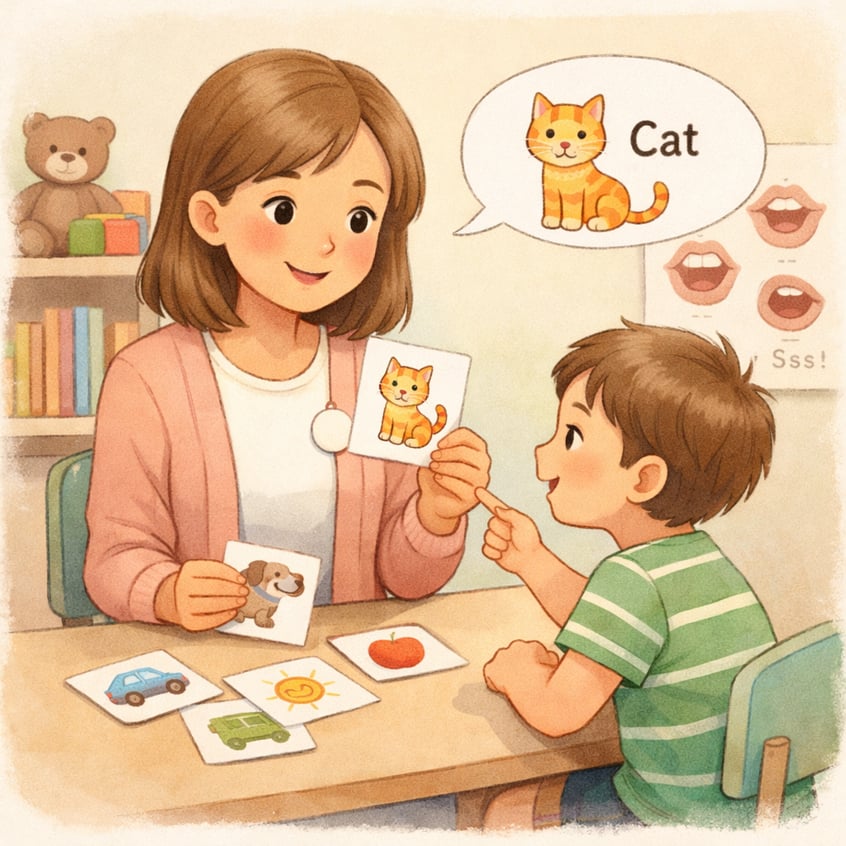
The benefits of early speech therapy extend far beyond the child. When a child's communication improves, it enhances the quality of life for the entire family and positively impacts their everyday life. Family members learn practical strategies to support their child during daily routines, which can reduce frustration and strengthen family bonds.
Better communication skills also contribute to positive behaviour support in daily living. As children become better at expressing their needs and feelings, challenging behaviours often decrease. This creates a more harmonious home environment and helps build a child's confidence.
Starting therapy early also has a direct impact on school readiness. Key outcomes include:
- Improved Social Skills: Children are better equipped to make friends and participate in group activities.
- Enhanced Learning: Strong language skills are the foundation for reading, writing, and academic success.
- Increased Independence: Children gain the confidence to navigate the school environment on their own.
Conclusion
In conclusion, pediatric speech pathology plays a crucial role in supporting children's communication development and addressing any developmental delays or delays they may face. By understanding the importance of early intervention, parents can make informed decisions that positively impact their child's growth. It's essential to recognize the signs of speech and language issues and seek support from qualified professionals in Canterbury. With the right guidance and therapy, children can achieve significant improvements, leading to better social interactions and academic success.
If you believe your child may benefit from speech therapy, don’t hesitate to reach out for a consultation or call daar at 02 9133 2500 to explore the best options available. Your child's journey to effective communication starts today!
Frequently Asked Questions
How can I tell if my child needs speech therapy in Canterbury?
If you notice your child has language delays, struggles to be understood, or has difficulty with social communication skills, it may be time to consult a speech therapist. An initial speech pathology assessment can determine the next steps regarding whether therapy sessions would be beneficial for their development and confidence.
What should I expect during a pediatric speech therapy session?
Pediatric therapy sessions are designed to be fun and engaging, often feeling like playtime. A speech pathologist uses games and activities to work on communication difficulties, correct speech sounds, and build confidence. These language therapy services are tailored to your child's specific goals and interests, incorporating health services as needed.
Are mobile or home-based speech therapy services available in Canterbury?
Yes, many providers in Canterbury offer flexible therapy services, including mobile or home-based options. A speech therapist can come to your home, school, or childcare center. As a registered NDIS provider, many private practice clinics can incorporate these services into your NDIS plan for convenience with a large team of therapists available to assist you.
.svg)




.svg)