
.png?width=48&height=48&name=Group%201%20(3).png)























3 April, 2026

Early Childhood Speech Therapy Canterbury: A Guide
Key Highlights
- Early childhood speech therapy in Canterbury helps toddlers and children develop essential communication skills.
- Speech pathology addresses a range of issues, including language delays, articulation problems, and stuttering.
- Early intervention is crucial for improving long-term language development and social abilities.
- Services include clinic-based sessions, in-home therapy, and group programs to suit different needs.
- Funding options like the NDIS can make speech therapy more accessible for families.
- A speech pathologist creates personalized therapy plans to help children reach their full potential.
Introduction
Welcome to your guide on early childhood speech therapy in Canterbury. If you've ever wondered how to support your child's communication journey, you're in the right place. Speech therapy is a key service that helps children build confidence in their speech, listening, and interactions with the world. A speech pathologist, sometimes working alongside occupational therapists, can provide tailored support for your child's unique needs, setting them up for a future of clear and effective communication.
Understanding Early Childhood Speech Therapy in Canterbury
Early childhood speech therapy in Canterbury provides specialized support for young children facing communication difficulties. The goal is to identify challenges early and offer effective strategies, including physical therapy, to foster healthy language development. This support is vital for building a strong foundation for learning and social interaction.
Whether your child or other young people are just starting to talk or have specific hurdles to overcome, a therapist can guide them. Let's explore what this therapy involves and how it can benefit your child.
What Is Early Childhood Speech Therapy?
Early childhood speech therapy, or speech pathology, helps young children develop communication skills. Speech pathologists assess, diagnose, and treat various speech and language challenges, focusing on early intervention as soon as delays are noticed.
Therapy goes beyond correcting pronunciation—it addresses all aspects of communication, from understanding language to expressing thoughts and feelings, helping individuals reach their full communication potential. Clinics in Canterbury offer individual sessions, group programs, and assessments to create personalized plans.
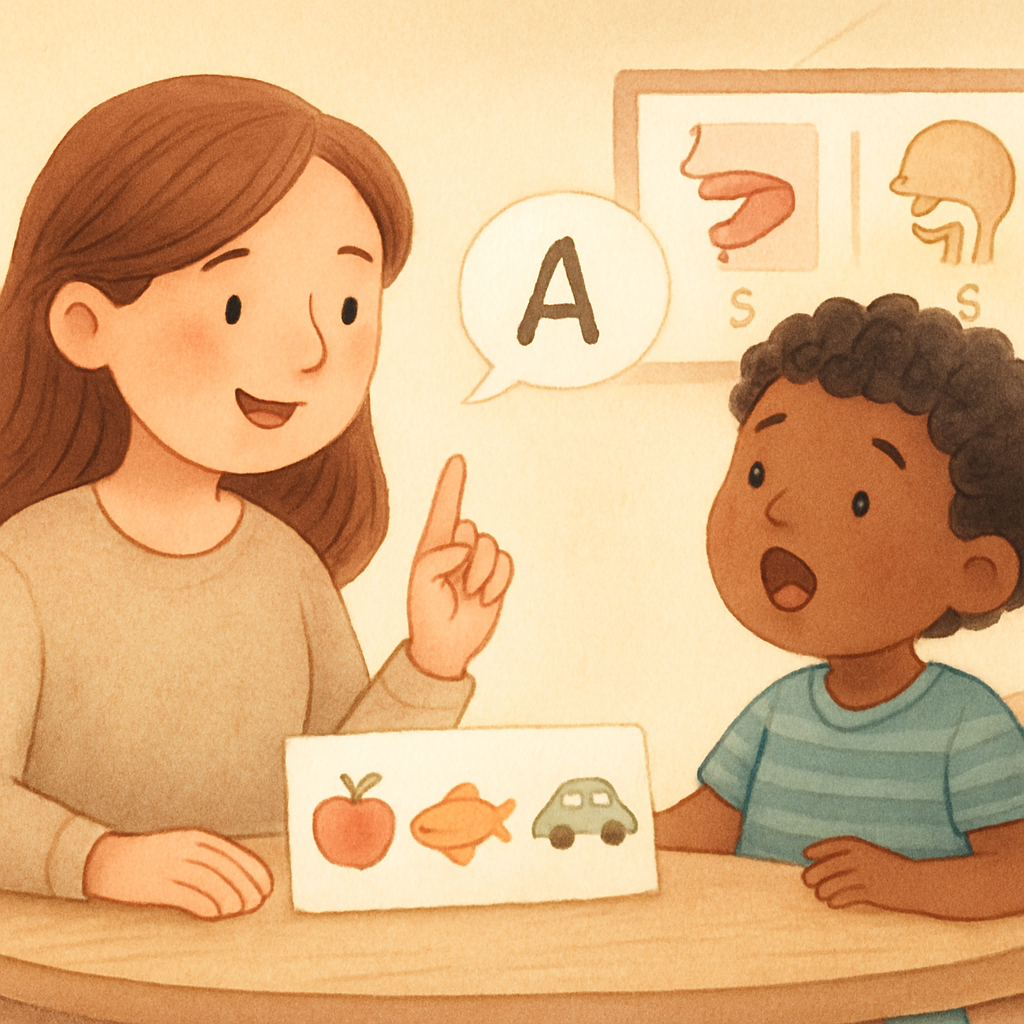
Working with a speech pathologist can help your child build confidence and effective communication skills. Therapists use evidence-based, play-based activities to make learning engaging and support your child’s full potential.
Key Benefits for Children in Canterbury
Speech therapy provides essential benefits for your child’s development, including Augmentative and Alternative Communication (AAC) interventions. Early intervention can resolve communication issues before they impact learning and social life. Improved language skills help children understand and use words more effectively.
It also boosts social skills—clear communication helps children make friends, join group activities, build confidence, and reduce frustration. Speech therapy prepares your child to interact well with peers and adults.
Main benefits of speech therapy for children in Canterbury:
- Improved Communication: Children express themselves clearly and gain confidence.
- Better Social Interaction: Stronger communication leads to better friendships and smoother social experiences.
- Academic Foundation: Enhanced language skills support reading, writing, and overall academic success.
Common Conditions Addressed by Speech Therapy
Speech therapy is designed to help with a wide variety of communication challenges that children may face, including those associated with autism spectrum disorder. From minor difficulties to more significant language disorders, a trained therapist can provide the right support. Common issues include language delays, where a child's vocabulary or sentence structure is behind that of their peers.
Understanding these conditions can help you identify if your child might benefit from an assessment in a private practice. We will look at some of the most frequent challenges addressed in early childhood speech therapy, such as language delays, articulation issues, and stuttering.
Language Delays and Disorders
Language delays are a common reason young children begin speech therapy. These children develop language skills more slowly, often having smaller vocabularies or trouble forming age-appropriate sentences.
A language disorder is an atypical development pattern. Children with disorders may have difficulty understanding others or expressing their thoughts. While distinct from other developmental delays, they can sometimes co-occur.
Early intervention addresses both delays and disorders effectively. A speech pathologist can assess your child’s needs and create a support plan. Although this guide focuses on children, speech therapy also helps adults after a stroke, brain injury, or neurological conditions.
Articulation and Speech Sound Issues
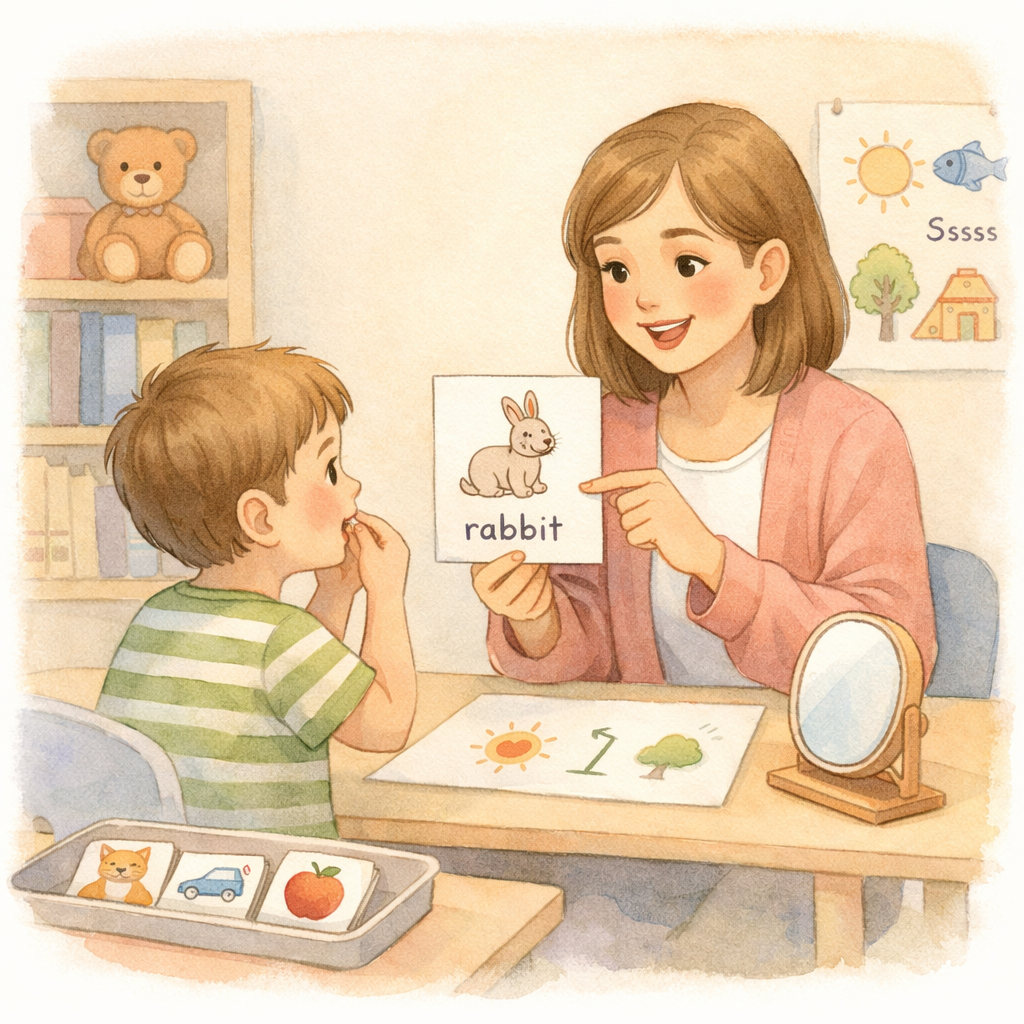
Does your child struggle with certain speech sounds? Articulation issues are common in early development and involve difficulty pronouncing specific sounds, such as saying "wabbit" instead of "rabbit."
These challenges can make it hard for others to understand your child, which can be frustrating for both the child and family. While some mistakes are normal when learning to talk, ongoing problems may need professional help.
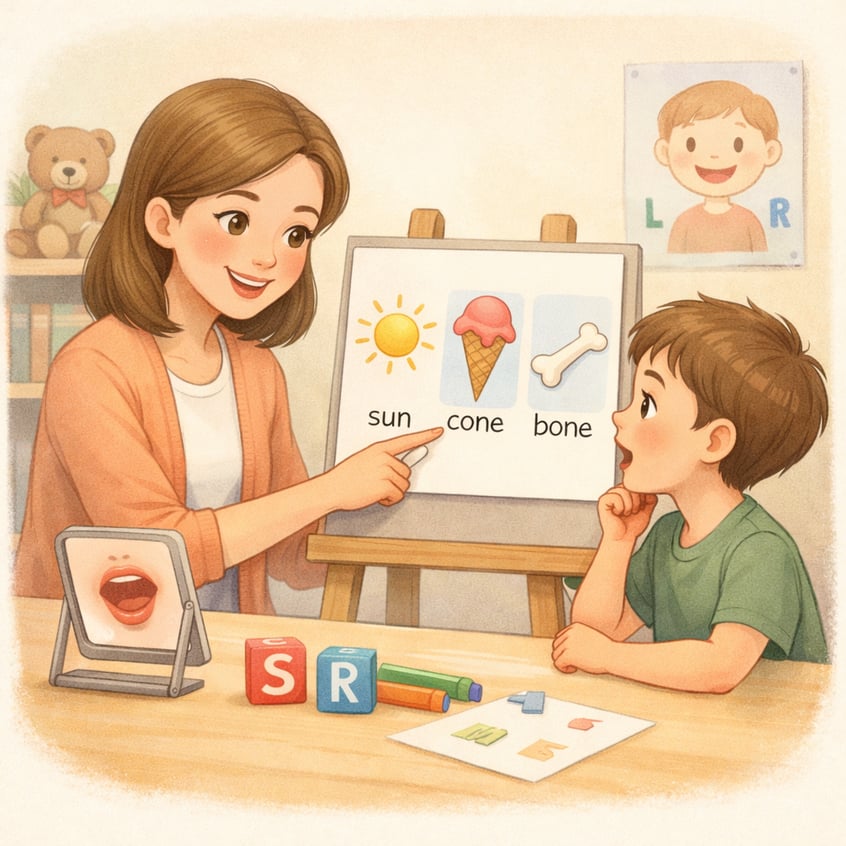
Speech pathologists assess and treat articulation issues. Through targeted exercises, speech therapy teaches children how to form sounds correctly, improving clarity and boosting confidence.
Stuttering and Fluency Challenges
Stuttering, or a fluency disorder, disrupts the flow of speech with repeated sounds, prolonged syllables, or speech blocks. This can make communication stressful for children.
Stuttering is common in young kids as they learn language, and many outgrow it. If it continues or causes distress, early speech therapy is helpful. Early intervention can prevent long-term issues.
Speech therapists teach strategies to improve fluency and manage stuttering. Programs like the Lidcombe Program are designed for young children. The goal is to reduce stuttering’s impact and build confident communication skills.
Services Offered by Canterbury Speech Therapy Clinics
Canterbury speech therapy clinics provide a variety of services to meet the diverse needs of children and families, including preschools. A speech pathologist will begin with a comprehensive assessment to understand your child's strengths and challenges, which guides the creation of an effective therapy plan. These speech pathology services are designed to be flexible and family-centered.
From sessions held in a clinic to therapy in your own home, there are options to fit your lifestyle at every stage of life. Below, we’ll explore the different types of therapy programs available, including clinic-based, mobile options, and the choice between group and individual sessions.
Clinic-Based Therapy Programs
Clinic-based speech therapy offers a structured setting for your child to learn and grow. Sessions are held at dedicated centers, like the one in Box Hill South serving Canterbury, and use specialized resources to make therapy engaging and effective, including our main therapy centre.
Your child will work with a speech pathologist from our large team who creates an individualized plan tailored to their goals. The clinic environment also allows easy collaboration with other professionals, such as occupational therapists, for comprehensive care.
Attending clinic sessions helps establish a routine and provides a focused space away from home distractions—ideal for children who benefit from structure and a formal therapy setting.
In-Home and Mobile Speech Therapy Options
Mobile and in-home speech therapy options are available in Canterbury, offering a convenient alternative to clinic visits. With mobile therapy and telehealth services, the speech pathologist comes to your home, school, or daycare, letting your child learn in a familiar setting.
In-home therapy integrates strategies into daily routines, making it easier to practice communication skills in real-life situations every step of the way. Many providers, including NDIS-registered ones, offer this flexible service.
Benefits include:
- Convenience: Saves travel time and fits your family’s schedule.
- Comfort: Your child learns in a safe, familiar environment.
- Practical Application: Therapists use your child’s own toys and books.
- Family Involvement: Parents and caregivers can easily participate and learn supportive strategies.
Group Versus Individual Sessions
When choosing speech pathology, you can select individual or group sessions, each with unique benefits that can make a real difference. The best option depends on your child's needs and therapy goals. Many Canterbury clinics offer both for kids and adults.
Individual sessions provide one-on-one attention, ideal for focused skill-building or assessments. Group sessions create a dynamic setting for practicing social skills with peers—great for social development.
Quick comparison:
|
Feature |
Individual Sessions |
Group Sessions |
|---|---|---|
|
Focus |
Personalized, specific goals |
Social interaction, peer learning |
|
Attention |
One-on-one with therapist |
Shared in a small group |
|
Best For |
Intensive skill-building, assessment |
Practicing and generalizing social skills |
|
Environment |
Quiet and focused |
Dynamic and interactive |
Accessing Speech Therapy Through NDIS and Public Services
Navigating funding for speech therapy and potential rebate options can feel overwhelming, but there are several pathways available to help you access support. In Canterbury, services can be funded through the National Disability Insurance Scheme (NDIS) or accessed via public services. Many clinics are registered NDIS providers, making it easier to use your plan's funding.
Whether you need a referral for public services or want to understand how to use your NDIS plan, options are available, including Medicare coverage. Let's look at how coverage and eligibility work for children needing speech therapy.
Coverage and Eligibility for Children
Yes, speech therapy in Sydney is often covered by the NDIS for eligible children in Canterbury. If your child has a developmental delay or disability, their NDIS plan may include funding for speech therapy through registered providers.
The NDIS Early Childhood Approach supports children under 7 with developmental delays or disabilities, helping families access services like General Practitioner (GP) reports and speech therapy to promote development and well-being. Eligibility depends on your child's needs and how their condition affects daily life.
To access public speech therapy, you usually need a referral from a doctor or pediatrician. These services are offered at community health centers and often have waitlists, so it’s best to inquire early. Therapy clinic support teams can help guide you through referrals and available options.
Conclusion
In summary, early childhood speech therapy in Canterbury plays a crucial role in supporting children with various speech and language challenges, including those who may require English language support. By addressing speech delays, articulation issues, and fluency problems, these therapy programs provide children with the tools they need for effective communication. Parents can choose from various options, including clinic-based sessions and in-home therapy, ensuring that every child receives personalized care tailored to their needs. As we continue to prioritize early intervention, we empower our children to thrive in their communication skills.
If you’re looking for guidance or specific resources, don’t hesitate to reach out for a consultation or call daar at 02 9133 2500.
Frequently Asked Questions
What Should I Expect During My Child’s First Speech Therapy Session?
Your child's first speech therapy session will typically involve an initial assessment. The speech pathologist will get to know you and your child, discuss your concerns, and engage in play-based activities to observe their communication skills, ensuring that you and your child are in safe hands. This helps the therapist create personalized therapy plans for future sessions.
Are There Speech Therapy Services for Adults in Canterbury?
Yes, many clinics in the Canterbury area offer speech pathology services for adults. A speech pathologist can help with communication or swallowing difficulties resulting from a stroke, brain injury, or progressive neurological conditions. These services aim to improve confidence and quality of life for adults facing such challenges, and you can learn more about them by contacting the clinics online, via email, or by phone.
Does Speech Therapy Support Early Intervention Needs?
Absolutely. Speech therapy is a core component of early intervention. It is designed to support young children with developmental delays by addressing communication skills and physiotherapy as early as possible. Therapists create therapy plans that help children build a strong foundation for language, literacy, and social interaction from a young age.
.svg)




.svg)