
.png?width=48&height=48&name=Group%201%20(3).png)























3 April, 2026

Effective Stuttering Therapy Canterbury for Your Child
Key Highlights
- Early intervention is crucial for addressing communication difficulties in young children. Speech pathology services help children build essential communication and social skills. Engaging speech therapy sessions are tailored to each child's unique needs and goals. For families in Canterbury seeking support through the National Disability Insurance Scheme (NDIS), funding for stuttering therapy may be available if the child has communication difficulties that significantly impact daily life. NDIS can cover speech pathology and speech therapy sessions, allowing eligible children to access specialized therapy as part of their individual plan. It's important to work with a registered provider to ensure services meet NDIS requirements.
- Speech pathology services help children build essential communication and social skills.
- Engaging speech therapy sessions are tailored to each child's unique needs and goals.
- Recognizing developmental milestones helps identify if your child needs support.
- Family collaboration is key to successful therapy and improving a child's quality of life.
- Various therapy options, including individual, group, and at-home sessions, are available.
Introduction
Watching your child grow and develop is one of life's greatest joys. A significant part of this journey is their ability to communicate their thoughts, needs, and feelings. Sometimes, children need a little extra help to find their voice. This is where paediatric speech therapy, which offers practical skills, comes in. Providing early intervention for speech and language challenges can make a world of difference, building a strong foundation for your child’s future communication skills and overall confidence.
Understanding Early Childhood Speech Pathology
Early childhood speech pathology focuses on supporting young children from a young age who have difficulties with communication. This specialized field plays a vital role in a child's overall development. Speech therapists use evidence-based techniques to help children overcome challenges with speaking, understanding language, and interacting with others.
These therapy services are designed to be engaging and effective, incorporating positive behaviour support principles. Through early intervention, a speech pathologist can address concerns before they become more significant, helping children build the skills they need to thrive at home, in school, and in life. The following sections will provide more detail on this important area.
What Is Speech Pathology for Young Children?
Speech pathology for young children focuses on diagnosing and treating communication disorders early, including aspects related to exercise physiology. It goes beyond correcting lisps, supporting speaking, listening, understanding, and social skills. Speech pathologists are trained professionals who guide children through the complexities of learning to communicate.
Therapy is tailored to each child, often using play-based activities to encourage language development and clearer speech in a fun, natural way.
The goal is to help children communicate confidently and effectively. Early intervention can greatly improve a child’s academic, social, and emotional well-being.
Common Speech and Language Concerns in Early Childhood
Many parents wonder what’s “normal” in their child’s speech and language development. While children develop at different rates, some communication challenges may require a speech pathologist’s help, such as unclear speech or trouble with social cues to upskill caregivers.
Common early childhood issues include:
- Speech Sound Disorders: Difficulty pronouncing sounds or being hard to understand, which can affect the development of the vocal cords.
- Language Delays: Late talking, limited vocabulary, or trouble forming sentences.
- Social Communication Issues: Problems with turn-taking, eye contact, or understanding body language.
- Stuttering: Repetitions, prolongations, or blocks in speech.
These issues can lead to frustration and affect emotional regulation. Early intervention builds a strong foundation for future success.
The Role of Speech Pathologists in Canterbury
In Canterbury, speech pathologists are essential partners for families supporting their child's communication development and psychological health. They offer comprehensive services—assessing, diagnosing, and treating a range of challenges from early language delays to complex disorders.
Their goal is to improve your child’s quality of life by helping them communicate better, build friendships, succeed in school, and express themselves. Therapy, through daar’s programs, is personalized to your family’s health goals and often play-based, making it engaging for children.
Speech pathologists collaborate closely with parents and caregivers, providing strategies for everyday support so progress continues beyond the clinic.
Signs Your Child May Benefit from Speech Therapy
It can sometimes be difficult for parents to know if their child's communication development is on track. While every child is unique, certain signs may suggest they could benefit from a range of services, including speech therapy sessions. Recognizing these indicators early is the first step toward getting your child the right support.
Seeking early intervention support through our graduate program can make a significant difference in a child's ability to build crucial communication and social skills, which are essential for daily living. The following sections outline key milestones and warning signs to help you decide if it's time to consult a professional.
Developmental Speech Milestones to Look For
Tracking developmental milestones helps you monitor your child’s progress. These general benchmarks guide parents and highlight what to expect at each age, making it easier to spot potential delays early.
Key communication milestones include:
- By 12 Months: Babbling various sounds, using gestures like waving, and responding to their name.
- By 2 Years: Using at least 50 words and combining two words (e.g., "more juice").
- By 3 Years: Speaking in three- to four-word sentences; mostly understood by familiar adults.
- By 4 Years: Telling simple stories and asking many "why" or "what" questions.
Watching these milestones helps you understand your child's development. If your child misses several markers, consider seeking professional guidance.
Recognizing Early Warning Signs of Delays
Watch for warning signs of communication difficulties beyond missed milestones. Early intervention makes a significant difference, so don’t “wait and see” if you have concerns.
Signals include a limited vocabulary for your child’s age, trouble following simple instructions, frustration when communicating, or not combining words into short phrases by age two or three. Subtle signs may involve difficulty with back-and-forth conversations or not using gestures.
Social communication challenges can be addressed with tools like social stories. If you notice any of these signs, seek professional guidance promptly.
When to Consult a Speech Pathologist in Canterbury
If you’re concerned about your child’s speech, language, or communication development, it’s best to consult an autism daar speech pathologist as soon as possible. Early intervention leads to better outcomes. You can book an assessment with a private speech pathologist in Canterbury without a doctor’s referral.
To find a qualified speech therapist for stuttering in Canterbury, search online for local clinics specializing in pediatric services. Choose providers who are NDIS-registered and have industry experience with stuttering. Many clinics, such as daar, also offer student placement programs and use the latest evidence-based practices.
A consultation will give you clarity and peace of mind. A qualified therapist can assess your child's development, determine if therapy is needed, and provide practical strategies to support child development at home—helping your child get the support they need to succeed.
How Speech Therapy Works in Canterbury
Once you've decided to seek help, you might wonder what speech therapy actually involves. In Canterbury, speech therapy sessions are designed to be engaging, personalized, and effective. The process is a collaborative effort between the therapist, the child, and their family members.
A supportive team will guide you through every step, from the initial assessment to ongoing therapy services. The goal is to create a positive environment where your child can build confidence and develop essential communication skills, making a meaningful difference in their development. The following sections explore what you can expect from speech therapy sessions and the different delivery options available.
Overview of Speech Therapy Sessions for Children
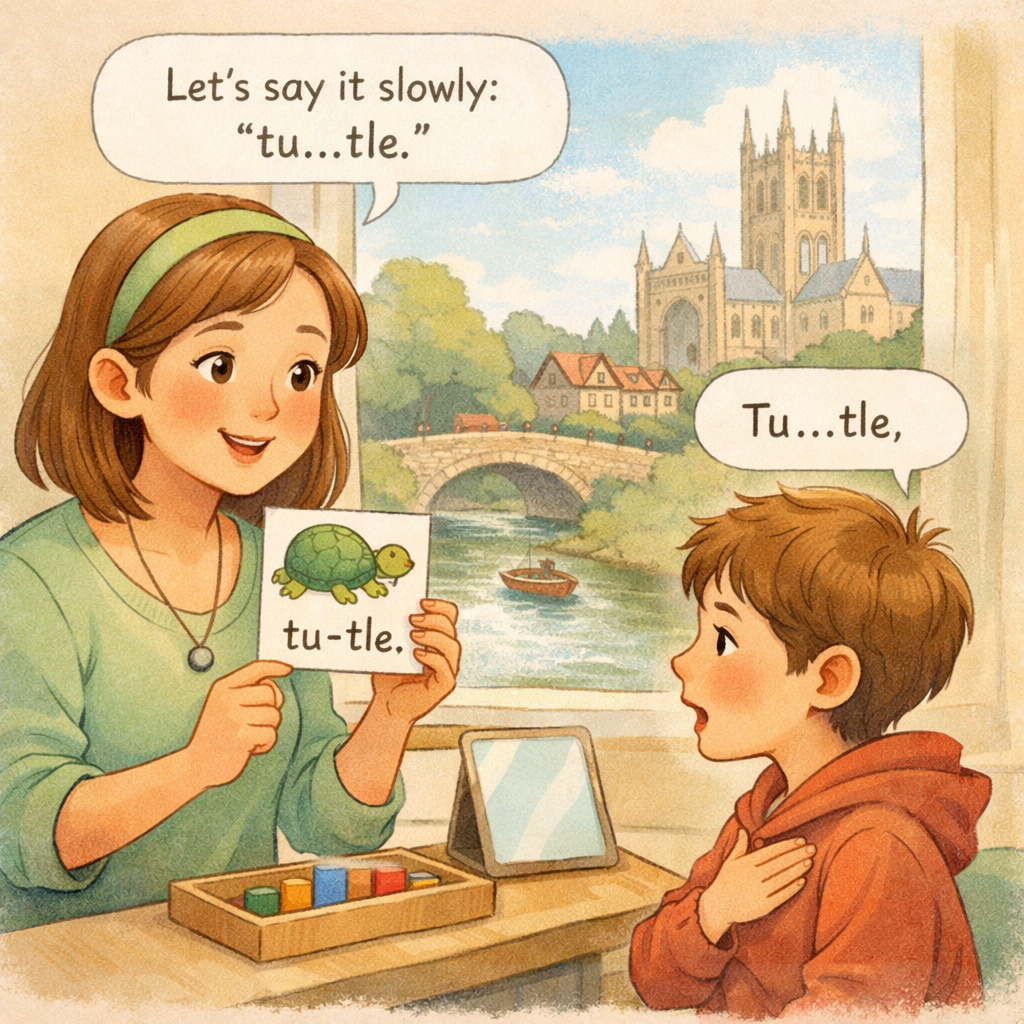
Speech therapy sessions for children are fun, interactive, and goal-focused. Therapists use play-based activities to keep kids engaged.
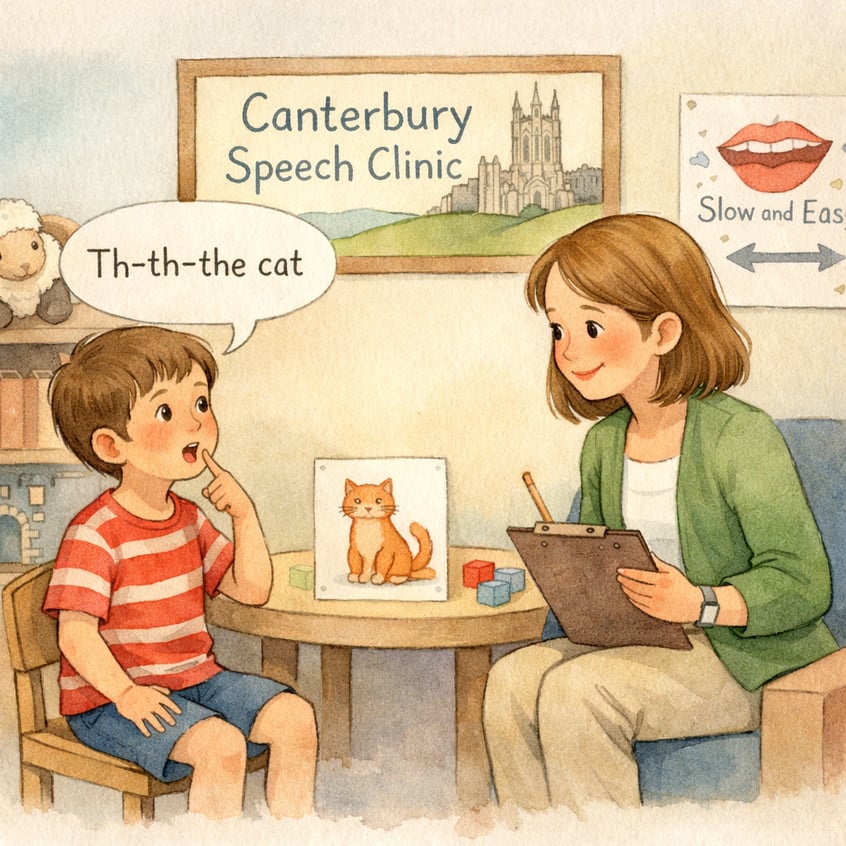
At your first stuttering therapy session in Canterbury, expect an assessment where the therapist gets to know your child, observes their communication, and discusses your concerns and goals. Support is tailored to your child’s needs and may include reading books, playing with toys, or using picture cards to build skills. The therapist will also give you resources and strategies for home practice or sharing with your child’s school.
A typical therapy plan includes:
|
Stage |
Description |
|---|---|
|
Assessment |
Evaluating the child's strengths and challenges |
|
Goal Setting |
Setting goals with the family |
|
Therapy |
Regular sessions focused on specific skills |
|
Review |
Monitoring progress and updating goals |
Individual, Group, and Home-Based Options
Modern therapy services offer a variety of flexible options to suit your family's needs and lifestyle. You can discover real stories and choose the format that works best for your child's learning style and your schedule. This flexibility ensures that therapy is accessible and convenient for families across Canterbury.
Are there mobile or at-home stuttering therapy services in Canterbury? Yes, many providers offer different delivery models to ensure children receive meaningful impact and support in the environment where they are most comfortable. Common options include:
- Individual Sessions: One-on-one therapy in a clinic setting.
- Group Sessions: Small groups where children can practice social skills at daar’s workshops with peers.
- At-Home Therapy: The therapist visits your home for sessions in a natural environment.
- Telehealth: Online therapy sessions conducted via video call.
These options provide families with practical strategies that can be integrated into daily life. Some clinics also work with student placement programs to expand their capacity to offer these diverse services, bringing fresh perspectives and energy to their teams.
Collaboration Between Families and Therapists
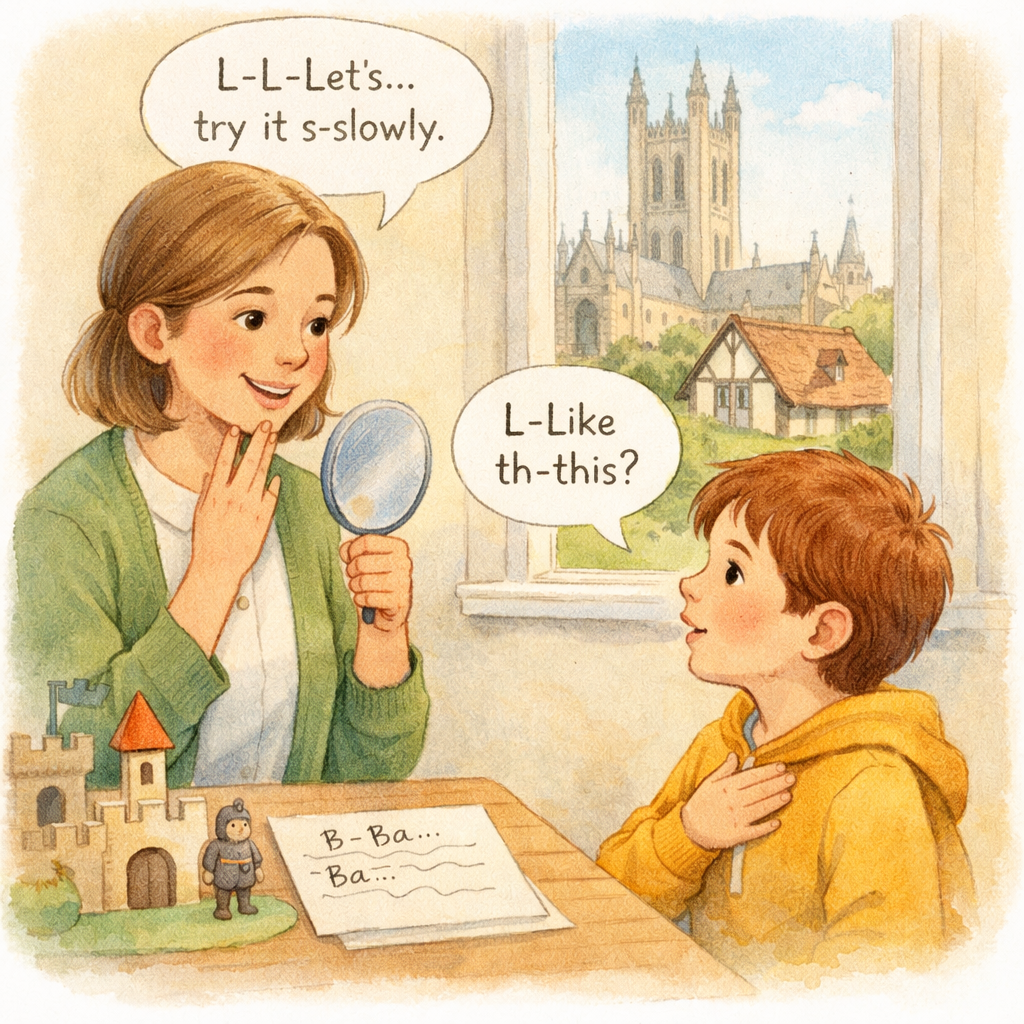
Successful therapy relies on a strong partnership between families and speech therapists. As your child's first teacher, your involvement is crucial. Therapists see parents and caregivers as key members of the team, who should stay informed about the latest updates in therapy techniques and practices.
Collaboration aims to equip you with the skills and confidence for professional growth to support your child's communication in daily life. Therapists demonstrate techniques during sessions for you to use at home, making routines like meals and playtime into learning opportunities.
Working together ensures therapy skills are reinforced consistently, accelerating progress and empowering you to help your child reach their communication goals.
Conclusion
In summary, early childhood speech pathology plays a crucial role in addressing and supporting young children's speech and language development, including language therapy. By understanding common concerns and recognizing the signs that may indicate a need for therapy, parents can ensure their children receive the necessary support at the right time. Speech pathologists in Canterbury are dedicated to working with families to create tailored approaches that foster communication skills and boost confidence.
If you suspect your child may benefit from speech therapy, don’t hesitate to reach out for a consultation or call daar at 02 9133 2500 for a qualified professional who can guide you through the process. Your child's journey towards effective communication starts today!
Frequently Asked Questions
Can my child receive speech therapy at home or online in Canterbury?
Yes, many providers in Canterbury offer flexible speech pathology services for children with autism spectrum disorder. You can access at-home therapy, where a clinician visits you, or choose online therapy (telehealth) for convenience. These therapy services provide practical resources and support to ensure your child can build skills in a comfortable and familiar environment.
What should I expect during the first speech therapy session?
The first of your speech therapy sessions is typically an assessment. The therapist will gather important information about your child’s development, observe their social communication skills, and discuss your goals to achieve the best possible outcomes. This initial meeting helps create a personalized therapy plan focused on improving your child’s long-term quality of life.
Does speech therapy cover both stuttering and general communication support?
Yes, speech therapy is comprehensive. These therapy services address a wide range of communication difficulties, including specialized treatment for stuttering for older children as well as broader support for developing general communication skills. Whether your child needs help with fluency, vocabulary, or pronunciation, a tailored plan can be created.
.svg)




.svg)