
.png?width=48&height=48&name=Group%201%20(3).png)























27 April, 2026

Early Childhood Behaviour Support: A Parent’s Guide
Key Highlights
Here are the key takeaways from this guide on early childhood behaviour support:
- Positive behaviour support focuses on encouragement and respect, which is more effective than traditional behaviour management.
- Early intervention is crucial for addressing challenging behaviour and promoting healthy child development and emotional regulation.
- Understanding developmental milestones helps you differentiate between typical behaviour and behaviour that might need extra support.
- Effective strategies like preventative techniques, consistent routines, and visual aids can foster positive behaviour.
- Collaboration between parents and early childhood educators is essential for a consistent approach to behaviour support.
Introduction
Navigating the world of early childhood can be filled with joy and wonder, but it can also present its share of challenges, especially when it comes to your child's behaviour. Understanding and supporting your little one's development is key. This guide is here to provide you with practical insights and effective strategies for nurturing positive behaviour. By focusing on support and early intervention, you can help your child build a strong foundation for emotional and social well-being, ensuring they thrive in every environment.
Understanding Early Childhood Behaviour Support
The approach to guiding a child’s behaviour has shifted significantly. Instead of focusing on "discipline," the emphasis is now on positive behaviour support, which is grounded in respect and an understanding of child development. This method moves away from traditional behaviour management that often involves controlling a child, instead promoting positive guidance and emotional regulation.
This section will explore what behaviour support looks like in early childhood education, its core principles, and why early intervention is so important for long-term success.
What Is Behaviour Support in Early Childhood?
Behaviour support in early childhood creates a positive environment where children learn to manage their emotions and actions. This proactive approach focuses on teaching and guiding rather than punishing, helping children express their needs appropriately and build self-esteem.
Unlike traditional discipline, which often relies on punishment, positive behaviour support seeks to understand the reasons behind a child's actions. Services for children ages 0–7 range from strategies used by educators to specialized support from professionals like Preschool Field Officers or Department of Education programs.
By addressing each child's unique needs, family background, and developmental stage, this approach fosters security and belonging. It encourages reflection, empathy, and lays the foundation for healthy social interactions.
Key Principles of Positive Behaviour Support
Positive Behaviour Support (PBS) is rooted in respect for a child's development. This inclusive approach creates a supportive environment where every child can succeed, prioritizing skill-building and positive reinforcement over discipline.
PBS uses proactive strategies to set clear expectations and encourages better choices. Core principles include:
- Recognizing behaviour as communication
- Preventing issues through a positive environment
- Teaching and reinforcing new, appropriate skills
- Using data to guide support
By applying PBS, parents and educators promote social and emotional growth, reduce challenging behaviours, and build confidence and competence in children.
Why Early Intervention Matters
In behaviour support, timing is crucial. Early intervention addresses issues as soon as they appear, positively impacting a child's development and well-being.
Acting early prevents minor problems from becoming major ones. It gives children tools to manage emotions and build positive relationships, leading to better school performance and long-term mental health.
Seeking support at the first sign of concern ensures your child gets help during key stages of brain development. This proactive approach benefits both the child and family, creating a more harmonious environment.
Recognizing Typical and Challenging Behaviours
It can be tough to know if a child's behaviour is a normal part of growing up or a sign of a deeper issue. What's considered challenging behaviour for young children is often just age-appropriate as they learn emotional regulation. Distinguishing between typical phases and persistent behavioural issues is the first step toward effective behaviour management.
Let’s look at some developmental milestones to help you understand your child’s behaviour in the context of their age, identify common challenging behaviours, and know when it might be time to seek extra support.
Developmental Milestones for Children Aged 0–7
Understanding child development is essential for guiding your child's behaviour. Early childhood involves rapid brain growth that shapes social and emotional skills; what seems like misbehaviour is often a normal stage.
For example, a two-year-old’s inability to sit still reflects their development—not defiance. Recognizing milestones lets you set realistic expectations and respond with support instead of frustration. Knowing what's typical for your child’s age helps create an environment that meets their needs.
Here are some common milestones:
|
Age Group |
Typical Developmental Traits |
|---|---|
|
0–2 Years |
Learning to communicate needs, exploring physically, limited impulse control. |
|
2–4 Years |
Rapid language development, difficulty expressing big emotions (tantrums), learning to share and take turns. |
|
4–7 Years |
Developing social skills, understanding rules, expressing feelings more clearly, managing excitement and waiting their turn. |
Common Challenging Behaviours in Young Children
As young children grow, challenging behaviours are common and often signal unmet needs or overwhelming emotions they can't express. This is a normal stage in emotional development.
Children may act out to communicate what they need or want. For example, a child might misbehave if their interests aren’t addressed. Adults can help by modeling positive language and teaching appropriate ways to interact.
Typical early childhood behaviours include:
- Tantrums or meltdowns
- Difficulty sharing or taking turns
- Hitting or biting
- Refusing to follow directions
- Interrupting or struggling to wait
When Should Parents Seek Extra Support?
Challenging behaviours are often a normal part of early childhood, but sometimes they signal a need for extra support. If your child’s behaviour is persistent, extreme, or affecting daily life and relationships, consider seeking help.
Trust your instincts. If the behaviour seems more than just a phase or if home strategies aren’t working, professional advice can make a difference. Early intervention supports your child’s long-term well-being.
Seek professional help if the behaviour happens frequently, across different settings, or poses a risk. Experts can identify underlying causes and create a personalized support plan.
Essential Strategies for Supporting Positive Behaviour
Creating a positive environment is fundamental to effective behaviour management. Instead of just reacting to challenging behaviours, you can use proactive and effective strategies to encourage positive behaviour from the start. This involves teaching new skills, using positive reinforcement, and fostering social skills and emotional regulation.
We will cover several practical approaches you can use. These include preventative techniques to guide behaviour, methods for encouraging pro-social skills, and the use of consistent routines and visual aids to create a predictable and supportive world for your child.
Preventative Techniques to Guide Behaviour
One of the most effective forms of behaviour support is prevention. By creating a positive learning environment with clear expectations, you can reduce the likelihood of challenging behaviours before they even start. This proactive approach to behaviour management helps children feel secure and understand what is expected of them.
Being a positive role model is also crucial. Children learn by watching the adults around them, so modeling positive attitudes and language helps them learn socially acceptable ways of behaving. Predictable routines also play a big part in making a child feel safe and in control.
Here are some preventative techniques to try:
- Establish simple, clear rules and expectations.
- Provide engaging activities that match your child’s interests and developmental level.
- Offer choices to give your child a sense of autonomy.
- Use positive language to guide them, such as "Please walk" instead of "Don't run."
Encouraging Pro-Social Skills and Emotional Regulation
A key part of early childhood development is learning how to get along with others and manage emotions. Encouraging pro-social skills and emotional regulation helps young children build the foundation for positive behaviour and healthy relationships. This is a crucial aspect of their emotional development.
You can create a learning environment where children feel safe to express their feelings. Helping them name their emotions—"I can see you are feeling frustrated"—is the first step toward teaching them how to manage those feelings. This validates their experience and opens the door for learning.
Here are a few ways to support these skills:
- Talk about feelings and read stories that feature different emotions.
- Model empathy and kindness in your own interactions.
- Help children find appropriate ways to express their emotions, like taking a deep breath or finding a quiet space.
- Praise them when they show pro-social skills like sharing or helping.
Using Consistent Routines and Visual Supports
Predictable routines provide a sense of security and stability for children, which is a cornerstone of effective behaviour management. When children know what to expect throughout their day, they feel more in control, reducing anxiety and the likelihood of challenging behaviour. Consistency is one of the most powerful positive strategies you can use.
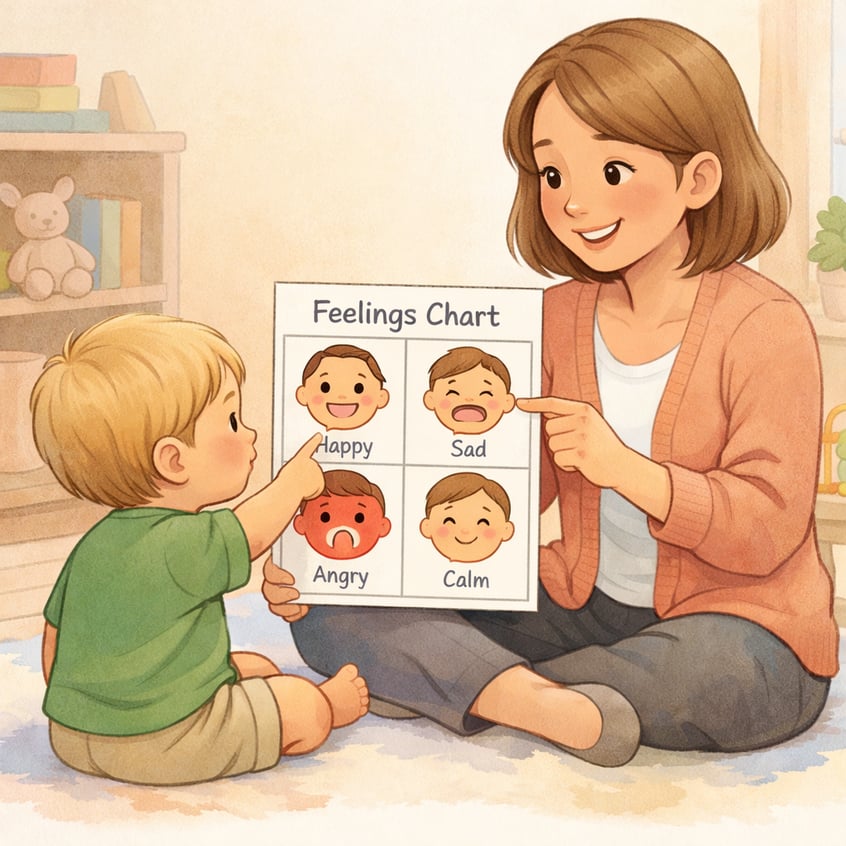
For some children, especially those who are visual learners, visual supports can make a huge difference. Tools like visual schedules with pictures or a simple checklist can help make routines and expectations clear. Early childhood educators often use these in the learning environment to guide children through transitions and activities.
Here’s how you can incorporate these tools:
- Create a simple chart for daily routines like morning, mealtime, and bedtime.
- Use pictures to represent each step in a task.
- A "first-then" board can show a child that a less-preferred activity is followed by a fun one.
- Review the schedule with your child each day so they know what's coming next.
How Parents Can Support Behaviour at Home and in Early Learning
As a parent, you play the most important role in guiding your child’s behaviour. Consistency between home and early learning settings makes a big difference. By using practical strategies and an effective approach, you can reinforce positive behaviour and help your child develop crucial social skills and emotional regulation.
This section will offer some hands-on tips you can use at home. We'll also discuss the importance of collaborating with your child's educators and other professionals to ensure everyone is on the same page, creating a unified circle of security for your child.
Practical Strategies for Parents
Supporting your child’s development of positive behaviour doesn't have to be complicated. There are many practical strategies you can integrate into your daily life to create a positive environment at home. These small actions can have a big impact on your child’s emotional skills and overall behaviour.
The key is to focus on connection and positive feedback. When you praise your child for their efforts, you reinforce the new skills they are learning. The good news is that a little bit of effort in this area can go a long way in building a strong, secure relationship with your child.
Try some of these simple behaviour management ideas:
- Give specific praise: "I love how you shared your toy with your friend."
- Use "I" statements to express your feelings without blame: "I feel sad when you don't listen."
- Redirect their attention to another activity when they are struggling.
- Spend one-on-one time with your child each day to strengthen your connection.
Collaborating with Educators and Professionals
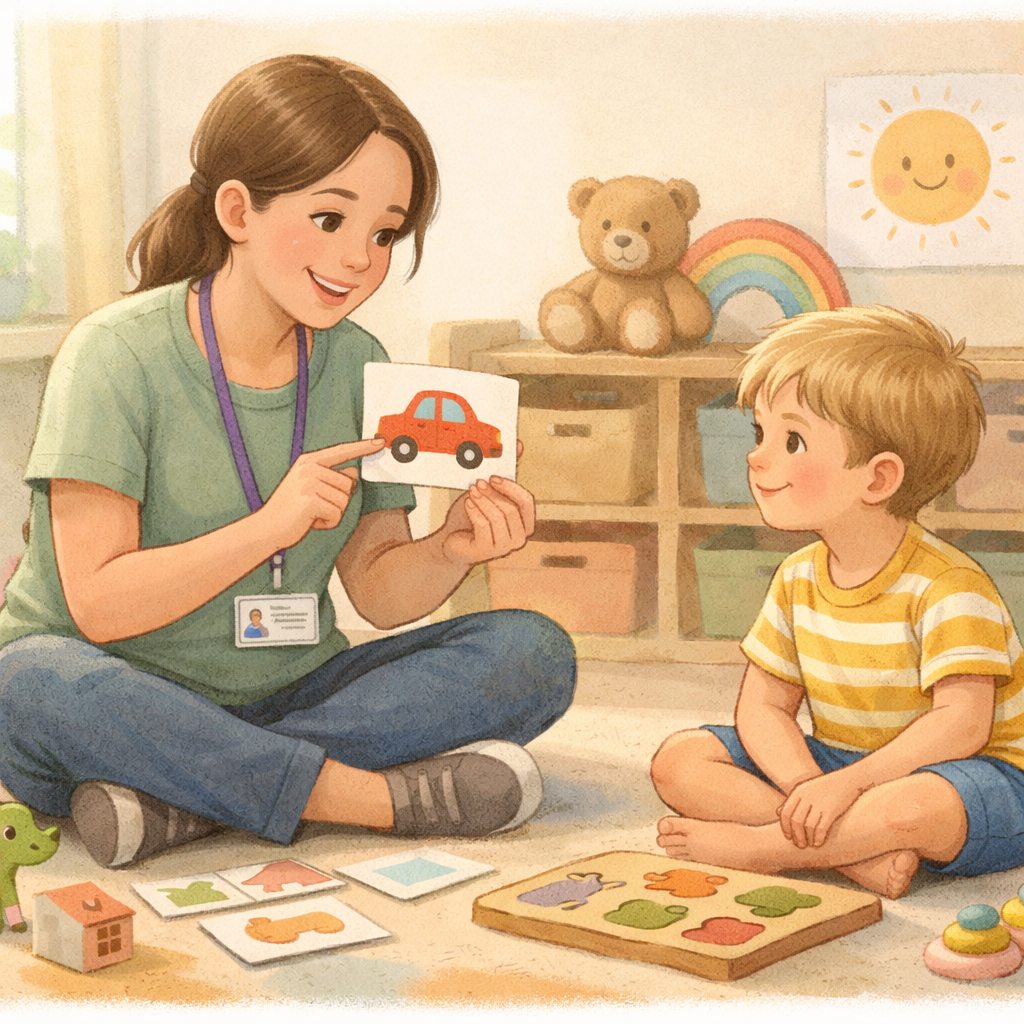
A consistent approach to behaviour support at home and in early childhood settings is vital for your child’s success. When parents and educators work together, it creates a supportive environment. Open communication is key.
Share insights about your child with educators to help them understand your child better and ask for their daily observations. If needed, behaviour support specialists can assist both families and educators by developing individual plans, fostering inclusive practices, and training staff.
Don’t hesitate to start these conversations. Teamwork with educators and support services ensures your child receives consistent guidance, helping them feel secure and understood everywhere.
Conclusion
In conclusion, understanding and supporting your child's behaviour in early childhood is crucial for their development. By recognizing typical and challenging behaviour, employing preventive techniques, and collaborating with educators, you can create a nurturing environment that fosters emotional regulation and pro-social skills. Remember, seeking extra support when needed is a sign of strength, not weakness. Every child is unique, and finding the right strategies for your family can make all the difference. As you embark on this journey, keep in mind that your involvement plays a pivotal role in shaping their future.
If you're looking for personalized guidance, feel free to reach out for a consultation or call daar at 02 9133 2500.
Frequently Asked Questions
What are some common behavioural challenges parents face with young children?
Parents of young children often face challenging behaviour like tantrums, difficulty sharing, physical aggression (hitting or biting), and defiance. These issues are typically related to the child’s developing ability for emotional regulation. Providing consistent behaviour support can help guide a child’s behaviour in a positive direction.
How can I effectively communicate with my child to encourage positive behaviour?
Use simple, clear language and get down on their level. Acknowledge their feelings ("I see you're upset") before guiding them. Focus on positive reinforcement by praising good choices. Improving your communication skills is a key part of effective behaviour management and supports healthy child development.
When should I seek professional help for my child's behavioural issues?
You should seek professional help if your child's behavioural issues are persistent, severe, or cause harm to themselves or others. If the child's behaviour significantly impacts family life or their ability to participate in school, early intervention through support services is highly recommended.
.svg)




.svg)