
.png?width=48&height=48&name=Group%201%20(3).png)























3 December, 2025

Introduction
Challenging behaviours can create significant stress in daily life, making it hard for families to feel connected and enjoy their time together. If you're feeling overwhelmed by tantrums, defiance, or aggression, you are not alone. A behaviour management consultation offers a path forward, providing expert guidance and support. A professional behaviour consultant can equip you with practical tools to manage difficult situations, improve your child's mental health and wellbeing, and restore harmony in your home.
Key Highlights
-
Behaviour management consultation provides effective strategies to address challenging behaviours in children.
-
A behaviour consultant works with families and school leadership to create tailored support plans.
-
The primary goal is to foster positive change and improve a child's quality of life.
-
The process involves a detailed assessment to understand the reasons behind behaviours.
-
Consultation empowers parents and caregivers with the tools needed for long-term success.
-
These services benefit both neurodivergent and neurotypical children by teaching essential new skills.
Understanding Behaviour Management Consultation
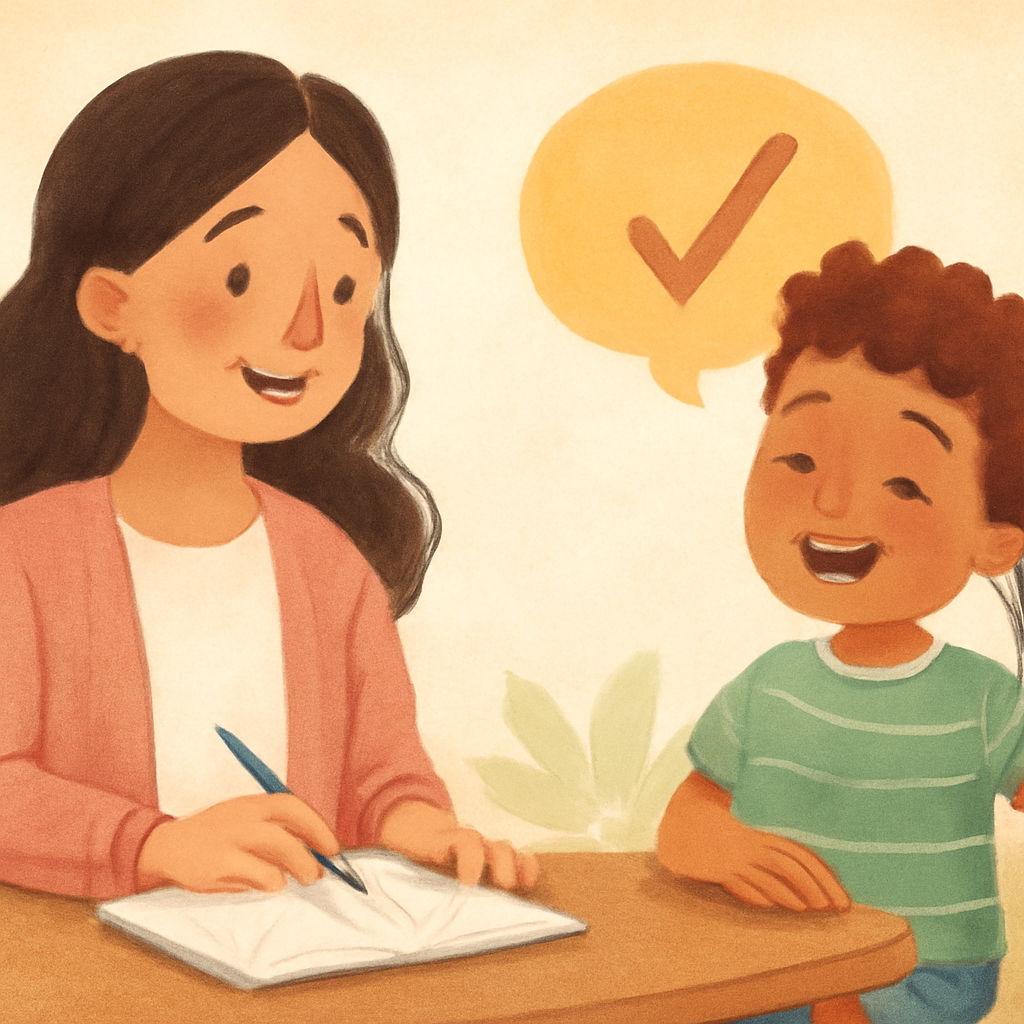
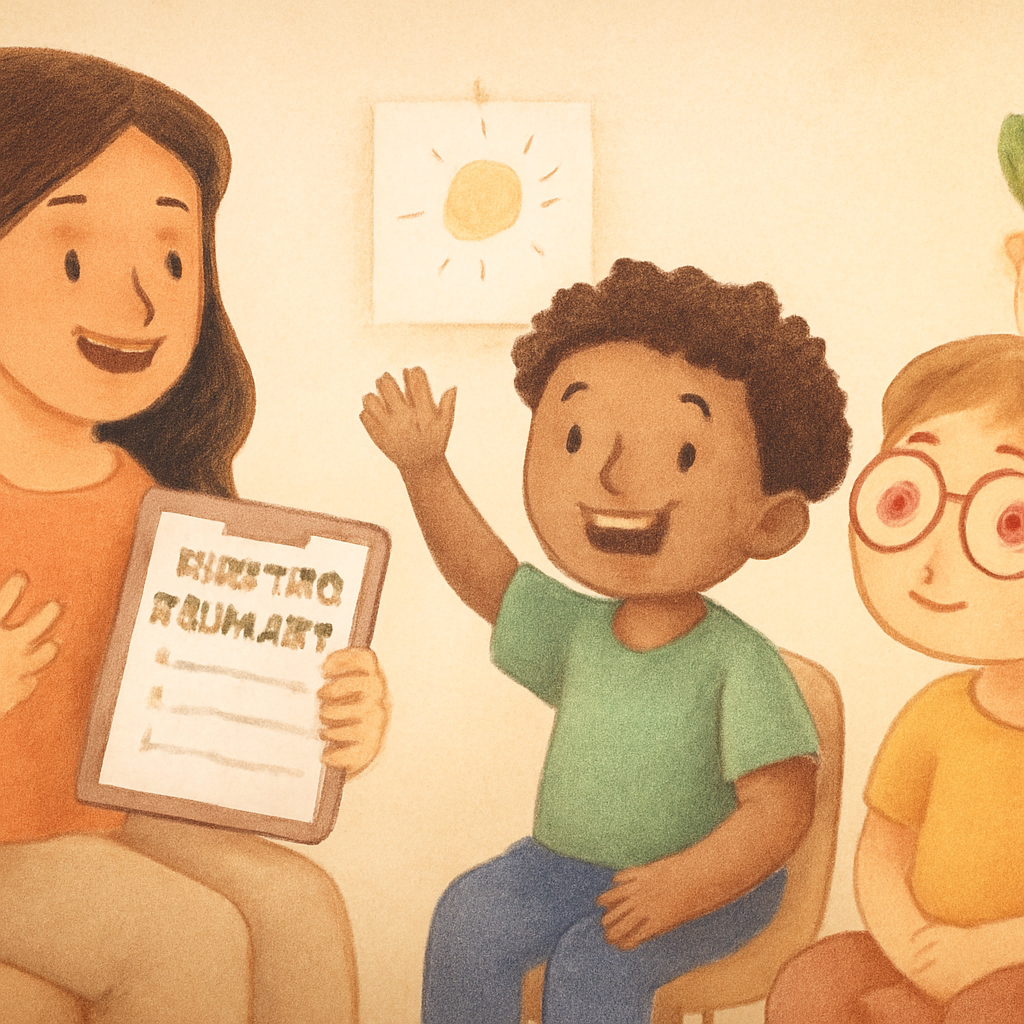
Behaviour management consultation is a focused service designed to help understand and address specific behaviours of concern. It involves working one-on-one with a trained professional who analyzes why a behaviour is happening and then helps you implement strategies to change it.
The overall goal is to replace challenging actions with positive behaviour. Through a structured consultation process, you learn effective techniques to support your child, creating a more peaceful environment for everyone. This involves assessment, planning, and hands-on guidance.
Core Principles and Objectives of Management Consultation
Successful behaviour management consultation hinges on several core principles designed to foster positive change. Emphasizing a culture of respect, these strategies enable behaviour support practitioners to effectively address challenging behaviours while promoting social skills and wellbeing. Clear communication among all stakeholders—students, caregivers, and the support team—ensures everyone is on the same page, fostering teamwork and enhancing the student's quality of life.
Objectives include creating behaviour support plans tailored to the individual's needs, focusing on preventative and proactive strategies. By outlining specific goals and facilitating new skills in the classroom and daily routines, the consultation process empowers students and enhances their engagement in social interactions. This approach not only mitigates disruptive behaviours but also strengthens family dynamics, enabling a supportive environment both at home and in educational settings.
The Consultation Process Step-by-Step
Embarking on a behaviour management consultation follows a clear and structured path to ensure your family gets the right support. The journey is collaborative and tailored to your unique situation, starting from the very first conversation.
The consultation process is designed to be thorough, ensuring that the strategies developed are a perfect fit. It begins with identifying the specific behaviours of concern and understanding your family’s goals. From there, a professional works with you to create a practical and effective plan.
The typical process includes these key steps:
-
Initial Enquiry and Discovery Call: A complimentary call to discuss your concerns and determine if the service is the right fit.
-
Intake and Assessment: A comprehensive assessment, including interviews and observation, to understand the function of the behaviour.
-
Plan Development: Creation of a detailed proposal outlining specific goals, session schedules, and costs.
-
Consultation Program: A series of sessions (often 8-12 weeks) where you learn and apply new strategies with expert guidance.
Who Benefits from Behaviour Management Consultation?
Behaviour management consultation can be a valuable resource for a wide range of individuals and families. The service is tailored to support both neurotypical children who may be exhibiting difficult behaviours and neurodivergent children, such as those with Autism, ADHD, or developmental delays.
Ultimately, anyone seeking to reduce conflict and create a more positive environment can benefit. By addressing challenging behaviours, these services help improve mental health and overall wellbeing for the child, their parents, caregivers, and even siblings, fostering stronger, happier relationships.
Children and Teens in Educational Settings
A positive environment in educational settings is crucial for the effective development of children and teens facing challenging behaviours. Behaviour support practitioners play a vital role in fostering social interactions and promoting student behaviour through tailored strategies. Implementing behaviour management strategies not only encourages positive behaviour but also establishes a culture of respect within classrooms.
Support teams, including teachers and caregivers, collaborate to design behaviour support plans that address the individual needs of students. This teamwork helps create a clear roadmap for intervention that enhances quality of life and mental health. As students learn new skills and improve their daily routines, they regain confidence and engagement in their educational experience. Ultimately, the aim is to equip them with tools to navigate their surroundings more effectively.
Support for Families, Parents, and Caregivers
Families often find that challenging behaviours strain relationships and disrupt daily routines. Behaviour management consultation provides direct support to improve family dynamics by equipping parents and carers with effective tools. This empowerment reduces stress and helps create a more harmonious home life.
The focus is on practical parenting strategies that you can use immediately. Whether you're struggling with tantrums, transitions away from preferred activities, picky eating, or sibling conflicts, a consultant provides a roadmap. You'll learn how to respond to difficult situations calmly and consistently.
Getting started is simple. The first step for parents is usually to book a complimentary discovery call with a provider. This initial conversation allows you to discuss your concerns, ask questions, and see if the service is a good match for your family’s needs before making any commitment.
The Role of the Behaviour Consultant
A behaviour consultant is a trained professional who serves as your guide and partner in creating positive change. Their role is to investigate the reasons behind challenging behaviours and then work with you to develop a practical plan. They act as a coach, empowering you with the skills and confidence to manage difficult situations.
These specialists are part of a broader support team of behaviour support practitioners who collaborate to ensure the best outcomes. They work with you, your child, and other key figures like teachers, to create a consistent and supportive environment across all settings.
Assessment and Data Collection Methods
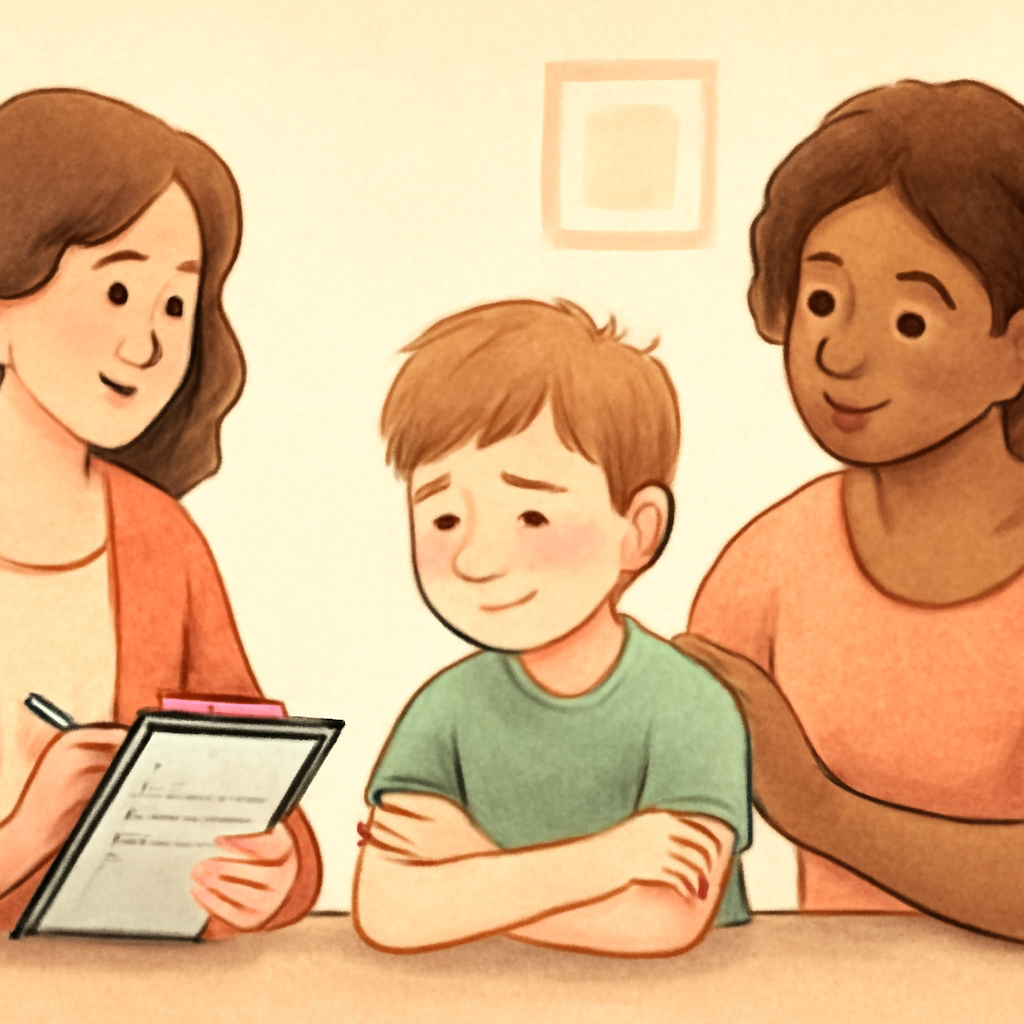
Effective assessment and data collection are foundational to behaviour management consultation. Employing a variety of techniques allows behaviour support practitioners to gather comprehensive insights into challenging behaviours. Observations, interviews, and standardized assessments provide clarity on the behaviours of concern, enabling the development of a behaviour support plan tailored to the individual's needs.
Utilizing both qualitative and quantitative data helps in pinpointing specific goals while considering family dynamics. Collecting information on social interactions and daily routines ensures that intervention strategies are not only effective but also relevant in the context of the individual’s environment. This thorough approach fosters a culture of respect and positive change, ultimately enhancing the quality of life for both children and their caregivers.
Developing Tailored Support Plans
Once the assessment is complete, the behaviour consultant translates the findings into a customized behaviour support plan. This plan is a detailed roadmap designed specifically for your child and family. It is never a one-size-fits-all solution, as every individual's needs are unique.
The plan is built on the principles of positive behaviour support, which means it focuses on teaching new skills and improving quality of life. It outlines specific goals, such as increasing cooperation or communication, and details the proactive strategies that will be used to achieve them.
Developing this plan is a collaborative effort. The consultant works closely with you and your support network to ensure the strategies are practical and can be implemented consistently. This teamwork is key to helping your child learn positive behaviours and ensuring the plan leads to lasting success.
Common Techniques in Behaviour Management Consultation
Behaviour management consultation utilizes a variety of proven techniques to help foster positive change. A consultant will select effective strategies that are best suited to your child’s specific needs and your family’s goals. These methods are designed to be practical and easy to integrate into your daily life.
The key to success with any of these behaviour management techniques is consistency. When everyone on the support team applies the strategies in the same way, your child receives clear messages, which helps them learn new skills more quickly and effectively.
Preventative and Proactive Strategies
One of the most powerful approaches in behaviour management is focusing on preventative strategies. Instead of just reacting to challenging behaviours after they occur, this approach aims to set up the environment and routines in a way that makes those behaviours less likely to happen in the first place.
This involves being proactive by creating predictability and clarity for your child. Establishing clear daily routines, communicating expectations, and providing positive encouragement can significantly reduce instances of frustration or confusion that often lead to difficult moments.
Some common proactive strategies include:
-
Establishing predictable daily routines to provide structure and security.
-
Setting clear and simple expectations for behaviour.
-
Offering choices to give your child a sense of control.
-
Using positive reinforcement and encouragement to reward desired actions.
-
Preparing your child for transitions between activities.
Evidence-Based Interventions and Support Tools
Behaviour consultants rely on evidence-based interventions, which are methods proven effective through scientific research. Approaches like Positive Behaviour Support (PBS) and principles from Applied Behaviour Analysis (ABA) form the foundation of many support plans, ensuring you receive the highest standard of care.
Effective implementation requires strong teamwork between the consultant, family, and, when applicable, school leadership. This collaboration ensures that strategies are applied consistently across all environments, reinforcing positive behaviour and maximizing progress. Restrictive practices are not a primary tool; the focus is always on proactive and positive skill-building. They are considered only as a last resort in situations of immediate risk, are subject to strict regulations, and must be part of a broader plan to reduce and eliminate their use.
|
Strategy Type |
Description |
|---|---|
|
Proactive |
Focuses on preventing challenging behaviour by teaching new skills and modifying the environment. |
|
Reactive |
Addresses challenging behaviour after it has occurred, with a focus on safety and de-escalation. |
Conclusion
In conclusion, effective behaviour management consultation is essential for fostering positive changes in individuals, particularly children and teens. By understanding core principles, employing evidence-based interventions, and developing tailored support plans, behaviour consultants can make a significant difference in educational settings and home environments alike. The collaborative efforts between consultants, families, and educators create a robust support system that addresses the unique needs of each child. If you're looking to implement these strategies and improve behavioural outcomes, consider reaching out to a professional who can guide you through the process.
Get a free consultation today or call 02 9133 2500, and your journey towards effective behaviour management starts here!
Frequently Asked Questions
How does Applied Behaviour Analysis (ABA) fit into management consultation?
Applied Behaviour Analysis (ABA) is a science that explains how learning occurs. In behaviour management, its principles are used to develop effective strategies for teaching new skills and encouraging positive behaviour. This evidence-based approach is highly effective for many individuals, including but not limited to those with autism, by breaking down goals into manageable steps.
What steps should parents take to get started with a behaviour management consultation?
For parents interested in starting the consultation process, the first step is to reach out to a provider. You can typically schedule an initial discovery call or send an email to connect with a behaviour consultant. This allows you to discuss your child's needs, your goals, and potential funding options like the NDIS.
What are the key components of an effective behaviour management consultation?
An effective behaviour management consultation includes a comprehensive assessment to understand the behaviour, a tailored behaviour support plan with specific goals, and consistent implementation of strategies. Crucially, it relies on strong teamwork between the consultant, the family, and other supports to ensure everyone is working together toward the same positive outcomes.
.svg)




.svg)