
.png?width=48&height=48&name=Group%201%20(3).png)
























8 April, 2026

Getting help through the early childhood approach
Key Highlights
- Early childhood education programs provide a strong foundation for future academic success and lifelong learning.
- Accessing support services early helps address developmental delays and builds essential communication and social skills.
- The key benefits of early childhood education are social-emotional growth and a better quality of life.
- Positive Behaviour Support offers strategies to understand and manage challenging behaviours in young children.
- Services like the NDIS can help families connect with and fund early childhood intervention and therapies.
- Engaging in early childhood programs helps children build healthy relationships and prepares them for formal schooling.
Introduction
The first few years of your child's life are a time of incredible growth and learning. What happens during these early years has a massive impact on their development and future success. Providing support through early childhood education is one of the most powerful ways to nurture their potential. This approach focuses on building social and emotional skills during their formative years. Are you wondering how to give your child the best possible start? Let's explore how you can get help through the early childhood approach.
Accessing Early Childhood Intervention Services
Finding the right support for your child is a crucial first step. Early childhood intervention services are designed to help children who may have developmental delays or challenges. These services create a vital support network for both you and your child, ensuring they receive the specialized early education they need.
You can access these services by connecting with local health providers, early childhood care centers, or government programs. Understanding who is eligible and how to connect with these resources can make the process much smoother. Let’s look at the specifics of eligibility and finding local support.
Who is eligible for early childhood supports and programs
Eligibility for early childhood programs often depends on your child’s specific needs. These programs are typically designed for young children, usually from birth to school age, who show signs of developmental delays or have a diagnosed condition like autism. If you have concerns about your child's development, it's always best to seek an assessment.
You don't need to wait for a formal diagnosis to start seeking help. Many early intervention services are available as soon as a delay is suspected. The goal is to provide support during a child's formative years when their brain is most adaptable. This early support capitalizes on a critical window of opportunity to build foundational skills.
Concerns about your child’s development, whether in communication, social interaction, or behavior, are valid reasons to explore eligibility. These programs aim to bridge developmental gaps and equip children with the tools they need to thrive.
Ways to find and connect with local services, including NDIS
Connecting with local services for early childhood care can feel overwhelming, but there are clear pathways to get the help you need. A great starting point is speaking with your paediatrician or a child and family health service. They can provide referrals and direct you to a strong support network.
The National Disability Insurance Scheme (NDIS) is a key resource for many families. It provides funding for children under 9 with a developmental delay or disability, helping them access the early learning supports they need. If you are seeking NDIS funding, you'll need to gather reports and assessments that detail your child's needs.
Here are some practical ways to find and connect with services:
- Use online government hubs to find local early childhood education and care providers.
- Contact organizations that specialize in specific supports, such as autism or speech therapy.
- Ask for referrals from your doctor or early childhood educator.
- Inquire about NDIS screening clinics to get an initial assessment and guidance on seeking funding.
Therapies and Positive Behaviour Support in Early Childhood
Therapies and behaviour support play a vital role in early childhood development. These specialized interventions are designed to build functional skills, improve mental health, and support academic growth. When a child faces challenges, the right therapies can make a world of difference in their ability to learn and interact with others.
Positive Behaviour Support (PBS) is a key approach that aims to understand the reasons behind a child's actions and teach new, more effective ways of communicating. This method, along with other therapies, can help manage challenges and empower your child. Let's explore some common therapies and the role of PBS.
Common types of therapies available for children under 9
A variety of therapies are available to support children under nine, each targeting different areas of development. These are often integrated into early childhood education programs and delivered by qualified professionals like occupational therapists and speech pathologists. The goal is to build essential skills through individualized and engaging methods.
For children with autism or developmental delays, intervention is highly personalized. Instead of a one-size-fits-all approach, therapists use play-based learning and group activities to make therapy fun and effective. For example, therapists might use games to teach turn-taking or songs to improve language.
Here are some common types of therapies and what they focus on:
|
Therapy Type |
Focus Area |
|---|---|
|
Speech Therapy |
Helps with communication difficulties, including speaking and understanding language. |
|
Occupational Therapy |
Focuses on improving daily living skills like dressing, eating, and social interaction. |
|
Psychology |
Assists in understanding and managing emotional and behavioral challenges. |
|
Applied Behaviour Therapy (ABA) |
Uses proven techniques to strengthen communication and reduce challenging behaviors. |
The role of positive behaviour support in managing challenges
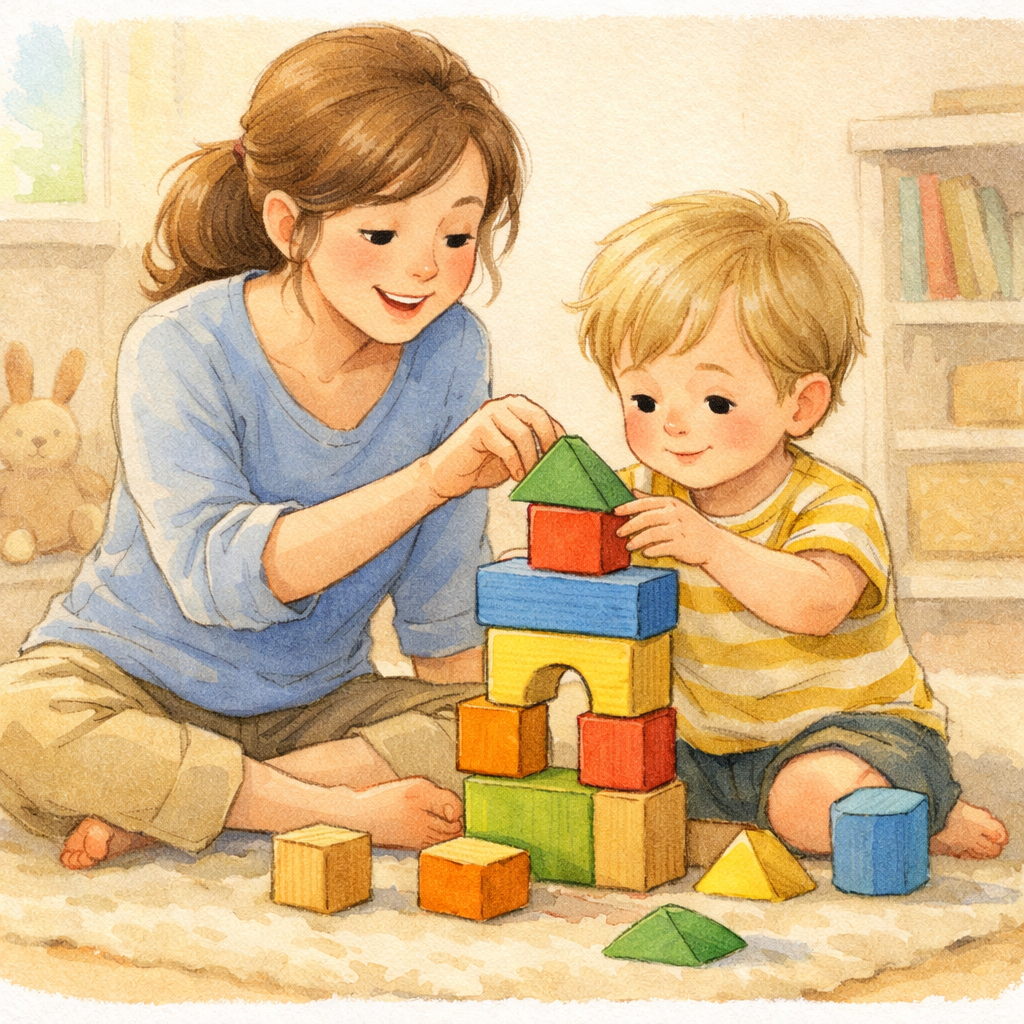
Positive Behaviour Support (PBS) is a compassionate and effective approach to understanding why a child might be exhibiting behaviours of concern. It operates on the principle that all behavior is a form of communication. When a child is unable to express their needs or stress in another way, their behavior becomes their voice.
Behaviour support practitioners work with the child, their family, and their support network to figure out what the behaviour is communicating. They conduct assessments to identify triggers and unmet needs. From there, they develop a personalized behaviour support plan that focuses on teaching new skills and adapting the environment to better suit the child.
This focus on positive behaviour promotes emotional regulation and builds confidence. Instead of just trying to stop a behavior, PBS provides the child with alternative ways to communicate their needs, leading to a safer and more supportive environment where they feel understood and can thrive.
Conclusion
In conclusion, accessing early childhood intervention services is a vital step in supporting the development and well-being of young children. Understanding eligibility for various programs and connecting with local resources can make a significant difference in your child's life. The therapies available, along with positive behavior support strategies, not only address immediate challenges but also cultivate a nurturing environment for growth. By prioritizing early intervention, you are equipping your child with essential tools for success.
If you're ready to take the next step, reach out for a consultation or call daar at 02 9133 2500 to explore how these support systems can benefit your family.
Frequently Asked Questions
How does the NDIS help families seeking early childhood support?
The NDIS helps families by providing funding for early childhood care and other supports for children with developmental delays or disabilities. This funding allows you to access essential early childhood programs and build a support network of therapists and professionals, which ultimately improves your child's development and quality of life.
Can early intervention manage challenging behaviors in preschoolers?
Yes, early intervention is highly effective at managing challenging behaviors. By addressing behaviours of concern in early childhood, specialists can teach children new skills for communication and emotional regulation. This proactive approach supports their mental health and helps them develop a positive attitude toward learning and social interactions.
What should parents know about eligibility for early childhood programs?
Parents should know that eligibility for early childhood programs is often based on a child's developmental needs, not just a formal diagnosis. If you have concerns about your child’s development during their early years, it is best to seek an assessment. These programs are designed to provide support during the crucial formative years.
.svg)




.svg)