
.png?width=48&height=48&name=Group%201%20(3).png)























3 March, 2026

Understanding Behavioural Therapy for Children: A Guide
Key Highlights
- Behavioural therapy for children focuses on understanding and changing behaviors to improve child development using behaviour therapy techniques. Positive behavior support (PBS) is a key approach that enhances a child's quality of life by creating supportive environments. To become a positive behavior support practitioner, individuals typically need a relevant qualification in psychology, education, or a related field, as well as specialized training in positive behavior support strategies. Experience working with children or in behavioral therapy settings is also highly recommended.
- Positive behavior support (PBS) is a key approach that enhances a child's quality of life by creating supportive environments.
- Effective behaviour management involves a support team, including family and practitioners, working together.
- The goal is to teach new skills and reduce challenging behaviors through positive strategies.
- Therapy is tailored to individual needs, promoting emotional regulation and better social skills.
- The National Disability Insurance Scheme (NDIS) can provide funding for these essential services.
Introduction
Have you ever wondered how to best support a child struggling with their behavior? Understanding behavioural therapy can be a game-changer for families. This approach focuses on improving communication skills and encouraging positive behavior through proven methods rooted in behaviour analysis. It's not just about managing difficult moments; it's about fostering long-term mental health and helping your child thrive. This guide will walk you through what behavioural therapy is, how it works, and the support available to help your child on their journey.
What Is Behavioral Therapy for Children?
Behavioral therapy for children is a structured approach designed to help them learn positive ways to act and interact. It’s based on the idea that behaviors are learned and can be changed. This therapy is highly effective for supporting child development and addressing various mental health conditions.
Instead of focusing on punishment, therapists use tools like positive reinforcement to encourage desired actions. This method of behaviour management helps children build confidence and develop healthier coping mechanisms. The following sections will explore its history, different types, and core principles.
Types of Behavioral Therapy Used with Children
Behavioral therapy isn't a one-size-fits-all solution for issues like substance abuse. Several types are used to support children, each with a unique focus. The choice of therapy often depends on the child's specific needs and challenges, from emotional regulation to social skills.
One of the most well-known types is Cognitive Behavioural Therapy (CBT), which helps children understand the connection between their thoughts, feelings, and actions, particularly those related to issues like social anxiety. It equips them with strategies to challenge negative thoughts and change their behavioral responses. Another effective approach is group therapy, where children can practice new skills with peers in a supportive setting. Effective behaviour management is a common goal across all types.
Here are a few common types of behavioral therapy for children:
- Applied Behavior Analysis (ABA): Uses reinforcement to teach new skills.
- Cognitive Behavioural Therapy (CBT): Addresses negative thought patterns.
- Social Skills Training: Focuses on improving interactions with others.
- Parent Training in Behavior Management: Equips parents with tools to support their child.
Core Principles of Behavioral Therapy
The effectiveness of behavioral therapy is built on several core principles, which are key techniques that guide therapists and the child's support team in creating a plan that encourages positive behavior and teaches valuable practical skills for everyday life.
A central concept is operant conditioning, which involves using reinforcement and consequences to shape behavior. Positive reinforcement, in particular, is a powerful tool. It means rewarding a child for demonstrating a desired behavior, which makes them more likely to repeat it in the future. This is far more effective than focusing on punishment.
Ultimately, the therapy is goal-oriented and evidence-based. Here are some of the guiding principles:
- Behavior is learned and can be unlearned.
- Positive reinforcement is used to encourage new behaviours and practice new behaviours.
- Therapy should be focused on specific, measurable goals.
- Consistent practice is key to developing new skills.
- Collaboration with the family and support team is essential.
Positive Behavior Support (PBS) Explained
Positive Behavior Support (PBS) is an evidence-based approach that aims to improve a person’s quality of life and understand the "why" behind their actions. It's about creating a safe environment where a child feels understood, supported, and encouraged in their personal growth, enabling them to lead a more meaningful life.
A key part of PBS is developing a behaviour support plan in collaboration with the child's support team. This plan outlines strategies to meet the child's needs and teach new skills, with the ultimate goal of empowering them for a better future. The following sections will explain what PBS is, how it differs from older methods, and its proven benefits.
What Is Positive Behavior Support?
Positive Behavior Support (PBS) is a person-centered approach to understanding and addressing challenging behaviors. Rather than simply reacting, PBS aims to improve quality of life by identifying needs and creating a positive behavior support plan to teach new skills.
It starts with a functional behavioral assessment to determine the reasons behind behaviors. Based on this, a personalized support plan is developed, including strategies like adjusting the environment or teaching better communication.
The goal of PBS is not just to reduce challenging behaviors but to make them unnecessary. By meeting individual needs and building skills, PBS empowers people to reach their goals and lead more fulfilling lives.
How PBS Differs from Traditional Approaches
Positive Behavior Support (PBS) marks a significant shift away from traditional, often reactive, methods of behavior management. Older approaches frequently relied on punishment or restrictive practices to control behavior, which did not address the underlying reasons for the person's actions.
PBS, in contrast, is proactive and person-centered. It focuses on creating a safe environment and providing the support team with tools to prevent challenging behaviors before they start. Through direct observation and assessment, PBS seeks to understand the function of a behavior and teach alternative, more effective skills. Restrictive practices are seen as a last resort and are actively reduced and eliminated over time.
This fundamental difference in philosophy—focusing on teaching and support rather than control—is what makes positive behavior support so effective.
|
Feature |
Positive Behavior Support (PBS) |
Traditional/Restrictive Approaches |
|---|---|---|
|
Focus |
Proactive; understands needs and teaches skills. |
Reactive; aims to control or stop behavior. |
|
Goal |
Improve quality of life and make behavior irrelevant. |
Suppress unwanted behavior. |
|
Strategies |
Environmental changes, skill-building, positive reinforcement. |
Punishment, consequences, restrictive practices. |
|
Values |
Emphasizes dignity, rights, and collaboration. |
Focuses on compliance and control. |
Evidence-Based Benefits for Children
The benefits of using Positive Behavior Support with children are well-documented and far-reaching. This approach not only addresses challenging behaviors but also significantly improves a child's overall quality of life by empowering them with new skills and confidence.
By focusing on early intervention, PBS can prevent behavioral issues from escalating. It provides children and their families with practical tools to navigate daily challenges, fostering positive behavior in a supportive way. The emphasis is on long-term success rather than short-term fixes.
Children with behavioral disorders, including autism, personality disorders, and other developmental disabilities, can see transformative results from PBS. Here are some of the key benefits:
- A significant reduction in challenging behaviors.
- Improved social and communication skills.
- Increased independence and self-esteem.
- Stronger relationships with family and peers.
- A better overall quality of life for the child and their family.
Common Strategies in Positive Behavior Support
Positive Behavior Support uses a variety of practical strategies tailored to the individual. These methods are grounded in behaviour analysis and are designed to produce lasting, positive change. The process often starts with a functional behavioral assessment to understand that behavior is a form of communication and the purpose of a behavior.
From there, a behaviour support plan is developed, incorporating strategies like reinforcement to encourage desired actions. The goal is to teach new skills that serve the same function as the challenging behavior. We will now explore some of these key strategies in more detail.
Functional Behavior Assessment
A Functional Behavior Assessment (FBA) is essential for effective behavior support. It systematically identifies the purpose behind a person’s challenging behavior by examining what triggers it and what the individual gains from it.
The process includes direct observation, interviews with family and staff, and record reviews. This information helps the team hypothesize why the behavior occurs—such as to escape a task, seek attention, or meet a sensory need.
Understanding the reason for the behavior is key to effective management. Once identified, the team can create strategies that teach more appropriate ways to meet needs, making the challenging behavior unnecessary.
Reinforcement and Reward Systems
Reinforcement is a key strategy in behavior management that promotes new social behaviours and behaviors. In Positive Behavior Support (PBS), positive reinforcement—providing a reward immediately after a desired behavior—increases the likelihood that the child will repeat that behavior.
Rewards aren’t always physical items; praise, positive feedback, or social attention can be just as motivating. The important thing is to identify what each child finds rewarding. This focus on recognizing positive actions helps create an encouraging environment.
Reward systems offer practical ways to reinforce good behavior, such as:
- Token Economies: Children earn tokens for specific behaviors, which they can trade for rewards.
- Praise and Encouragement: Verbal affirmations like “Great job sharing!” are highly effective.
- Preferred Activities: Letting a child enjoy a favorite activity after completing a task.
- Sticker Charts: Visual tools to track progress toward goals.
Skill-Building and Social Skills Training
A core component of Positive Behavior Support is skill-building. If a child engages in challenging behavior because they lack a certain skill, the most effective solution is to teach them that skill. This might involve improving their communication skills, learning to manage emotions, or developing new social skills.
Social skills training is particularly important, as difficulties with social interaction can be a major source of frustration for many children. This training breaks down complex social behaviors into smaller, manageable steps, which can also help in managing peer pressure. Children can learn and practice skills like taking turns, starting a conversation, or reading social cues in a supportive setting.
By equipping children with these abilities, they gain the confidence to navigate social situations successfully. Examples of skills targeted in training include:
- Learning to share and cooperate with others.
- Understanding and using non-verbal cues like body language.
- Developing problem-solving skills for social conflicts.
- Practicing how to join in play or conversations.
- Improving emotional expression and understanding.
The Role of NDIS in Behavioral Therapy
The National Disability Insurance Scheme (NDIS) plays a vital role in making behavioral therapies accessible to Australians with disabilities. The NDIS can provide funding for positive behavior support services, helping to improve a participant's quality of life and enabling them to achieve their goals.
This funding allows individuals and their families to work with a qualified support team to develop and implement effective strategies. The following sections will explain how the NDIS supports these interventions, how to access funding, and where to find registered practitioners.
How the NDIS Supports Behavioral Interventions for Children
The National Disability Insurance Scheme (NDIS) funds essential behavioral interventions deemed "reasonable and necessary" for a participant’s disability. For children, this often includes early intervention support services that can significantly improve development and long-term outcomes.
If a child has behavioral goals in their NDIS plan, funding can be used to hire specialist providers. These experts assess the child and create a behavior support plan with targeted strategies to build new skills and reduce challenging behaviors.
By covering these services, the NDIS enables families to access expert, evidence-based support tailored to each child. This helps children participate more fully at home, school, and in the community.
Navigating Access to NDIS-Funded Services
Accessing NDIS funding for behavioral services can feel overwhelming, but with the right information, it’s manageable. First, become an NDIS participant. At your planning meeting, clearly explain your child’s behavioral needs and goals.
Bring reports from doctors, therapists, or schools to show why behavioral support is needed. Once you have an approved NDIS plan with “Improved Daily Living” or “Capacity Building” funding, you can search for providers. Your support team—including a Support Coordinator, if you have one—can help.
Tips for navigating the process:
- Gather professional evidence to support your funding request.
- Link your child’s behavioral goals to their disability.
- Know the different funding categories in your plan.
- Work with a Support Coordinator to find registered providers.
- Be ready to advocate for your child’s needs.
Finding Registered NDIS Practitioners in Australia
Finding a qualified and registered NDIS practitioner is crucial for receiving high-quality positive behavior support. The NDIS Quality and Safeguards Commission has specific requirements for practitioners who develop or implement a behaviour support plan, especially if it includes any regulated restrictive practices.
These practitioners must be considered "suitable" by the NDIS Commission and work for a registered specialist behaviour support provider. This ensures they have the right qualifications, skills, and experience to provide safe and effective support. You can search for registered providers in your area using the NDIS Provider Finder tool on the NDIS website.
When choosing a practitioner, it's also a good idea to:
- Ask about their experience with children who have similar needs to yours.
- Inquire about their approach to collaborating with the support team.
- Check their qualifications and registration status.
- Find someone who is a good fit for your family and can work in various community settings.
- Request to see examples of their work or talk to other families they have supported.
How Behavioral Therapy Sessions Work
A behavioral therapy session is a hands-on, collaborative experience. It's not just about talking; it's about learning and practicing new skills through direct experience, including better eye contact. The therapist works with the child to implement strategies outlined in their behaviour support plan, focusing on goals like emotional regulation.
A key element is parent and family collaboration, as consistency at home is vital for success. The following sections will give you a clearer picture of what happens in a typical session, how interventions are customized, and the important role families play.
What Happens in a Typical Session?
A typical behavioral therapy session is structured but flexible, meeting the child where they are each day, including both individual and group settings. Sessions start with a check-in, followed by a review of progress and introduction of new skills.
Most of the session involves active practice, such as role-playing, games for emotional regulation, or tackling challenges together that can foster healthier relationships. The therapist gives real-time feedback and positive reinforcement to help the child learn through experience.
Sessions are engaging and fun to keep the child motivated. The therapist works with the support team to ensure skills carry over to home, school, and community settings.
Tailoring Interventions to a Child’s Needs
Effective behavioral therapy isn’t one-size-fits-all. Positive behavior support tailors interventions to each child’s unique needs, strengths, and circumstances—making the approach powerful.
Therapy begins with a thorough assessment to understand the child’s specific challenges and behaviors. This guides the creation of a customized support plan with clear, achievable goals. For children with behavioral disorders, this individualized method is crucial for success.
Whether for early intervention or complex management in teens, strategies are regularly reviewed and adjusted to stay relevant as the child develops and their needs change.
Parent and Family Collaboration in Therapy
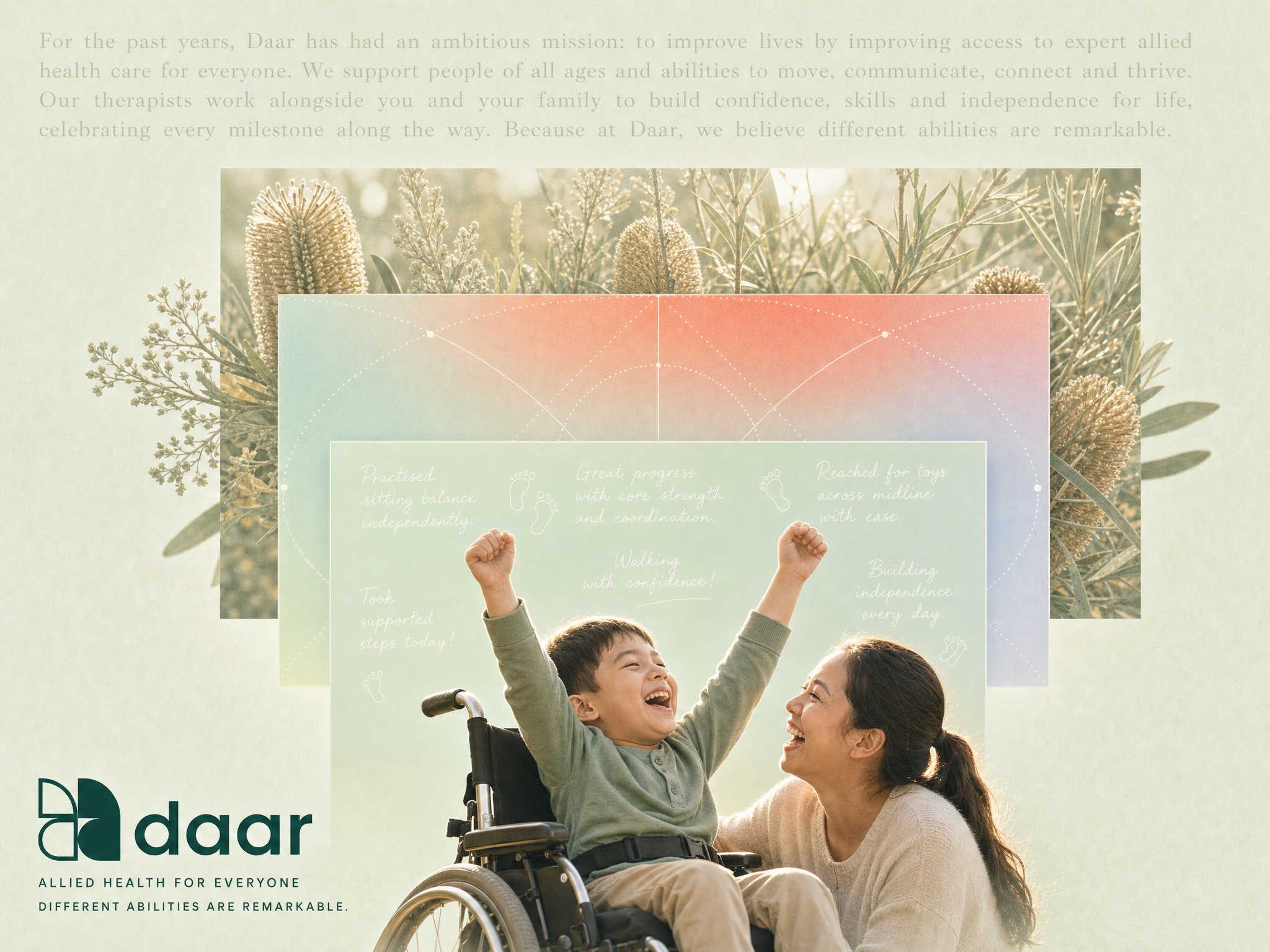
Parent and family collaboration is not just helpful in behavioral therapy—it is essential. Parents and other family members are the most important people in a child's life and are a critical part of the support team. When everyone is on the same page, the strategies from the behaviour support plan can be applied consistently across different settings.
Therapists work closely with families to ensure they understand the strategies and feel confident using them. This often involves providing parents with practical tools and coaching them on how to respond to behaviors at home. This partnership empowers family members to become active agents of change in their child's life, including staying informed about the latest updates relevant to their child's development.
Effective collaboration ensures lasting success. Key aspects of this partnership include:
- Regular communication between the therapist and family.
- Involving family members in setting goals.
- Training parents on how to implement specific strategies.
- Providing resources and information to the family.
- Celebrating successes together as a team.
Conclusion
Understanding behavioral therapy for children is key to supporting their growth and overcoming challenges. This approach uses tailored interventions and encourages collaboration between therapists and families for the best results. Strategies like Positive Behavior Support and functional assessments help create a nurturing environment.
If you want to learn how behavioral therapy can help your child, consider scheduling a consultation or call daar at 02 9133 2500 —your child's well-being matters.
Frequently Asked Questions
Can Positive Behavior Support Be Used for Children with Disabilities?
Yes, absolutely. Positive behavior support is highly effective for children with a wide range of disabilities, including autism spectrum disorder and intellectual disabilities. It is a preferred method for behaviour management as it focuses on understanding the reasons for challenging behaviour and teaching new skills, rather than using punitive measures.
How Does Positive Behavior Support Relate to Cognitive Behavioral Therapy?
Positive behavior support and cognitive behavioural therapy (CBT) are related but distinct. PBS focuses on changing the environment and teaching skills to make challenging behavior unnecessary. CBT focuses more on changing the thoughts and feelings, fostering a sense of connection behind behavior. A comprehensive behaviour support plan may incorporate practical skills and principles from both approaches to support psychological health.
Are There Resources or Fact Sheets for Families About Behavioral Therapy?
Yes, many resources are available. The NDIS Commission offers a series of fact sheets explaining positive behavior support for participants and family members. Your provider or support team can also supply you with practical tools and information about behavioural therapy to ensure everyone is working together effectively.
.svg)




.svg)