
.png?width=48&height=48&name=Group%201%20(3).png)























3 February, 2026

Discover the Benefits of Socialised Behaviour Therapy
Introduction
Navigating the world of social interactions can be challenging for anyone, but for some, it presents significant hurdles. Social behaviour disorders are mental health conditions that can make it difficult to build relationships and manage behaviour in social settings. These challenges often start in childhood and can continue into adulthood if left unaddressed. Understanding these disorders is the first step toward finding effective support and developing the social skills needed to lead a more fulfilling life. There are real-life examples that highlight successful outcomes from socialised behaviour therapy. For instance, children with autism spectrum disorder have shown notable improvements in their ability to interact and communicate with peers after participating in group-based social skills programs. Such therapies have also helped individuals with social anxiety disorder gain confidence and build meaningful relationships, demonstrating the positive impact of tailored interventions in daily life.
Key Highlights
- Social behaviour disorders are mental health conditions that affect a person's ability to interact positively with others.
- Socialised behaviour therapy is a specialized form of behaviour therapy designed to improve social skills and functioning.
- Common signs include persistent anger, defiance, aggression, and breaking rules, which can impact relationships.
- Early diagnosis and intervention are crucial for better mental health outcomes in the long run.
- Treatment often involves a combination of therapy, social skills training, and family support to encourage positive change.
Understanding Social Behaviour Disorders
Social behaviour disorders are mental health conditions marked by ongoing disruptive or antisocial actions. These behaviours go beyond typical mischief or rebellion and can seriously affect a person’s ability to function at home, school, or in the community. They often cause trouble forming relationships and may lead to social anxiety.
Anyone dealing with these challenges—especially children and teens showing early signs—can benefit from support. Behavioural therapy provides structured guidance to manage difficult social interactions and build healthier coping skills. The following sections will discuss how these disorders appear in Australia and highlight common warning signs.
Defining Social Behaviour Disorders in the Australian Context
In Australia, social behaviour disorders are recognized as significant mental health problems that affect a person's capacity to manage their behaviour positively. These issues often emerge during childhood or early adolescence and can interfere with social skills, relationships, and daily life. The field of clinical psychology plays a vital role in diagnosing and treating these conditions.
Support for individuals with social behaviour disorders is available through various channels, including the National Disability Insurance Scheme (NDIS). Socialised behaviour therapy is a key intervention that works by identifying the underlying reasons for challenging behaviours and teaching new, positive ways to interact. It is a person-centered approach that empowers individuals with practical skills for social success.
Getting a proper diagnosis from a healthcare professional is essential. It not only clarifies the nature of the mental health problem but also opens the door to funded supports and tailored therapies that can make a real difference. Early and targeted intervention is key to preventing more serious issues later in life.
Common Signs and Symptoms to Look Out For
Recognizing the signs of a social behaviour disorder is the first step toward getting help. While many children and teens exhibit some difficult behaviours, a persistent pattern may indicate an underlying issue. These challenging behaviours often disrupt daily life and strain relationships with family and peers.
Some common signs to look out for include:
- Frequent anger, resentment, or losing one's temper.
- Consistently arguing with adults or refusing to follow rules.
- Purposely annoying or upsetting others.
- Aggressive actions toward people or animals.
- Lying, stealing, or destroying property.
These symptoms can be linked to anxiety disorders, such as social anxiety disorder, and may reflect poor communication skills. A common challenge when using socialised behaviour therapy is maintaining consistency, as progress requires patience and a united effort from caregivers and professionals. It is important to address these signs with a professional to understand the cause and find the right support.
Types of Social Behaviour Disorders
Social behaviour disorders fall under the umbrella of mental disorders and include several distinct conditions. These are different from personality disorders but can sometimes co-occur with other conditions like autism spectrum disorders. According to clinical psychology, identifying the specific type of disorder is crucial for creating an effective treatment plan. Individuals diagnosed with these conditions can benefit the most from socialised behaviour therapy.
Two of the most common types seen in children and adolescents are Oppositional Defiant Disorder (ODD) and Conduct Disorder (CD). While they share some similarities, they are distinct conditions with different diagnostic criteria and levels of severity. Let’s look at each one more closely.
Oppositional Defiant Disorder (ODD)
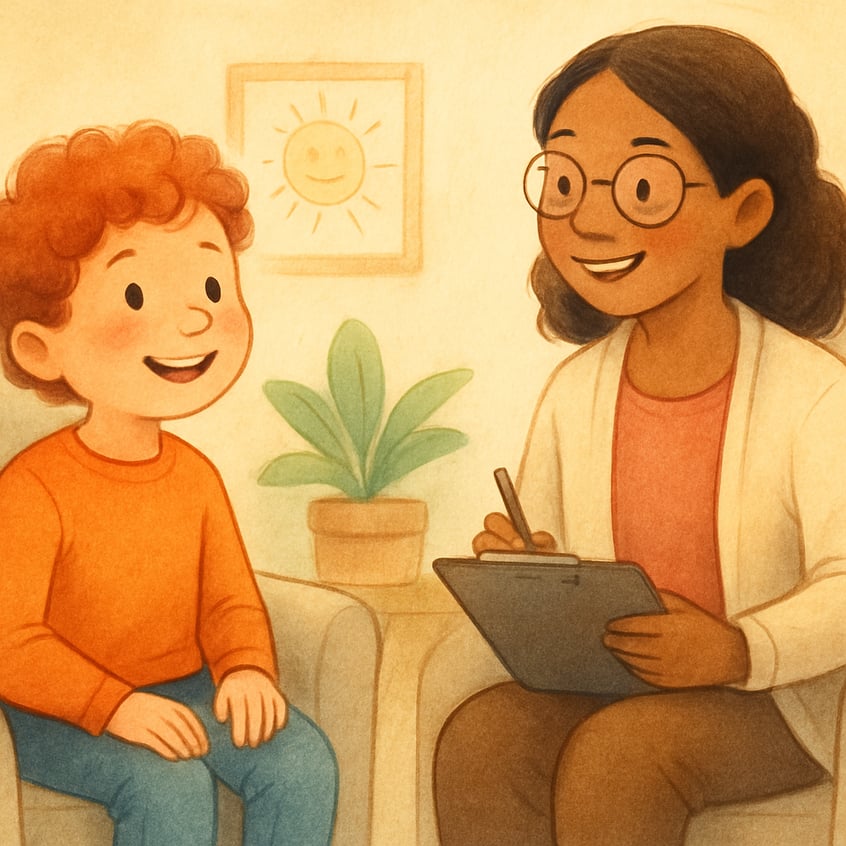
Oppositional Defiant Disorder (ODD) is characterized by a persistent pattern of angry or irritable moods, argumentative behaviour, and vindictiveness. For a diagnosis, these behaviours must last for at least six months and be directed toward at least one person who is not a sibling. It often appears in preschool years.
Someone with ODD might frequently lose their temper, argue with authority figures, and actively defy requests or rules. They may also deliberately annoy others and blame them for their own mistakes. This pattern of behaviour goes beyond what is typical for a child's age and developmental level, causing significant problems at home and school.
Behaviour therapy is a primary treatment for ODD. It focuses on teaching better social skills and coping mechanisms. Techniques like positive reinforcement, where good behaviour is rewarded, help encourage more cooperative actions. A common challenge is ensuring caregivers apply these strategies consistently, but with ongoing support, therapy can lead to significant improvements.
Conduct Disorder (CD)
Conduct Disorder (CD) involves a more severe and persistent pattern of behaviour in which the basic rights of others or major age-appropriate societal norms are violated. It is one of the most serious social behaviour disorders and can lead to significant long-term problems if not addressed.
The signs of CD are grouped into four main categories: aggression toward people and animals, destruction of property, deceitfulness or theft, and serious violations of rules. This can include bullying, physical fights, using weapons, or running away from home. When these behaviours appear before the age of 10, the risk of long-term issues is higher.
Therapy sessions for CD often use behaviour analysis to understand what triggers negative actions. Socialised behaviour therapy works to replace these harmful behaviours with constructive ones by establishing clear daily routines and teaching problem-solving skills. The goal is to help the individual learn empathy and respect for others.
Socialised Behaviour Therapy Explained
Socialised behaviour therapy is a specialized approach that helps individuals with social behaviour disorders learn how to interact positively with others. It combines traditional behaviour therapy techniques with intensive social skills training. This therapy works by breaking down complex social situations into manageable steps, allowing individuals to practice and build confidence in a supportive environment. It directly helps by teaching practical skills to manage emotions and navigate social interactions successfully.
This form of therapy often includes elements of cognitive behavioural therapy to address the thoughts and feelings that drive behaviour. Focusing on both actions and their underlying causes, it provides a comprehensive path toward better social functioning. The following sections explore what makes this therapy unique and the specific techniques it employs.
What Makes Socialised Behaviour Therapy Unique?
What sets socialised behaviour therapy apart is its holistic approach. Instead of only focusing on reducing negative behaviours, it emphasizes teaching positive, pro-social skills within a real-world context. This therapy recognizes that behaviour does not happen in a vacuum and is heavily influenced by social environments and relationships.
This approach is different from standard behavioural therapy, which often targets specific, isolated behaviours. A mental health professional works with the individual to set personalized, individual goals that promote positive actions and meaningful connections with others.
|
Feature |
Socialised Behaviour Therapy |
Standard Behavioural Therapy |
|---|---|---|
|
Primary Focus |
Improving social interactions and integration within a community. |
Modifying specific, observable, and problematic behaviours. |
|
Core Goal |
To build social competence, empathy, and positive relationships. |
To reduce or eliminate unwanted behaviours. |
|
Context |
Emphasizes skills in real-life social settings (school, home, community). |
Often focuses on behaviour in a more controlled or clinical setting. |
|
Approach |
Holistic, considering thoughts, feelings, and the social environment. |
Action-oriented, focusing directly on behaviour and its triggers. |
This unique focus on the "social" aspect makes it a powerful tool for those struggling to connect with the world around them.
Main Techniques Used in Socialised Behaviour Therapy
Socialised behaviour therapy uses a variety of evidence-based techniques to help individuals build confidence and competence in social settings. During therapy sessions, a therapist will tailor these methods to fit the person's specific needs and goals, creating a structured yet flexible plan for growth.
The main techniques used in socialised behaviour therapy often include:
- Social skills training: Direct instruction, modeling, and role-playing of specific social skills like starting a conversation or reading non-verbal cues.
- Cognitive behaviour therapy (CBT): Identifying and changing negative thought patterns that contribute to social difficulties.
- Positive reinforcement: Rewarding and encouraging pro-social behaviours to increase their frequency.
- Behaviour analysis: Examining the triggers and consequences of behaviour to develop effective intervention strategies.
A central element of this approach is social skills training. Its role is to provide a safe space for individuals to practice and refine their interactions without fear of real-world judgment. This hands-on practice is crucial for turning learned skills into natural habits, helping individuals feel more prepared and less anxious in social situations.
Conclusion
In summary, understanding social behaviour disorders is essential for recognizing the impact they have on individuals and society. From Oppositional Defiant Disorder to Conduct Disorder, these conditions can manifest in various ways, making awareness and education crucial. By exploring socialized behaviour therapy, we see a tailored approach that addresses specific needs and employs unique techniques to facilitate healing.
If you have questions or need personalized guidance, don't hesitate to reach out for a consultation or call daar at 02 9133 2500.
Frequently Asked Questions
Is socialised behaviour therapy available through the NDIS in Australia?
Yes, socialised behaviour therapy can be funded through the NDIS in Australia, often under the 'Positive Behaviour Support' category within your plan. Eligibility depends on your individual needs and goals. These therapy sessions are part of a recognized clinical practice designed to improve relationships and build capacity.
How does socialised behaviour therapy differ from standard behavioural therapy?
While standard behavioural therapy targets specific actions, socialised behaviour therapy takes a broader approach. Its therapy sessions focus on improving social interactions in real-world contexts. By integrating social skills training with individual goals, it aims for holistic positive outcomes rather than just stopping a single negative behaviour.
Can socialised behaviour therapy help with autism or other developmental conditions?
Absolutely. Socialised behaviour therapy is highly effective for individuals on the autism spectrum and those with other developmental disabilities. As a form of early intervention, it directly addresses challenges in social communication and interaction, teaching crucial social skills that support lifelong development and connection with others.
.svg)




.svg)