
.png?width=48&height=48&name=Group%201%20(3).png)























30 January, 2026

How to Address Misbehaviour in Children: A Parent's Guide
Introduction
Navigating a child’s behaviour can be one of the most challenging parts of parenting. From toddler tantrums to defiance in older children, moments of misbehaviour are a universal experience. While it can be stressful, understanding the "why" behind your child's actions is the first step toward finding a solution. This guide will help you understand the common causes of disruptive behaviour in young children and offer effective strategies to foster a more peaceful home environment and support your child’s development.
Key Highlights
- A child's misbehaviour is often a form of communication for unmet needs or big emotions they cannot express. Understanding the root cause, whether it's developmental, environmental, or an underlying issue, is key. The film 'Misbehaviour' also explores how misbehaviour can be a form of communication, showcasing characters who act out in response to societal expectations and unaddressed emotions. This connection illustrates that misbehaviour, whether in children or adults, often stems from deeper needs and big emotions.
- Understanding the root cause, whether it's developmental, environmental, or an underlying issue, is key.
- Differentiating between typical behaviours like testing limits and more problematic patterns is crucial for parents.
- Tantrums and emotional outbursts in young children are often normal and stem from a lack of skills to manage feelings.
- Strategies like staying calm, teaching problem-solving skills, and being consistent can guide children toward positive choices.
- Persistent, severe misbehaviour may indicate an underlying condition like ADHD or anxiety, warranting professional support.
Defining Misbehaviour in Children
In the context of children, misbehaviour refers to actions that are challenging, defiant, or outside the expected norm for their age. This type of behaviour isn't about a child being "bad" but rather a signal that they are struggling. It's a form of communication for feelings or needs they can't yet express with words.
These negative behaviours can range from whining and tantrums to more aggressive actions. For young people, these behaviour problems often stem from an inability to manage overwhelming emotions or a lack of skills to handle a situation effectively. Seeing it as communication changes how you respond.
Typical Behaviours vs. Problematic Misbehaviour
It’s important to distinguish between typical behaviours and those that may indicate deeper issues. All children, especially toddlers and preschoolers, occasionally act out—this is a normal part of development as they assert independence and test limits. Tantrums, for example, are common and expected.
Such behaviours help children learn boundaries and consequences. Occasional defiance or emotional outbursts are usually not cause for concern.
However, if misbehaviour is frequent, severe, or unusual for a child’s age, it may signal a problem. Persistent patterns can be shaped by the environment and may disrupt family life or school, suggesting a need to look into underlying causes.
Understanding the Role of Tantrums and Emotional Outbursts
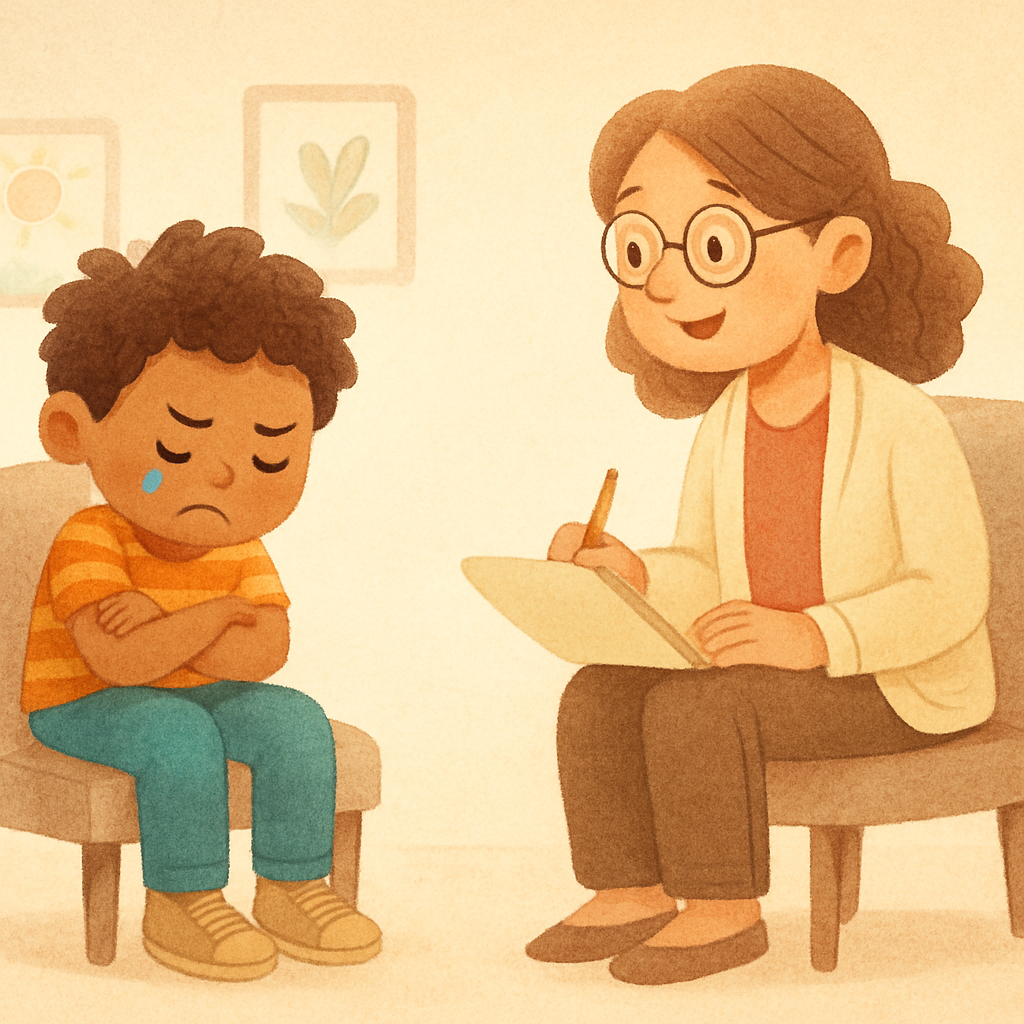
Tantrums are a child’s way of expressing emotions they can’t yet manage or communicate. Young children often lash out because they feel overwhelmed by frustration, anger, sadness, or disappointment.
To handle these outbursts:
- Stay Calm: Your calmness helps your child regulate their emotions. Yelling escalates the situation.
- Don’t Give In: Giving them what they want reinforces tantrums.
- Praise Calmness: After they settle down, praise them for regaining control.
Exploring Common Causes of Misbehaviour
The common causes of misbehaviour are often more complex than they appear on the surface. For younger children, especially, acting out can be triggered by a wide variety of factors. These can range from developmental stages and unmet physical needs to environmental factors and learned behaviours.
An unexpected change in routine, peer influence, or even an undiagnosed learning difficulty can lead to challenging actions. Understanding these potential triggers is essential to addressing the behaviour effectively. We will now look at some of these causes in more detail, including developmental needs and external influences.
Developmental Stages and Unmet Needs
Misbehaviour often stems from a child’s developmental stage or unmet needs. Sometimes, children lack the skills to handle situations appropriately—for example, hitting when they can’t ask for a turn due to poor impulse control.
Sensory issues may cause meltdowns in noisy places, while hunger, fatigue, or illness can lead to tantrums and irritability because young children can't always express these feelings verbally. Helping children identify their emotions and teaching healthy coping strategies can reduce anger and misbehaviour.
Recognizing unmet needs allows you to respond with empathy and teach needed skills.
|
Unmet Need / Lagging Skill |
Possible Misbehaviour |
|---|---|
|
Hunger or Fatigue |
Whining, irritability, temper tantrums |
|
Poor Communication Skills |
Hitting, pushing, grabbing toys |
|
Sensory Overload |
Screaming, running away, public meltdowns |
|
Need for Independence |
Refusing directions, frequent “no” |
Environmental Influences and Learned Patterns
A child's environment and experiences strongly shape their behaviour. Kids often imitate what they see, copying peers or characters on TV—positive or negative. Misbehaviour can become a habit if it gets results, such as whining to get their way, leading to power struggles over homework or bedtime.
Some behavioural disorders—like Oppositional Defiant Disorder (ODD), Conduct Disorder (CD), and ADHD—cause more severe, persistent misbehaviour that needs professional help.
To encourage positive behaviour:
- Model what you want to see.
- Be consistent with consequences so misbehaviour isn’t rewarded.
- Limit exposure to aggressive media and negative peer influences.
Conclusion
Understanding misbehaviour in children is key to creating a nurturing environment and supporting healthy development. By identifying typical behaviours and their causes, parents can respond more effectively. Misbehaviour often results from unmet needs or environmental factors; addressing these can lead to positive changes. Use strategies to support your child’s growth and seek professional help if needed. Your proactive approach can greatly improve your child's emotional well-being and behaviour.
For questions or further assistance, feel free to reach out for a consultation or call daar at 02 9133 2500!
Frequently Asked Questions
Is it normal for a toddler to throw tantrums?
Yes, toddler tantrums are a normal part of development. For young children, tantrums are a primary form of communication for big emotions they can't yet express with words. While challenging, they are not typically a sign of serious behavioural issues and usually decrease as communication skills improve.
How can I help my angry child manage big emotions?
You can help your child by teaching them to name their big emotions. Improving their communication skills allows them to express feelings like anger or frustration constructively. This builds emotional intelligence, helping them make positive choices the next time they feel overwhelmed instead of lashing out.
When should I seek professional support for my child's misbehaviour?
You should consider professional support if your child’s disruptive behaviour is frequent, severe, and impacting their school or family life. A professional can diagnose potential behavioural disorders or other mental health issues and recommend effective treatments like parent management training, therapy, or, in some cases, medication management.
.svg)




.svg)