
.png?width=48&height=48&name=Group%201%20(3).png)























1 April, 2026

Overcoming Excessive Gadget Use for Kids: Therapy Tips
Key Highlights
- Tackling excessive screen time is vital for your child's healthy development and well-being.
- Therapy intervention, especially Cognitive Behavioral Therapy (CBT), is highly effective in treating problematic gadget use.
- Key signs of a problem include mood swings and losing interest in other activities, signaling a need for help.
- Establishing healthy screen habits as a family, using parental controls, and encouraging physical activity are crucial at-home strategies.
- Family participation in therapy is key to creating a supportive environment and achieving lasting change.
- Parent-led interventions help reduce screen time and improve social communication and child development.
Introduction
In today’s digital age, devices like smartphones and tablets are a constant presence in our children's lives. While digital media offers amazing opportunities for learning and connection, many parents worry about how much screen time is too much. Growing concerns about the impact of excessive gadget use on child development are valid. This guide is designed to help you recognize the signs of problematic screen habits, understand the risks, and explore effective therapy tips to help your family find a healthier balance with technology.
Signs Your Child May Need Help with Gadget Use
How can you tell if your child's love for gadgets is turning into a problem? It’s about more than just the hours they spend online; it's about how that time affects their life. Behavioral warning signals can indicate that their mental and psychological health is being impacted.
When you try to enforce screen time limits, their reactions can be very telling. Persistent mood swings, a sudden lack of interest in hobbies they once loved, or a decline in social interactions are all signs that professional help might be needed. Let's look closer at the specific signals to watch for.
Behavioral Warning Signals to Watch For
Excessive gadget use in children often shows through noticeable behavior changes. Key warning signs include intense anger, anxiety, or aggression when devices are taken away—indicating possible dependency.
Emotional struggles may appear as frequent mood swings, with happiness while using a device, turning to irritability offline. This can affect their psychological health and ability to manage feelings.
Watch for these signs:
- Intense anger or anxiety when asked to stop using a device
- Lying about or sneaking screen time
- Neglecting homework or chores for screens
Emotional and Social Impact of Device Overuse
Excessive screen time can harm a child’s emotional and social development. Children who spend too much time online miss out on face-to-face interactions, making it harder to learn social cues, hold conversations, and form real friendships.
You may notice your child prefers virtual friends or becomes withdrawn—signs that screens may be used to avoid negative emotions like sadness or stress. Studies link frequent internet use to higher rates of social anxiety and depression in young people.
Limiting screen time can boost your child’s well-being. Encouraging offline hobbies and family activities helps them build confidence, improve social skills, and manage emotions more effectively.
When Gadget Use Warrants Therapy Intervention
Occasional gadget overuse is normal, but it’s a concern when it disrupts your child’s daily life. If screen time affects school performance, family relationships, or mental health, consider therapy. The goal isn’t to ban technology, but to foster a healthier relationship with it.
Professional help is vital if your child loses control over gaming or internet use, or continues despite negative consequences. Therapists use official criteria like Internet Gaming Disorder to assess when device use becomes a clinical issue. Seeking help protects your child’s well-being.
Early intervention matters. Therapy provides structured support to address dependency and its causes. A therapist can develop coping strategies and boundaries for your child and family, guiding everyone toward a more balanced life.
Risk Factors Influencing Tablet Dependency
Why do some kids get hooked on tablets while others can easily put them down? Several risk factors can contribute tablet dependency. A child's young age makes them particularly vulnerable, as their brains and self-control skills are still developing. The constant, stimulating nature of digital devices can easily lead to unhealthy habits.
Environmental factors and family dynamics also play a significant role. If screens are always available and rules are unclear, the risk of dependency increases. Understanding these influences is the first step toward prevention and effective intervention. The following sections will cover these factors in more detail.
Environmental and Family Dynamics
A child’s home life and family relationships are powerful environmental factors that shape their media use. The habits modeled by parents, the presence of consistent rules, and the overall family atmosphere can either encourage or discourage excessive screen time. Children are more likely to overuse devices if they lack parental support or if family communication is poor.
Creating a family media plan is a great way to establish clear boundaries. When the whole family agrees on the rules, children are more likely to respect them. This plan can be supported by using parental controls on devices, but these tools work best when used transparently and as part of a larger conversation about healthy habits.
Strong family bonds and open communication are protective factors against digital addiction. To foster a healthy environment, consider these points:
- Model healthy screen habits by putting your own devices away during family time.
- Establish and enforce consistent rules about when and where screens can be used.
- Maintain strong relationships and open communication to help prevent overuse.
Age and Personality Differences
Not all children face the same risk of gadget dependency; age and personality are key factors. Young children are especially vulnerable, as too much screen time can disrupt their developing executive functions like impulse control and attention.
As kids grow older, risks shift. Teens may regulate themselves better but face intense social pressure from social media and online gaming, which can lead to excessive use. Children who are impulsive or have social anxiety may rely more on screens as a coping mechanism.
Recognizing these differences is essential for effective intervention. Strategies should be tailored to your child's age and personality for best results.
Early Signs of Digital Addiction
Early signs of digital addiction in children include losing interest in favorite activities, such as playing outside or reading, and choosing screens instead. If your child becomes irritable or anxious without their device, or starts sneaking devices and lying about usage, these are major red flags. Such behaviors indicate a growing dependency, not just normal tech enjoyment. Consistently seeing these signs means it's time to step in and help them restore a healthier balance.
Introduction to Tablet Dependency Therapy
When a child's gadget use becomes a serious problem, tablet dependency therapy can provide a clear path forward. The goal isn't to eliminate technology but to help children and families build a healthier, more balanced relationship with it. Therapy offers structured support to improve a child's mental health and overall development.
Various intervention programs have been designed to address this growing issue, focusing on reducing addiction symptoms and tackling co-existing problems like anxiety or depression. The following sections will explore what these therapy sessions look like and how they can help your child regain control.
Structure of Therapy Sessions for Kids
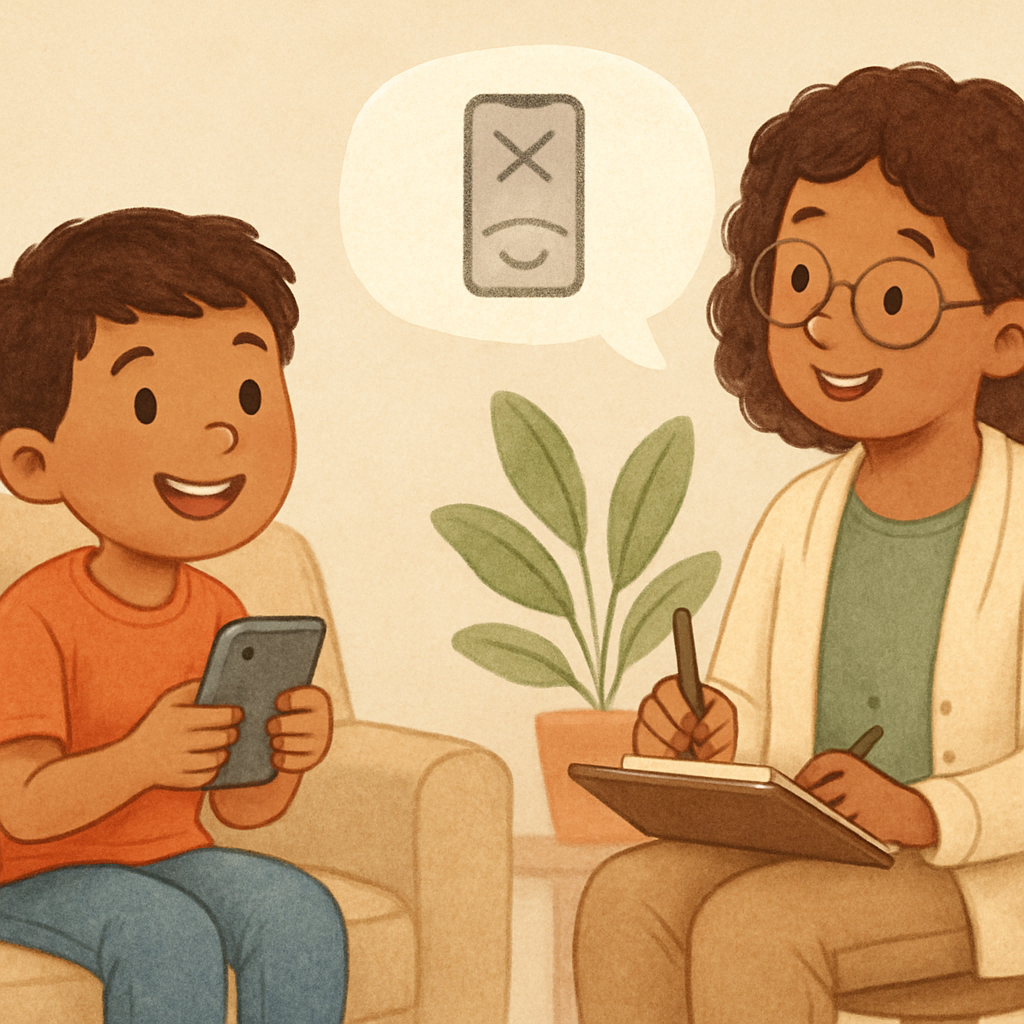
Therapy sessions for gadget dependency are structured to be engaging and suitable for a child's age. A program might involve a series of sessions that build on one another. Early on, the focus is on building a trusting relationship with the therapist and helping the child understand their own internet habits and the emotional issues connected to them.
As therapy progresses, the sessions become more goal-oriented. The therapist will guide the child in monitoring their usage, setting realistic reduction goals, and learning new cognitive skills to prevent relapse. Interventions may also include activities like music therapy or physical exercise, which serve as healthy and enjoyable alternatives to screen time.
These structured sessions often take place in a group setting, which has several benefits:
- It allows children to learn from their peers and share experiences.
- It helps them realize they are not alone in their struggles.
- It provides a safe space to practice new social skills.
The Role of Family Participation
Family involvement is crucial for effectively treating gadget dependency. Therapy is more successful when parents and family members participate, as it addresses underlying family dynamics and builds a supportive team environment.
Family therapy equips you with skills to support your child’s healthy development, understand the causes of screen addiction, improve parenting strategies, and reduce household conflict. Changing your approach encourages your child to change theirs.
When the whole family is involved, the focus shifts from blaming the child to finding solutions together. This strengthens relationships, improves communication, and ensures consistent rule-setting—key factors for long-term success.
At-Home Strategies for Reducing Gadget Time
While professional therapy offers valuable guidance, there are many effective at-home strategies you can implement today to manage your child’s gadget time. Creating a healthy environment at home is a crucial first step. Your consistent involvement and a unified family approach are key to success.
By setting clear screen time limits, encouraging alternative activities, and working together to build healthy digital habits, you can guide your child toward a more balanced and fulfilling life. The following sections will provide practical tips to help you get started on this journey.
Setting Consistent Screen Time Boundaries
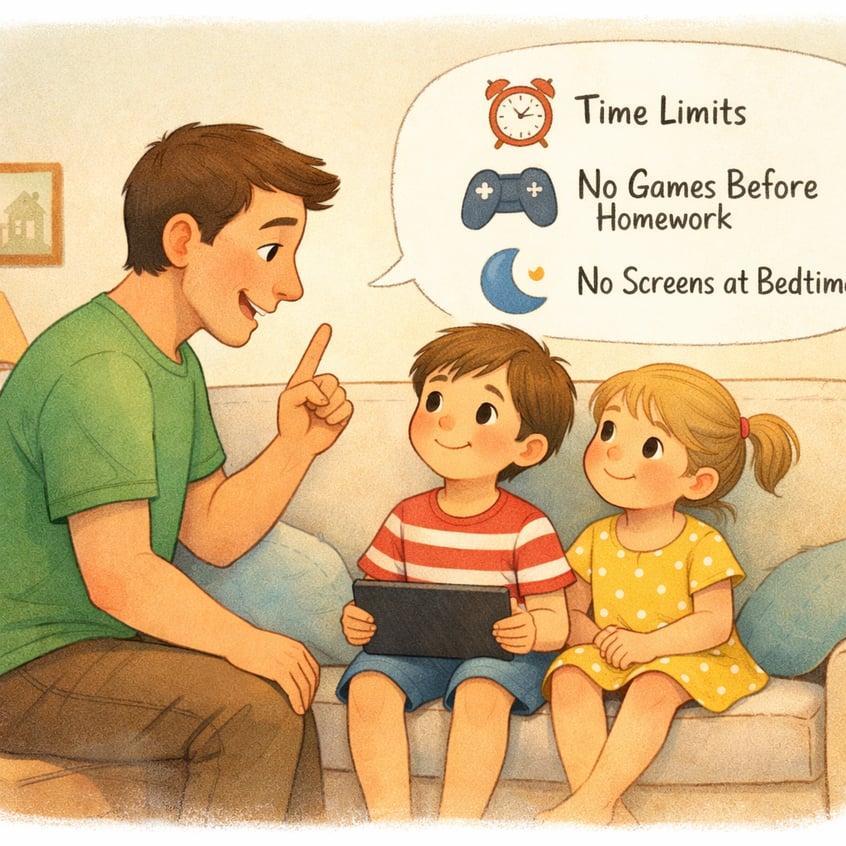
One of the most effective ways to manage gadget use is by setting firm and consistent screen time boundaries. Vague instructions like "less screen time" are often ineffective because they are hard to enforce. Instead, work with your child to create specific and consistent rules about when, where, and for how long they can use their devices.
Using parental controls and app limits can be a helpful tool to support these boundaries, but they should be used transparently. Explain to your child why these limits are in place. The ultimate goal is to teach them self-regulation, not just to police their behavior. Creating tech-free zones and times, such as during meals or in bedrooms, also helps manage expectations and reduces conflict.
A predictable schedule helps children understand that gadgets are just one part of their day. To set healthy boundaries, try these tips:
- Establish a daily or weekly screen time allowance that is appropriate for their age.
- Use a visual timer to give your child a clear signal when screen time is about to end.
- Keep all devices out of bedrooms to protect sleep quality and encourage rest.
Encouraging Safe Alternatives and Offline Activities
A crucial part of reducing gadget time is to fill that time with appealing alternative activities. If you simply tell your child to get off their device without offering something else to do, they will likely feel bored and resentful. Plan engaging offline activities that promote creativity, physical activity, and social connection.
Think about what your child genuinely enjoys. This could be anything from outdoor play and sports to indoor projects like building forts or playing board games. Participating in these activities as a family not only provides a fun alternative to screens but also strengthens your bond with your child.
Having a list of screen-free ideas on hand can be very helpful. Here are a few suggestions to get you started:
- Plan a family game night with classic board games or card games.
- Encourage physical activity by visiting a local park, riding bikes, or playing a sport together.
- Get creative with arts and crafts, cooking a new recipe, or engaging in imaginative play.
Building Healthy Digital Habits as a Family
Children learn how to interact with technology by watching their parents. If you want to encourage healthy digital habits, you must model that behavior yourself. This means being mindful of your own screen time, especially during family meals and conversations. Putting your phone away shows your child that you prioritize face-to-face connection.
Building these habits is a team effort. Create a family media plan together that outlines rules and expectations for everyone's media use. This creates a sense of shared responsibility. You can also use technology as a tool for connection by co-viewing a show or playing a video game together. This allows you to guide their choices and discuss what they see.
Open and honest conversations about online safety, digital citizenship, and the content they engage with are essential. These discussions help your child develop critical thinking skills and learn to navigate the digital world responsibly. When the whole family is on board, creating a balanced tech life becomes much easier.
Parent-Led Interventions and Family Routines
Parent-led interventions are powerful because you are the expert on your child. By establishing clear family routines and consistent screen time rules, you can create a structured environment that promotes healthier habits. These strategies empower you to guide your child's behavior and reduce conflicts over technology.
From creating media plans to modeling positive behavior, your involvement makes a significant difference. The following sections will explore specific ways you can lead these interventions, tailor rules to your family's needs, and support children with unique challenges.
Creating Effective Screen Time Rules
Creating effective screen time rules starts with being clear and consistent. Ambiguous guidelines often lead to confusion and arguments. A family media plan is an excellent tool for outlining these clear rules. By involving your children in the process of creating the plan, you give them a sense of ownership and make them more likely to follow it.
Your rules should be specific and easy to understand. For instance, instead of saying "no screens before bed," a better rule would be "all screens are turned off one hour before bedtime." This removes any gray areas. A systematic review of studies shows that having specific rules is one of the most effective ways to reduce children's screen time.
To create effective rules, consider these key strategies:
- Designate screen-free zones, like the dining table and bedrooms, to encourage interaction and protect sleep.
- Set daily time limits that are appropriate for your child's age and developmental stage.
- Collaborate with your child to decide on the rules, which fosters cooperation.
Modeling Positive Device Behaviors for Kids
One of the most powerful tools you have for shaping your child's digital life is your own behavior. Children are excellent mimics, and they will mirror the habits they see at home. If you want to encourage positive device behaviors, you need to be mindful of your own screen time. This means putting your phone down during family conversations and being present.
Modeling healthy habits goes beyond just limiting your usage. Show your children how to use technology as a tool for learning, creativity, and connection, rather than just for passive entertainment. You could research a new hobby together online or use a video call to connect with relatives.
While parental controls can help enforce limits, they are no substitute for your example. When your children see you prioritizing real-world interactions and managing your own screen time responsibly, they learn that a balanced life is both achievable and desirable. This sets a strong foundation for them to develop their own healthy habits as they grow.
Supporting Special Needs Children in Managing Screen Time
Supporting special needs children, such as those with Autism Spectrum Disorder (ASD), in managing screen time requires a tailored and patient approach. For these children, screens can sometimes be a valuable tool for learning and communication, but they also pose a higher risk for dependency. Clear, consistent boundaries are essential, and visual aids like schedules and timers can be incredibly helpful.
Incorporate a balanced routine that includes plenty of offline activities, especially those that support sensory needs and physical movement. Early intervention is key to preventing problematic use. Focus on high-quality, educational content that aligns with your child's developmental goals. Using parental controls can help ensure a safe digital environment, but open communication is just as important.
Engaging with your child during screen time can turn a solitary activity into a chance for connection and skill-building. This approach helps with emotional regulation and teaches them to use technology purposefully. By tailoring strategies to your child's unique needs, you can foster healthy digital habits that support their overall well-being.
When and How to Seek Professional Support
If you have tried at-home strategies but your child’s screen time is still causing significant problems at home or school, it may be time to seek professional support. Recognizing that you need help is a sign of strength, and a therapist can provide the guidance needed to get things back on track.
A professional can assess the situation, identify underlying issues affecting your child’s psychological health, and recommend the right therapy intervention. The following sections will detail the key signs that signal a need for therapy and how to find a qualified provider.
Key Signs That Signal a Need for Therapy
It can be challenging to distinguish typical behavior from the key signs of a serious problem like digital addiction. However, certain red flags strongly indicate that professional help is needed. The most significant sign is when gadget use starts to cause functional impairment in major areas of your child's life.
If their grades are dropping, they are withdrawing from family and friends, or they show a complete loss of interest in all other activities, these are serious concerns for their mental health. This goes far beyond a bad habit and points to a deeper issue that requires early intervention. These patterns suggest that the child is no longer in control of their device use.
Seek professional help if you consistently notice these signs:
- A significant decline in school performance or failure to complete assignments.
- Withdrawal from social activities and isolation from friends and family.
- Neglecting personal hygiene, sleep, or other basic needs due to screen use.
Finding Qualified Tablet Dependency Therapy Providers in Australia

Finding the right professional for tablet dependency therapy is a crucial step. In Australia, you should look for therapists who specialize in child and adolescent mental health, particularly those with experience in behavioral addictions like internet or gaming dependency. Many psychologists and counselors now list this as a specialty.
You can start by asking your GP for a referral or checking with your child's school counselor. Professional organizations like the Australian Psychological Society have online directories where you can search for qualified providers in your area. When contacting potential therapists, ask about their experience treating technology addiction in children and the types of therapy they offer.
Some universities with a graduate program in psychology may also have clinics that offer services at a reduced cost. It’s important to find a provider who aligns with your family’s needs and who emphasizes involving parents in the treatment process.
Conclusion
In conclusion, addressing excessive gadget use in children is crucial for their emotional and social well-being. By recognizing the signs of over-dependence and implementing effective strategies at home, parents can foster healthier digital habits. Encouraging offline activities and setting consistent screen time boundaries will help create a balanced environment for your child to thrive. Remember, as parents, modeling positive device behaviors is key to guiding children toward healthier relationships with technology. If you’re ready to take the next step in managing your child’s gadget use, consider reaching out for professional support to get tailored advice and strategies that fit your family’s needs.
Reach out for a consultation or call daar at 02 9133 2500 for expert guidance tailored to your child’s needs.
Frequently Asked Questions
What are effective strategies for parents to modify their child’s screen use behavior?
Effective strategies include setting clear screen time limits and using parental controls. Creating a family media plan helps establish consistent rules. Encouraging alternative activities and modeling healthy digital habits yourself are also crucial for integrating balance into your child's daily life and fostering long-term positive behaviors.
How can tablet dependency therapy help children overcome excessive gadget use?
Tablet dependency therapy helps by identifying the root causes of overuse, such as underlying emotional issues. Through structured therapy sessions, children learn coping skills and strategies to manage their habits. Early intervention is key to addressing the problem and protecting your child's mental health before it becomes more severe.
What daily routines help kids reduce screen time and improve well-being?
Daily routines that help include tech-free family meals, dedicated time for homework without distractions, and a consistent bedtime routine without screens. Incorporating alternative activities like outdoor physical activity, reading, or playing board games helps build healthy screen habits and promotes overall well-being.
.svg)




.svg)