
.png?width=48&height=48&name=Group%201%20(3).png)























1 April, 2026

Screen Addiction Therapy for Toddlers: A Parent's Guide

Key Highlights
Here are the main takeaways to help you manage your toddler's screen time:
- Recognize the signs of screen addiction, such as moodiness when devices are taken away, including when they are prevented from watching TV shows.
- Set clear screen time limits and create screen-free zones to manage excessive use in young children.
- Implement behavioral strategies and consider a gradual digital detox to reset your child's habits.
- Encourage engaging alternative activities like outdoor play, reading, and family games.
- Model healthy device use yourself to set a positive example for your children.
Introduction
In our modern world, screens are everywhere, and managing children’s screen time and their influence on toddlers can feel like a major challenge for parents. While digital media offers educational and entertainment value, finding a healthy balance is crucial. Many parents worry about the amount of screen use and its potential to impact their child's development and well-being. This guide offers practical tips and strategies to help you navigate these challenges and foster healthier habits for your little one.
Understanding Screen Addiction in Toddlers
While screen addiction, particularly related to social media, is not a formal diagnosis for young children, many parents notice the negative behaviors associated with excessive screen use. It’s not just about the hours spent on digital devices; it’s about the impact that time has on a child's life and behavior.
When screen dependence starts to interfere with play, family time, or the amount of time spent on sleep, it might signal a problem. You can recognize the signs of screen addiction in your toddler by observing their reactions when devices are removed. If they become unusually irritable or anxious, it could indicate a deeper issue. Let's look at specific warning signs and the health impacts to watch for.
Recognizing Early Warning Signs in Young Children
To determine if your toddler needs help with screen use, watch for behavioral and emotional changes linked to electronic devices and device time. Signs of screen addiction show real dependence, not just poor impulse control.
Warning signs include severe behavior issues when screens are removed. Look for withdrawal symptoms like intense anxiety, frustration, or persistent mood swings—these signal an unhealthy connection to screens.
Red flags:
- Irritability or anger when asked to stop using a device
- Loss of interest in toys or family time
- Constantly requesting screens at inappropriate times
- Trouble sleeping after screen time
Behavioral and Health Impacts of Excessive Screen Time
Excessive screen time can negatively impact toddler development, especially by reducing sleep quality. Blue light from screens disrupts melatonin production, making it harder for children to fall asleep and leading to crankiness and poor concentration.
Too much screen use, especially when spent in front of a screen, also affects mental health and social skills by limiting face-to-face interactions essential for learning social cues. Setting clear limits and providing engaging alternatives can help reduce screen dependency.
Potential impacts include:
|
Impact Area |
Description |
|---|---|
|
Physical Health |
Increases sedentary behavior, raising the risk of health problems. |
|
Mental Health |
May cause anxiety, mood swings, and challenges with emotional control. |
|
Social Skills |
Limits social interaction, potentially hindering development. |
|
Sleep Quality |
Disrupts sleep due to blue light and overstimulation. |
Why Toddlers Are Vulnerable to Screen Addiction
At a young age, toddlers' brains are rapidly developing, making them more susceptible to forming strong habits around screen use. The interactive and stimulating nature of digital media use can be particularly captivating for them, leading to patterns that resemble compulsive internet use, especially for children with autism spectrum disorder.
Recognizing the signs of screen addiction in your toddler, like intense tantrums when a device is taken away, is the first step. If your toddler shows signs of withdrawal, early intervention is key to preventing long-term issues and establishing a healthy relationship with technology from the start. We will now explore the developmental and emotional factors that contribute to this vulnerability.
Developmental Factors Influencing Screen Habits
Young children are vulnerable to poor screen time habits because their brains are still developing self-control. Toddlers are drawn to the bright colors, fast movements, and sounds of digital media, including cell phones, making it hard for them to stop on their own.
Without supervision, device use can become problematic. Frequent screen time may make it harder for toddlers to enjoy quieter activities that support healthy development.
Setting clear limits involves a consistent schedule. For example, allow 30 minutes of quality programming after an afternoon nap while keeping mornings and evenings screen-free. This routine sets expectations and reduces conflicts over screens.
Emotional Consequences of Screen Dependency
Problematic internet use in toddlers can have serious emotional effects. Dependence on screens for comfort may hinder the development of healthy coping skills and impact long-term mental health.
Signs include mood swings, irritability, or anxiety—especially when screen time is restricted. Constant device stimulation makes it harder for a child to calm down, leading to compulsive internet use as they seek screens to manage emotions.
During therapy, validate your toddler’s feelings (“I know you’re sad the show is over”), offer comfort, and gently redirect them to a new activity. This helps them feel understood while reinforcing boundaries.
Practical Strategies to Block Screen Time Kids Experience
To help your toddler build healthier habits, it's important to implement practical strategies that manage their screen use, including being mindful of parents' own screen use. This involves setting clear screen time limits and introducing a variety of engaging alternative activities to fill their time.
A gradual digital detox in today’s digital age, where you slowly reduce screen exposure, can be more effective than stopping all at once. The goal is to help your child rediscover the joy of playing, creating, and interacting with the world around them. Let's explore how to set these limits and what activities you can introduce.
Setting Healthy Device Limits in the Home
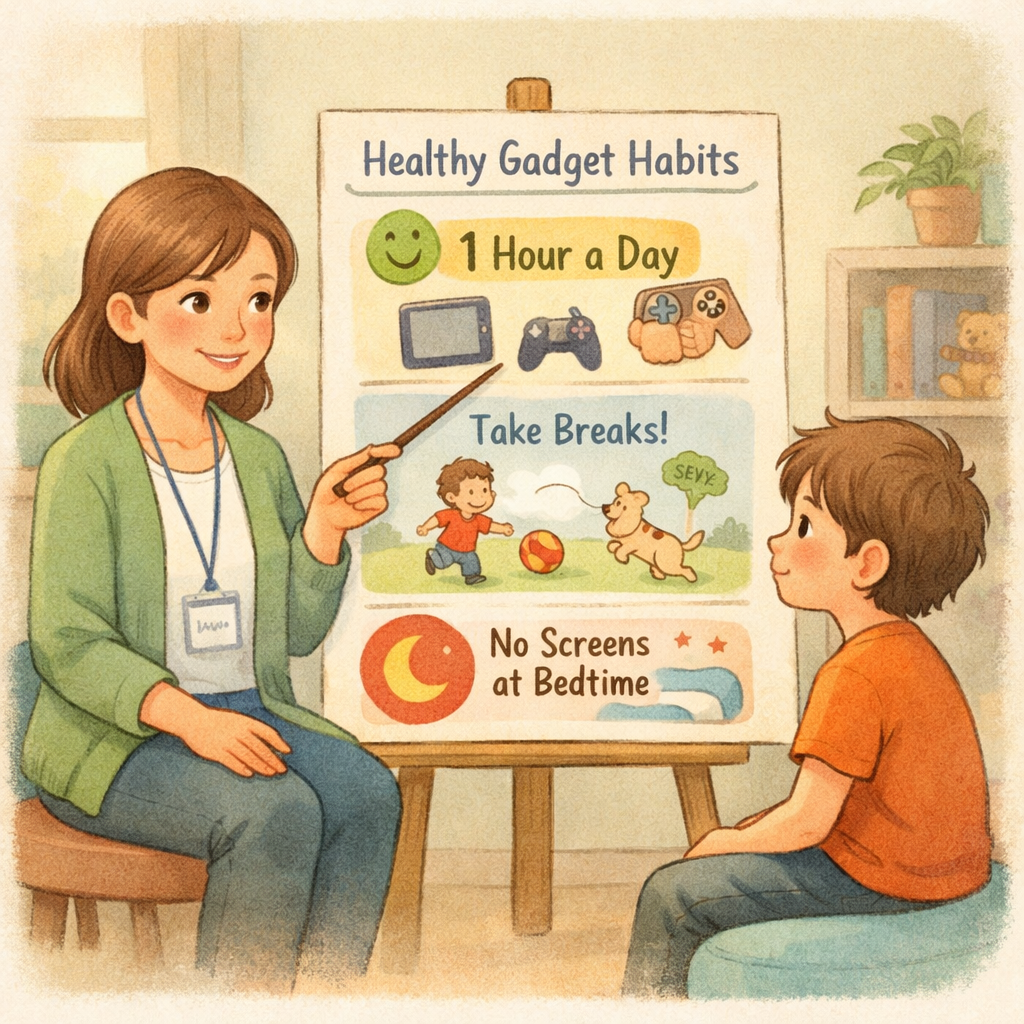
Set clear, consistent boundaries to set limits on screen time. Firm limits help toddlers understand expectations and reduce arguments. Designate specific times for device use, like a short afternoon session, to create a routine.
Involve your child in small choices—such as picking between two educational shows—to give them control and encourage cooperation while being mindful of your own screen time.
Tips for healthy screen limits:
- Make bedrooms and the dinner table screen-free zones.
- Use a timer to signal when screen time is over.
- Turn off devices at least an hour before bedtime for better sleep.
- Schedule regular screen-free days or afternoons.
Introducing Engaging Alternatives to Screens
A key way to reduce screen time for young kids is to replace it with fun alternative activities. When toddlers are bored, they often return to screens. Offering engaging options helps them spend less time in front of screens and develop healthier habits.
Encourage physical activity and creative play to build new skills. Simple activities like park walks, block building, or family board games are more enriching than passive screen use.
Try these screen-free ideas:
- Go for a bike ride or play catch outside.
- Do creative projects like painting, drawing, or using play-dough.
- Read books together daily.
- Visit a local park or playground.
- Have a family dance party.
Therapy Approaches for Treating Screen Addiction
When dealing with screen addiction in toddlers, professional therapy can provide structured support and guidance. Effective approaches often focus on behavioral interventions that involve the whole family. Early intervention is crucial for redirecting unhealthy habits before they become deeply ingrained.
Therapists can help families create a plan, which might include a gradual digital detox alongside new routines. These strategies are designed to address the root causes of the dependency and promote a balanced lifestyle. The following sections will cover specific therapy models and when to seek professional help.
Family-Based Behavioral Interventions
Family-based interventions are effective because they address a child's environment. These strategies involve the whole family in creating healthy media habits, with parents consistently setting limits and modeling positive behavior.
A therapist can help your family establish clear screen time boundaries tailored to your needs, reducing confusion and conflict for your toddler. The goal is to shift the family's approach to screens, not just change the child's behavior.
Working together reinforces new routines and supports your toddler as they adjust to less screen time and more family interaction, making changes more sustainable.
When to Seek Professional Treatment Programs

While many families can manage healthy screen habits and screen time at home, professional help may be needed if your toddler’s screen use causes severe behavior issues, disrupts family life, or you suspect an underlying problem.
Treatment programs are especially useful if there are co-occurring conditions such as autism or developmental delays related to video game addiction. Although internet gaming disorder is more common in older children, compulsive behaviors can begin early. A specialist can create a plan tailored to your child’s needs.
The American Academy of Pediatrics recommends talking to your pediatrician if you’re worried about your child’s media use, including their use of children’s media. A doctor or therapist can advise whether a structured program is necessary and guide you to the right resources.
Conclusion
In conclusion, addressing screen addiction in toddlers is essential for their well-being and development. By recognizing warning signs and the effects of excessive child screen time, parents can take proactive steps to create a healthier environment. Setting device limits, offering engaging alternatives, and seeking professional support when needed can greatly reduce screen dependency. Prioritizing your child’s mental and emotional health now builds a stronger foundation for their future.
If you’re ready to act, reach out for a consultation or call daar at 02 9133 2500 to get started.
FAQs (Frequently Asked Questions)
Children often show signs of screen addiction at a young age, including mood swings or poor impulse control. What are the recommended screen time limits for toddlers? The American Academy of Pediatrics suggests that young children engage with screens for no more than one hour each day. Parents might wonder about how much time they should limit screen use. The best strategies to limit screen use include encouraging engaging alternative activities and setting specific times for media use, which are practical tips to foster healthier habits for the entire family.
What are the long-term effects of untreated screen addiction in toddlers?
Untreated screen addiction in toddlers can lead to long-term challenges, including persistent behavioral problems, social difficulties, and sleep disturbances. As they grow, it may contribute to negative consequences such as poor academic performance and ongoing issues with mental health, such as anxiety and problems with emotional regulation.
How can parents support their toddler emotionally during screen addiction therapy?
To support your toddler during screen addiction therapy, validate their feelings about the changes. Acknowledge their sadness or frustration to help them manage the emotional consequences. Offering choices in other activities can give them a sense of control, while consistent behavioral strategies help build healthier habits.
What are common challenges families face when reducing screen time for toddlers?
Families often face challenges like toddler tantrums and other behavioral problems when setting screen time limits. It can also be difficult to consistently limit device use and find engaging alternative activities that hold a child's interest as much as screens do in the real world, especially considering how much screen time young children are exposed to.
.svg)




.svg)