
.png?width=48&height=48&name=Group%201%20(3).png)























7 January, 2026

Unlocking Potential: The Benefits of Speech Therapy
Introduction
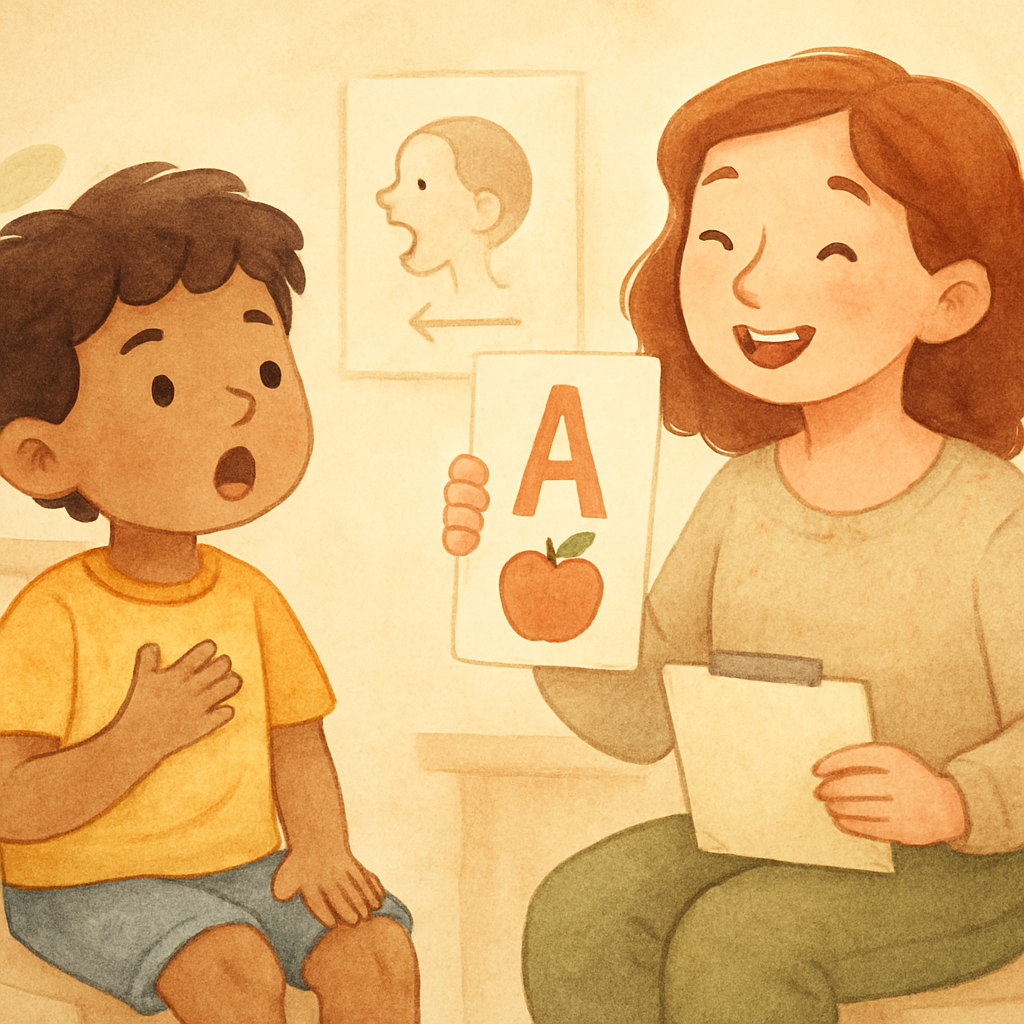
Have you ever wondered what speech therapy is and how it can help? Speech therapy is a specialized treatment designed to improve your ability to communicate. It helps with everything from speaking clearly to understanding what others are saying. A speech-language pathologist (SLP) works with you to identify challenges and develop exercises to address your specific needs. Whether for a child's language development or an adult's recovery from an injury, speech therapy can significantly enhance communication skills and improve quality of life.
Key Highlights
-
Speech therapy is a proven treatment for improving communication and language skills in both children and adults.
-
It addresses a wide range of speech disorders, from articulation and fluency issues to challenges caused by a brain injury or medical condition.
-
Speech therapists create personalized treatment plans with exercises and activities tailored to your specific needs. Early intervention is key, especially for children, as it leads to better outcomes in language development. To become a speech pathologist, you typically need a master's degree in speech-language pathology, supervised clinical experience, and a state license. These qualifications ensure that speech therapists are prepared to address language development challenges and provide effective early intervention.
-
Early intervention is key, especially for children, as it leads to better outcomes in language development.
-
The goal of speech therapy is to enhance communication skills, boost confidence, and improve your overall quality of life.
Who Can Benefit from Speech Therapy?
A wide variety of individuals can find support through speech therapy. It’s a valuable resource for anyone, at any age, who faces challenges with speech, language, or swallowing. Speech therapists work with people from all walks of life, including infants, toddlers, school-aged children, and adults.
Your specific needs determine the approach, making it a highly personalized form of treatment. Whether you're dealing with developmental language disorders or recovering from a medical event, therapy is tailored to meet your unique communication needs and goals. Speech therapy typically focuses on improving speech production, such as articulation, fluency, and voice quality, while language therapy addresses understanding and using language—both spoken and written. The following sections explore how this therapy supports both children and adults.
Children Experiencing Speech or Language Delays
Speech therapy is essential for children with speech or language delays. A speech-language pathologist offers targeted support to help kids with sounds, words, or comprehension. Early intervention—ideally before age five—yields the best results, boosting learning, social skills, and confidence.
Therapy uses play-based activities and games to make learning engaging. This approach helps children build vocabulary, improve pronunciation, and communicate effectively, preparing them for success in school and life.
Adults with Communication or Swallowing Challenges
Adults may need speech therapy after medical events like strokes or brain injuries, which can cause speech difficulties. Neurological disorders such as Parkinson’s disease or MS can also weaken speech muscles.
Speech therapy also treats swallowing problems (dysphagia), which affect health and well-being. Therapists teach exercises to strengthen mouth and throat muscles.
The main goal is to restore lost skills and improve quality of life. Therapy helps you regain independence, rebuild confidence, and return to daily activities.
Common Conditions Supported by Speech Therapy
Speech therapy is an effective treatment for a broad spectrum of communication disorders. It can help individuals with speech disorders that affect how they produce sounds, as well as language disorders that impact their ability to understand or use words to communicate ideas.
Conditions resulting from a brain injury, hearing loss, or developmental issues can all be addressed through targeted therapy. Let's look at some of the specific challenges that speech-language pathologists can help you overcome.
Receptive Language and Expressive Language Disorders
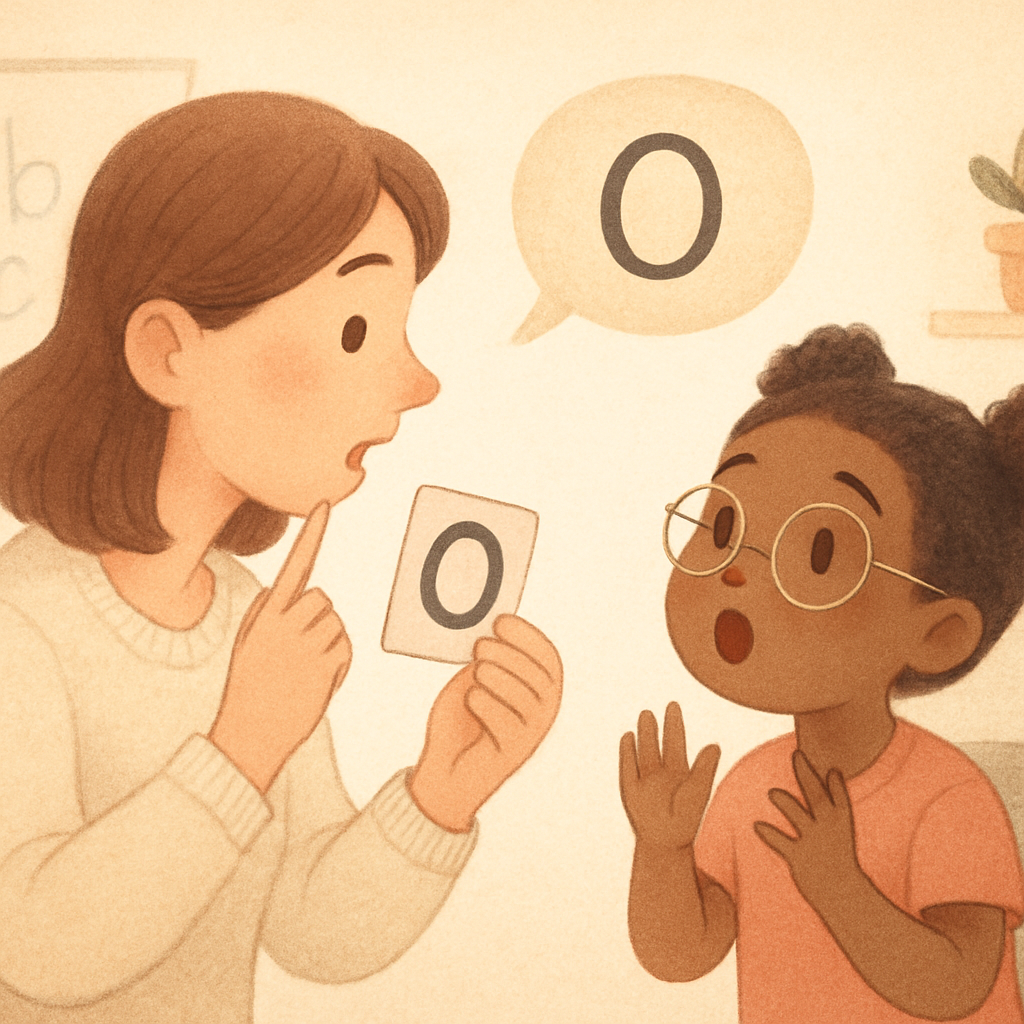
Language disorders fall into two main types: receptive and expressive. Receptive disorders make it hard to understand or process language, leading to difficulty following conversations or directions. Expressive disorders affect the ability to communicate thoughts, causing trouble with forming sentences, finding words, or using correct grammar.
Speech therapy addresses both issues. A therapist helps improve comprehension and teaches strategies for clearer, more effective communication.
Social Communication Disorders and Other Key Challenges
Communication is more than words—it’s about social interaction. Social communication disorders make it difficult to use language appropriately in social situations, such as reading nonverbal cues, taking turns in conversation, and adjusting language for different audiences. While often seen in autistic children, these challenges can affect others as well.
Therapy focuses on building social skills through role-playing and group activities, giving individuals a chance to practice conversations in a supportive environment. This helps improve interactions with peers and family.
Strengthening these skills enables individuals to form meaningful relationships and handle social situations confidently—key for well-being and integration.
Inside a Speech Therapy Session
What actually happens during a speech therapy session? Your first appointment typically involves an assessment by a speech pathologist, who will identify your specific communication disorder and create a treatment plan. This plan outlines your goals and the methods that will be used to achieve them.
Each session is focused on your unique needs. For children, this often involves play-based language intervention activities, while adult sessions might focus on rebuilding skills for daily life. Below, we'll explore some of the common exercises and strategies used in therapy.
Typical Activities Guided by Speech Pathologists
A speech therapist uses various exercises to help you improve, making activities effective and engaging. Therapy can be one-on-one, in small groups, or in a classroom.
For articulation therapy, the focus is on producing correct sounds. The therapist models sounds and shows you how to move your tongue and lips. Other activities strengthen the connection between your brain and mouth.
Common activities include:
-
Mouth and Tongue Exercises: Strengthen muscles for speech and swallowing.
-
Reading Aloud: Improves coordination and fluency.
-
Word Games: Enhance memory and communication skills.
-
Facial Movements: Practicing smiles or puckering lips boosts motor control.
Strategies for Social Communication Development
Therapists use targeted strategies to help those with social communication challenges build confidence and skills. Techniques are tailored to each person’s needs, making interactions feel more natural and less stressful.
A key approach is breaking social skills into small steps, such as starting conversations, reading non-verbal cues, and taking turns speaking. Role-playing common scenarios helps practice these skills in a safe setting.
With therapy, you gain the tools and confidence to navigate social situations, build relationships, and communicate effectively.
How to Identify the Need for Speech Therapy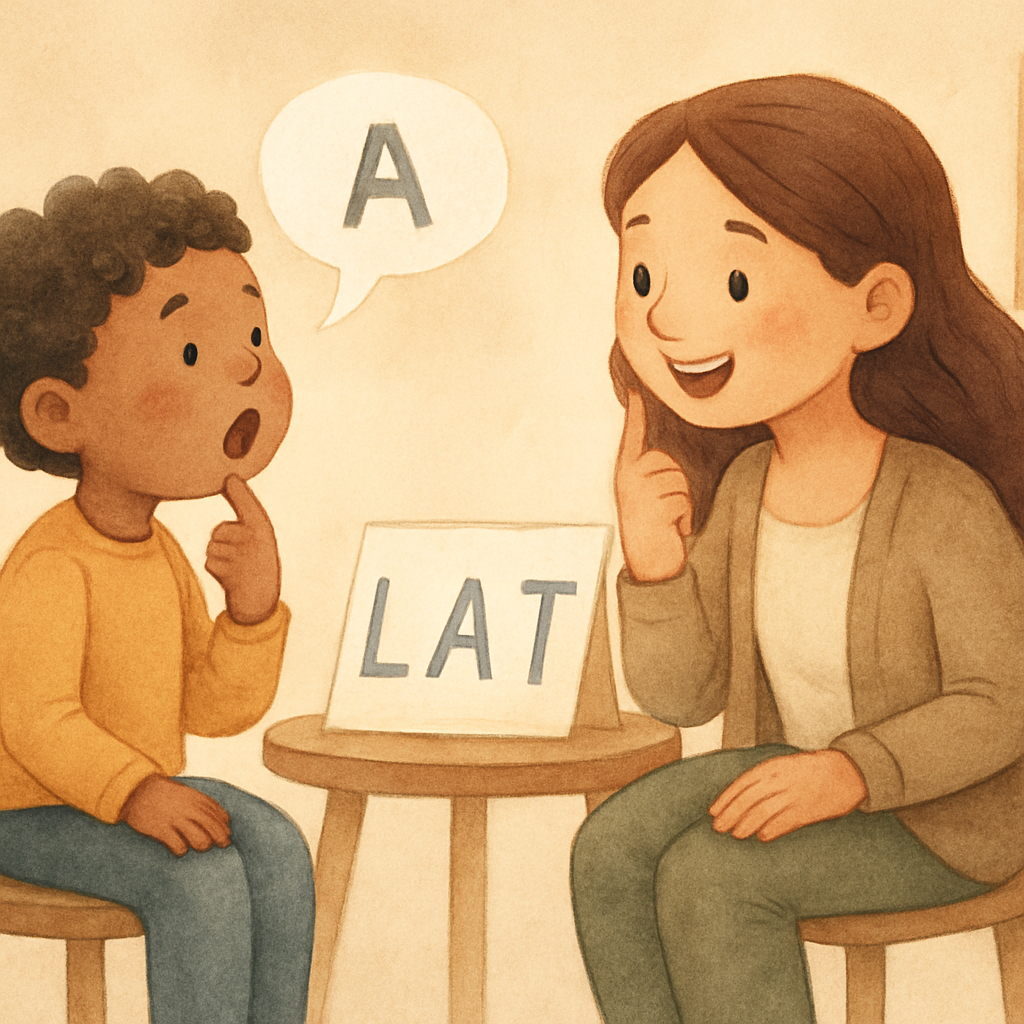
Recognizing the signs of speech problems is the first step toward getting help. If you or a loved one is struggling with communication disorders, it's important to seek an evaluation. Family members are often the first to notice that something is amiss.
Consulting with speech therapists can provide clarity and a path forward. Early intervention is particularly important, as it often leads to more significant and lasting improvements. The next sections detail specific signs to look for in different age groups.
Signs Parents Should Look For in Children
Parents are best equipped to monitor their child's language development. While every child develops differently, certain signs may indicate delays or articulation issues. If you’re concerned, consult your pediatrician or a speech therapist.
Watch for challenges in both understanding and using language—not just what your child says, but also how they respond. Early support can make a significant difference.
Common warning signs include:
-
No babbling or sounds by 12 months
-
Only a few words by 18 months
-
Difficulty forming short sentences by age 3
-
Struggles with word sounds, making speech hard to understand
-
Trouble following simple directions
Indicators in Teens and Adults
Teens and adults may need speech therapy after a brain injury, stroke, or due to neurological conditions. Warning signs include slow or slurred speech, trouble finding words, hoarse voice, memory issues, and difficulty organizing thoughts—often part of cognitive-communication disorders.
These challenges can be frustrating and affect independence. If you notice these symptoms, seek a professional evaluation. Speech therapy can help you manage these issues and improve communication.
Conclusion
Speech therapy is a valuable resource for people of all ages, helping children with speech delays and adults with communication challenges. Recognizing the signs and understanding the process can help you make informed choices for yourself or a loved one. Every step toward better communication builds confidence and connection.
Curious about how speech therapy can help? Contact us today for a consultation or call daar at 02 9133 2500!
Frequently Asked Questions
How long does speech therapy usually take to show results?
The timeline for seeing results from speech therapy work varies based on age, the severity of the disorder, and the frequency of sessions. Some people notice improvements in a few months, while others with more complex needs may require longer-term, effective treatment. Your speech therapist will create a treatment plan with specific goals.
Is speech therapy effective for both adults and children?
Yes, speech therapy is an effective treatment for both adults and children. The approaches are tailored to different age groups and communication needs, addressing everything from developmental delays in children to acquired communication disorders in adults. The goal is always to improve communication skills and quality of life.
What are the common signs that indicate someone might benefit from speech therapy?
Common signs include difficulty with pronunciation, stuttering, a limited vocabulary, and trouble following directions. For adults, this could be slurred speech or difficulty finding words after an injury. If you notice any of these communication problems or language disorders, it may be time to consider speech therapy.
.svg)




.svg)