
.png?width=48&height=48&name=Group%201%20(3).png)























3 March, 2026

Understanding Behavioural Therapy ADHD for Children
Key Highlights
- Behavioral therapy helps children manage ADHD symptoms like hyperactivity and attention deficit by teaching them practical skills.
- The primary strategies involve parent training, positive reinforcement, and creating structured routines to encourage good behavior.
- Research shows behavioral therapy is highly effective, especially when combined with medication for severe ADHD symptoms.
- Parent training is a key component, empowering families to use praise and consistent consequences to handle problem behaviors.
- In Australia, the NDIS can provide funding and support for behavioral therapy, helping families access qualified therapists.
- Unlike medication that manages symptoms short-term, behavioral therapy teaches skills that offer long-term benefits for daily life.
Introduction
Welcome to our guide on behavior therapy for children with Attention Deficit Hyperactivity Disorder (ADHD). If you're a parent navigating the challenges of ADHD, you know how much it can impact daily life. While managing ADHD symptoms is a journey, behavioral therapy offers a powerful, research-backed approach to help your child thrive. This form of psychotherapy teaches practical skills to manage behaviors, improve focus, and build confidence. In this post, we'll explore what behavioral therapy is, how it works, and the support available to you. In addition to behavioral therapy, there are several other non-medication therapies for ADHD, such as cognitive-behavioral therapy (CBT), social skills training, parent training programs, and educational interventions. These approaches can further support your child's ability to manage symptoms and succeed at home, in school, and in social situations.
Understanding ADHD in Children
Attention Deficit Hyperactivity Disorder (ADHD) is a neurodevelopmental disorder that affects millions of children. It impacts their ability to regulate emotions, follow instructions, and manage daily tasks. The core symptoms include inattention, hyperactivity, and impulsivity, which can create challenges at home, school, and in social situations.
Understanding these core symptoms is the first step toward providing effective support. Recognizing how this hyperactivity disorder affects your child’s thinking and behavior allows you to implement strategies that truly make a difference in their mental health and well-being.
Common Signs and Symptoms of ADHD
ADHD symptoms fall into three main categories: inattentive, hyperactive, and impulsive behaviors. Early recognition is key to getting your child the right support. While each child’s experience varies, common signs include trouble focusing, following instructions, or organizing things for those with inattentive symptoms. Hyperactive children may fidget, struggle to stay seated, or talk excessively. Impulsive behaviors often involve interrupting others or acting without thinking.
These behaviors are not intentional or defiant—they reflect the disorder. Early intervention can help manage symptoms and support your child’s success. Understanding these signs enables you to better meet your child’s needs.
Impact of ADHD on Daily Life and Learning
ADHD can significantly impact a child's daily life, affecting school, social relationships, family dynamics, and self-esteem. Inattention, hyperactivity, and impulsivity often lead to challenges beyond the classroom.
At school, children may struggle to complete assignments, stay focused, or follow rules—hindering academic performance. Socially, impulsive behavior and difficulty reading cues can make friendships challenging and hurt self-esteem.
Specific impacts of ADHD include:
- Academic Performance: Trouble finishing tasks, poor organization, difficulty with instructions.
- Social Skills: Problems with turn-taking, interrupting conversations, misreading interactions.
- Home Life: Difficulty following routines, completing chores, increased family conflict.
- Emotional Regulation: Mood swings, low frustration tolerance, frequent outbursts.
What Is Behavioral Therapy for Children with ADHD?

Behavioral therapy is a structured form of psychotherapy designed to help children with ADHD manage their behaviors effectively. Instead of focusing on the core symptoms directly, this ADHD therapy teaches children practical skills to control impulsivity, improve focus, and stay organized. It's an evidence-based approach that empowers both children and their families.
The main goal is to reinforce positive behavior while reducing problematic ones. Through consistent strategies and a supportive environment, children learn how to navigate daily challenges successfully. This approach is often recommended as a first-line treatment, especially for young children, before or alongside medication.
Core Principles of Behavioral Therapy
Behavioral therapy is based on clear principles that shape behavior by teaching children their actions have predictable outcomes. It uses reinforcement, clear expectations, and consistency to help children make better choices.
This approach emphasizes rewarding positive behavior rather than punishing negative actions, using praise or rewards to encourage improvement. Negative behaviors receive immediate and consistent consequences, establishing clear boundaries.
Core principles include:
- Positive Reinforcement: Rewarding good behavior to increase its frequency.
- Consistent Consequences: Applying predictable outcomes for negative behavior.
- Clear Expectations: Setting specific, achievable behavioral goals.
- Ignoring Minor Misbehavior: Withholding attention from minor disruptions to reduce them.
How Behavioral Therapy Works for ADHD
Behavior therapy works by creating a collaborative and structured environment where children can learn and practice new skills. The process begins by identifying specific problem behaviors, such as interrupting or not finishing homework, and setting clear goals for improvement. Therapists then work with parents and teachers to implement strategies that encourage good behavior.
A crucial part of this process is teaching parents and educators how to respond consistently. For example, a daily report card system can be used where a teacher provides feedback on the child's behavior, and the child earns a reward at home for meeting their goals. This creates a predictable system that motivates the child to succeed.
The effectiveness of behavior therapy for the management of ADHD relies on this partnership. When parents, teachers, and therapists work together, the child receives consistent messages and support across all settings. This helps them internalize new skills and apply them in different situations, leading to lasting change.
Effectiveness of Behavioral Therapy: What the Research Shows
Research evidence strongly supports behavioral therapy as a highly effective treatment of ADHD in children. Studies show that it leads to significant improvements in behavior, academic performance, and family relationships. This therapy doesn't change the underlying neurobiology of ADHD, but it equips children with the skills to manage their core ADHD symptoms successfully.
Clinical studies, like the landmark Multimodal Treatment Study of Children with ADHD, have demonstrated that these interventions reduce defiance, improve social skills, and decrease parental stress. The benefits are often seen both at home and in the classroom, making it a cornerstone of comprehensive ADHD care.
Success Rates Compared to Other Approaches
When considering treatment options for ADHD, parents often wonder how behavioral therapy stacks up against ADHD medication. Research indicates that a combination of drug therapy and behavioral therapy is often the most effective approach, particularly for children with severe symptoms or oppositional behaviors. However, for many children, behavioral therapy alone can produce substantial improvements.
Stimulant medications work quickly to reduce core symptoms but stop working when the medication is no longer taken. In contrast, behavioral therapy teaches lifelong skills. While medication addresses the biological aspects of ADHD, therapy builds coping strategies and self-regulation.
Here is a simple comparison based on research findings:
|
Treatment Approach |
Key Benefits |
Potential Downsides |
|---|---|---|
|
Behavioral Therapy Alone |
Teaches long-term skills, improves self-esteem, reduces family stress. |
Requires significant parent/teacher effort, results may be gradual. |
|
Medication Alone |
Quickly reduces core symptoms of hyperactivity and inattention. |
Side effects, doesn't teach skills, benefits stop when medication is discontinued. |
|
Combination Therapy |
Addresses both biological symptoms and behavioral skills for comprehensive improvement. |
Can be more complex to manage, potential for medication side effects. |
Long-Term Outcomes for Children
Behavioral therapy offers promising long-term outcomes for children. Unlike treatments that only address immediate symptoms, it teaches skills that benefit kids into adolescence and adulthood. These skills help them handle academic, social, and emotional challenges more effectively.
Children who learn self-regulation and organization early are better prepared for middle school, high school, and beyond. This often leads to better grades, higher self-esteem, and greater resilience, reducing the risk of issues like anxiety or depression.
Socially, these skills foster healthier peer relationships and fewer conflicts. While behavioral therapy may not resolve all ADHD-related challenges, it significantly improves daily functioning and lowers the risk of long-term emotional problems.
Main Strategies Used in Behavioral Therapy for ADHD
Behavioral therapy for ADHD employs several core strategies to help children manage their symptoms and build essential life skills. These techniques focus on creating structure, reinforcing positive actions, and teaching practical skills for daily living. The goal is to make desired behaviors more frequent and problem behaviors less common.
Key strategies include positive reinforcement, setting up structured routines, and teaching specific organizational skills. These methods empower both children and parents by providing clear, actionable steps to improve time management and behavior. The following sections will explore these powerful techniques in more detail.
Positive Reinforcement Techniques
Positive reinforcement is central to behavioral therapy for children with ADHD, motivating them by rewarding good behavior immediately. This approach emphasizes praise over punishment, fostering a stronger parent-child bond.
Recognizing desired actions helps children understand expectations. For those often criticized, praise and rewards are powerful motivators. Techniques include verbal praise, reward charts, and token economies where points are exchanged for bigger rewards.
Common positive reinforcement techniques:
- Praise: Specific, enthusiastic compliments like “I love how you started your homework right away!”
- Reward Charts: Tracking positive behavior and giving rewards for reaching goals.
- Token Economies: Earning tokens for good behavior to trade for privileges or items.
- Small, Frequent Rewards: Offering immediate rewards, such as 15 minutes of screen time, for completed tasks.
Setting Structured Routines
Children with ADHD do best with structure and routine. Consistent schedules help them know what to expect, reducing anxiety and making tasks more manageable. Routines create a clear framework for daily life, making transitions easier and tasks less overwhelming.
Consistent morning, homework, and bedtime routines can improve organization and time management. When children know the order of activities, they stay on track with fewer reminders. This builds independence and self-control.
Practical tips for structured routines:
- Use Checklists: Create simple visual checklists for multi-step tasks like getting ready for school.
- Assign Time Limits: Break larger tasks into smaller steps and set timers for each one.
- Keep a Planner: Teach your child to track homework and deadlines in a planner.
- Establish Consistent Bedtimes: A regular sleep schedule helps regulate mood and attention.
Behavioral Therapy NDIS and Available Support in Australia
In Australia, the National Disability Insurance Scheme (NDIS) can be a valuable resource for families of children with ADHD. While an ADHD diagnosis alone doesn't guarantee access, the NDIS may provide funding for behavioral therapy if your child has significant functional impairments as a result of the condition.
This support can help cover the costs of seeing qualified therapists and participating in parent training programs. Understanding the eligibility criteria and how to apply is key to accessing these Australian services. The NDIS aims to help individuals build skills and independence, making behavioral therapy for ADHD support a perfect fit.
Accessing NDIS for ADHD Treatment
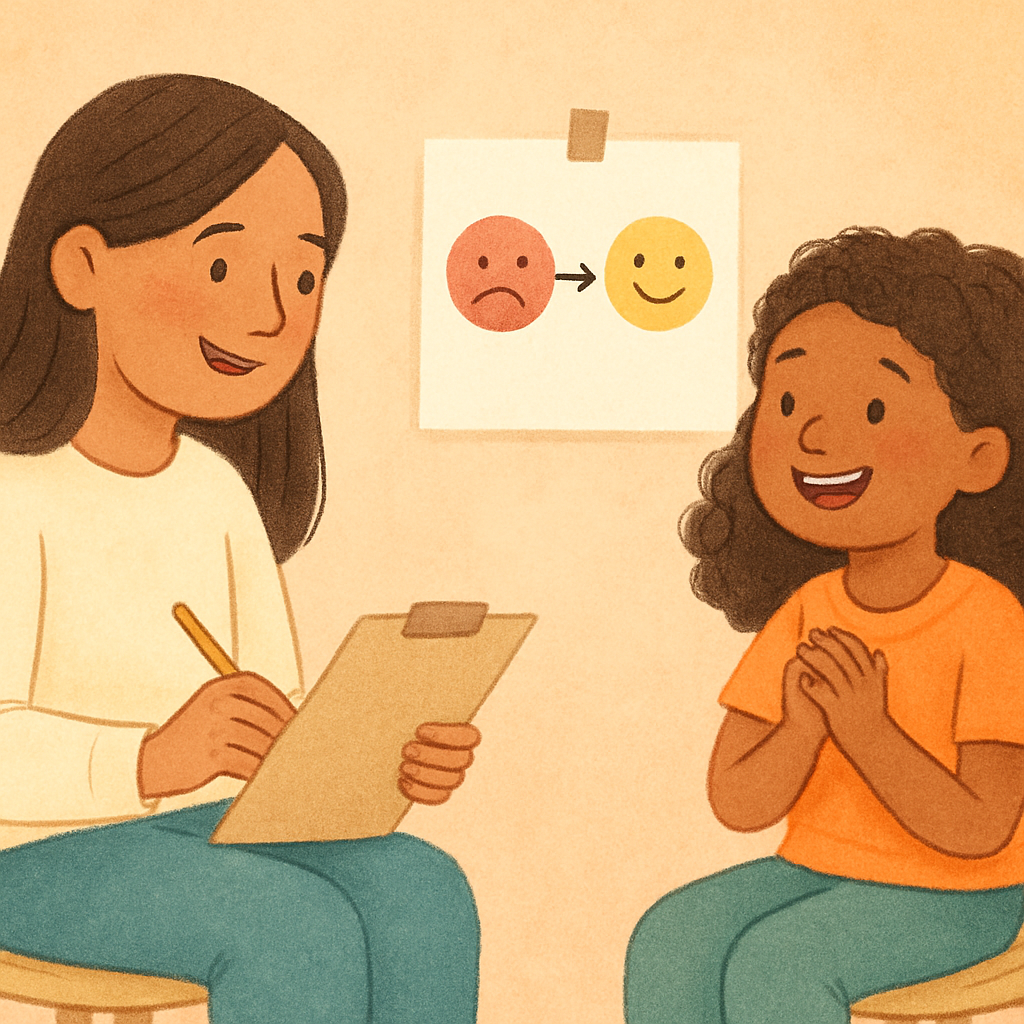
For parents of children with ADHD, the NDIS application process can feel overwhelming, but it offers valuable support. To access funding for ADHD therapy, you must show that your child’s condition causes significant and ongoing functional challenges—such as difficulty learning, socializing, or managing daily tasks.
Start by gathering evidence from doctors, psychologists, and teachers that highlights how ADHD affects your child’s daily life. Focus on the impact of symptoms rather than just the diagnosis. Reports from allied health professionals outlining specific goals and recommended therapies are especially useful.
In your application, clearly connect requested supports—like behavioral therapy—to your child’s goals. For example, explain how therapy will help them participate more at school or interact better with peers. Emphasize how these services aim to improve your child’s quality of life.
How to Choose a Qualified Therapist
Choosing the right professional is key to successful behavioral therapy. Look for a qualified therapist—such as a clinical psychologist or learning specialist—with experience treating children with ADHD using evidence-based methods like parent management training or cognitive behavioral therapy.
When meeting potential therapists, ask about their experience, therapeutic approach, and what to expect from the process. A good therapist will collaborate with you and your child's school to ensure consistent support and should help you feel confident and informed.
Consider these factors when choosing a therapist:
- Qualifications: Are they licensed or accredited?
- ADHD Experience: How many children with ADHD have they treated?
- Approach: Do they use evidence-based parent training and behavioral strategies?
- Rapport: Does your child feel comfortable with them? Are they a good fit for your family?
Conclusion
In conclusion, behavioral therapy provides a structured, effective way to support children with ADHD. By using positive reinforcement and routines, it addresses symptoms and builds lasting skills. Research shows it can improve daily functioning and quality of life. Choosing the right therapist is key, so take time to find one who fits your child’s needs.
If you’re ready to take the next step, reach out for a consultation or call daar at 02 9133 2500 to seek guidance and support.
Frequently Asked Questions
How does behavior therapy differ from medication in treating ADHD?
Behavioral therapy teaches children lifelong skills to manage their behavior, while ADHD medication, like stimulant medications, works by directly treating the core symptoms of inattention and hyperactivity. Therapy focuses on building strategies, whereas drug therapy addresses brain chemistry. Often, a combination of both is most effective.
What types of behaviors can be effectively managed through behavior therapy for children with ADHD?
Behavior therapy is effective for managing a wide range of problem behaviors associated with attention deficit and hyperactivity disorder. These include impulsivity, defiance, tantrums, difficulty following instructions, and poor organizational skills. It works by reinforcing positive behavior and creating structured routines for better management of ADHD.
Are there any potential side effects or challenges associated with behavior therapy for ADHD?
The main challenges of behavioral therapy are the time and effort it requires from parents and teachers. Maintaining consistent discipline and routines can be demanding. Some children may initially resist new rules, leading to temporary emotional regulation struggles, but these challenges typically decrease as positive patterns are established.
.svg)




.svg)