
.png?width=48&height=48&name=Group%201%20(3).png)























13 January, 2026

Discover Pediatric Speech Therapy in Canterbury Today
Introduction
Welcome! If you're exploring ways to support your child's communication development, you've come to the right place. Speech therapy is a specialized treatment designed to help individuals with communication disorders improve their ability to speak and understand others. For parents in Canterbury, finding the right support can make a significant difference in a child's confidence and ability to connect with the world. This guide will walk you through what pediatric speech therapy involves and how it can help your child thrive.
Key Highlights
-
Speech therapy helps children in Canterbury improve their language skills and overcome speech disorders.
-
A speech pathologist addresses a wide range of issues, from pronunciation to social communication.
-
Early intervention is key to helping children with communication challenges achieve the best outcomes.
-
Therapy sessions are play-based and tailored to your child’s unique communication needs.
-
Recognizing the early signs can help you get the support your child needs to build confidence.
-
Speech therapy improves overall quality of life by enhancing a child's ability to communicate effectively.
Common Speech and Language Challenges in Children
Many children face challenges with speech and language as they grow. These can range from developmental delays, where a child isn't hitting typical milestones, to specific speech disorders that make it hard for them to form words correctly. Difficulties in these areas can affect a child’s language development and their ability to learn.
These challenges can also impact social skills, making it difficult for children to make friends and express their needs. Improving these essential communication skills is crucial for their confidence and overall well-being. Understanding these common hurdles is the first step toward finding the right help. Mobile speech therapy services work by providing speech and language support directly at home or in environments convenient for families. Instead of traveling to a clinic, a licensed speech therapist visits the child in person, making therapy more accessible and tailored to the child’s everyday surroundings. This approach allows for flexible scheduling and a comfortable setting that can enhance learning and progress.
Typical Conditions Addressed by Speech Pathologists
A speech pathologist is a trained professional who helps people of all ages overcome communication difficulties. They diagnose and treat a wide range of speech and language disorders, from children learning to speak to adults recovering from injuries.
Common issues they address include:
-
Aphasia: Difficulty speaking, reading, or writing, often after a stroke or brain injury.
-
Articulation Disorders: Problems pronouncing certain sounds, such as saying "wed" instead of "red."
-
Fluency Disorders: Disruptions in speech flow, like stuttering.
-
Dysarthria: Slow or slurred speech caused by weak muscles from conditions such as ALS.
Through personalized treatment plans, speech pathologists help individuals improve their communication skills.
Early Signs Your Child May Need Speech Therapy
Wondering if your child may need speech therapy? Early recognition of communication difficulties is key, as early intervention leads to better outcomes. If you have concerns, seek guidance to support your child’s language development.
Common signs your child may need speech therapy include:
-
No babbling between 4–7 months
-
Saying few words by 12–18 months
-
Not forming sentences by 1.5–3 years
-
Speech hard for familiar people to understand at 2–3 years
-
Frustration when trying to talk or listen
Developmental delays or hearing issues can also play a role. If you notice these signs, consult a professional to see if speech therapy is right for your child.
The Role of a Speech Pathologist in Canterbury
In Canterbury, a speech pathologist plays a vital role in helping children and adults overcome communication disorders. Their primary job is to evaluate, diagnose, and treat a spectrum of speech, language, voice, and even swallowing issues. They create personalized therapy plans to help individuals build confidence and improve their communication skills.
These dedicated professionals work to understand the root cause of a person's difficulties. From there, they use targeted strategies to foster better communication. To do this effectively, they rely on their specific qualifications and a variety of proven therapeutic approaches.
Qualifications and Expertise of Local Speech Pathologists
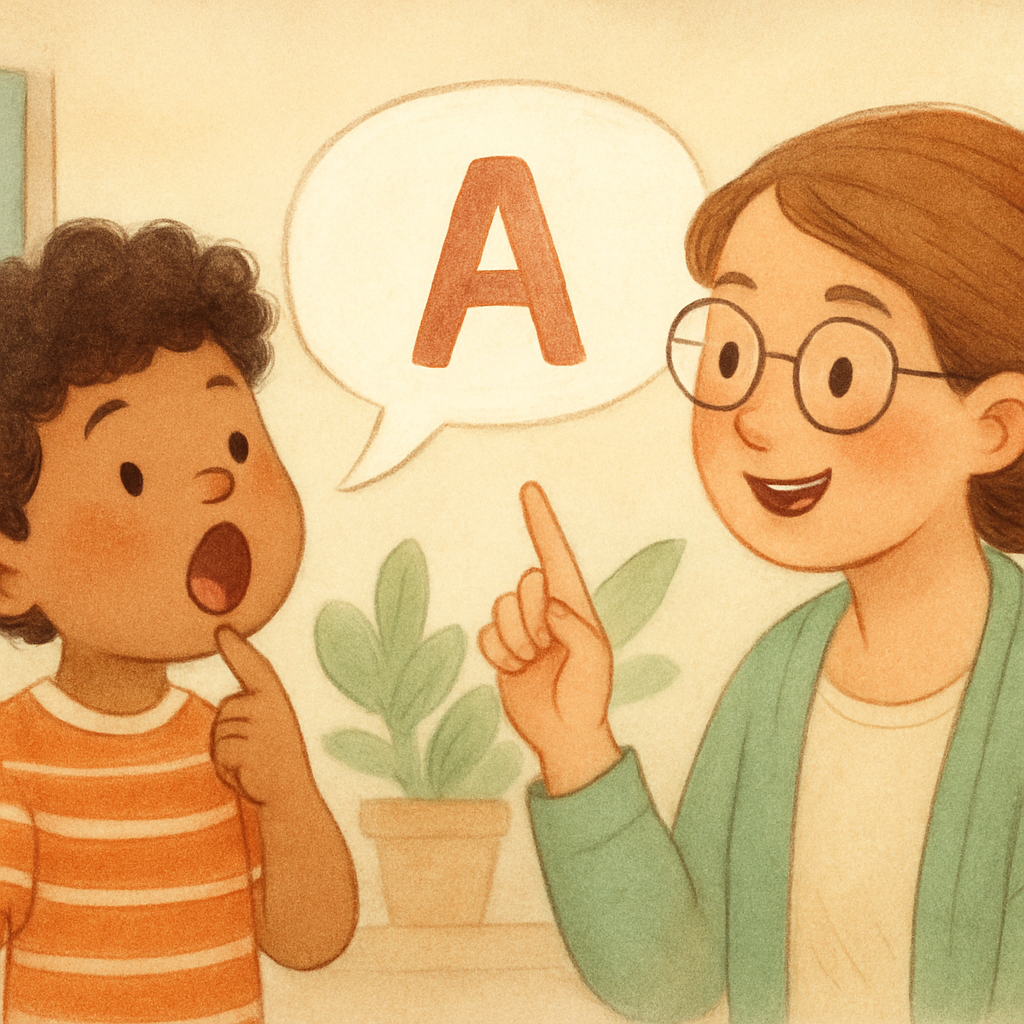
To become a speech therapist, professionals undergo extensive training and are often registered with organizations like Speech Pathology Australia to meet high standards. They assess and treat a variety of communication disorders in settings such as hospitals and early childhood centers. Many families use private health insurance to access these services.
Speech therapists tailor their approach to each individual, addressing key areas of communication:
|
Area of Expertise |
Description |
|---|---|
|
Speech Sounds |
Improving pronunciation of words |
|
Language Development |
Building vocabulary, grammar, and sentence structure |
|
Stuttering |
Enhancing fluency and speech rhythm |
|
Social Communication |
Teaching appropriate language use in social settings |
Their broad expertise allows them to provide comprehensive support for diverse communication needs.
Approaches Used by Speech Therapists for Children
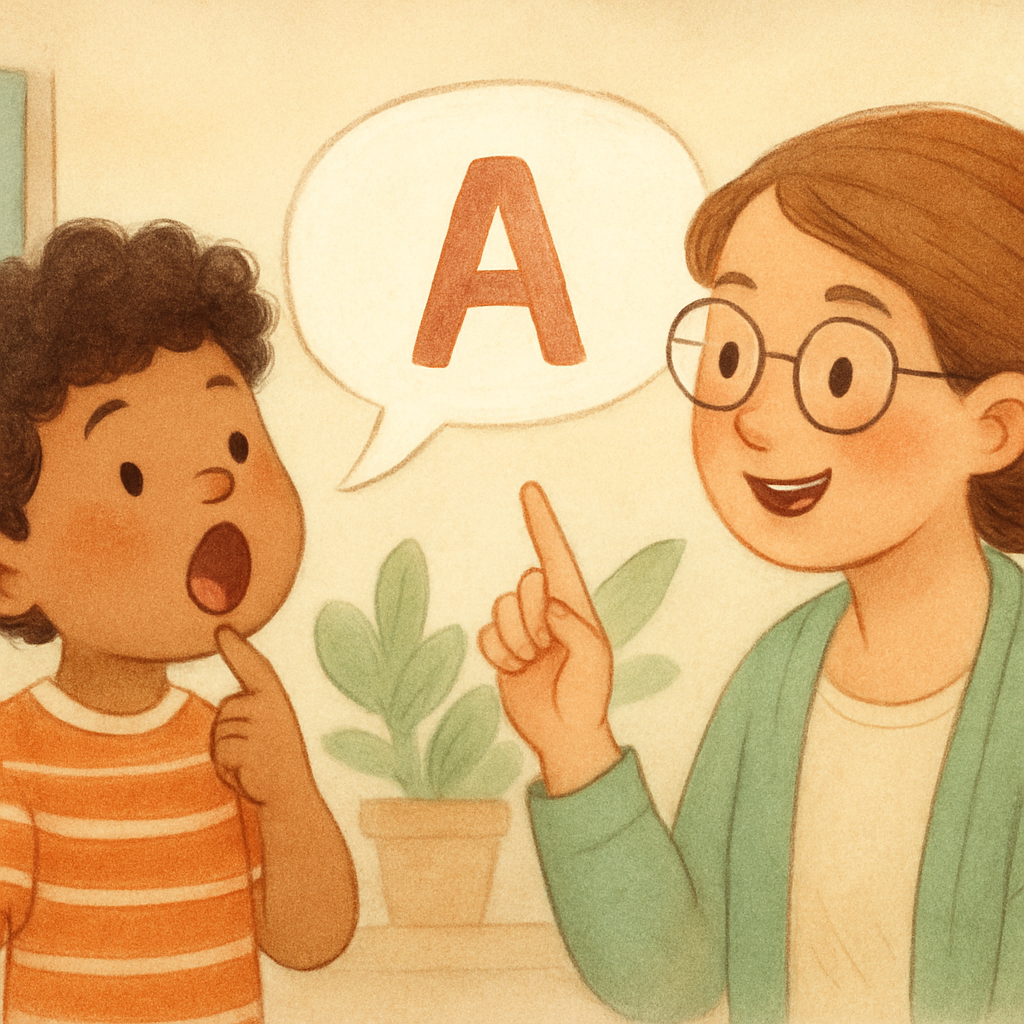
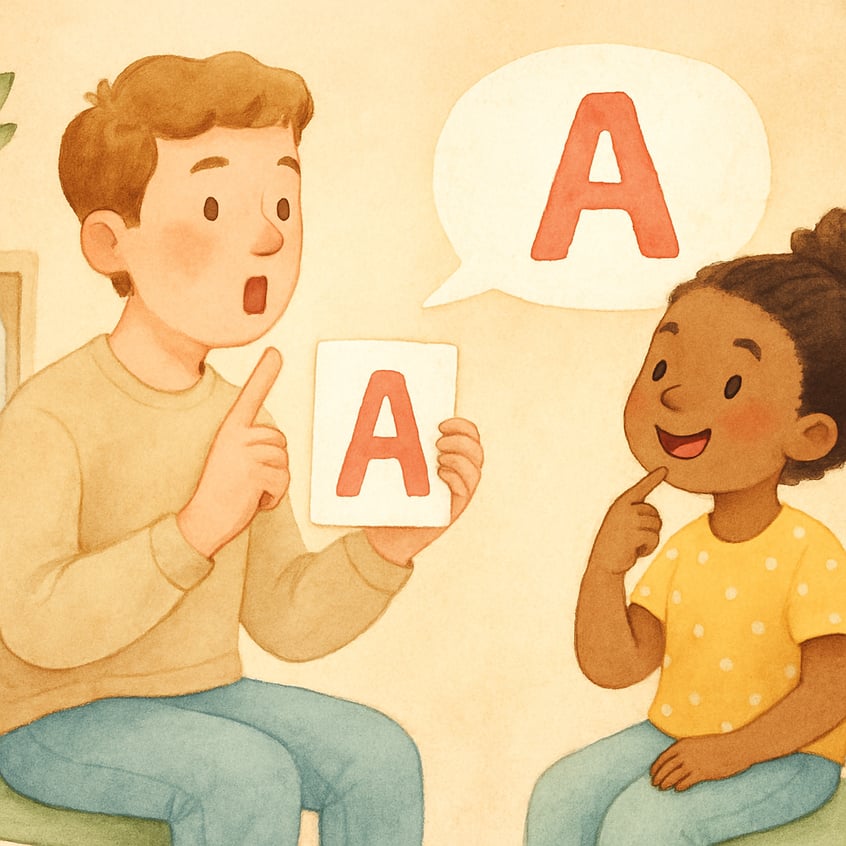
Speech therapy for children often centers around play, using fun activities to make learning natural and engaging. The goal is to build skills in a supportive environment that encourages participation.
Therapists tailor techniques to each child’s needs—whether due to developmental delays or hearing loss. Common methods include:
-
Pictures, flashcards, or language-based games
-
Mouth and tongue exercises
-
Reading books aloud
-
Communication boards or sign language for non-verbal children
These strategies make sessions productive and enjoyable, helping your child develop clearer communication.
What to Expect from Pediatric Speech Therapy in Canterbury
When you begin pediatric speech therapy in Canterbury, the process is structured to meet your child's unique communication needs. The journey starts with a thorough evaluation to understand your child's strengths and challenges, which then guides all future speech therapy work.
From there, therapy is a collaborative effort involving you, your child, and the therapist. Sessions are designed to be engaging and effective, helping your child make steady progress toward their communication goals. You will learn more about how disorders are diagnosed and what a typical session looks like.
How Speech Disorders Are Evaluated and Diagnosed
The first step in addressing speech disorders is a thorough evaluation. A healthcare provider may start with screenings like a hearing test to rule out other causes. If hearing isn’t the issue, your child will be referred to a speech-language pathologist for a full assessment.
The pathologist will:
-
Observe your child’s communication and interaction.
-
Test language understanding and usage.
-
Examine physical aspects of speech, such as the voice box and mouth muscles.
-
Consider causes like brain injury or nervous system issues.
This detailed evaluation is crucial for developing an effective treatment plan tailored to your child’s needs.
What Happens During a Typical Pediatric Speech Therapy Session?
A typical pediatric speech therapy session is fun, engaging, and tailored to your child. Therapy feels like play, using activities that naturally encourage communication and are chosen based on your child's needs and goals.
Sessions focus on building key skills through activities such as:
-
Games to practice speech sounds
-
Books and pictures to develop vocabulary and sentence structure
-
Conversation practice for social cues
-
Exercises to strengthen speaking muscles
Each activity helps your child improve their speech in a positive, supportive environment.
Conclusion
In conclusion, pediatric speech therapy in Canterbury is essential for addressing children's speech and language challenges. Recognizing the signs early helps foster better communication skills. With guidance from qualified speech pathologists and personalized therapy, children can gain confidence and express themselves more effectively. Explore pediatric speech therapy options in Canterbury to support your child's development today.
Reach out today for a consultation or call daar at 02 9133 2500 to learn more about how we can help.
Frequently Asked Questions
How Do I Find a Qualified Speech Therapist in Canterbury?
To find a qualified speech therapist in Canterbury, start by speaking with your child's doctor for a referral. You can also search for local speech pathology services directly. Be sure to contact your private health insurance provider to understand what coverage is available for these appointments.
Can Speech Therapy Help with Stuttering or Other Specific Issues?
Yes, speech therapy provides effective treatment for a wide range of specific issues, including fluency disorders like stuttering. A therapist will develop a targeted plan to help manage the flow and rhythm of speech, improving confidence and clarity for people of all ages who face this challenge.
What Should I Expect at My Child’s First Speech Therapy Appointment?
At your child’s first speech therapy appointment, the therapist will conduct a comprehensive speech assessment to understand their unique communication needs. This initial evaluation is used to diagnose any issues and create a personalized plan that will guide future speech therapy session activities and goals.
.svg)




.svg)