
.png?width=48&height=48&name=Group%201%20(3).png)























26 January, 2026

Exploring NDIS Speech Therapy Canterbury Solutions
Introduction
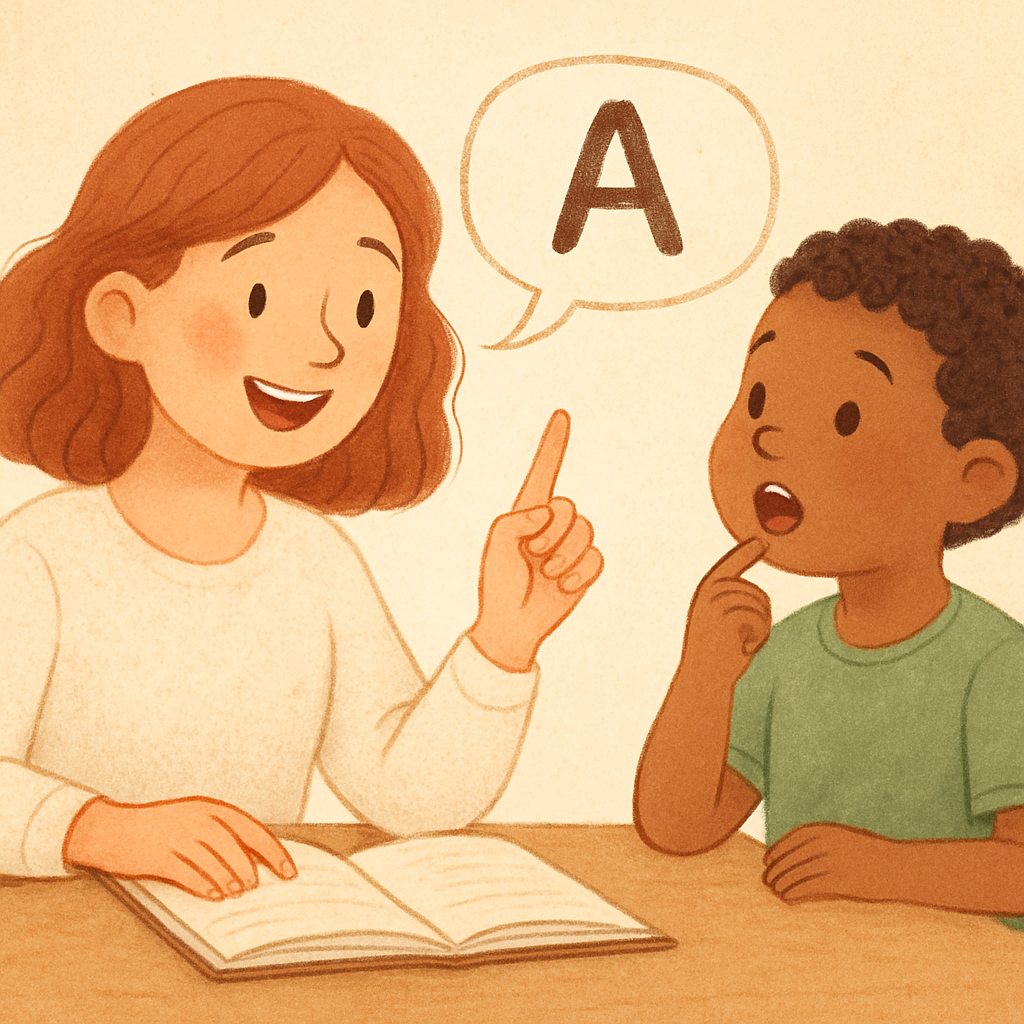
Are you looking for expert speech therapy for yourself or a loved one in Canterbury? Communication is the key to connection, and finding the right support can make a world of difference. Whether you have a toddler struggling to communicate or a teenager needing academic language support, dedicated health professionals are available to help. Backed by organizations like Speech Pathology Australia, these specialists guide children, young people, and adults toward clearer communication and greater independence in their daily lives.
Key Highlights
-
Discover a range of speech therapy solutions in Canterbury for children, teens, and adults.
-
A qualified speech pathologist can assist with language development, social communication, and speech sound disorders.
-
Learn how early intervention can build confidence and connection at every stage of life.
-
Find out about different speech pathology services, including in-person, home-based, and online options.
-
Understand how government support, such as the NDIS, can help you access these essential services.
-
Get further information on choosing the right therapist to support your family’s unique goals.
Specializations in Canterbury Speech Therapy
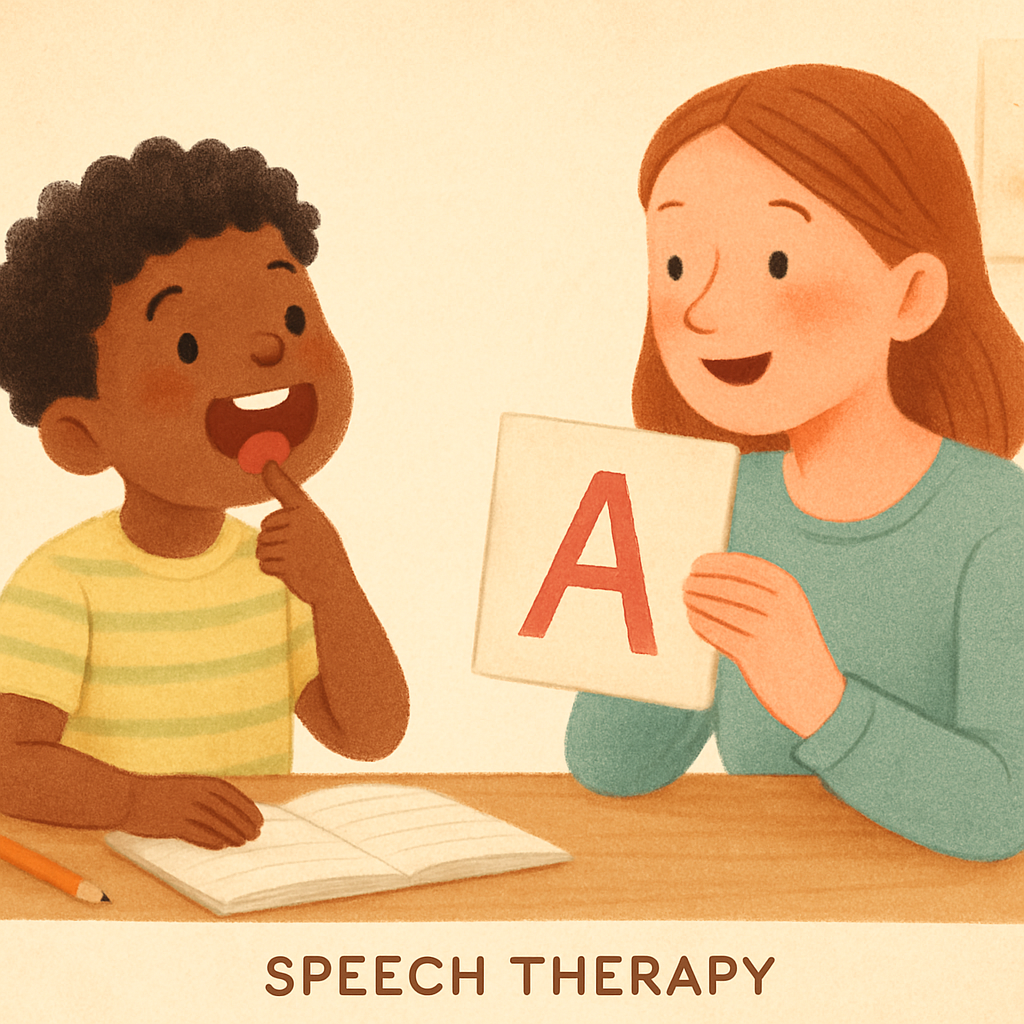
Speech pathology services in Canterbury support all ages. For children, speech pathologists help with speech sound disorders, language delays, stuttering, literacy, and social communication challenges linked to autism.
Adults receive support for functional communication and language to boost independence. Many providers also offer autism and ADHD assessments, usually requiring a referral. Language therapists collaborate with families and schools to create personalized plans that meet individual goals.
Speech Therapy for Social Communication Challenges
Navigating social situations can be challenging, especially for those with autism spectrum disorder or developmental language disorders. Speech pathologists offer targeted support for social communication difficulties, such as trouble making friends, missing social cues, or struggling with conversation.
Therapy builds practical skills to improve interactions and confidence. Clinicians work closely with families and support networks to reinforce progress beyond sessions—a key factor in enhancing mental health and forming meaningful connections.
For families beginning this process, finding the right professional provides reassurance and guidance in understanding and supporting your child’s needs.
Support for Language and Literacy Development
Strong language and literacy skills are vital for learning and communication. If your child struggles with reading, writing, or language development, a speech pathologist can address these issues and provide early intervention. Many therapists also help adults improve literacy.
The process starts with an assessment to identify specific needs. Based on this evaluation, the therapist creates a personalized plan focused on individual goals. Therapy builds skills in a supportive setting, whether through dedicated sessions or other environments.
Partnering with a qualified speech pathologist can unlock potential and foster a love of learning. Using evidence-based methods, they help improve daily communication—from speaking clearly to understanding written text.
How NDIS Supports Speech Therapy in Canterbury
Accessing speech pathology services is easier with government support like the National Disability Insurance Scheme (NDIS). If you or your child has a permanent, significant disability affecting communication, such as autism, the NDIS may fund assessments and ongoing therapy.
This funding lets you choose a qualified speech therapist who will use validated tools to create a detailed report and therapy plan. For more information about connecting with these services, visit the NDIS website or contact a support coordinator.
Navigating NDIS Funding for Speech Pathology
Navigating NDIS funding for speech pathology can seem daunting, but breaking it into steps simplifies the process. First, confirm your NDIS eligibility. With an approved plan, search for a speech pathologist who accepts NDIS participants.
Contact clinics early, as many have waiting lists. During your initial meeting, discuss goals and how your funding will be used. For more guidance, visit resources like Speech Pathology Australia.
Here’s a quick overview:
|
Step |
Action |
|---|---|
|
1. Confirm Eligibility |
Ensure you or your child meets NDIS requirements. |
|
2. Get an NDIS Plan |
Work with NDIA to secure a plan with therapy funding. |
|
3. Find a Provider |
Locate a Canterbury speech pathologist who accepts NDIS. |
|
4. Initial Consultation |
Set goals and create a service agreement with your therapist. |
|
5. Begin Therapy |
Start sessions tailored to your communication needs. |
Eligibility and Application Process for NDIS Support
To access NDIS speech therapy support, you must be an Australian citizen or permanent resident under 65 with a significant, permanent disability. The application process requires health professional documentation showing how your condition affects daily life.
Start by gathering reports and completing the NDIS application form. You may need a specific assessment to show your need for speech pathology. Clinicians and support coordinators can guide you through each step.
After you submit your application, the NDIA will review it and decide on your eligibility. If approved, you'll work with them to develop a plan that includes funding for speech therapy sessions.
Accessing Speech Therapy: In-Person and Online Solutions
Finding speech pathology services that fit your lifestyle is easier than ever. In Canterbury, you have several options, from traditional clinic-based appointments to more flexible solutions. Many providers offer telehealth or online speech therapy, allowing you to access support from the comfort of your own home.
Additionally, home-based services are available where the therapist comes to you, your child's nursery, or school. This flexibility ensures that therapy is delivered in the most comfortable and effective environment for you or your child. For further information, contact local providers to ask about their specific clinic-based, online, and mobile service offerings.
Benefits of Telehealth Speech Therapy Services
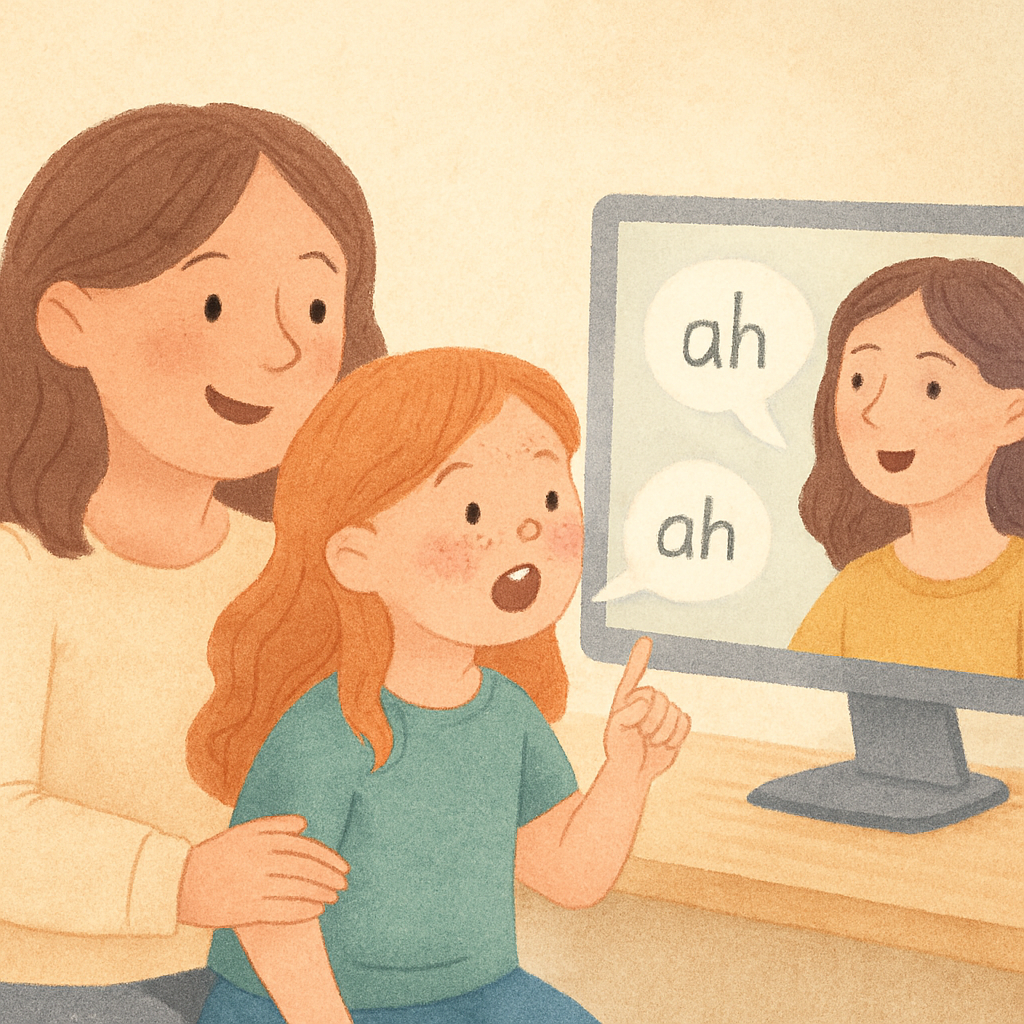
Telehealth has revolutionized access to speech pathology services for families. This online model removes geographical barriers and makes it easier to schedule appointments around busy lives. Many clients feel more relaxed and focused when getting support at home.
Telehealth sessions with speech pathologists are as effective as in-person visits. Therapists use engaging digital tools to address communication goals, offering the same professional guidance. It’s ideal for teens, adults, and tech-comfortable children.
Key benefits include:
-
Convenience: No travel required; attend sessions from anywhere with internet.
-
Accessibility: Reach specialists not available locally.
-
Comfort: Learn in your familiar home environment.
-
Flexibility: Schedule appointments around school, work, or other commitments.
Home-Based vs. Clinic-Based Speech Pathology Support
Choosing between home-based and clinic-based therapy depends on your family’s needs and preferences. Both offer unique benefits for achieving communication goals. While a referral isn’t always required, it can give the therapist useful background information.
Home-based therapy takes place in familiar settings—your home, your child’s school, or a nursery—letting therapists observe and support communication during everyday routines.
Clinic-based therapy happens in a dedicated space with specialized equipment, offering a structured environment with fewer distractions.
Consider:
-
Home-Based: Integrates therapy into daily life.
-
Clinic-Based: Provides structure and access to more tools.
-
Your Preference: Choose what best fits your child’s learning style.
Choosing the Right Speech Pathologist in Canterbury
Finding the right speech pathologist is a crucial step in your communication journey. You want a professional with the right qualifications and experience who connects well with you or your child. It's about more than just expertise; it’s about finding a partner who listens and supports your family with clarity and kindness.
When searching, consider their specializations, approach to therapy, and experience with your specific concerns, whether it's for social skills, literacy, or mental health support. While a referral can be helpful, you can often contact therapists directly to see if they are a good fit.
Qualifications and Experience to Consider
When choosing a speech pathologist, prioritize qualifications and experience. Look for certified practicing members of Speech Pathology Australia—they meet high professional standards and commit to ongoing education.
Experience matters too. Select a clinician with expertise in your specific area, such as autism or neurodivergence, for more effective support. Many pathologists also bring valuable leadership or diagnostic team experience.
Before deciding, ensure the clinician has:
-
Membership with Speech Pathology Australia
-
A relevant speech pathology degree
-
Specialized training or experience in your area of need (e.g., autism, stuttering, literacy)
-
A collaborative, family-centered approach
Questions to Ask Your Prospective Therapist
Finding the right speech therapist is a personal decision, and asking questions helps ensure a good fit. A short initial conversation can clarify whether their approach matches your family’s needs and values. Ask about their experience, qualifications, and therapy style.
Prepare your questions in advance to cover all concerns and make an informed choice. Focus on how they work, what sessions are like, and how progress is tracked—especially if sensitive mental health issues are involved.
Sample questions:
-
What are your qualifications and experience with cases like ours?
-
What assessments do you use to set therapy goals?
-
How do you involve families or caregivers in therapy?
-
What does a typical session look like?
-
How do you measure progress and share results?
Conclusion
Exploring NDIS speech therapy in Canterbury offers valuable support for communication and language development. Whether addressing social challenges or improving literacy, a range of resources is available to meet diverse needs. With NDIS funding, quality speech therapy is accessible both in-person and via telehealth. Choosing a qualified speech pathologist is key to your success—be sure to review credentials and ask questions.
Ready to improve your communication skills? Contact us for a consultation or call daar at 02 9133 2500 and discover personalized options.
Frequently Asked Questions
What are common signs someone may need speech therapy in Canterbury?
Common signs include difficulty with speech sound disorders, such as unclear speech, or challenges with a developmental language disorder. For young people, struggling to make friends or participate in conversations can also be an indicator. Clinicians can provide an assessment and reassurance by creating a clear path forward.
Are there government-supported speech therapy options available in Canterbury?
Yes, government support is available primarily through the NDIS. This scheme provides funding for eligible individuals to access speech pathology services. It's wise to contact providers early, as some may have a waiting list. The NDIS can help cover the cost of assessments and ongoing therapy sessions.
What is the difference between speech pathology and speech therapy in Australia?
In Australia, the terms are often used interchangeably. "Speech pathologist" is the professional title for someone with the qualifications to diagnose and treat communication disorders, as recognized by Speech Pathology Australia. "Speech therapy" or "language therapist" services are the treatments they provide. You generally don't need a referral to see one.
.svg)




.svg)