
.png?width=48&height=48&name=Group%201%20(3).png)























3 February, 2026

Socialised Behaviour Therapy: Support Your Child Effectively
Introduction
Watching your child struggle with social situations can be difficult for any parent. You want to see them connect with others, build friendships, and navigate their world with confidence. The good news is that there are effective strategies to help. Behavioral therapy offers a structured and supportive path to improving your child's social skills. This action-based approach focuses on teaching practical tools and building positive habits, which can significantly enhance your child’s mental health and overall well-being. There have been real-life examples of successful outcomes from socialised behaviour therapy. Many children who participated in social skills groups based on behavioral therapy have shown increased confidence, improved peer relationships, and greater independence in daily interactions, reinforcing the effectiveness of these interventions.
Key Highlights
- Behavioral therapy is an effective approach to help your child develop crucial social skills and confidence. Core techniques include social skills training and positive reinforcement to encourage healthy social habits. In Australia, behavioral therapy—including social skills training and positive reinforcement strategies—may be accessible through the NDIS, depending on your child’s specific needs and plan eligibility.
- Core techniques include social skills training and positive reinforcement to encourage healthy social habits.
- This form of therapy can help manage conditions like social anxiety by teaching practical coping strategies.
- Therapy sessions are tailored to your child’s unique needs, focusing on specific goals for social interaction.
- Parental involvement is key to reinforcing learned skills at home and ensuring long-term success.
- Early intervention can prevent social challenges from becoming more significant issues later in life.
Why Social Development Matters in Childhood
Social development is a cornerstone of a happy and healthy childhood. It’s how your child learns to communicate, cooperate, and form meaningful relationships with family, friends, and teachers. These skills are essential for navigating social interactions and are used in nearly every aspect of daily living.
When children develop strong social abilities early on, they are better equipped for future challenges. Addressing social difficulties with early intervention can prevent them from escalating into more significant problems, such as social isolation or behavioral issues, laying a strong foundation for their future. Socialised behaviour therapy differs from standard behavioural therapy by specifically focusing on helping children interact and communicate effectively with others within social contexts, whereas standard behavioural therapy typically addresses a broader range of individual behaviors, not necessarily tied to social interaction.
The Importance of Early Social Skills
Developing social skills early is essential for your child’s growth. These skills help them make friends, engage in class, and understand their surroundings. Struggling socially can lead to isolation, bullying, and low self-esteem.
Therapies like cognitive behavioral therapy (CBT) teach kids to read social cues and respond appropriately, helping turn anxiety into confidence.
Early social skills training builds adaptive behaviors, prevents future mental health issues, and gives children lifelong tools for positive relationships.
Impacts of Social Development on Lifelong Well-being
The social skills your child learns today directly shape their future. Strong social development in childhood leads to better relationships, career success, and overall well-being as adults.
Emotional regulation is a key skill, helping children manage emotions, build stable relationships, and handle workplace challenges. Those who master these skills are better equipped to deal with stress and conflict later in life.
Fostering social development gives your child greater independence. Confident social skills help them advocate for themselves, build support networks, and engage with their community—leading to a happier, more successful life.
Core Techniques Used in Socialized Behavioral Therapy
Socialized behavior therapy uses a set of practical, evidence-based techniques to help children improve how they interact with others. This form of therapy is action-oriented, focusing on changing behaviors rather than just talking about them. It is a collaborative process between the therapist, child, and family.
The core of this approach involves methods like social skills training, behavior modeling, and positive reinforcement. Techniques from cognitive behavioral therapy are often integrated to address the thoughts and feelings that drive social behaviors. These strategies work together to build a child’s confidence in social situations, as the following sections will explain.
Social Skills Training and Role-Playing Exercises
A key part of socialized behavioral therapy is social skills training (SST), which directly teaches essential behaviors for positive interactions. Instead of expecting children to learn these skills on their own, SST breaks them into simple, manageable steps.
Role-playing is often used in therapy sessions to give children a safe space to practice new skills without real-world pressure. Therapists may analyze behavior to identify challenges, then use role-play to rehearse situations like joining a game or starting a conversation.
This practical approach builds confidence and improves social communication. Common skills practiced include:
- Making and maintaining eye contact
- Starting and continuing conversations
- Taking turns and sharing
- Expressing opinions respectfully
Positive Reinforcement and Behavior Modeling
Behavior modeling is another foundational technique where the therapist demonstrates a desired social skill. By watching the therapist or a peer successfully navigate a social situation, your child gets a clear and positive example to follow. This is often more effective than simply describing what to do.
This modeling is paired with positive reinforcement, which is the practice of rewarding positive actions to make it more likely your child will repeat them. Rewards can be simple praise, a sticker, or points in a system known as token economies. The goal is to celebrate small successes and build momentum.
This combination helps reinforce new, positive behaviors tangibly. Examples of positive reinforcement include:
- Giving specific praise, like "I loved how you asked to join the game."
- Using a sticker chart to reward positive actions during a playdate.
- Allowing extra screen time for successfully handling a challenging social situation.
Integrating Socialized Behavioral Therapy at Home and School
For behavioral therapy to be truly effective, the skills learned during therapy sessions must be applied in everyday life. The real progress happens when your child can use their new social abilities at home, at school, and in the community. This consistency is what helps new behaviors stick.
Achieving this requires a team approach. Close collaboration between therapists, parents, family members, and teachers is essential. When everyone is on the same page and using the same strategies from the treatment plans, your child receives consistent support, which is crucial for making lasting changes.
Parental Involvement and Collaboration with Therapists
Your involvement as a parent is crucial to your child’s therapy success. By working closely with the therapist, you gain guidance, learn effective techniques, understand treatment goals, and get your questions answered.
This partnership lets you support your child at home by reinforcing therapy skills and helping them apply these behaviors in everyday situations. Your consistent encouragement turns lessons from therapy into lasting habits.
Strategies for Extending Social Learning Beyond Therapy Sessions
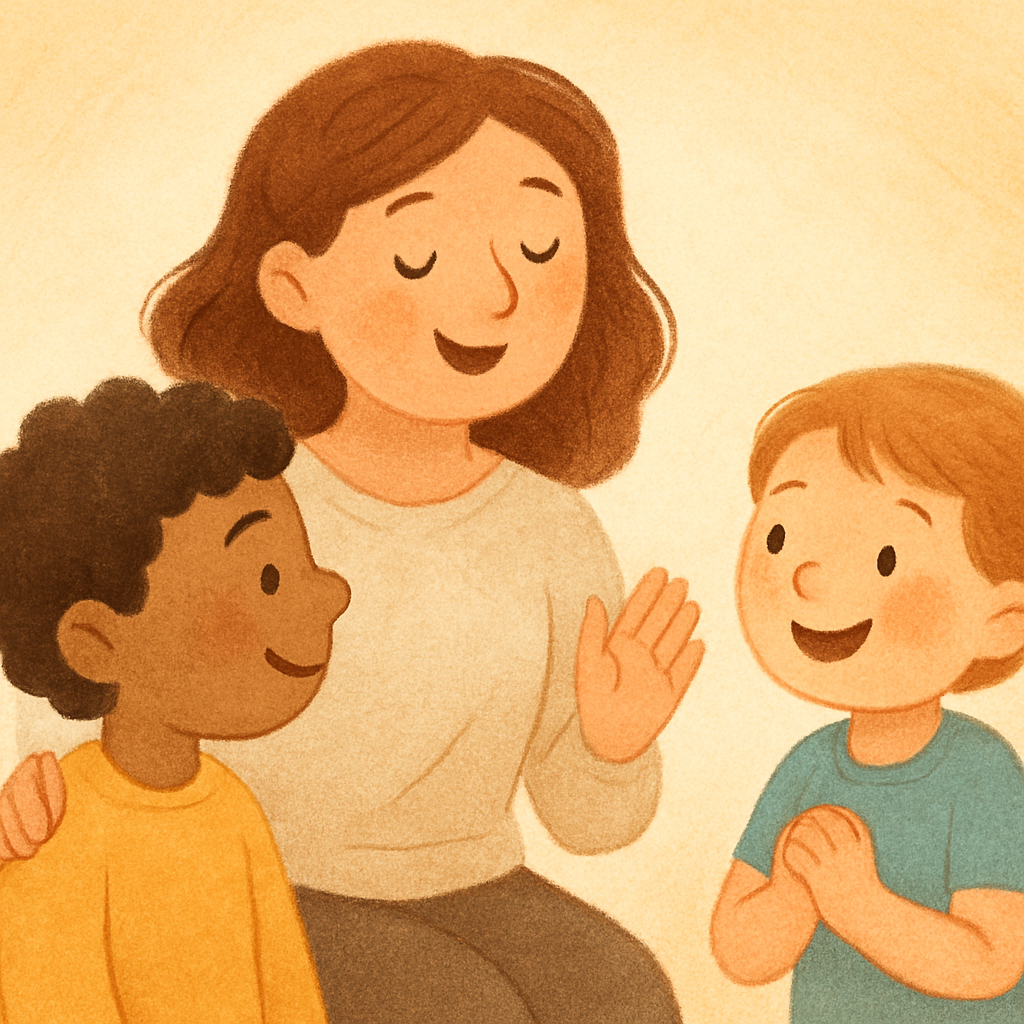
You can help your child practice their new skills by weaving them into your daily routines. Making social learning a natural part of everyday life helps reinforce what they learn in therapy without it feeling like a chore. Look for simple, low-pressure opportunities to practice.
The goal is to help your child feel more comfortable in various social situations and build adaptive behaviour. For example, a trip to the grocery store can become a chance to practice making eye contact and saying "thank you" to the cashier. These small moments build confidence over time.
Here are some practical strategies for extending social learning:
- Schedule structured playdates with one or two friends to practice sharing and turn-taking.
- Role-play upcoming social events, like a birthday party, to reduce anxiety.
- Encourage your child to order their own food at a restaurant to practice communication.
- Use dinnertime to practice conversation skills, such as asking others about their day.
Common Challenges and Solutions in Supporting Social Development
The journey to improving social skills is not always a straight line. It is common to encounter bumps along the way, including resistance from your child or setbacks in progress. These challenging behaviours are a normal part of the process and not a sign of failure.
While these unique challenges can feel discouraging, they are growth opportunities. With patience and the right support from clinical psychology professionals, these hurdles can be overcome. Understanding these challenges and knowing how to respond will help you and your child achieve positive outcomes, as the next sections will explore.
Overcoming Resistance or Setbacks in Children
It’s normal for children to resist new things or occasionally regress—learning social skills can be overwhelming. This resistance often means your child needs more support, not less.
Patience and consistency are key. Recognize your child’s feelings and celebrate small steps, even if progress isn’t perfect. Setbacks are a natural part of learning, not a reflection of your child’s ability.
Stay in close contact with your child’s therapist. They can help adjust plans and offer strategies to address resistance. Working together ensures your child stays on track and continues to move forward.
Adapting Techniques for Diverse Needs and Environments
One of the greatest strengths of behavioral therapy is its flexibility. Every child is different, so treatment should never be a one-size-fits-all approach. Techniques are regularly adapted to fit a child's specific personality, challenges, and environment.
This is especially important for children with developmental disabilities or conditions like an autism spectrum disorder. A therapist will consider all environmental factors and a child's unique way of processing the world to create a plan that supports their adaptive behaviour. This tailored approach ensures the therapy is relevant and effective.
Here is how techniques can be adapted for different needs:
|
Challenge |
Adaptation Strategy |
|---|---|
|
Child with Autism Spectrum |
Use highly structured role-playing and visual aids like social stories to make abstract social rules more concrete. |
|
Child with Social Anxiety |
Begin with one-on-one practice in a calm setting before gradually introducing small group interactions and relaxation techniques. |
|
Child in a Busy School Environment |
Work with teachers to create a "buddy system" for social support or a designated quiet space for practicing skills. |
Conclusion
Supporting your child’s social development through behavioral therapy can be transformative. Using techniques like social skills training and positive reinforcement helps your child thrive both socially and emotionally. Working closely with therapists and staying involved strengthens your bond and enhances progress. Remember, every child develops at their own pace—patience and flexibility are essential. Embrace this journey, nurture your child’s social skills, and watch them grow.
For more guidance, contact our experts for a consultation or call daar at 02 9133 2500.
Frequently Asked Questions
Can socialized behavioral therapy be combined with other therapies?
Yes, absolutely. Socialized behavioral therapy is often most effective when integrated into a comprehensive treatment plan. It can be combined with other approaches like cognitive behavioral therapy (CBT), occupational therapy to help with sensory needs, or speech therapy to improve communication, creating a holistic approach to your child's development.
How long does it take to see progress in a child’s social skills?
The timeline for progress varies for every child, depending on their individual goals and the consistency of support. Some children show improvement after a few therapy sessions, while others may need ongoing support for longer. A therapist will help track progress to ensure your child is moving toward their goals.
What role do parents play in the success of behavioral therapy?
Parental involvement is crucial for achieving positive outcomes. Parents and family members help reinforce the skills learned in therapy by practicing them at home. With professional guidance, you create a supportive environment that helps your child generalize their new skills to everyday life, making the effects of behavioral therapy last.
.svg)




.svg)