
.png?width=48&height=48&name=Group%201%20(3).png)























3 February, 2026

Behavioral Therapy for Young Children
Introduction
As a parent, it can be tough to see your older children struggle with their emotions or behavior. You are not alone; many young children face these hurdles. Behavioral therapy is a powerful and effective tool that offers clear, proven strategies to help your child navigate these challenges. This approach can make a significant difference in your child's mental health by teaching them new ways to manage difficult feelings and actions, ultimately building their confidence and improving your family's well-being.
Key Highlights
- Behavioral therapy for young children focuses on changing negative behaviors by teaching healthier coping skills and challenging unhelpful thoughts. Early intervention is key to helping children build confidence, social skills, and emotional resilience. Therapy often uses fun, engaging methods like play therapy to help children express themselves and learn. If you are looking for behavioral therapy services or specialists for your child, you can start by asking your pediatrician for recommendations, searching online directories for licensed therapists who specialize in young children, or contacting local mental health clinics and early intervention programs in your area.
- Early intervention is key to helping children build confidence, social skills, and emotional resilience.
- Therapy often uses fun, engaging methods like play therapy to help children express themselves and learn.
- Positive reinforcement, such as reward systems, is a core technique used to encourage desirable actions.
- Parental involvement is crucial for reinforcing new skills and ensuring long-term positive changes in mental health.
- Cognitive behavioral therapy (CBT) helps children understand the link between their thoughts, feelings, and behaviors.
Understanding Behavioral Therapy for Young Children
Behavioral therapy is a structured type of therapy that helps children with autism spectrum disorder learn new, positive ways to respond to situations. It is based on the idea that all behaviors are learned and, therefore, can be changed. This approach is highly effective in treating a wide range of behavior problems in young children.
There are several forms of this therapy, with cognitive behavioral therapy (CBT) being one of the most common. These methods aim to equip young people and your child with practical tools for managing their actions and emotions, leading to healthier habits and better emotional growth. The following sections will explore what this therapy involves and how it can help.
What Is Behavioral Therapy and How Does It Work?
Behavioral therapy is a practical, action-focused treatment that aims to change a child's behaviors and improve their feelings and thoughts by assessing the child’s behaviors. It targets specific problematic actions and teaches new skills to replace negative reactions.
Therapists work with children to identify triggers for behaviors, such as angry outbursts or social avoidance, and guide them toward healthier responses.
Cognitive behavioral therapy (CBT), a common approach, helps children understand how thoughts, feelings, and behaviors are connected. By shifting negative thought patterns, they learn to better manage emotions and improve daily life.
Common Behavioral Challenges in Young Children
Young children often show their struggles through behaviors that may seem like misbehavior. When these behaviors persist, they can indicate a need for extra support, such as dialectical behavior therapy, and may affect friendships, family life, and school success.
These challenges are sometimes linked to conditions like ADHD, which makes focusing or controlling impulses difficult. Other times, they stem from trouble managing emotions, including issues like obsessive-compulsive disorder. Recognizing these patterns is the first step to getting your child help.
Common behaviors to watch for include:
- Frequent anger, defiance, or arguing
- Trouble focusing, following directions, or completing tasks
- Ongoing sadness, frustration, or mood swings
- Aggression or repeated defiance toward authority
Key Benefits of Early Intervention
When you address behavioral issues early, you give your child a powerful advantage. Early intervention can prevent challenges from becoming more serious and deeply ingrained. It provides support through a type of talk therapy when your child's mind is most receptive to learning new skills and forming positive habits.
Starting behavior therapy at a young age helps build a strong foundation for your child's mental health and effectively addresses mental health conditions. Instead of just managing symptoms, it teaches them tools they can use for the rest of their lives. This proactive approach leads to better outcomes at school, at home, and in social settings.
The key benefits of early support include:
- Developing new skills for emotional management and coping
- Achieving more positive outcomes in social and academic development
- Improving overall mental health and building resilience
- Strengthening family relationships through better communication
The Importance of Early Intervention
Acting early when you notice behavioral challenges can make a world of difference in your child's life. Early intervention provides support during the most critical periods of skill development, helping young children learn healthy coping mechanisms before negative patterns become set. This proactive approach doesn't just address current problems; it paves the way for a more successful future through effective therapy.
By engaging in behavioral therapy, including acceptance and commitment therapy, early, you equip your child with the tools they need to navigate social and emotional hurdles with confidence. The following sections explain which challenges to look for and how timely support fosters positive growth.
Understanding Behavioral Challenges in Early Childhood
In early childhood, it can be hard to tell if a behavior is just a phase or something more serious. Ongoing challenging behaviors often signal that a child is struggling—not being "bad," but expressing distress or unmet needs.
These issues may indicate underlying conditions like anxiety or attention deficit hyperactivity disorder (ADHD). For example, constant defiance could be a sign of overwhelming emotions the child can't express. Identifying the cause is key to offering the right support.
Recognizing these behaviors as calls for help allows you to move from punishment to a more supportive approach. Therapy can uncover root causes and teach healthier coping skills.
How early intervention can make a difference in a child's development
Early therapy leverages the adaptability of young minds. When children learn coping skills early, these emotional regulation skills become part of their emotional toolkit, shaping their brains toward positive habits.
Early intervention leads to real benefits: improved academic success, stronger friendships, and better family relationships. Addressing issues early sets children on a path to lifelong well-being.
Most importantly, early skill development builds confidence. Children learn they can handle tough emotions and situations, boosting self-esteem and resilience for years to come.
Fun Games and Activities Used in Behavioral Therapy
Behavior therapy for younger children is far from a sterile, clinical experience. In fact, therapy sessions are often filled with fun and creativity to make learning engaging. Therapists use games and activities as powerful tools to teach important concepts in a way that feels natural to a child.
Approaches like play therapy and role-playing help children explore their feelings and practice new social skills in a safe, low-pressure environment. These playful techniques are especially effective as a form of therapy for teaching kids with ADHD and other behavioral challenges. The next sections will explore some of these fun and effective methods.
Play-Based Techniques for Young Children
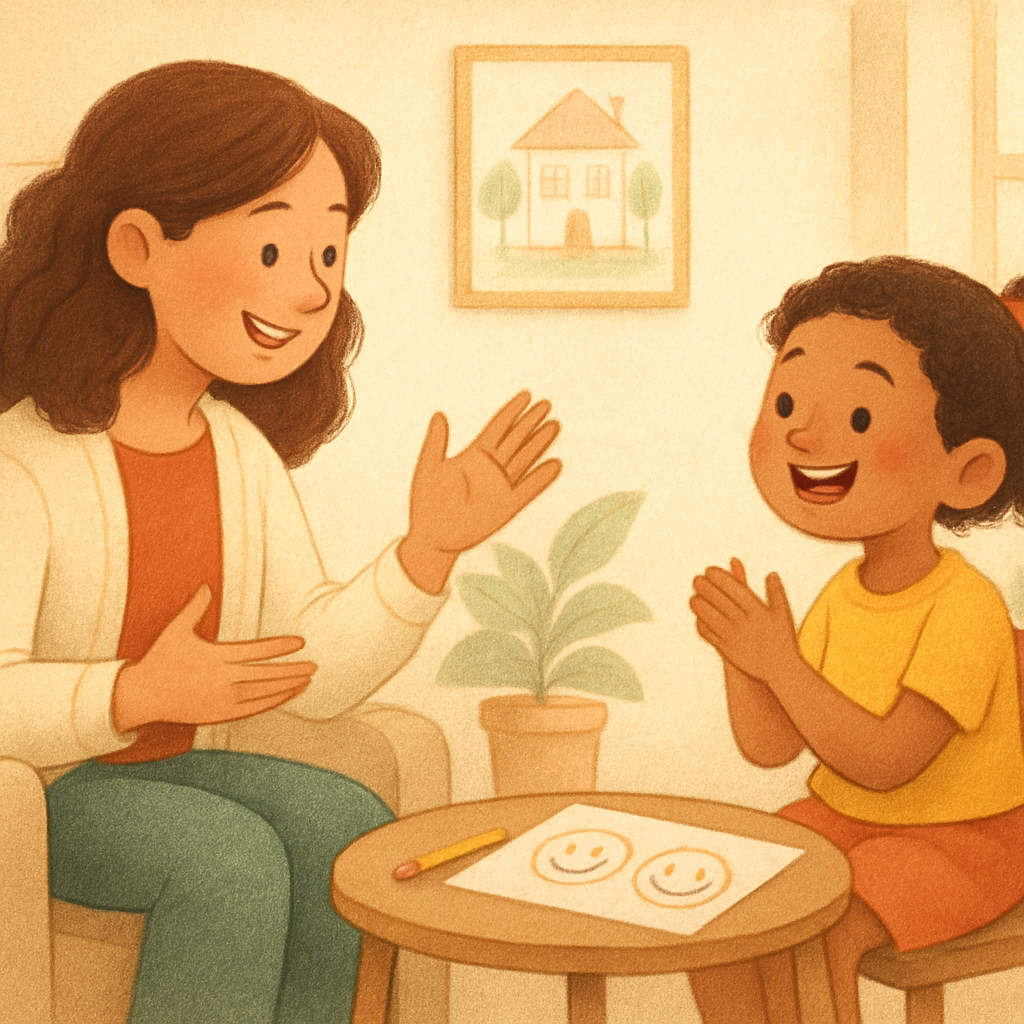
For many young children, play is their primary language. Play therapy, a form of talk therapy, leverages this natural form of expression to help them process emotions and experiences they might not be able to put into words. In these sessions, a therapist uses toys, games, and creative arts to understand a child's inner world.
This approach is not just about having fun; it's a structured therapeutic technique, including exposure therapy. Through play, children can act out their fears, frustrations, and anxieties in a controlled setting. This helps them gain a sense of mastery over their feelings and situations that seem overwhelming.
Play therapy is a cornerstone of behavioral therapy for young children because it promotes mental health in several ways:
- It encourages flexible and divergent thinking.
- It offers a safe space to explore and process emotions.
- It helps children develop alternative coping strategies.
- It fosters empathy and perspective-taking.
Social Skills Activities and Role-Play
Social interactions can be tricky for many children and young adults. Role-playing is a fantastic activity used in behavioral therapy to help them practice and build confidence in various social situations. It allows a child to try out different responses to scenarios they find challenging, like joining a group or resolving a conflict.
A therapist might set up a scene, such as 'What could you do if another child takes your toy?' and guide the child through healthier ways to react. This practice, particularly focusing on exposure and response prevention, helps improve communication skills and reduces anxiety about future interactions. It's like a dress rehearsal for real life.
Role-playing and other social skills activities are beneficial because they:
- Help children practice coping and communication skills.
- Allow for working through past or future events.
- Build confidence for handling real social situations.
- Teach children to see situations from another's perspective.
Reward Strategies and Motivation
One of the most effective tools in behavioral therapy is positive reinforcement. Cognitive restructuring techniques and reward strategies are a powerful way to motivate your child and encourage good behavior. The idea is simple: when a desirable action is followed by a positive consequence, the child is more likely to repeat that action.
This form of behavioral modification isn't about bribery. It's about teaching your child that their positive choices lead to positive outcomes in a healthy way. Working with your child to create a reward chart can be a fun and collaborative way to focus on specific goals, like sharing toys or completing homework without arguing.
To set up effective reward strategies, follow these steps:
- Define clear, positive behaviors you want to see.
- Choose meaningful rewards that motivate your child.
- Set achievable targets so your child can experience success.
- Be consistent with rewarding the behavior every time it occurs.
How to Identify If Your Child Could Benefit from Behavioral Therapy
Every child has ups and downs, but how do you know if their struggles warrant professional help? If you notice that behavioral problems are persistent and interfering with daily life at home or school, it may be time to consider effective treatment through behavioral therapy. These challenges are often signs that your child needs new tools to cope.
Addressing negative thought patterns and behaviors early can prevent them from becoming more significant issues down the road. Seeking a therapeutic approach through professional advice is a proactive and loving step toward supporting your child's well-being. The following sections outline specific signs to watch for and when to reach out for help.
Signs and Symptoms to Watch For
It can be difficult to distinguish between typical childhood behavior and signs of a deeper issue. However, certain persistent negative behaviors can indicate that your child could benefit from extra support. These problematic behaviors often disrupt family harmony, school performance, and your child's ability to make and keep friends.
Pay attention to patterns rather than isolated incidents. If challenging behaviors become a regular part of your daily routine, it's worth taking a closer look. These issues are not a reflection of your parenting but may signal that your child is struggling to manage their emotions or environment.
Here are some signs that may suggest your child needs behavioral therapy:
- Frequent and intense emotional outbursts or tantrums
- Difficulty following rules or constant defiance
- Problems with social skills, such as sharing or making friends
- Signs of ADHD, including impulsivity and an inability to focus
When to Seek Professional Advice
Deciding to seek help is a positive step for your family's mental health. If you feel overwhelmed or unsure how to support your child, consulting behavioral therapists can provide you with clarity and effective strategies. You don't have to wait until problems become severe.
Early guidance can make a significant difference. A professional can assess your child's needs and create a tailored plan, which might include individual therapy sessions or family therapy for family members to improve communication for everyone. This support can restore peace to your home and help your child thrive.
Consider seeking professional advice if:
- Your child's behavior negatively impacts their quality of life or family dynamics.
- The issues are affecting their performance or relationships at school.
- You have tried different strategies at home without seeing improvement.
- Your child is frequently struggling with intense anger, anxiety, or sadness.
Conclusion
Understanding and applying behavioral therapy can greatly benefit young children’s development. Early intervention and recognizing disruptive behaviors and behavioral challenges allow parents to support their children proactively. Fun games and activities make therapy enjoyable while building social skills. If your child may need therapy, seek professional advice promptly.
Take action now for a brighter future and contact us for a consultation or call daar at 02 9133 2500 to find the best options for your child.
Frequently Asked Questions
How does NDIS support behavioral therapy for children in Australia?
The NDIS plays a vital role by providing funding and access to behavioral therapy services for eligible children. This support makes interventions like cognitive behavioural therapy more accessible for families, ensuring children receive tailored assistance suited to their unique needs to achieve positive outcomes in their therapy sessions.
What makes positive behavior support different from other therapies?
Positive behavior support is a strengths-based approach that focuses on understanding why challenging behaviors occur to reduce harm and improve quality of life. Unlike some other forms of behavioral therapy that focus solely on modifying actions, it aims to teach new skills and upskill caregivers using techniques like positive reinforcement.
Are parents involved in therapy sessions for young children?
Yes, parental involvement is essential for the success of therapy for young children. Many programs include behavioral parent training, where parents learn the same techniques used in therapy sessions. This collaboration ensures that you can effectively reinforce positive behavior and new skills in daily interactions at home, leading to more lasting change.
.svg)




.svg)