
.png?width=48&height=48&name=Group%201%20(3).png)























4 February, 2026

Socialised Behaviour Therapy for Kids: What You Need to Know
Introduction
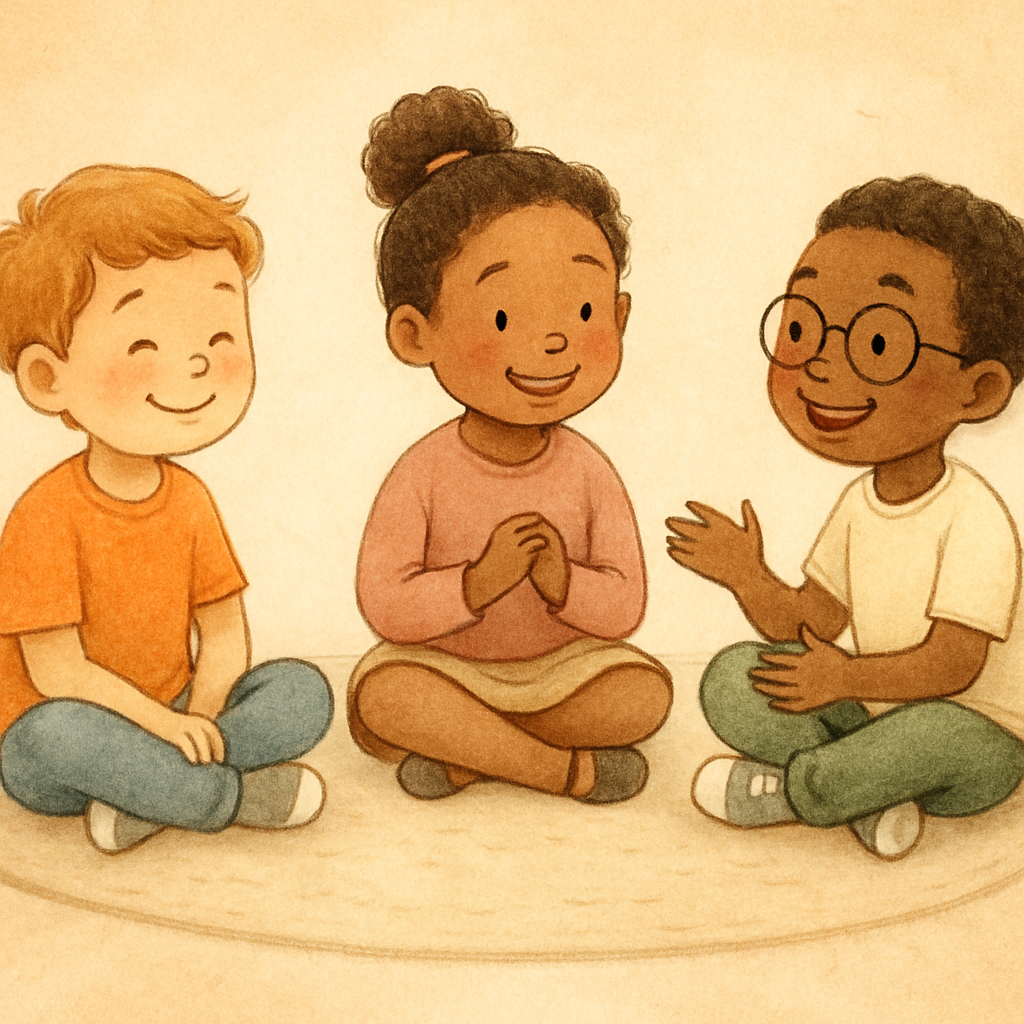
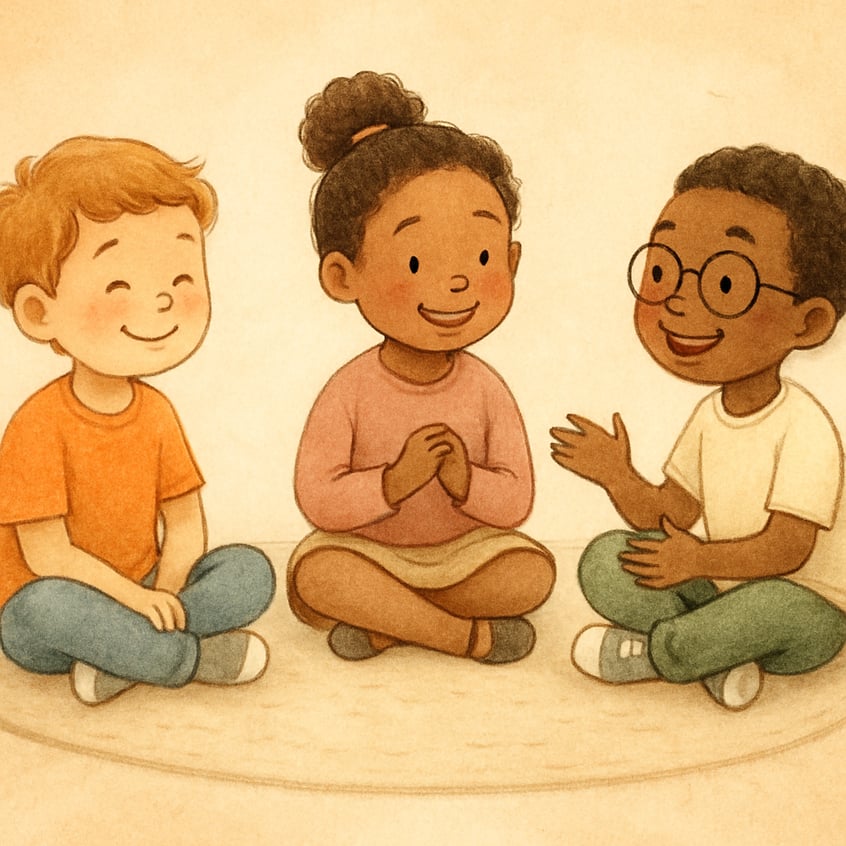
Is your child struggling to connect with others or manage their emotions? You are not alone. Socialised behaviour therapy is an effective approach designed to help children develop crucial social skills in a supportive environment. This form of therapy focuses on changing behaviors positively, teaching new skills that enhance communication and emotional growth. By addressing the root of challenging behaviours, it empowers your child with the confidence and tools they need to build healthy habits and thrive in social situations.
Key Highlights
- Socialised behaviour therapy helps children learn new skills to improve how they interact with others.
- Early intervention can address challenging behaviours before they become more significant problems.
- The therapy uses positive reinforcement to encourage better choices and reduce negative actions.
- A key goal is to improve emotional regulation, helping your child healthily manage feelings.
- This form of behaviour therapy supports skill development in communication and daily living activities.
- It creates a supportive environment for children to build confidence and positive relationships.
Main Benefits of Socialised Behaviour Therapy in Children
The main goal of socialized behavior therapy is to improve your child’s quality of life. Teaching emotional regulation and new coping strategies, it helps children manage frustration and anxiety, leading to a more harmonious family life and setting them up for academic and social success.
Using techniques like positive reinforcement, this therapy encourages desirable behaviors and builds confidence. Rewarding positive choices boosts motivation and helps your child connect good habits with positive outcomes, creating lasting change.
Enhancing Communication and Social Interaction Skills
One of the most significant benefits of this therapy is the improvement of your child's communication skills. Therapists use evidence-based techniques to help children develop effective communication, which leads to greater independence and better social interactions. Clear communication allows your child to express their needs and feelings, reducing frustration and misunderstanding.
Learning how to navigate social situations is a key part of your child’s development. This therapy teaches children essential social skills, helping them initiate and maintain conversations and friendships. Through guided practice, they learn to understand social cues and respond appropriately. This support helps them build confidence in handling various social challenges.
Effective communication skills taught in therapy include:
- Initiating conversations with peers.
- Taking turns during a game or discussion.
- Recognizing and responding to the emotions of others.
Supporting Emotional Regulation and Resilience
Does your child struggle with big emotions? Socialized behavioral therapy teaches practical strategies for emotional regulation, helping children identify feelings and cope with anxiety, anger, or frustration. These skills are key to mental health and empower kids to handle challenges more effectively.
Resilience-building is also central to this therapy. Children learn to face setbacks and adapt, growing more confident and flexible. Managing emotions boosts inner strength for life’s ups and downs.
Focusing on self-control and coping skills reduces disruptive behavior and encourages a positive mindset. As your child masters these abilities, you’ll likely notice better self-esteem and a greater willingness to try new things—benefiting their long-term mental health.
Promoting Positive Peer Relationships
Building and maintaining friendships can be challenging for some children. Socialized behavior therapy offers a structured approach to help them develop positive peer relationships. In a safe environment, children practice social skills like sharing, cooperating, and showing empathy.
The therapy uses techniques such as role-playing to teach specific skills—like joining group activities or giving compliments—by breaking them into manageable steps.
As children gain success in social interactions, their confidence grows. They see themselves as capable and likable, which encourages them to form more friendships. This positive cycle reinforces their new skills and fosters a sense of belonging.
Socialised Behaviour Therapy Techniques and Approaches
Socialised behavioral therapy uses a variety of proven techniques to create personalized treatment plans for your child. A therapist begins by conducting an assessment to identify triggers and set clear goals, resulting in a unique behaviour support plan. This plan outlines specific strategies to teach new skills and reduce challenging behaviors.
Common approaches include positive reinforcement, where desirable behaviors are rewarded to encourage repetition. Unlike other forms of therapy that may focus more on talk, this method is hands-on and action-oriented. Now, let's look at some of these specific techniques and how they are used in practice.
Positive Behaviour Support (PBS) in Practice
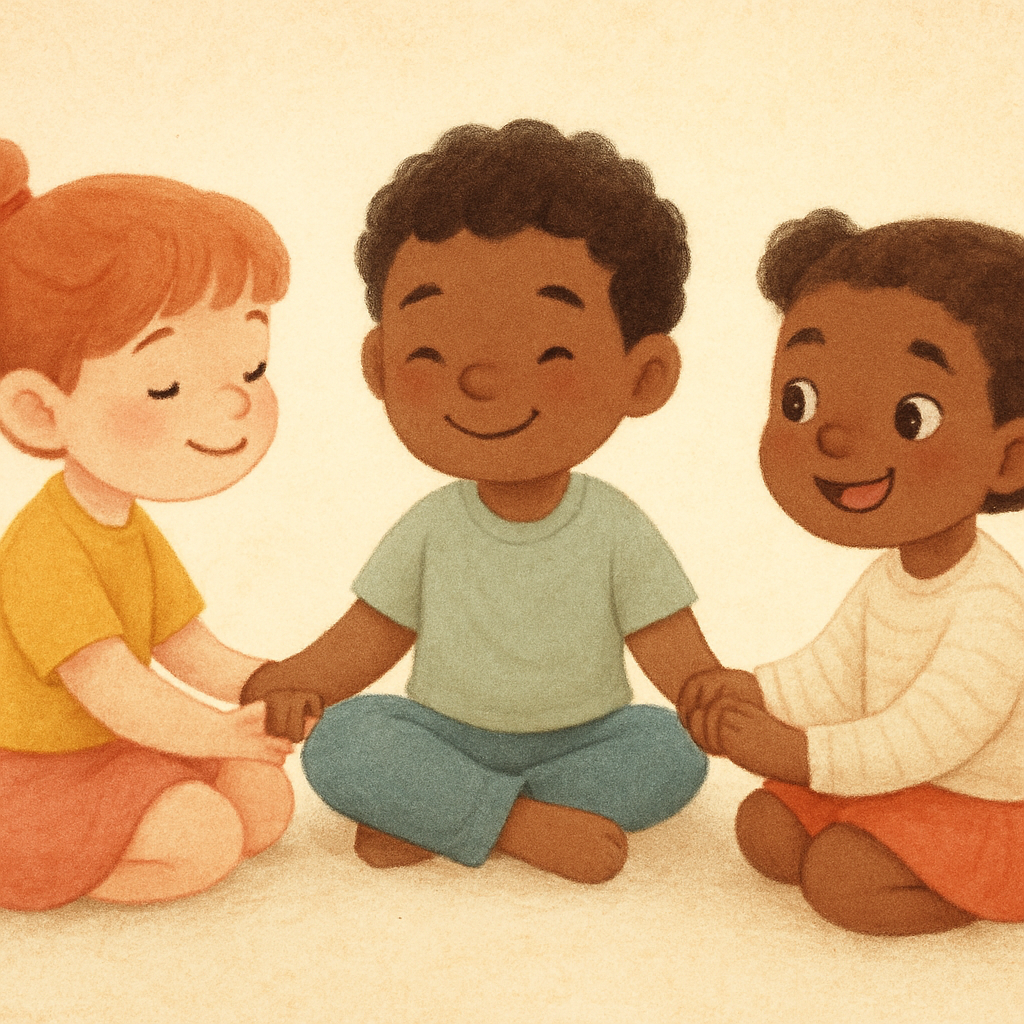
Positive Behavior Support (PBS) is a proactive, person-centered approach used in therapy. Instead of just reacting to challenging behaviors, practitioners first conduct a functional assessment to identify causes and triggers.
Based on this assessment, they create a personalized support plan focused on teaching the child new, adaptive skills to replace problem behaviors. For example, if a child acts out due to frustration, the plan teaches effective communication of needs.
PBS emphasizes collaboration among therapists, parents, and caregivers to provide consistent support and help the child succeed.
|
PBS Component |
Description |
|---|---|
|
Functional Assessment |
Identifies triggers and reasons behind challenging behaviors. |
|
Individualized Plan |
Develops a customized support plan with proactive strategies. |
|
Skill Building |
Teaches new skills for communication, self-regulation, and problem-solving. |
|
Collaboration |
Ensures therapists, families, and schools work together consistently. |
Role-Playing and Social Stories for Skill Building
Role-playing is a powerful tool for skill development in socialised behaviour therapy. It allows children to practice social situations in a low-pressure environment. A therapist might act out scenarios like greeting someone, asking for help, or resolving a conflict. This hands-on practice helps your child feel more prepared and confident to use these social skills in real life.
Another effective technique is using social stories. These are short, simple narratives that describe a specific situation, skill, or concept and the expected behaviors. For example, a story might explain how to behave at a birthday party. A specialist behaviour support provider uses these stories to help children understand social expectations and reduce anxiety about new experiences.
The process of behavior analysis helps therapists tailor these activities to your child’s needs. Key skills practiced include:
- Learning to share toys graciously with a friend.
- Asking to join a game on the playground.
- Understanding and using appropriate tones of voice.
Play-Based and Group Therapy Methods
Play can be a powerful therapeutic tool. Play-based therapy uses fun activities to teach skills like turn-taking, cooperation, and problem-solving in a natural, motivating way for young children. This approach helps kids develop social skills without feeling like they’re in a formal lesson.
Group therapy also supports social skill development. In small groups, children practice with peers while a therapist guides and gives feedback. This setting lets kids build communication skills, form friendships, and gain real-world experience.
Both methods create supportive environments for learning and help children apply new skills confidently at home, school, and in the community.
Getting Started with Socialised Behaviour Therapy for Your Child
Seeking help for your child is a positive step. If you’re concerned about their behavior or social development, a professional consultation can offer clarity and guidance. Early intervention builds a strong foundation for future success.
A therapist can assess your child's needs and recommend a supportive plan for your family. The sections below explain when to seek help and how to find the right professionals.
Identifying the Right Time to Seek Help
It can be hard to tell whether your child’s behavior is just a phase or a sign of something more serious. If challenges are ongoing and disrupt daily life, professional support may be needed. When negative behaviors affect school, happiness, or relationships, early intervention can help.
Trust your instincts. If you’re overwhelmed or your usual strategies aren’t working, a therapist can offer expert guidance. A behavior analysis can identify unmet needs and underlying causes for targeted treatment.
Consider seeking help if you notice:
- Frequent, intense tantrums or anger
- Constant arguing or rule-breaking
- Aggression toward people or animals
Finding Qualified Therapists and NDIS Registered Providers
Finding the right professional is crucial for your child’s success. Choose qualified therapists with experience in pediatric behavior therapy and your child’s specific needs. Look for a compassionate, evidence-based approach and family collaboration.
In Australia, the National Disability Insurance Scheme (NDIS) may fund these services. If your child is an NDIS participant, select NDIS-registered providers who meet strict quality and safety standards. A qualified behavior support practitioner can help achieve your child’s NDIS goals.
Ask each therapist about their approach, qualifications, and experience with similar children. Most importantly, ensure you and your child feel comfortable working with them.
What to Expect During Assessment and Early Sessions
The process begins with an initial assessment, where the therapist gathers information about your child's behavior, strengths, and challenges through observation, interviews, and questionnaires. This helps create an effective treatment plan.
Early sessions focus on building rapport and a supportive environment. Therapists use interactive activities like games and art to teach new skills, keeping your child engaged.
You’ll work with the therapist to set clear goals and learn strategies to support your child at home, ensuring progress continues outside of therapy.
Conclusion
Socialized behavior therapy can transform children’s communication, emotional regulation, and peer relationships. Using techniques like role-playing, positive behavior support, and play-based methods, it helps kids thrive socially and emotionally. If you think your child could benefit, reach out for help—finding the right therapist can make a big difference.
Take the first step toward improving your child’s social skills and well-being today, book a consultation or call daar at 02 9133 2500!
Frequently Asked Questions
Is socialised behaviour therapy effective for children with autism?
Yes, socialised behaviour therapy is highly effective for children with autism spectrum disorder. Specialist behaviour support can be tailored to their unique needs, using approaches like Applied Behaviour Analysis (ABA) and cognitive behavioural therapy. The focus is on improving social skills, communication, and emotional regulation in a structured and supportive way.
Are NDIS funding options available for socialised behaviour therapy in Australia?
Yes, the National Disability Insurance Scheme (NDIS) may provide funding for socialised behavioral therapy. If the therapy is considered "reasonable and necessary" to help your child achieve their NDIS goals, the costs of therapy sessions with a specialist behaviour support provider can be covered. This creates a supportive environment for your child's development.
Are restrictive practices part of socialised behaviour therapy for kids?
No, modern socialised behaviour therapy focuses on positive and proactive strategies. The emphasis is on positive reinforcement and teaching positive actions, not on restrictive practices that limit a child's freedom of movement. A behaviour support plan is designed to understand behavior and teach new skills, promoting lasting change through encouragement.
.svg)




.svg)