
.png?width=48&height=48&name=Group%201%20(3).png)























31 December, 2025

Behaviour Therapy: Effective Strategies for Positive Change

Introduction
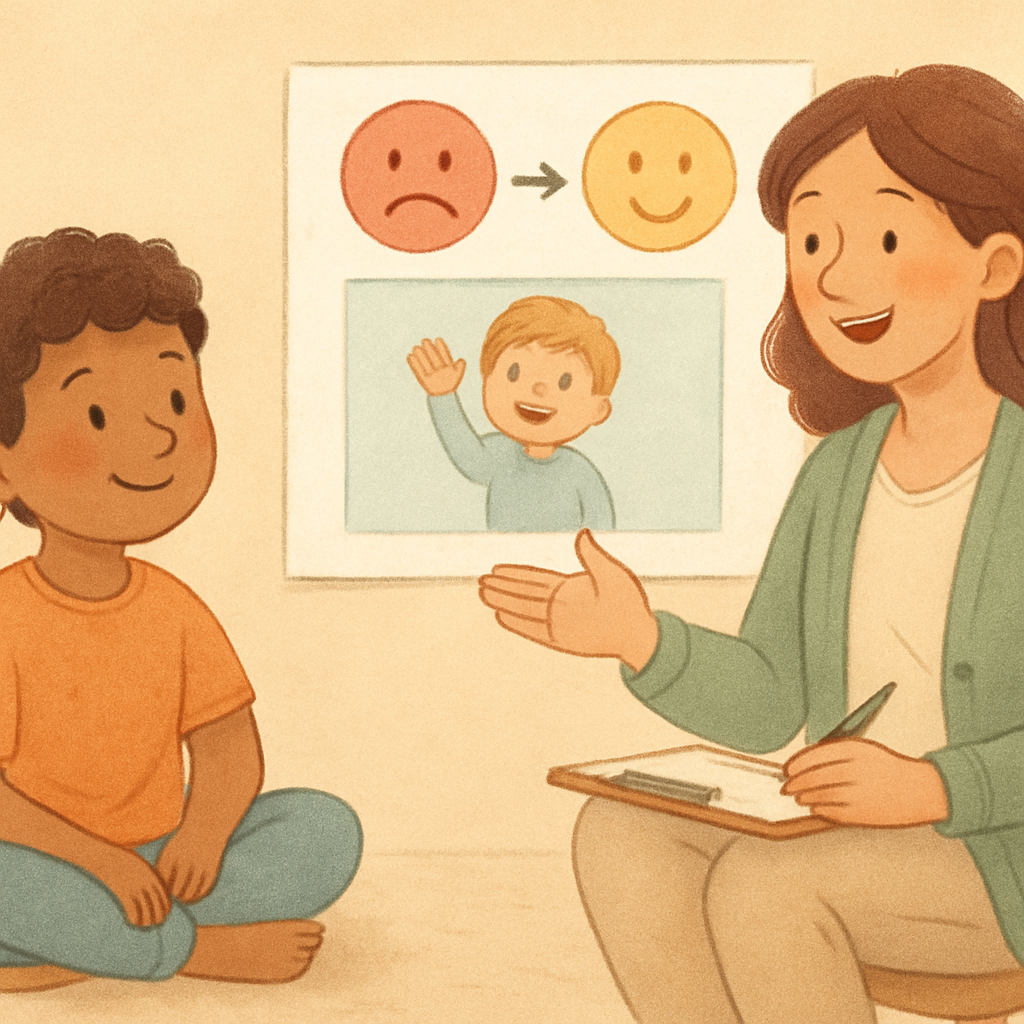
Are you looking for practical ways to manage your mental health and create lasting positive change? Behaviour therapy is a powerful, action-oriented approach that focuses on modifying unhealthy habits and thought patterns. Unlike therapies that may explore the past, a behavioral therapy session focuses on your current problems and provides you with concrete strategies to solve them. This type of therapy is built on the principle that behaviors are learned and can, therefore, be unlearned, paving the way for a healthier mindset. Cognitive behavioural therapy differs from other types of behaviour therapy by combining techniques to change both behaviors and the underlying thoughts that drive them, whereas traditional behaviour therapies focus primarily on altering observable behaviors rather than addressing cognitive processes.
Key Highlights
-
Behaviour therapy is an action-focused approach that helps change self-destructive or unhealthy behaviors.
-
It is rooted in the idea that all behaviors are learned and can be modified for better mental health.
-
Key techniques include cognitive behavioral therapy (CBT), exposure therapy, and positive reinforcement.
-
This therapy effectively treats a wide range of conditions, including anxiety, depression, and social behavior disorders.
-
Strategies like behavior modification and social skills training empower you with practical tools for positive change.
-
It helps individuals of all ages, from children to adults, by creating tailored treatment plans.
Key Techniques Used in Behaviour Therapy
Behaviour therapy uses a variety of proven methods to help you achieve your goals. These behavioral therapy techniques are often based on the principles of classical and operant conditioning, which focus on how associations and consequences shape our actions. By understanding these connections, you can start to address challenging behaviors head-on.
Some of the most effective strategies include exposure therapy, systematic desensitization, and cognitive restructuring. Your therapist will work with you to identify which techniques are best suited for your specific needs, creating a personalized path toward better mental health. These methods are designed to be practical and empowering, giving you tools to use in your daily life.
Exposure and Response Prevention
Exposure and response prevention (ERP) is a proven exposure therapy used to help you face your fears in a safe, structured way. It’s especially effective for obsessive-compulsive disorder (OCD) and other anxiety conditions. ERP works by gradually exposing you to the thoughts, images, objects, or situations that trigger your anxiety.
The “response prevention” part means choosing not to engage in compulsive behaviors when anxiety arises. For example, if you feel compelled to wash your hands after touching a doorknob, you practice resisting that urge.
With time, this process teaches your brain that you can tolerate discomfort without giving in to compulsions. As a result, your anxiety decreases and your sense of control grows.
Behavioural Activation Strategies
Feeling stuck in a cycle of inactivity and low mood is common, especially with depression, which often leads to withdrawal from enjoyable activities. Behavioral activation helps break this cycle by scheduling positive, rewarding activities that align with your interests and values—even if motivation is low at first.
Working with a therapist, you’ll create a simple plan to gradually increase participation in these activities, such as taking a walk, calling a friend, or enjoying a hobby. As you re-engage, your mood naturally improves, creating a cycle of positive reinforcement that encourages continued activity. Behavioral activation helps you reconnect with pleasure and meaning, enhancing your overall quality of life.
Positive Reinforcement Methods
Positive reinforcement is a key behavior analysis technique that encourages desirable actions by offering rewards after the behavior occurs. Rooted in operant conditioning, it increases the likelihood of repeating the behavior and is an effective tool for behavior change.
This approach creates a positive link between an action and its outcome. When you reach a small goal or try a new skill, receiving a reward—such as a treat or praise—strengthens your motivation to continue.
Examples include:
-
Praising a child for finishing homework on time.
-
Rewarding yourself with a favorite activity after facing a fear.
-
Earning tokens for good behavior, which can be exchanged for prizes.
Consistent use of positive reinforcement helps build better habits and replace unwanted behaviors with more productive ones.
Positive Behaviour Support and Its Uses
Positive behaviour support (PBS) is a comprehensive approach that goes beyond simply managing behavior. It focuses on understanding the reasons behind a person's actions to develop effective and respectful interventions. This framework is often used by professionals, including social workers and therapists, to improve an individual's quality of life and overall mental health.
Instead of just reacting to challenging behaviors, PBS uses behavior analysis to identify triggers and teach new, more appropriate skills. This proactive approach helps create supportive environments where individuals can thrive. In the following sections, we will look at the principles of this approach and how it is applied.
Principles Behind Positive Behaviour Support
Positive Behavior Support (PBS) focuses on understanding why behaviors occur. Instead of punishment, PBS encourages positive behaviors and teaches new skills through proactive, person-centered strategies.
PBS uses behavioral analysis to identify the purpose of a behavior—such as seeking attention or avoiding tasks—and then develops ways to meet those needs more effectively, reducing challenges.
Key principles:
-
All behavior has a purpose.
-
Prevent issues by changing environments.
-
Teach and reinforce positive skills.
PBS aims to improve quality of life by providing individuals with the tools they need to succeed.
Application of Positive Behaviour Support within NDIS Plans
The National Disability Insurance Scheme (NDIS) provides essential support for people with disabilities, including mental health disorders, to access behavior therapy. Positive Behavior Support (PBS) is a core component of NDIS plans that helps participants reach their goals and improve well-being.
NDIS funding covers specialized services to develop and implement PBS plans. Qualified practitioners assess individual needs and identify causes of challenging behaviors, then create practical strategies for families, caregivers, and support workers.
These personalized strategies are built into daily routines to reduce challenging behaviors by teaching new skills and fostering supportive environments—promoting greater independence and community involvement.
|
NDIS Goal |
PBS Strategy |
|---|---|
|
Social & Community Participation |
Teach communication skills; provide structured opportunities for positive social interaction. |
|
Daily Living Skills |
Divide tasks into simple steps; use visual aids and positive reinforcement to build independence. |
|
Better Relationships |
Teach emotion management and conflict resolution; encourage positive family and peer interactions. |
Success Stories from Positive Behaviour Support Interventions

The impact of positive behavior support (PBS) is clear in real-life changes. For example, a young child with autism who often had meltdowns in crowded places improved after his family and team identified sensory overload as the cause. By using noise-canceling headphones and a visual schedule, he learned to cope with overwhelming situations, allowing the family to enjoy outings together. This shows how understanding the reason behind behaviors can lead to effective, compassionate solutions that boost mental health.
In another case, an adult with an intellectual disability who showed aggression due to communication struggles benefited from a PBS plan that taught him to use a communication device. As he developed new social skills, aggressive incidents decreased and his relationships with caregivers improved.
Behaviour Therapy for Social Behaviour Disorders
Social behaviour disorders can make it difficult for a person to interact with others in a positive and constructive way. These mental health disorders often involve patterns of undesirable behaviors, such as defiance or aggression, that can strain relationships at home, school, and in the community. Behavior therapy offers effective strategies for managing these challenges.
By focusing on teaching new skills and modifying negative behavior patterns, this type of therapy can help individuals with conditions like oppositional defiant disorder and social anxiety. The following sections will explore how specific therapeutic approaches can lead to significant improvements in social behavior and overall well-being.
Treating Oppositional Defiant Disorder and Conduct Disorder
Oppositional defiant disorder (ODD) and conduct disorder (CD) are disruptive behavior disorders seen in children and adolescents. Both involve defiance and rule-breaking, but CD is more severe.
ODD features a persistent pattern of angry mood, argumentativeness, and deliberate annoyance of others, lasting at least six months. Unlike CD, ODD does not include serious violations of others’ rights or major societal norms.
CD involves repeated aggression toward people or animals, property destruction, deceitfulness, theft, and serious rule violations like truancy or running away. CD carries higher risks for legal issues, substance abuse, and long-term difficulties.
Behavioral therapy is the main treatment for both disorders. Parent management training teaches caregivers effective discipline strategies and positive reinforcement. Cognitive-behavioral therapy (CBT) helps affected children recognize triggers for anger and impulsivity while building coping skills and empathy.
Collaboration among families, schools, and healthcare providers ensures consistent support across environments. Early intervention prevents symptoms from worsening; untreated ODD may progress to CD, which can lead to antisocial personality disorder in adulthood.
Support groups and social skills programs provide additional help for families managing ODD or CD while supporting healthy development.
Managing Social Anxiety and Related Challenges

Social anxiety can make everyday interactions feel overwhelming. Behavior therapy provides effective tools to manage these challenges and build confidence. Common techniques include exposure therapy and systematic desensitization, which help you gradually face feared situations in a supportive setting.
Systematic desensitization pairs relaxation exercises with gradual exposure—for example, imagining a social event while practicing deep breathing, then slowly progressing to real-life gatherings.
Exposure therapy involves directly confronting anxiety-provoking situations. Both methods, especially when combined with stress management strategies, help retrain your brain to see social situations as less threatening. This empowers you to engage more fully in life without being limited by fear.
Incorporating Social Skills Training into Therapy
For many people, especially those with social anxiety or developmental disorders, social challenges often arise from a lack of confidence or practice. Social skills training (SST), a form of cognitive therapy, addresses these issues by teaching the verbal and nonverbal skills needed for healthy relationships.
Based on social learning theory, SST shows that social behaviors can be learned through observation, practice, and feedback. In therapy, skills are broken down into manageable steps. The therapist models behaviors and guides you through role-playing exercises.
SST typically covers:
-
Starting and maintaining conversations
-
Understanding body language and nonverbal cues
-
Being assertive and expressing needs clearly
This training helps change negative thoughts about social interactions and builds the confidence to connect with others.
Benefits and Effectiveness of Behaviour Therapy
One of the greatest benefits of behavior therapy is its practical, action-oriented approach to improving mental health. It equips you with tangible skills for stress management and behavior modification that you can apply to your daily life. The focus is on making measurable progress in a relatively short amount of time.
This therapy is highly effective because it teaches lasting strategies, such as using positive reinforcement to build good habits, rather than just talking about problems. The following sections will discuss how this effectiveness translates to both children and adults, and what resources are available to help access these services.
How Children and Adults Respond to Behaviour Therapy
Behavior therapy is a flexible approach effective for both children and adults. While its core principles remain the same, techniques are tailored to each person’s age and needs.
For children, it often involves play therapy or parent training, using rewards and positive reinforcement to encourage good behaviors. Therapists help parents set consistent rules, especially for conditions like ADHD or ODD.
For adults, therapy typically uses cognitive-behavioral techniques to address issues such as anxiety, depression, or phobias. Adults learn to challenge negative thoughts and gradually face fears. Overall, behavior therapy offers practical tools to manage behaviors and improve quality of life.
Role of NDIS in Supporting Behaviour Therapy Access
The National Disability Insurance Scheme (NDIS) helps eligible Australians with significant disabilities access essential support services, including behavior therapy. For many, it provides specialized mental health care that would otherwise be unavailable.
If a person’s disability involves behavioral challenges, their NDIS plan can fund "Improved Daily Living" or "Improved Relationships." This covers qualified professionals—like psychologists or social workers—who create personalized behavior support plans. These specialists work with individuals and their support networks to address the causes of challenging behaviors and teach better coping skills.
Through this funding, the NDIS enables people to reduce harmful behaviors, build positive relationships, and engage more fully in their communities—greatly enhancing their quality of life.
Effectiveness of Behavior Therapy
The effectiveness of behavior therapy lies in its structured and goal-oriented nature. Rooted in the principles of behaviorism, this therapeutic approach focuses on observable and measurable behaviors, which allows both you and your therapist to track progress clearly. A therapy session is designed to be active and collaborative, helping you learn and practice new skills from the start.
Because the treatment plans are highly focused on current problems, many people see significant improvements in a shorter timeframe compared to other forms of therapy. The following sections will explore the core principles and techniques that make this approach so successful.
Understanding the Core Principles of Behavior Therapy
To understand behavior therapy, it helps to know its foundations. Based on behaviorism, this approach believes all behaviors are learned from the environment and can be unlearned or replaced.
Behavior therapy relies on two main theories:
-
Classical Conditioning: Learning through association between two stimuli, such as linking a neutral event to a fear response.
-
Operant Conditioning: Behavior shaped by consequences like rewards or punishments.
Instead of exploring deep psychological roots, behavior therapy focuses on practical solutions for present behaviors. Since behaviors are learned, they can also be changed through new experiences.
Key Techniques Used in Behavior Therapy Sessions
A behavior therapy session is an active process where you learn and practice skills to manage challenges. Therapists use evidence-based techniques tailored to your needs and goals, providing practical tools you can use beyond therapy.
The technique chosen depends on your condition and objectives. For example, systematic desensitization may be used for phobias, aversion therapy for breaking harmful habits, and cognitive restructuring to change unhelpful thought patterns.
Key techniques include:
-
Systematic Desensitization: Combines relaxation exercises with gradual exposure to reduce anxiety.
-
Aversion Therapy: Links unwanted behaviors with unpleasant stimuli to discourage them.
-
Cognitive Restructuring: Helps identify and reframe negative or irrational thoughts.
The Role of Reinforcement in Behavior Modification
Reinforcement is a key tool in behavior modification, used to encourage and strengthen behaviors so they occur more often. It’s widely applied in behavior therapy to help individuals build positive habits and reach their goals.
There are two main types of reinforcement. Positive reinforcement adds a rewarding stimulus after a desired behavior, like praising a child for cleaning their room. Negative reinforcement removes an unpleasant stimulus, such as taking pain relievers to eliminate a headache. Both methods aim to increase helpful behaviors and create lasting, positive change.
Conclusion
In conclusion, behavior therapy provides a structured, evidence-based way to foster positive change in both children and adults. Techniques like positive reinforcement and exposure therapy help therapists address various social behavior disorders effectively. Success stories highlight the transformative impact of this approach. For personalized guidance, consider seeking professional support.
If you're interested in learning more about behavior therapy, contact us for a consultation or call daar at 02 9133 2500 to see how it can benefit you or someone you care about.
Frequently Asked Questions
How can I find a qualified behaviour therapist near me?
To find a qualified behavior therapist, start by asking your primary care doctor for a referral. You can also search online directories from professional organizations like the American Psychological Association. Many websites allow you to filter results by location, specialty, and insurance, making it easier to find the right fit for your mental health needs.
Are there any risks or side effects to behaviour therapy?
While behavior therapy is generally safe and effective, some techniques may cause temporary discomfort. For example, exposure therapy can provoke anxiety as you confront your fears. It is crucial to work with a skilled therapist who can guide you through these feelings and ensure the process is productive and not overwhelming.
Who benefits most from behaviour therapy and NDIS plan management?
Individuals with specific behavioral goals, such as overcoming phobias, managing OCD, or improving social skills, benefit greatly from behavior therapy. NDIS plan management is especially helpful for people with disabilities, as it provides the funding and structure needed to access these tailored treatment plans and work toward greater independence and well-being.
What is behavioral therapy?
Behavioral therapy is a psychological treatment that focuses on changing unhelpful behaviors by identifying and modifying thought patterns. It employs techniques such as reinforcement, exposure, and skills training to help individuals develop healthier coping strategies, leading to positive changes in their behavior and overall mental well-being.
.svg)




.svg)