
.png?width=48&height=48&name=Group%201%20(3).png)























17 April, 2026

Understanding Sleep Problems in Children: Causes & Solutions
How do you deal with your children's sleep issues?
Addressing sleep problems in children often involves establishing a consistent bedtime routine, creating a calming sleep environment, and limiting screen time before bed. Additionally, discussing any anxieties they may have can help alleviate fears, while consulting a paediatrician for persistent issues is advisable for tailored solutions.
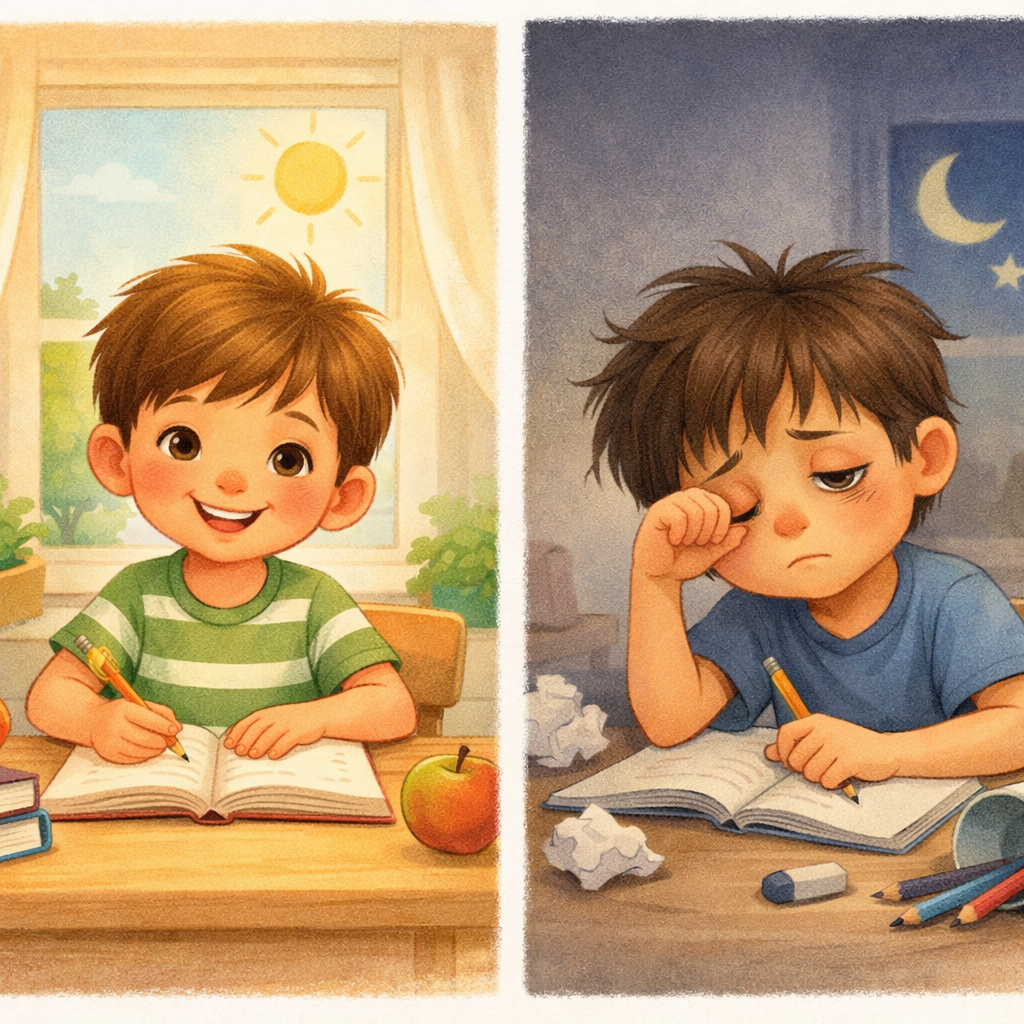
For many families, the hours between dinner and lights-out are the most stressful part of the day. Instead of a peaceful transition into restorative rest, evenings are consumed by endless negotiations, sudden bursts of hyperactivity, multiple curtain calls for "one more glass of water," or midnight visits to the parents' bedroom. If this sounds familiar, you are absolutely not alone. Sleep problems, including various sleep disorders, in children are more common today than many parents realize, functioning as a silent epidemic that can significantly affect a child's physical growth, daytime behaviour, classroom learning, and overall emotional health.
When a child repeatedly fails to get the deep, uninterrupted sleep their developing brain requires, the entire household suffers. Identifying the root causes of these paediatric sleep disturbances early is the most crucial step in reversing the cycle. By understanding the biology of childhood sleep and actively building healthy sleep habits, parents can help their children finally get the profound rest they need for proper cognitive and physical development. Creating healthy sleep routines is essential for ensuring children achieve a healthy sleep schedule.
In this highly comprehensive guide, we will break down the most common paediatric sleep problems and common sleep disorders, explore the hidden triggers keeping your child awake, uncover the alarming effects of chronic sleep deprivation, and provide you with powerful, highly actionable solutions to permanently transform your child's sleep quality. Additionally, you will find clear recommendations on how much sleep children should get at different ages: for example, newborns typically need 14-17 hours of sleep per day, toddlers require 11-14 hours, preschoolers need 10-13 hours, and school-age children benefit from 9-12 hours nightly. Understanding these age-based guidelines is essential for supporting healthy sleep habits in children.
4 Most Common Sleep Problems in Children
Sleep disturbances in children rarely look identical to adult insomnia. They often manifest as behavioural challenges, emotional meltdowns, or deeply ingrained habits, such as loud snoring. Here are the four primary sleep problems paediatricians and sleep specialists see most frequently in children:
1. Extreme Difficulty Falling Asleep (Sleep-Onset Insomnia)
Many young children aggressively struggle to transition from daytime wakefulness to nighttime rest. Biologically, this means their sleep latency—the time it takes to actually fall asleep after the lights go out—is stretching well beyond the typical 15 to 20 minutes. Instead of winding down, these children lie awake with racing minds, toss and turn in frustration, or experience sudden bursts of physical hyperactivity. This is most frequently caused by extreme severe neurological overstimulation, late-evening screen time blocking melatonin production, or highly inconsistent bedtime routines that fail to signal to the brain that sleep is approaching. While younger children often have unique trouble winding down, it is normal for teenagers to experience different sleep problems. In adolescence, sleep-onset insomnia can be influenced by hormonal changes, shifted biological clocks, and increased academic or social pressures, which can create distinct challenges compared to those faced by younger children.
2. Frequent Night Wakings and Fragmented Rest
While it is biologically normal for humans to briefly wake between sleep cycles, healthy sleepers with good sleep habits are able to quickly self-soothe and roll back over into the next cycle. Children suffering from fragmented rest cannot. Frequent waking during the night completely fractures their highly vital deep-sleep phases. When a child wakes up three or four times a night and requires a parent's presence to fall back asleep, their brain is robbed of the continuous, restorative Slow-Wave sleep necessary for physical repair. This heavily affects their daytime energy, cognitive focus, and emotional resilience.
3. The Terror of the Night: Nightmares and Night Terrors
While often grouped, nightmares and night terrors are entirely different biological sleep phenomena, though both severely disrupt a child's rest. Medical history around nightmares can provide additional context for treatment options available to the child.
- Nightmares: Occur during Rapid Eye Movement (REM) sleep, usually in the early morning hours. The child wakes up fully, can often perfectly recall the scary dream, and needs immediate emotional comfort.
- Night Terrors: Occur during deep Non-REM sleep, usually within the first few hours of the night. A child experiencing a night terror may sit up, scream, thrash around, and appear terrified with their eyes wide open, but they are actually still deeply asleep. They will not respond to comforting and will have zero memory of the event the next morning. Both can be heavily triggered by underlying daily stress, generalized daytime anxiety, or a highly irregular, profoundly exhausting sleep schedule.
4. Severe Bedtime Resistance and Stall Tactics
Also known as behavioural insomnia of childhood, sleep resistance due to poor sleep habits is incredibly common in toddlers and preschoolers. Children may fiercely resist bedtime due to strongly ingrained behavioural habits, a complete lack of an enforcing routine, or an underdeveloped ability to transition away from fun activities. This often manifests as the famous "curtain calls"—asking for another hug, another trip to the bathroom, a different blanket, or claiming they are suddenly starving. If a child engages in heavily stimulating screen exposure before this, their resistance will be magnified tenfold by a nervous system that is chemically refusing to calm down.
Identifying the Root Causes of Sleep Problems in Children
To effectively solve a sleep problem, you must first identify the environmental, biological, or behavioural triggers, including behavioural sleep problems, causing it. Paediatric sleep disturbances are almost always linked to one or more of the following culprits:
- A Highly Irregular Sleep Schedule: The human circadian rhythm requires strict predictability. If a child has a regular bedtime routine and goes to bed at 8:00 PM on Tuesday, 10:00 PM on Friday, and sleeps until noon on Saturday, their internal biological clock becomes severely confused, leading to massive difficulty falling asleep on time.
- Excessive Screen Time Before Bed: Smartphones, tablets, and televisions emit concentrated blue light. When a child consumes this light within two hours of bedtime, it travels to the pineal gland and actively halts the production of melatonin, keeping the brain chemically wide awake long after the device is turned off. Addressing excessive screen time can be the first line of treatment for improving sleep quality in children.
- Underlying Anxiety or Chronic Stress: Children process daily stress (school pressures, playground bullying, family tension) late at night when the house goes quiet. This anxiety spikes cortisol, the body’s "fight-or-flight" hormone, making physical relaxation biologically impossible and can be compounded by low iron levels.
- A Poor, Unoptimized Sleep Environment: A child's bedroom must be highly conducive to sleep. Too much ambient light (from streetlamps or bright nightlights), disruptive household noise, or a room temperature that is too warm (above 70°F) will actively prevent the body's core temperature from dropping, which is required to initiate deep sleep and may lead to the need for a sleep study to evaluate sleeping patterns.
- High Sugar Intake or Late, Heavy Meals: Consuming sugary snacks, hidden caffeine (found in chocolate or certain sodas), or heavy, hard-to-digest meals shortly before bed causes massive blood sugar spikes and rapid heart rates, actively fighting against the body’s attempt to power down, potentially exacerbating conditions like restless leg syndrome.
The Alarming Effects of Poor Sleep on Kids
Missing a few hours of sleep may not seem catastrophic, but chronic sleep deprivation slowly dismantles a child's neurological and physical health, ultimately affecting a child’s growth. The effects of poor sleep cascade through every system in their body:
1. Severe Irritability and Extreme Mood Swings
When a child is chronically sleep-deprived, their amygdala (the brain's emotional reaction center) becomes up to 60% more reactive. Simultaneously, their prefrontal cortex (the logic and impulse-control center) effectively shuts down. This results in daily, explosive tantrums, uncharacteristic aggression, and extreme emotional fragility over microscopic daily inconveniences, and can also lead to conditions such as sleep terrors.
2. Difficulty Concentrating and Learning in School
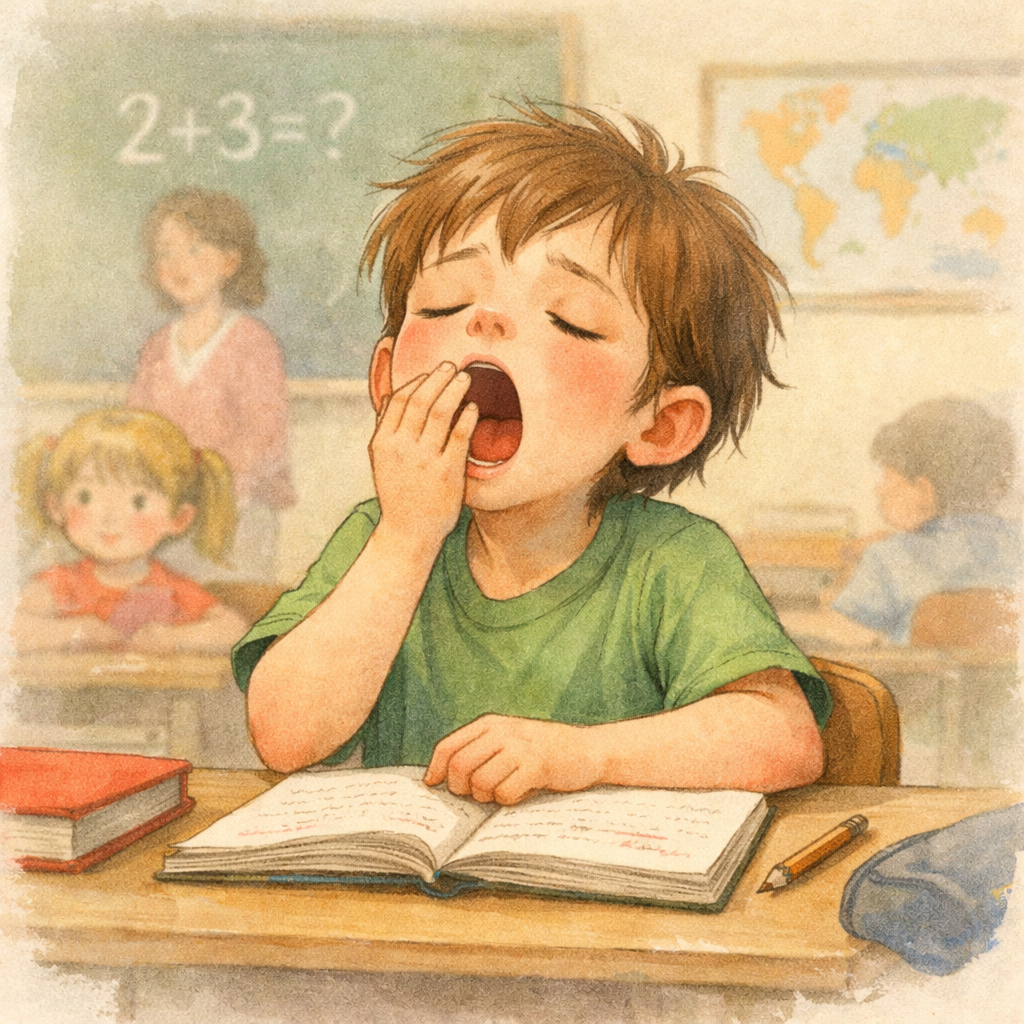
Sleep is the only time the brain permanently files away new information gathered during the day. If a child is starved of REM and deep sleep, and does not get enough sleep, their working memory fails. They will exhibit severe difficulty concentrating on daily schoolwork, struggle heavily with reading comprehension, and frequently zone out during classroom instructions.
3. Misdiagnosed Behavioural Issues
Chronically exhausted children do not act sleepy; they often act hyperactive. To fight off intense daytime fatigue, a sleep-deprived child's body may also be affected by conditions like periodic limb movement disorder, causing it to pump out adrenaline to keep them awake. This adrenaline-fueled state mimics the exact symptoms of Attention Deficit Hyperactivity Disorder (ADHD), leading to fidgeting, impulsivity, and an inability to sit still.
4. A Dangerously Weakened Immune System
Deep sleep is the precise biological window when the body produces infection-fighting cytokines and T-cells. Children with heavily fragmented sleep or insufficient sleep hours suffer from severely weakened immune systems, making it difficult for them to achieve a good night’s sleep, which makes them highly susceptible to catching every seasonal viral bug, flu, and common cold that moves through their school.
5. Slower Physical and Brain Development
Human Growth Hormone (HGH), which dictates a child's physical cellular growth and muscle development, is almost exclusively secreted during the deepest stages of Slow-Wave sleep. Avoiding daytime naps can also be crucial, as when sleep problems constantly interrupt these deep cycles, a child's physical growth curve can literally slow down.
Highly Effective Tips to Improve Sleep in Children
Curing paediatric sleep problems does not require expensive medication; it requires profound consistency and excellent daily sleep hygiene. Implement these scientifically backed strategies to transform your child's nights:
Set a Fiercely Consistent Bedtime Routine
Children crave predictability. Establish a rigid 45-minute wind-down routine that occurs in the exact same order every single night to encourage baby sleep. A sequence such as a warm bath, putting on pajamas, brushing teeth, and reading two physical books securely cues a child's brain that the day is over and sleep is rapidly approaching. Keep the bedtime and wake-up time utterly identical every day, even on weekends.
Enforce a Strict Digital Curfew (Limit Screens 1–2 Hours Before Bed)
Protect your child's delicate melatonin production by enforcing a non-negotiable "no screens" rule at least 60 to 120 minutes before bedtime. Remove all tablets, video games, and televisions from the bedroom completely. Replace this highly stimulating digital time with calming, low-tech alternatives like drawing, doing a puzzle, or using relaxation techniques such as listening to quiet audiobooks.
Create a Calm, Dark, Quiet, and Cool Sleep Environment
Transform your child's bedroom into an optimized sleep cave. Install heavy blackout curtains to block out all external streetlights and early morning sun. Utilize a continuous white noise machine to drown out sudden household sounds (like a dog barking or a slamming door) that cause night wakings. Finally, small changes like lowering the thermostat; the optimal sleeping temperature for a child is a cool 65°F to 68°F.
Encourage Robust Physical Activity During the Day
Ensure your child is building up sufficient "sleep pressure" by securing at least 60 minutes of vigorous, heart-pumping physical activity every day. Time spent playing outdoors in natural sunlight provides the massive double benefit of burning off anxious energy and helping rapidly set their internal body clock and circadian rhythm.
Avoid Heavy Meals, Sugar, and Hidden Caffeine Before Bedtime
Serve dinner at least two hours before bedtime to allow the digestive system to finish its hardest work. If your child requires a pre-bed snack to stave off actual hunger, strictly avoid sugary treats. Instead, offer a small, sleep-inducing snack packed with complex carbohydrates and protein, such as half a banana with almond butter or a small cup of warm milk. Additionally, consider planning a quiet time of at least half an hour before bedtime to help them relax and prepare for sleep.
When to Seek Professional Help
While most sleep problems can be cured with strict routines and better sleep hygiene, some issues require a paediatrician's intervention. If your child violently snores, breathes heavily through their mouth, or frequently gasps for air during the night, they must be evaluated for Obstructive Sleep Apnea to restore normal sleep patterns. Additionally, if the sleep resistance is driven by severe paediatric anxiety that does not respond to calming routines, consulting a child psychologist can provide the necessary emotional tools to help them relax.
Consult daar now
Do not let another night of highly frustrating sleep struggles, caused by a lack of sleep, exhaust your family. You can completely help your child overcome sleep problems by actively building healthy, scientifically sound bedtime habits starting tonight! Better sleep directly and immediately leads to significantly improved daytime behaviour, vastly stronger learning ability in the classroom, and much healthier physical growth.
Are you looking for more actionable, expert-backed advice to help your child thrive? Reach out for a consultation or call daar at 02 9133 2500 now.
Frequently Asked Questions (FAQs)
1. What are the absolute most common sleep problems seen in children?
The most frequent sleep issues that paediatricians encounter include sleep-onset insomnia (extreme difficulty calming down and falling asleep), heavily fragmented sleep (frequent night wakings where the child cannot self-soothe), terrifying sleep disruptions like nightmares and deep-sleep night terrors, and highly aggressive behavioural resistance to the bedtime routine itself. Additionally, conditions like iron deficiency can exacerbate these issues.
2. What actually causes these severe sleep problems in kids?
While occasionally medical, the vast majority of childhood sleep problems, such as excessive daytime sleepiness, are caused by environmental and lifestyle factors. The biggest culprits are highly inconsistent daily routines, excessive blue-light screen time right before bed, unmanaged emotional daytime stress, a poorly optimized sleep environment (too hot, too bright, or too noisy), and diets high in late-day sugar.
3. How can I rapidly and permanently fix my child’s sleep problems?
You can drastically improve your child's sleep quality by becoming hyper-consistent with their schedule. Implement a non-negotiable digital curfew 1 to 2 hours before bed to protect their melatonin, enforce a calming 45-minute nightly wind-down routine, and ensure their bedroom is entirely dark, cool, and quiet. Additionally, consider following some effective sleep tips. By holding these gentle but incredibly firm boundaries, their biology will naturally adjust and welcome deep sleep.
.svg)




.svg)