
.png?width=48&height=48&name=Group%201%20(3).png)























1 April, 2026

Screen time guidelines for kids
Key Highlights
- Australian guidelines recommend no screen time for children under two, except for video chatting.
- For young children aged 2-5, recreational screen time should be limited to one hour per day.
- Too much screen time can negatively impact a child's development, including their physical health and social skills.
- Prioritizing physical activity and face-to-face interaction is crucial for a child's well-being.
- Parents can manage a child’s screen time by setting boundaries, co-viewing content, and being a good role model with their own screen use.
Introduction
In today’s world, screens are a part of daily life for almost everyone, including young people. From TVs to tablets, digital devices offer both educational content and entertainment. As a parent, you might wonder how much is too much. Understanding how to manage screen time is key to helping your child enjoy the benefits of technology while avoiding potential harm. This guide will walk you through the recommended guidelines and offer tips for creating healthy digital habits for your family.
Understanding Screen Time Recommendations by Age in Australia
When it comes to screen time, a child's age is a major factor. The Australian Department of Health, along with global bodies like the World Health Organization and the American Academy of Pediatrics, provides clear recommendations to guide parents. These guidelines are designed to protect the rapid development that occurs in the early years of life.
For the youngest children, the rules are strictest, with an emphasis on real-world interaction over digital engagement. As children grow, the guidelines shift to accommodate educational and recreational use, but balance remains the key principle. Let's explore the specific advice for different age groups.
Official Guidelines for Toddlers (Ages 1 to 3)
For children under 18 to 24 months of age, the recommendation from organizations like the World Health Organization is straightforward: no screen time. The only exception is live video chatting with family, which is seen as an interactive social activity. This strict guideline is in place because babies learn best through direct interaction with people and their environment.
As they enter the toddler years, the rules begin to shift slightly. The focus remains heavily on physical activity and limiting sedentary behaviour, but a small amount of high-quality screen time can be introduced. It is important to remember that less is always better during this critical developmental stage.
Here is a simple breakdown of the recommendations:
|
Age |
Recommended Daily Screen Time |
|---|---|
|
0 to 2 years |
No screen time is recommended, except for video chatting. |
|
2 years old |
Less than 1 hour per day. |
|
3 years old |
No more than 1 hour per day. |
Screen Time Advice for Preschoolers and School-Aged Children
For preschoolers (ages 2–5), limit screen time to one hour daily, focusing on high-quality educational content. Co-view with your child to help them understand and connect what they see to the real world.
For kids ages 5–12, cap recreational screen time at two hours per day; schoolwork doesn’t count toward this limit, but encourage regular breaks.
Choose interactive, educational apps or shows that inspire creativity and learning. Make screen time engaging and positive, not just passive.
Effects of Excessive Screen Time on Child Development
While screens can be useful tools, too much screen time can have negative effects on a child’s development. During the first few years of life, a child's brain develops rapidly, and this growth is fueled by real-world experiences and interactions. Excessive screen time can displace these crucial activities, leading to potential issues down the road.
The effects of screen time aren't just developmental; they can also impact physical and behavioral health. Understanding these risks can help you appreciate why setting limits is so important for your child's well-being. We will look closer at the specific cognitive, behavioral, and physical health impacts.
Cognitive and Behavioral Impacts
Excessive screen time can hinder healthy brain development in children. Young kids learn best through face-to-face interactions, which build essential cognitive skills. The "video deficit effect" shows toddlers learn less from screens than live people, making it harder to apply digital knowledge.
Too much screen use also limits communication and social skill development. Without real interaction, children miss out on learning social cues, practicing language, and building empathy. High screen time is linked to behavioral issues like poor focus, irritability, and attention problems.
If your child struggles with non-screen activities, feels anxious without devices, or avoids social interaction, these may be signs of excessive screen use. Changes in behavior or sleep are clear signals to reassess their digital habits.
Physical Health Considerations
Excessive screen time is a major concern for children’s physical health. Screen-based activities are sedentary, limiting essential movement and active play. This inactivity can lead to obesity, poor posture, and eye strain. Blue light from screens may also disrupt sleep by affecting melatonin production.
To prevent these issues, ensure your child gets daily physical activity. The World Health Organization recommends several hours of movement each day. Balancing screen use with active play like running and outdoor activities supports healthy development.
Tips for Healthy and Safe Screen Habits
Creating healthy screen time habits is about finding a balance that works for your family. It's not about banning screens entirely but about using them thoughtfully and safely. One of the best first steps is to develop a family media plan. This sets clear rules and expectations for everyone in the household, making limits easier to enforce.
Setting a good example with your own device use is also powerful. When your children see you prioritizing face-to-face conversations and non-screen activities, they are more likely to do the same. The following tips will offer practical ways to manage screen time gently and choose beneficial content.
Setting Boundaries and Reducing Screen Time Gently
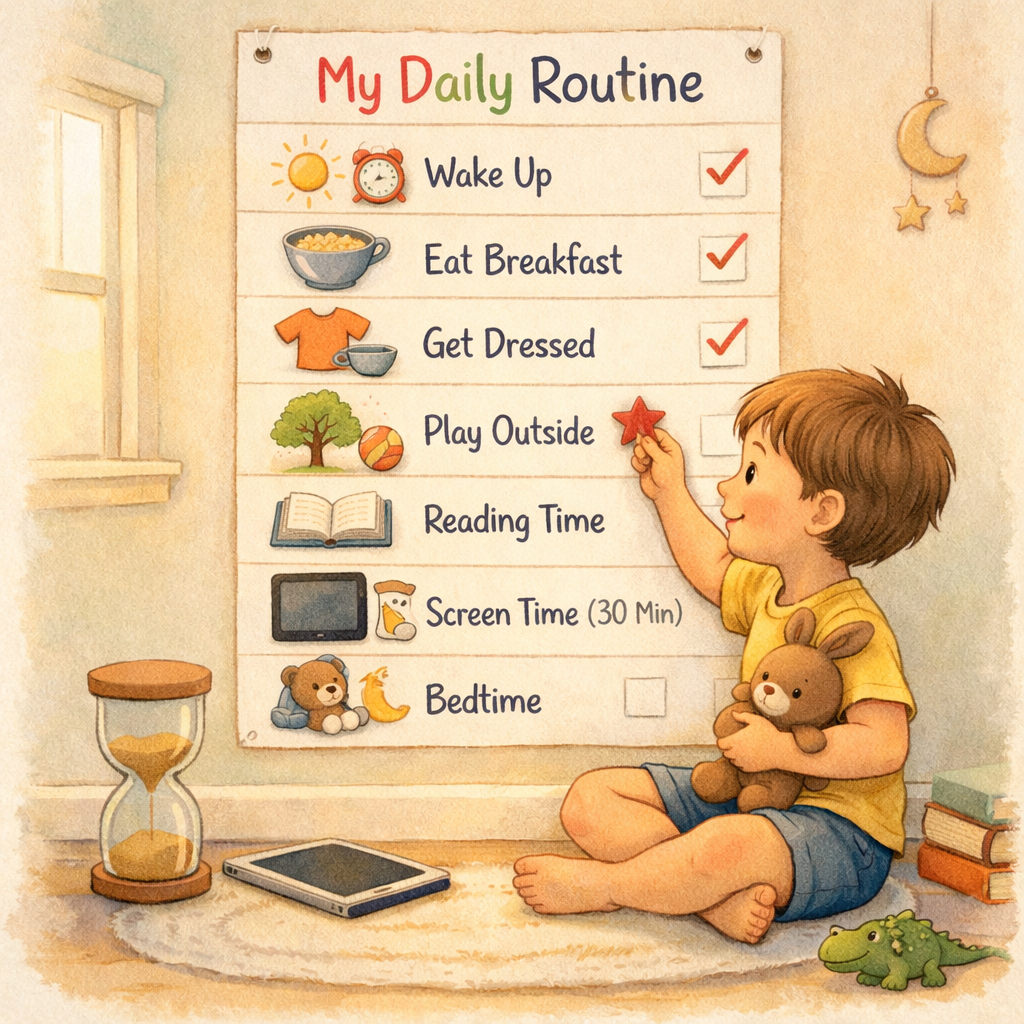
Reducing screen time can be simple with a consistent, gentle approach. Start by making a family media plan that sets clear rules about when and where screens are allowed—this helps prevent confusion and arguments.
Model healthy habits, as children imitate parents. Putting your phone away during meals or playtime shows screens aren’t the priority. Instead of using screens to calm tantrums, offer other ways for your child to manage emotions.
Try these strategies:
- Screen-free zones: Keep devices out of dining areas and bedrooms.
- Set time limits: Use timers to enforce agreed-upon screen time.
- Promote other activities: Encourage unstructured play, outdoor time, and hobbies without screens.
- No screens before bed: Turn off devices 30–60 minutes before bedtime for better sleep.
Selecting Quality Apps and Content

When your child does have screen time, the quality of the content matters just as much as the quantity. Aim for educational screen time that is interactive and engaging. The goal is to find digital media that encourages creativity, problem-solving, and learning rather than passive viewing.
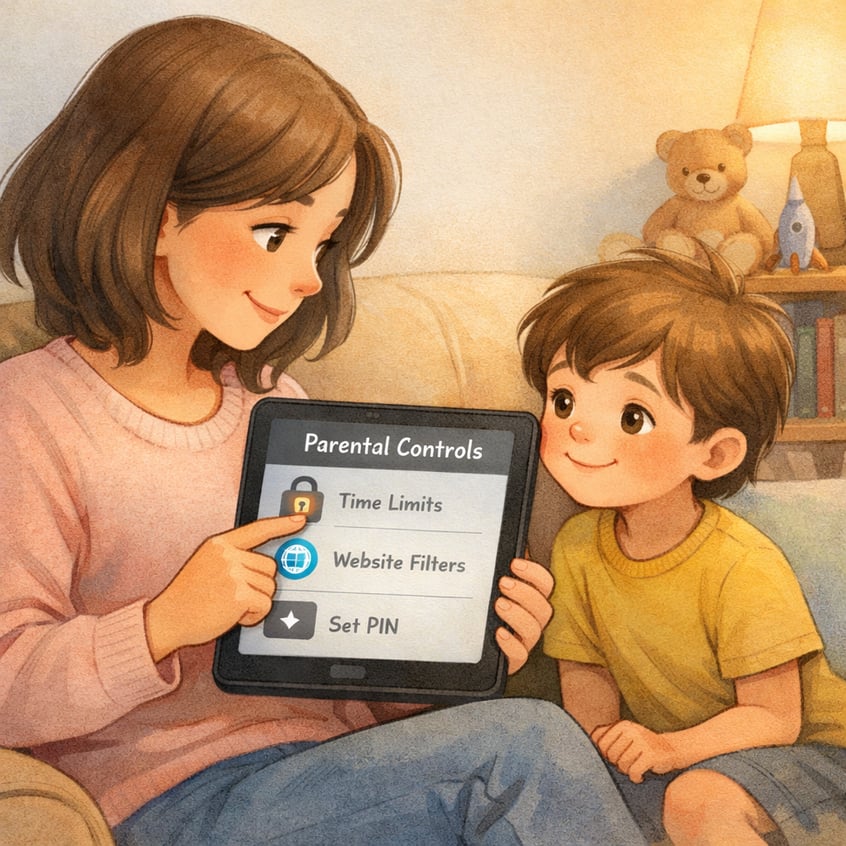
There are resources available to help you find age-appropriate content. Organizations like Common Sense Media provide reviews and ratings for apps, games, and shows, making it easier to choose wisely. Whenever possible, watch or play alongside your child. This helps you monitor the content and turn it into a learning opportunity by discussing what you are seeing together.
To make screen time more beneficial, consider these tips:
- Choose interactive apps that require your child to think and participate.
- Look for educational programming from trusted sources that align with your child's interests.
- Avoid content with fast pacing or distracting elements.
- Use co-viewing to help your child connect what they see on screen to the world around them.
Conclusion
In conclusion, establishing screen time guidelines for kids is essential in fostering their overall development and well-being. By adhering to age-appropriate recommendations and being mindful of the quality of content consumed, parents can create a balanced digital environment. Encouraging healthy habits, such as setting boundaries and engaging in alternative activities, helps mitigate the potential negative effects of excessive screen time. As we navigate this digital age, prioritizing our children's health and development should remain at the forefront.
For further guidance on implementing these practices, feel free to reach out for consultation or call daar at 02 9133 2500 for assistance or resources.
Frequently Asked Questions
Is video calling with family counted as screen time?
No, video chatting with family or friends is generally not counted toward screen time limits for young children. Experts consider a video chat an active and social interaction, which can help foster communication skills and social development. It is the only exception to the "no screen time" rule for children under two years.
What are signs a toddler is having too much screen time?
Signs that your child may be getting too much screen time include increased irritability or anxiety when not using a device, difficulty concentrating on other tasks, sleep problems, and withdrawal from social activities. These behavioral impacts can signal that it's time to reevaluate your young kid's screen use.
Are there exceptions to screen time guidelines, like illness or travel?
While the guidelines are designed for daily life, there can be exceptions for special situations like illness or long-distance travel. The only official exception to passive screen time is video chatting. However, many parents find screens helpful in these challenging moments. The key is to return to your normal routine afterward.
.svg)




.svg)