
.png?width=48&height=48&name=Group%201%20(3).png)
























17 April, 2026

The Importance of 7–9 Hours of Sleep for Kids: A Parent’s Guide to Healthy Growth
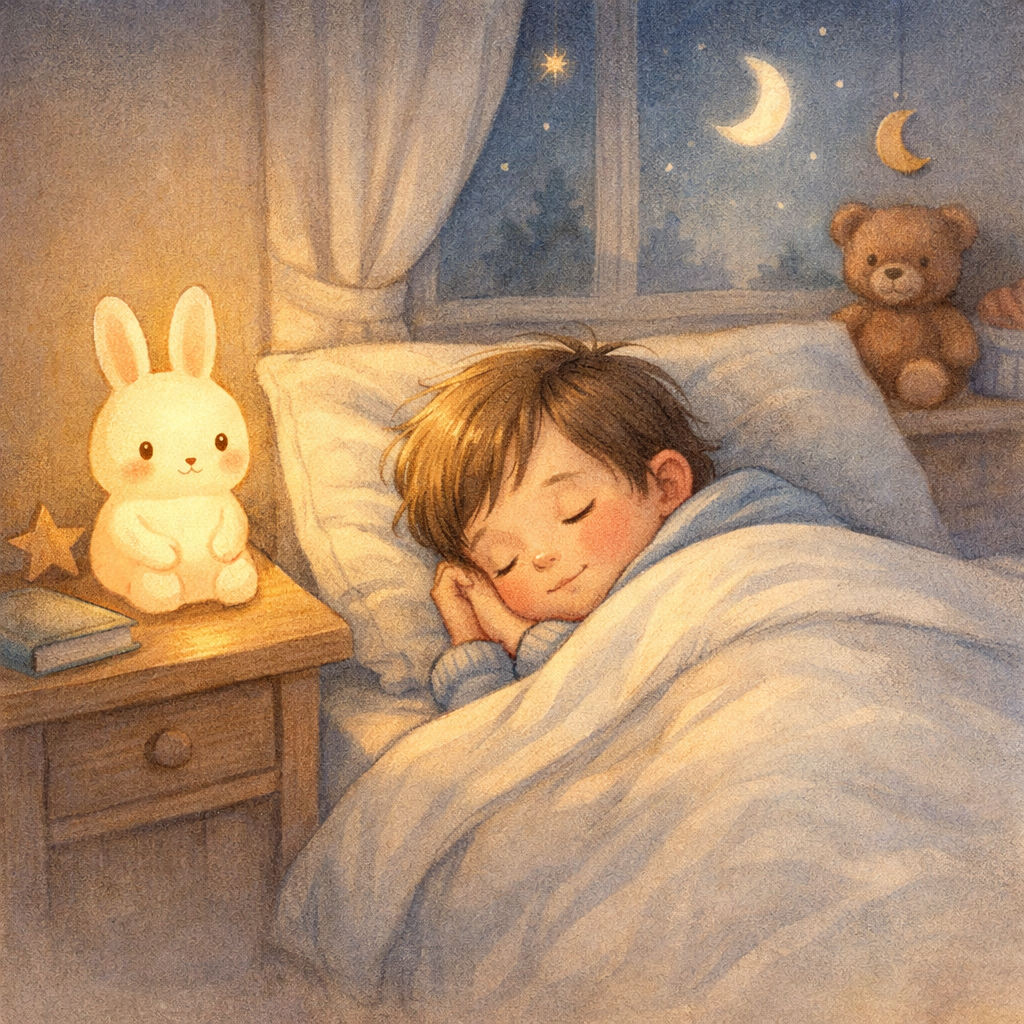
Sleep is often overlooked in busy family life, but it is one of the most powerful tools for supporting a child’s development. While homework, nutrition, and physical activity are all essential, none of them can fully compensate for poor sleep. In fact, sleep is the foundation that allows everything else to work properly.
For many school-aged children and older kids, getting 7–9 hours of quality sleep each night is essential for maintaining optimal physical health, emotional stability, and cognitive performance. However, modern lifestyles—filled with screen time, irregular schedules, and overstimulation—often make it difficult for children to consistently get the rest they need.
This guide will help you understand why 7–9 hours of sleep matters, how it affects your child’s body and brain, and what you can do as a parent to build strong, healthy sleep habits that support lifelong well-being.
Why 7–9 Hours of Sleep Matters for Kids
Sleep is not just about feeling rested—it is an active biological process where the brain and body repair, grow, and recharge. When children consistently get 7–9 hours of high-quality sleep, several critical developmental processes occur.
1. Supports Brain Development and Learning
During sleep, the brain is incredibly active. It processes everything a child has learned during the day—whether it’s new vocabulary, math skills, or social interactions.
One of the most important processes that happens during sleep is memory consolidation. This is when the brain takes short-term information and converts it into long-term memory. Without enough sleep, this process is disrupted, making it harder for children to retain what they learn in school.
Sleep also strengthens the prefrontal cortex, the part of the brain responsible for:
- Attention and focus
- Decision-making
- Problem-solving
- Impulse control
Children who consistently get enough sleep are more alert, better at concentrating, and more capable of handling complex tasks. On the other hand, sleep-deprived children often struggle with attention, forget instructions, and may appear distracted or hyperactive.
2. Boosts Physical Growth
One of the most fascinating aspects of sleep is its direct connection to physical growth. During deep sleep, the body releases human growth hormone (HGH), which plays a vital role in:
- Bone growth
- Muscle development
- Tissue repair
- Overall physical maturation
The majority of this hormone is released during the early part of the night, especially in deep sleep stages. If a child does not get enough sleep—or if their sleep is frequently interrupted—this hormone release can be reduced.
Over time, poor sleep can:
- Slow down growth
- Delay physical development
- Affect energy levels
- Impact recovery from physical activity
This is why consistent, uninterrupted sleep is just as important as nutrition when it comes to healthy growth.
3. Improves Emotional Regulation
If you’ve ever noticed your child becoming unusually irritable or emotional after a late night, you’ve seen firsthand how sleep affects mood.
Sleep plays a critical role in regulating the brain’s emotional center, known as the amygdala, and its connection to the prefrontal cortex. When children are well-rested, they are better able to:
- Manage frustration
- Handle disappointment
- Stay calm under stress
- Express emotions appropriately
When sleep is lacking, the brain becomes more reactive. This can lead to:
- Mood swings
- Increased irritability
- Emotional outbursts
- Difficulty coping with small challenges
In some cases, chronic sleep deprivation can even mimic symptoms of anxiety or attention disorders. Simply improving sleep can often lead to noticeable improvements in behaviour and emotional balance.
4. Strengthens the Immune System
Sleep is essential for maintaining a strong immune system. While a child sleeps, the body produces proteins called cytokines, which help fight infections, inflammation, and stress.
Children who consistently get enough sleep are:
- Less likely to get sick
- Better able to recover from illness
- More resilient to everyday stressors
On the other hand, insufficient sleep weakens the immune response, making children more vulnerable to colds, flu, and other common illnesses.
5. Supports Energy, Focus, and Daily Performance
Sleep directly impacts how children feel and function throughout the day. Kids who get 7–9 hours of sleep typically:
- Wake up feeling refreshed
- Have stable energy levels
- Stay engaged in school
- Participate actively in activities
In contrast, children who don’t get enough sleep may:
- Feel constantly tired
- Struggle to stay awake in class
- Have difficulty completing tasks
- Lack motivation
This can affect not only academic performance but also confidence and self-esteem.
What Happens When Kids Don’t Get Enough Sleep?
Sleep deprivation doesn’t always look like yawning or falling asleep during the day. In children, it often shows up as behavioural or emotional changes.
Common effects of insufficient sleep include:
- Difficulty concentrating
- Poor academic performance
- Increased irritability or aggression
- Hyperactivity or impulsive behaviour
- Frequent illnesses
- Trouble waking up in the morning
Over time, chronic sleep deprivation can also impact long-term development, including mental health and physical growth.
Tips to Help Kids Get 7–9 Hours of Sleep
Helping your child get enough sleep doesn’t require complicated solutions. Small, consistent habits can make a big difference.
Establish a Consistent Bedtime Routine
Children thrive on predictability. Set a fixed bedtime and wake-up time—even on weekends. A consistent routine trains the body’s internal clock and makes falling asleep easier.
A simple bedtime routine might include:
- Bath time
- Brushing teeth
- Reading a book
- Quiet conversation or reflection
Doing the same steps each night signals the brain that it’s time to wind down.
Limit Screen Time Before Bed
Screens are one of the biggest obstacles to good sleep. The blue light emitted from devices suppresses melatonin, making it harder to fall asleep.
To improve sleep quality:
- Turn off screens at least 1 hour before bedtime
- Avoid TVs, tablets, and phones in the bedroom
- Replace screen time with calming activities
Create a Sleep-Friendly Environment
A child’s bedroom should promote relaxation and comfort. Ideal sleep conditions include:
- A cool room temperature
- Minimal noise
- Low lighting or darkness
- Comfortable bedding
You can also use blackout curtains or white noise if needed.
Encourage Daily Physical Activity
Physical activity helps regulate energy levels and supports deeper sleep. Encourage at least 60 minutes of active play each day.
Outdoor play is especially beneficial because natural sunlight helps regulate the body’s internal clock.
Watch Evening Diet and Habits
What children eat and drink in the evening can affect sleep.
Try to:
- Avoid sugary snacks close to bedtime
- Limit caffeine (especially in older kids and teens)
- Offer light, balanced evening meals
Heavy or stimulating foods too close to bedtime can make it harder to fall asleep.
Teach Relaxation Techniques
Some children have trouble winding down, especially after busy days. Teaching simple relaxation techniques can help.
Examples include:
- Deep breathing
- Gentle stretching
- Listening to calming music
- Guided bedtime stories
These practices help lower stress hormones and prepare the body for sleep.
Creating a Healthy Sleep Culture at Home
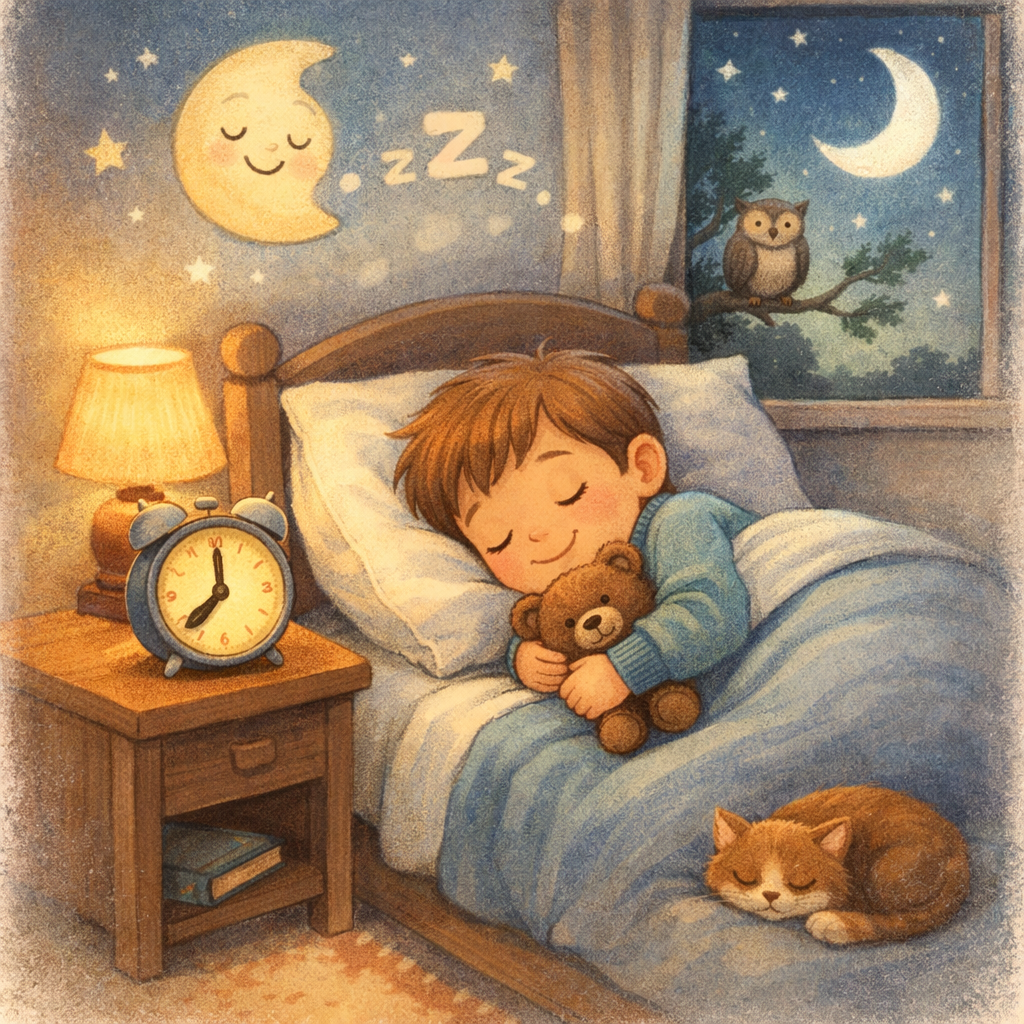
Healthy sleep habits are easier to maintain when the entire family supports them. Children are more likely to follow routines when parents model good behaviour.
Consider:
- Keeping consistent sleep schedules for the whole family
- Creating screen-free evenings
- Prioritizing downtime before bed
- Talking openly about the importance of sleep
When sleep becomes a shared family value, it’s easier to maintain long-term habits.
Help your child thrive by making sleep a priority
Not an afterthought. Start building a consistent bedtime routine today and ensure your child gets the 7–9 hours of quality sleep they need every night.
Better sleep means better focus, stronger health, improved mood, and greater success in school and life.
Reach out for a consultation or call daar at 02 9133 2500 for more expert parenting tips and practical guidance on child development, sleep, and wellness.
Frequently Asked Questions (FAQs)
1. Is 7–9 hours of sleep enough for all kids?
Sleep needs vary by age. While 7–9 hours may be appropriate for older children and teens, younger children—especially toddlers and preschoolers—typically need more sleep (10–14 hours including naps). It’s important to adjust sleep duration based on your child’s age and individual needs.
2. What happens if kids don’t get enough sleep?
Lack of sleep can affect nearly every aspect of a child’s development. It can lead to poor concentration, behavioural issues, weakened immunity, mood swings, and slower physical growth. Over time, chronic sleep deprivation may also impact mental health and learning ability.
3. How can I tell if my child isn’t getting enough sleep?
Common signs include:
- Difficulty waking up in the morning
- Daytime sleepiness
- Irritability or mood swings
- Trouble focusing in school
- Frequent illnesses
If you notice these signs regularly, it may be time to adjust your child’s sleep routine.
.svg)




.svg)