
.png?width=48&height=48&name=Group%201%20(3).png)























2 February, 2026

Misbehaviour in Kids: Tips for Positive Discipline
Introduction
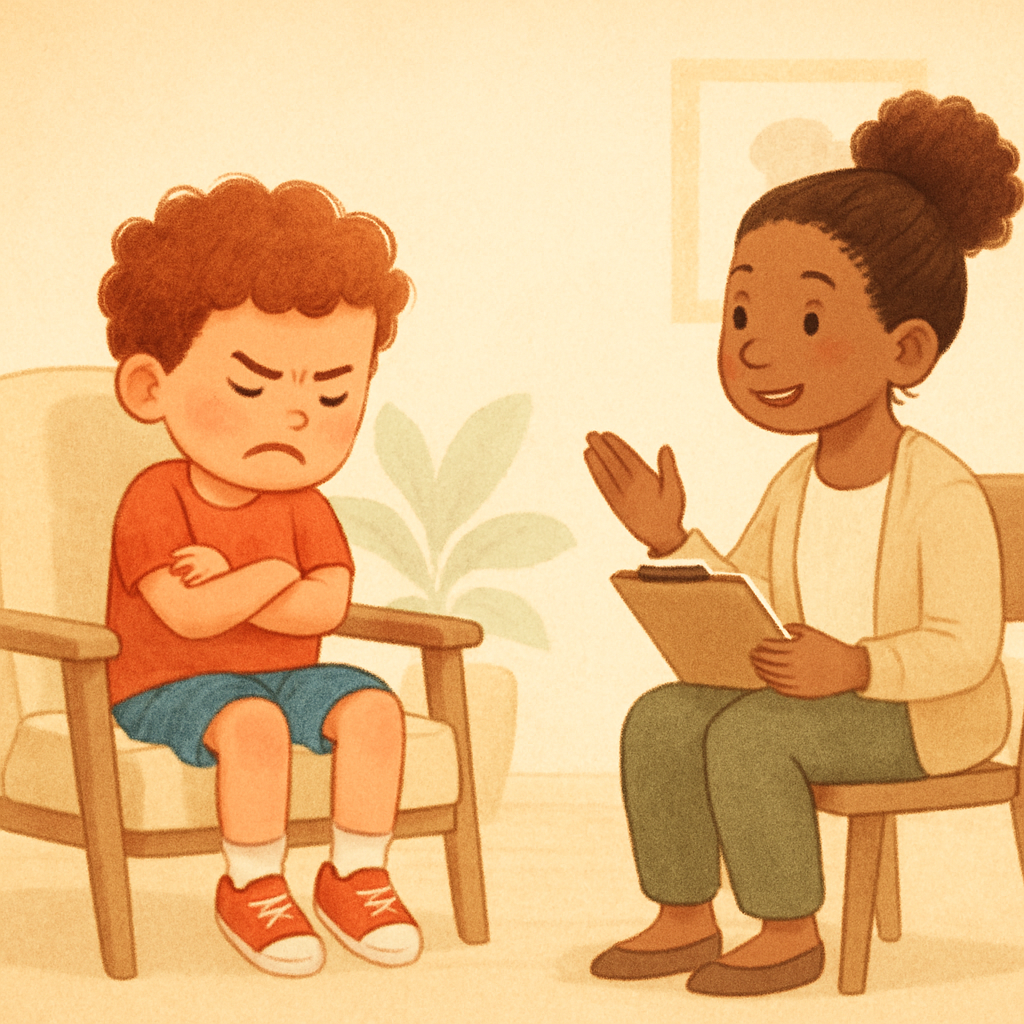
Dealing with misbehaviour in children can be one of the most stressful parts of parenting. From toddler tantrums to defiance in older children, these actions are often a way for kids to communicate what they can't say in words. Understanding that behaviour is communication is the first step toward a more positive approach. Instead of just reacting, you can learn to see what’s behind the behaviour, which is crucial for your children’s mental health and building a stronger family connection.
Key Highlights
- Children's misbehaviour is often a form of communication for unmet needs or big emotions they can't express. Common causes for this type of behaviour include emotional triggers, environmental factors, and a lack of problem-solving skills. The film 'Misbehaviour' explores misbehaviour more broadly by showing how acts of rebellion or defiance can be expressions of deeper issues or desires for change, much as children use misbehaviour as a form of communication. The characters in the film display misbehaviour as a response to societal pressures and environmental factors, connecting it to the broader understanding of misbehaviour as purposeful and rooted in context.
- Common causes for this type of behaviour include emotional triggers, environmental factors, and a lack of problem-solving skills.
- Positive discipline focuses on teaching kids to make positive choices rather than punishing negative behaviours.
- Effective strategies include staying calm, setting clear boundaries, and teaching communication skills.
- For persistent behavioural issues, parent management training can help you learn techniques to guide your child.
- Understanding the root cause is key to responding with empathy and effective strategies.
Common Causes of Misbehaviour
When your child acts out, it’s easy to get frustrated. However, there’s usually an underlying reason for their actions. Often, misbehaviour is a signal that your child is struggling with big emotions they don't know how to handle.
Factors like anxiety, frustration, or even hunger and tiredness can lead to behavioural issues. Other times, environmental factors like peer influence or family stress can play a significant role. Figuring out the "why" behind the behaviour is key to finding a solution. We will explore some emotional and environmental factors contributing to misbehaviour.
Emotional Triggers and Big Feelings
Young children feel many emotions but often lack the words to express them. Overwhelming feelings can lead to outbursts, which are their way of communicating a need for help with anger, sadness, or frustration. They do not yet have the impulse control or self-regulation skills adults possess.
This is linked to brain development: in young kids, emotion outweighs logic, so they react based on feelings rather than reasoning—they aren’t misbehaving on purpose.
Your role is to guide them. By helping children name their feelings and offering calm support, you teach them emotional management skills. Over time, this builds emotional intelligence and improves how they communicate their needs.
Environmental and Family Influences
A child’s environment and family relationships strongly influence their behaviour. Changes in routine, home stress, or inconsistent parenting can lead to acting out. Children in dysfunctional families—especially where poverty or poor parenting exists—are at higher risk for behavioural issues.
It’s normal for kids to test limits as they learn about boundaries and consequences. Peer influence also plays a big role; children may copy misbehaviour seen at school or on TV without understanding it.
Providing a stable, consistent environment helps prevent many of these problems. Modeling good behaviour and setting clear rules helps your child feel secure and understand what’s expected of them.
Recognizing Tantrums in Kids
Tantrums are common in young children and often involve crying, screaming, or aggression when emotions overwhelm them. Frequent tantrums can be exhausting for parents and scary for kids.
Rather than seeing tantrums as manipulation, recognize them as signs of distress. Children lack the skills to calm themselves when overwhelmed. Understanding this helps you respond more effectively. Next, we’ll explore why tantrums happen in early childhood and how they change as kids grow.
The Role of Tantrums in Early Childhood
Tantrums are a normal part of growing up for young kids. Toddlers and preschoolers often can't express themselves well, so they show their feelings through tantrums—not to fight you, but because they lack better ways to communicate.
These intense emotions can be scary for kids, who can't calm down on their own yet. That's when they need your support. By staying calm and reassuring them, you help them feel safe and cared for, showing that their feelings matter and that they can trust you.
Respond with kindness and steadiness. Instead of punishing tantrums, guide your child on what to do next time. Let them know you understand their feelings, and help them find simple words for their emotions. This makes it easier for them to communicate and reduces tantrums as they grow.
Are Tantrums Different for Toddlers and School-Aged Children?
Tantrums vary by age. In young children, they're usually a normal response to frustration from limited communication skills and tend to fade as kids learn to express themselves.
In older children, frequent or intense tantrums may signal deeper issues like anxiety, ADHD, or learning disabilities. These outbursts can be more aggressive and disruptive at home or school. If this is the case, it's important to determine whether the behaviour is temporary or if your child needs additional support to develop healthier coping skills.
Positive Discipline Strategies for an Angry Child
When your child is angry, your response can either escalate the situation or teach a valuable lesson in emotional regulation. Positive discipline focuses on guiding your child toward making positive choices and developing communication skills. The goal is to build their emotional intelligence so they can handle anger constructively next time.
Instead of focusing on punishment for behavioural issues, this approach helps you teach your child how to solve problems and manage their feelings. Let's explore some specific calming techniques and the importance of setting clear boundaries to help your angry child.
Calming Techniques for Moments of Anger
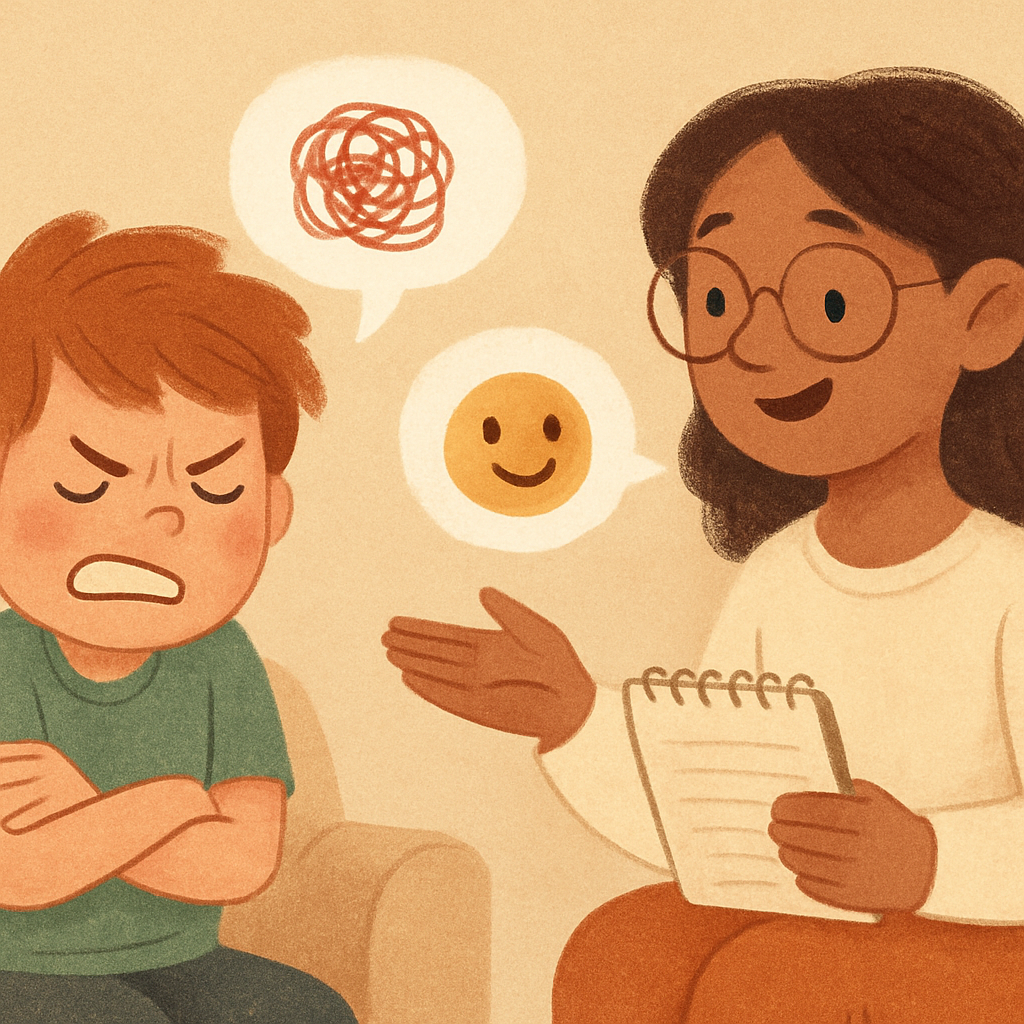
The first step in helping an angry child is to stay calm yourself. Modeling composure teaches your child how to manage their emotions. Responding with anger only escalates the situation. Instead, speak steadily and acknowledge their feelings without giving in to demands. This approach helps build emotional intelligence by showing that emotions can be handled calmly.
After setting a calm tone, use strategies to help your child regain control. For younger kids, distraction often works well; for older ones, giving them space may be better—it’s about what suits your child.
Try these techniques:
- Time-outs: For children under 8, a brief time-out in a quiet spot can help them reset.
- Remove yourself: With older kids, stepping away removes the attention they might seek and keeps you safe.
- Praise calm behaviour: Once your child calms down, praise their self-control to reinforce positive behaviour.
Setting Clear Boundaries and Expectations
Consistency is a key parenting tool. Children test limits to learn rules, so clear and predictable boundaries reduce pushback—especially with routines like homework or bedtime.
Stick to your rules. If you give in to whining or tantrums, your child learns that misbehaviour works and will repeat it. Staying firm, even when it’s hard, shows you mean what you say. Experts agree: consistency is essential for managing behaviour.
Offer choices within your boundaries, such as, "You can clean your room now or after dinner." This gives your child control while ensuring tasks are done. Clear and consistent expectations create structure and help your child feel secure.
Conclusion
In conclusion, managing misbehaviour in kids requires patience, understanding, and a positive approach to discipline. By recognizing the root causes and employing effective strategies, parents can foster an environment where children feel secure and understood. Techniques such as calming moments of anger and setting clear expectations not only help in correcting behaviour but also promote emotional growth. Remember, it’s about guiding them towards better choices while nurturing their emotional well-being. Your journey towards effective parenting starts with understanding and compassion.
If you’re seeking further support or resources on positive discipline, don’t hesitate to reach out for a consultation or call daar at 02 9133 2500!
Frequently Asked Questions
When Should Parents Be Concerned About Repeated Misbehaviour?
You should be concerned when your child’s behaviour is extreme for their age, happens frequently, and disrupts family or school life. If behavioural issues are intense and persistent, and your child’s behaviour seems out of control, it may be time to seek professional advice to rule out underlying behaviour problems.
How Are Behavioural Disorders Connected to Misbehaviour?
Persistent misbehaviour can sometimes be a symptom of underlying behavioural disorders. Conditions like attention deficit hyperactivity disorder (ADHD), oppositional defiant disorder (ODD), and conduct disorder can cause children to be defiant, impulsive, and aggressive. Misbehaviour can also be linked to anxiety, depression, and autism spectrum disorder.
What Are the Early Warning Signs of Serious Behaviour Problems?
Early warning signs include frequent and severe temper tantrums, constant arguments with adults, and refusal to obey rules. Other red flags are aggressive behaviour toward people or animals, frequent lying, and other forms of disruptive behaviour that are outside the norm for a child’s age. These may point to underlying mental health issues.
.svg)




.svg)