
.png?width=48&height=48&name=Group%201%20(3).png)
























2 December, 2025

Getting help for disability can feel hard at times. But, when you know about the tools out there, it gets much easier. The NDIS offers something called behaviour support through Positive Behaviour Support (PBS). This way does not use punishment. It is about understanding, caring, and helping the person. A support plan is made to fit your needs. This helps you feel good and learn new skills. With behaviour support, you or the person you care about can feel more sure, handle each day better, and become more independent.
Key Highlights
-
Positive Behaviour Support (PBS) is a way to help people feel good and have a better life. This method uses facts and helps you lower behaviours of concern.
-
The main goal is to find out why the behaviour happens and not only to stop it.
-
A large part of behaviour support is making a support plan that fits you. You and your support network work together for this plan.
-
The aim is to help you show positive behaviour. You can do this when you learn new skills and when you are in a supportive environment.
-
PBS helps people in their day by giving them ways to talk better and to handle feelings. It also helps you feel good and feel calm.
Understanding Positive Behaviour Support (PBS) in the NDIS
In the National Disability Insurance Scheme (NDIS), behaviour support helps people who show behaviours of concern. A positive behaviour support practitioner works with you, your family, and your support team. The goal is to find out why these behaviours happen.
The process begins when people make a behaviour support plan. This is a simple support plan with clear steps you can use before things get hard. A behaviour support plan shows everyone how to give a supportive environment. This can help lower things that upset someone and can bring in more positive change. We work together on this, and the aim is to help your overall quality of life get better.
What Is Positive Behaviour Support?
Positive Behaviour Support is a way to help and understand a person’s behaviour. Instead of reacting only when there is challenging behaviour, this support looks for reasons behind it. A person may act a certain way because of communication difficulties, unmet needs, or things like the way they feel the world through their senses. Behaviour support is based on the idea that every action happens for a reason. When you know why someone does something, it can be the first step to help them show their needs in a better way. This helps with positive behaviour and gives people, families, or caregivers good ways to help.
This practice is based on real proof. It uses behaviour analysis to make plans that help and respect each person. The goal is to make life better for them. This is done by teaching new skills and changing things in their world. Doing this helps build a place where good actions can happen more often.
In the end, PBS is something the whole team works on together. It needs everyone in the support network to join in. The person, their family, support workers, and other professionals all have a part. They talk and work side by side. This helps them keep the plan the same and make it work well. Working as a team leads to positive change and helps people feel better with time.
How Does PBS Work Within NDIS Services?
Implementing positive behaviour support at NDIS happens in steps. A specialist behaviour support person will begin with a full check. They want to learn about what you are good at, what you need, and what might make tough behaviours happen. The specialist will watch what is going on. They also talk with you and the support people who work with you.
The practitioner makes a support plan that is right for the person. The support plan helps with behaviour. It works in other ways too. It helps the person learn new skills. It also changes where they spend their time. Support workers and family members be trained so they can follow the plan every day. This helps everyone work together and know what to do.
Some behaviour support strategies that you often find in a plan are listed below:
-
Helping them learn new ways to talk with others and feel at ease when they are around people. This is done with social skills.
-
Changing things at home or in school. Doing this can help lower stress for them.
-
Finding safe and good ways for them to manage when they act out in a bad way.
-
Showing them how to deal with stress and handle anger.
Main Principles of Positive Behaviour Support

Positive Behaviour Support is based on a set of simple rules. The support plan uses these rules to be fair, kind, and helpful. A behaviour support plan cares about human rights. Its main goal is to help people feel better and happy in their life. It is not there to control what you do. Instead, it wants to improve your quality of life. There is no punishment in this method. It works to understand you and give you the support you need for positive behaviour.
PBS puts the person first. It gives behaviour support that matches what each person needs. All the positive behaviour support strategies come from research. This is how people get the best results.
Person-Centered Approach
The person-centered approach is key for good behaviour support. It puts you first in every step. This means the help you get is made for you, not just the same for all. The support looks at what you do well, what you like, your aims, and what you need. People learn positive behaviour better when the support fits who they are.
Your behaviour support plan is created with you; it is not just made for you. The people helping work with you and your support staff. They do this so your support plan fits what is important to you. They might look at how you talk, what you do every day, and your mental health. This helps them make a behaviour support plan that works best for you.
This way, you get to be in control. You feel more in charge and feel good about your choices. The help you get will be important to you and fit your life. This helps you feel more independent. You feel better overall. It can also help you deal with fewer strict rules or limits.
Evidence-Based Practice and Assessment
Another big idea of PBS is that it focuses a lot on practice that works. All the plans and ways to do things in PBS are based on what studies and real-life work show will help people. No one has to guess about what may work or not. They use clear steps that come from looking at behaviour in a smart way.
The first step is to fully check the situation. You need to get the right information for this. There are a few ways to do it. Try direct observation, talk to the person, and speak with people in their support network. You should also collect data at this time. A careful look makes it clear why the behaviour happens. Knowing this is key if you want to make a good behaviour support plan. A strong support plan will help things get better for all the people involved.
The assessment is made to collect and write down every important detail in the right way. This helps us put together a good plan that has all that you need.
|
Stage of Assessment |
Purpose |
|---|---|
|
Interim Behaviour Support Plan |
Outlines immediate strategies to manage risk while a full assessment is underway. |
|
Functional Behaviour Assessment |
A detailed investigation to understand the triggers, patterns, and reasons for the behaviour. |
|
Comprehensive Behaviour Support Plan |
A detailed, individualized plan with proactive and reactive strategies for long-term support. |
Benefits of Positive Behaviour Support for People with Disabilities
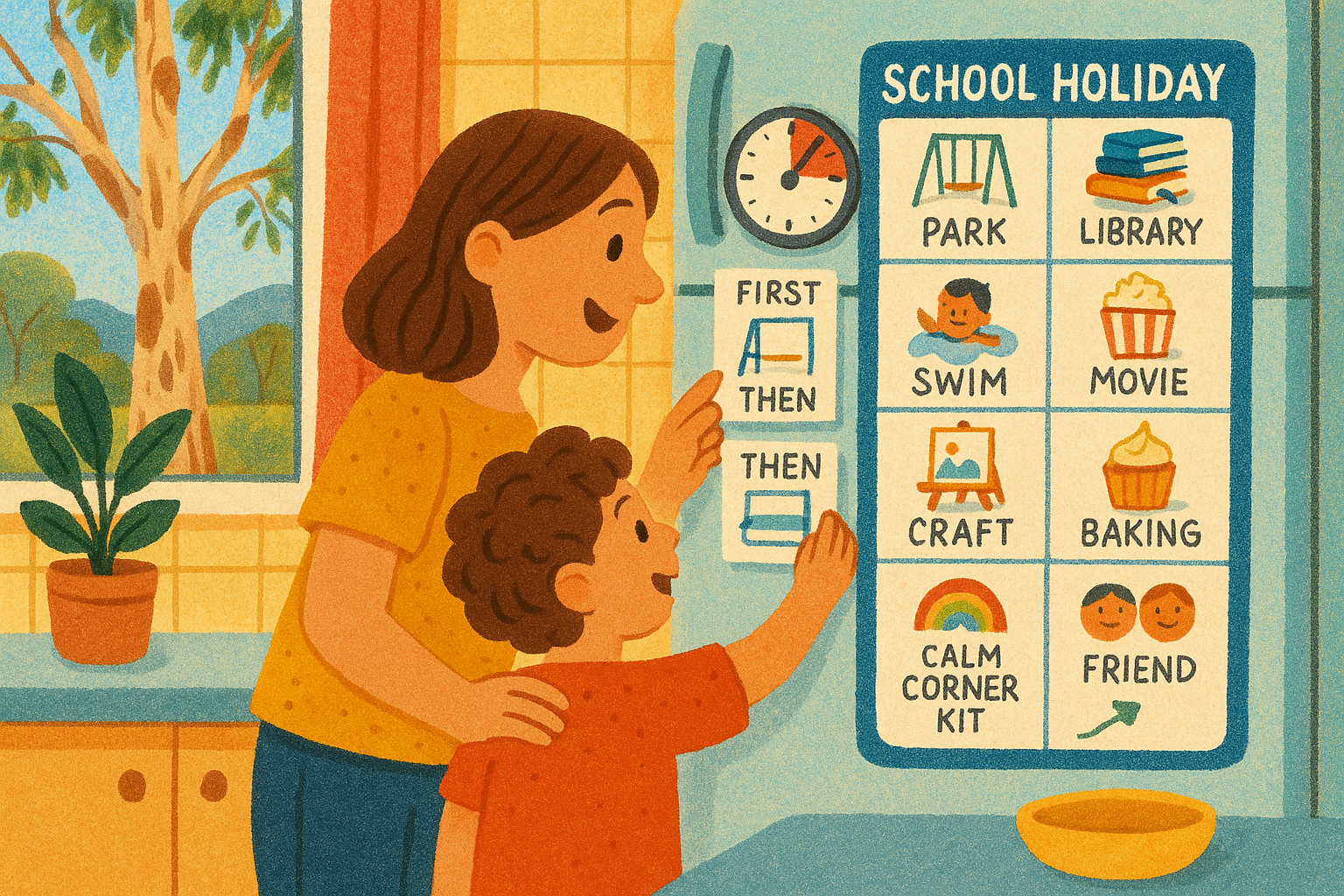
The benefits of behaviour support be more than just stopping tough behaviours. The main idea is to make your overall quality of life better. By helping you grow your skills and making your spaces feel right, positive behaviour support helps you see real and lasting positive change. It is about helping your life in the ways that matter most.
With a good behaviour support plan, you get help to grow your communication skills. A support plan also lets you practice your social skills. You learn to handle your feelings in a better way. When you have these skills, you feel ready to face the world and what comes for you. A behaviour support plan helps you get new chances and meet new friends. You feel more sure of yourself around people with this support plan.
Supporting Independence and Social Inclusion
One big plus of PBS is that it makes people more independent. You feel like you belong in your community. PBS teaches you new skills. You get what you need to join in and feel part of the group. With PBS, you can learn to tell others what you need or how to handle social times better. When you learn these new skills, you feel more sure of yourself.
Social skills training is a key part of a support plan. It helps you get better at social skills. This can help you build stronger bonds with people. You also learn how to read social cues. It teaches you how to set your own limits. As you practice, you may feel more relaxed when using community services. You might also feel more confident joining social activities with other people.
A strong support network that sticks to the PBS plan plays a big part in your life. Your family and support workers always be there to help you feel better and try your best. They help you feel safe when you want to start something new. This helps you get close with other people and break down what stops you from being part of a group.
Improving Quality of Life
The main goal of Positive Behaviour Support is to help you get a positive change in your life. It is all about making your overall quality of life better. This way looks at your whole well-being, not just your behaviour. The plans made for behaviour support try to make you feel strong. They want you to have a good and more fulfilling life, with a focus on positive behaviour and quality of life.
A big part of this is building skills for emotional regulation. When you see and handle feelings like stress, frustration, and anxiety, you feel less upset inside. This helps stop many hard-to-handle actions. It also gives you more calm and control over your life.
PBS helps you learn skills you use in your daily life, like looking after yourself and fixing problems. When you get better at these, you feel more sure about what you can do. You also begin to do more things by yourself. This means PBS is not just about one part of life. It helps your quality of life and improves your overall quality of life for a long time.
Who Provides Positive Behaviour Support Under the NDIS?
Under the NDIS, you get behaviour support from a team of trained experts. Their focus is on positive behaviour. The main people who help are behaviour support practitioners who be registered with the NDIS. They have training to see what is going on with behaviour and to make support plans that work.
They often work with a team that has many health experts. The team can have people like speech pathologists, psychologists, and occupational therapists. All of them help with your support plan. They make sure to take care of every part of your well-being. This includes how you talk and the things you do each day.
Qualifications of NDIS Behaviour Support Practitioners
NDIS behaviour support practitioners are skilled people. They have special training and the qualifications they need. To give specialist behaviour support, they must follow the rules set by the NDIS Quality and Safeguards Commission. This makes sure they have the right knowledge to help people with complex needs.
Most of the time, you need a degree from a university to work in this field. You also need a lot of work experience in the disability sector. People who work with these qualifications learn how to look at each case. They study behaviour and make plans that fit each person. They work with people and their support people to help everyone get good results.
Ongoing learning on the job matters a lot. People in this field keep learning so they know the newest ways to help you. This lets them give the best support to others. If you go with someone who is registered, you know they have good training. They can help you in the right way.
Roles and Responsibilities in Service Delivery
The work of behaviour support practitioners in Positive Behaviour Support has some important parts. They lead each step of the process. This begins with the first checkup and keeps going while the support plan is in use. They work with you and everyone in your support network to help get good results.
A big part of what they do is talk with you. This is called the consultation process. They do this to help find out what you, your family, carers, and support workers feel and need. They use what they learn to make a plan that fits you.
Key responsibilities of a practitioner include:
-
We do a Functional Behaviour Assessment to see why the behaviours happen.
-
Then we make and write down a clear behaviour support plan.
-
We train your family and support workers to use the plan’s steps every time.
-
Our team looks at how things turn out and changes the support plan when needed.
Ready to help your child thrive?
Book your consultation now with daar.
Frequently Asked Questions
Is Positive Behaviour Support Suitable for Adults as well as Children?
Yes, that's true. Positive Behaviour Support is a flexible way to help people. You can use behaviour support for children and adults. The idea behind positive behaviour is easy to change, so it can fit a person's age, life, and their complex needs. You can use it at home, at school, or out in the community. Positive behaviour plans work for people of any age. This makes sure the support fits their needs.
How Can Families Start Accessing PBS Through NDIS?
If your family wants to use behaviour support with the NDIS, you should talk to your support coordinator or Local Area Coordinator (LAC). You can also go straight to a registered provider and refer yourself. After this, the provider will start a consultation process to make a support plan for you. This way, positive behaviour and behaviour support can be in your plan right from the start.
How Is Positive Behaviour Support Different From Restrictive Practices?
Positive behaviour support is not like restrictive practice. It is a proactive way to help people. This means behaviour support tries to find out why someone has behaviours of concern. It also shows them new skills they can use. The main goal is to lower and stop the use of restrictive practice. Restrictive practice might take away a person's rights or limit their freedom of movement.
What are positive behaviour support strategies?
Positive behaviour support strategies focus on enhancing an individual's quality of life by promoting desired behaviours while minimizing challenging ones. Techniques may include personalized plans, proactive environmental adjustments, and teaching new skills. These approaches foster positive interactions and empower individuals to thrive within their communities and personal environments.
.svg)




.svg)