
.png?width=48&height=48&name=Group%201%20(3).png)























15 December, 2025

Exploring Positive Behaviour Support and Its Benefits

Introduction
Welcome! Every action we take, including challenging ones, serves a purpose. When you or a loved one experiences behaviour difficulties, it's often a sign of an unmet need. Positive Behaviour Support (PBS) is a compassionate and effective approach within disability support that helps uncover these reasons and meet each participant’s unique needs. Instead of just focusing on the behaviour, it aims to enhance a person's overall quality of life by creating supportive environments and fostering positive behaviour, leading to greater independence and wellbeing.
Key Highlights
Here are the key takeaways from our exploration of Positive Behaviour Support (PBS): Positive Behaviour Support is a person-centered approach focused on understanding why challenging behaviours occur. The primary goal is to improve a person's quality of life by addressing their unique support needs. There are many examples of successful positive behaviour support interventions. For instance, PBS has been effectively used in schools and residential settings to decrease challenging behaviours and promote positive behaviour, leading to improved quality of life for individuals receiving behaviour support.
-
Positive Behaviour Support is a person-centered approach focused on understanding why challenging behaviours occur.
-
The primary goal is to improve an individual's overall quality of life by addressing their unique support needs.
-
A behaviour support plan offers personalized strategies to reduce behaviours of concern.
-
PBS emphasizes teaching new skills and making environmental changes rather than just managing behaviour.
-
This approach helps foster independence and promotes positive behaviour for long-term success.
Understanding Positive Behaviour Support
So, what exactly is positive behaviour support and how does it work? It's an evidence-based approach that seeks to understand the underlying reasons for behaviours of concern, including communication difficulties. Rather than simply reacting, it uses principles of behaviour analysis to identify what a person might be trying to communicate or achieve through their actions.
The process involves creating a supportive atmosphere where individuals can thrive. This is done by teaching new skills as alternatives to challenging behaviours and using positive reinforcement to encourage these new, more effective ways of communicating and interacting with the world in their daily routines.
Key Principles and Values of Behaviour Support
Behaviour support is rooted in a person-centered approach, recognizing each individual's unique strengths, preferences, and goals. Our friendly team of specialist providers work closely with you and your support network—family, carers, and professionals—to develop a customized plan.
This plan is a long-term strategy focused on understanding the causes of challenging behaviours and finding proactive solutions embedded into your everyday life. The aim is to build skills and confidence, reducing the need for those behaviours over time.
Success relies on teamwork. By collaborating, everyone helps create a positive environment, ensuring strategies are consistently applied for lasting improvements and a better quality of life.
How Positive Behaviour Support Differs from Traditional Behaviour Management
Positive behaviour support (PBS) differs from traditional behaviour management in its focus and approach. PBS is proactive and skill-based, aiming to understand the reason behind behaviours and teach replacement skills in public schools. Traditional methods are often reactive, relying on punishment or restrictive practices that don’t address underlying needs.
Key differences:
-
Proactive vs. Reactive: PBS prevents problem behaviours; traditional methods respond after they occur.
-
Skill-Building vs. Control: PBS teaches new skills; traditional approaches focus on control.
-
Positive vs. Punitive: PBS uses positive reinforcement; traditional methods rely on punishment.
The Importance of Behaviour Support for People with Disability
Behaviour support is vital for individuals with disabilities, addressing obstacles that impact daily life. Difficult behaviours such as challenging behaviours often arise from unmet needs like communication barriers or sensory issues, limiting social, educational, and relationship opportunities.
Positive Behaviour Support (PBS) focuses on understanding these underlying causes to create a supportive environment based on applied behaviour analysis. This approach improves quality of life, builds essential skills for independence, and promotes community inclusion. Compassionate strategies like PBS lead to greater wellbeing and more meaningful lives. Next, we'll explore how these proactive methods encourage independence and boost overall wellbeing.
Enhancing Quality of Life Through Positive Approaches
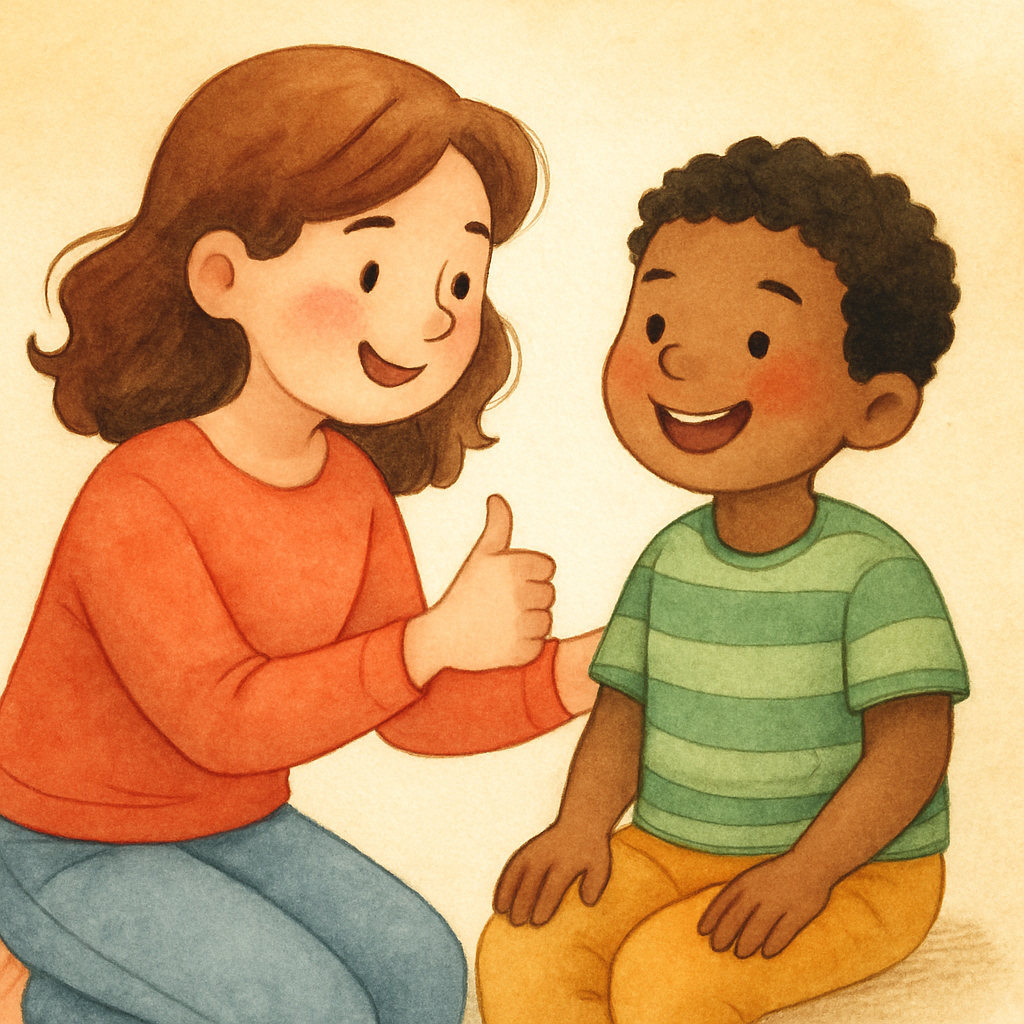
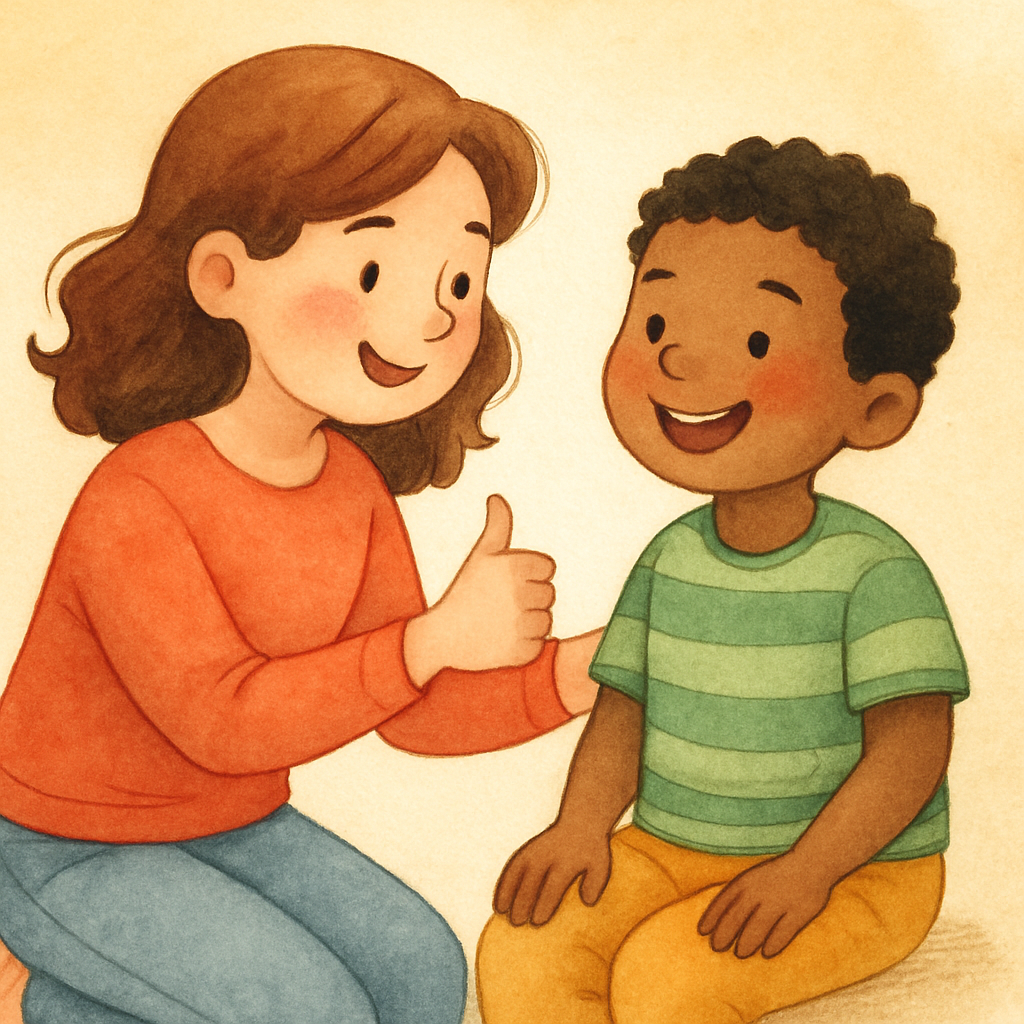
Positive behaviour support services benefit anyone whose quality of life is affected by challenging behaviours, including children and adults with developmental disabilities, autism, or complex needs, especially those impacted by mental health issues. The goal is to improve overall wellbeing, not just manage behaviours.
Support involves creating a positive environment and teaching practical skills—like better communication, emotional management, and daily living tasks—to boost confidence and reduce frustration.
These changes positively impact both individuals and their families or carers, who gain valuable tools for consistent support. This collaborative approach fosters greater independence, community involvement, and a more fulfilling life for everyone.
Promoting Inclusion and Independence
Positive Behaviour Support (PBS) aims to help individuals feel valued and included in their communities. Under the NDIS, PBS supports participants in building relationships and increasing community involvement by developing social skills, including social skills training, and emotional regulation, boosting confidence in social, recreational, and educational settings.
PBS is a collaborative approach between the individual and their support team to create practical strategies for greater independence—like navigating public spaces, building friendships, or managing routines with less assistance.
The goal is to empower people to live more independently. Key outcomes include:
-
Improved communication and social skills
-
Increased confidence in daily tasks
-
Greater community participation
-
Enhanced sense of belonging and self-worth
Developing Effective Behaviour Support Plans
An effective behaviour support plan is the roadmap for implementing positive strategies focused on specialist behaviour support. This written plan is developed in close collaboration with the NDIS participant and their support team. It is a personalized document designed to address the individual’s specific goals and complex needs.
The plan’s purpose is twofold: it guides carers and support workers with practical advice, and it helps the person develop skills to reduce challenging behaviours, including the interim behaviour support plan. In the next sections, we will look at the specific steps involved in creating one of these plans and the crucial role of assessments.
Steps Involved in Creating a Comprehensive Behaviour Support Plan
Developing an effective behaviour support plan is a team effort, often involving specialists like speech-language pathologists or occupational therapists. The process starts with a thorough assessment to identify the individual's strengths and the root causes of their behaviour, ensuring we provide support every step of the way.
Next, the team works closely with the individual and their family members to create a person-centered plan. This includes proactive strategies for teaching new skills and making environmental changes that better support positive behaviour.
Key steps include:
-
Conducting a detailed assessment of the behaviour
-
Involving the individual and their support system in planning
-
Identifying skills to teach as positive alternatives
-
Adjusting the environment to encourage desirable behaviours
-
Building a collaborative team for consistent plan implementation
Role of Functional Behaviour Assessments
Functional Behaviour Assessments (FBAs) are essential for effective support plans, especially in the context of early intervention. An FBA analyzes the reasons behind challenging behaviours, going beyond observation to uncover their purpose. Under NDIS guidelines, this assessment is vital for creating evidence-based support.
Practitioners gather data through observations, interviews, and record reviews to identify patterns, triggers, and consequences that reinforce behaviour.
FBA results guide the behaviour support plan, ensuring strategies target the root cause. This data-driven method is key to successful Positive Behaviour Support.
|
FBA Component |
Description |
|---|---|
|
Understanding Behaviour |
Teaching better ways to communicate and manage emotions, often guided by behaviour analysts. |
|
Person-Centered Approach |
Focusing on individual strengths, preferences, and needs. |
|
Skill Building |
Teaching better ways to communicate and manage emotions. |
|
Environment Modification |
Adjusting surroundings and routines to create a supportive environment. |
Restrictive Practices and Ethical Considerations in Behaviour Support
Discussing restrictive practices and their ethical implications is important for people of all ages. Restrictive practices limit a person’s rights or freedom of movement and are sometimes used as a last resort to prevent harm when someone poses a serious risk to themselves or others.
Positive Behaviour Support aims to reduce and ultimately eliminate these practices while helping to develop healthier habits. Practitioners follow strict ethical guidelines and NDIS regulations to protect dignity and rights, focusing on proactive, positive strategies instead. Next, we’ll review what these practices involve and explore alternatives.
Understanding Restrictive Practices
A restrictive practice involves actions like physical restraint, seclusion (isolating someone), or limiting movement or access to preferred activities. Because these measures infringe on individual rights, they are strictly regulated.
Are they ever necessary? In rare cases of severe behaviours, restrictive practices may be used as a last-resort safety measure. Any use must be legally authorized, documented, and included in a behaviour support plan aimed at reducing and eventually eliminating the practice.
Decisions to use restrictive practices are made with care, involving the individual, their support network, and professionals. The priority is always to find safer, more positive ways to support the person and address underlying causes, ultimately helping them to live more fulfilling, independent lives.
Alternatives to Restrictive Practices in Support Planning
The best way to avoid restrictive measures is to use alternatives. Positive Behaviour Support (PBS) relies on proactive strategies that prevent challenging behaviours before they start. NDIS guidelines recommend that Australian citizens and permanent residents use these approaches in every behaviour support plan.
PBS involves understanding an individual’s triggers and teaching new coping and communication skills, fostering a greater sense of independence. For example, instead of reacting to outbursts, the support team identifies early signs of distress and intervenes with calming activities. Positive reinforcement for desired behaviours is also highly effective.
A strong support plan uses these positive methods, such as:
-
Removing environmental triggers.
-
Teaching emotional regulation and communication skills.
-
Using positive reinforcement for appropriate behaviour.
-
Creating consistent, predictable routines.
Conclusion
In conclusion, Positive Behaviour Support (PBS) is essential for fostering an inclusive and supportive environment for individuals with disabilities. By prioritizing the individual’s needs and preferences, PBS enhances their quality of life while promoting independence and inclusion through a holistic approach. Developing effective behaviour support plans that are rooted in ethical considerations helps ensure that the support provided is respectful and empowering. As we continue to evolve in our understanding of behaviour management, embracing positive approaches can lead to better outcomes for everyone involved. If you’re looking to explore how PBS can make a difference, feel free to reach out for a consultation and discover tailored strategies that can help.
Frequently Asked Questions
What does a Behaviour Support Plan typically include?
A behaviour support plan is a detailed guide created for an individual's specific support needs. It typically includes an analysis of why behaviours occur, a range of proactive behaviour support strategies and effective strategies to build positive skills, and clear instructions for the support team on how to implement the support plan consistently.
How do I get Behaviour Support services under the NDIS?
If you are an NDIS participant, you can access these services if you have the appropriate funding in your plan, such as 'Improved Relationships.' You can then contact a registered provider like Ability Action Australia, which has a team of behaviour support practitioners. If you're not yet a participant, you'll need to complete an Access Request Form on the NDIS website to apply for disability support.
Are restrictive practices ever necessary in positive behaviour support?
Restrictive practices are only ever used as a last resort to ensure safety when dealing with complex needs and severe behaviours of concern, emphasizing the use of restrictive practices. Their use is strictly regulated by behaviour support practitioners and must be part of a formal plan with the clear goal of reducing and eliminating them over time.
Positive behaviour supports? : r/ABA
Positive Behaviour Support (PBS) is a proactive approach aimed at improving individuals' behaviour through understanding and addressing the underlying causes. It emphasizes teaching new skills, enhancing quality of life, and promoting positive environments. PBS fosters collaboration among caregivers, educators, and professionals to create effective strategies for sustainable behaviour change.
.svg)




.svg)