
.png?width=48&height=48&name=Group%201%20(3).png)























29 January, 2026

Understanding Positive Behaviour Support: A Growth Guide
Introduction
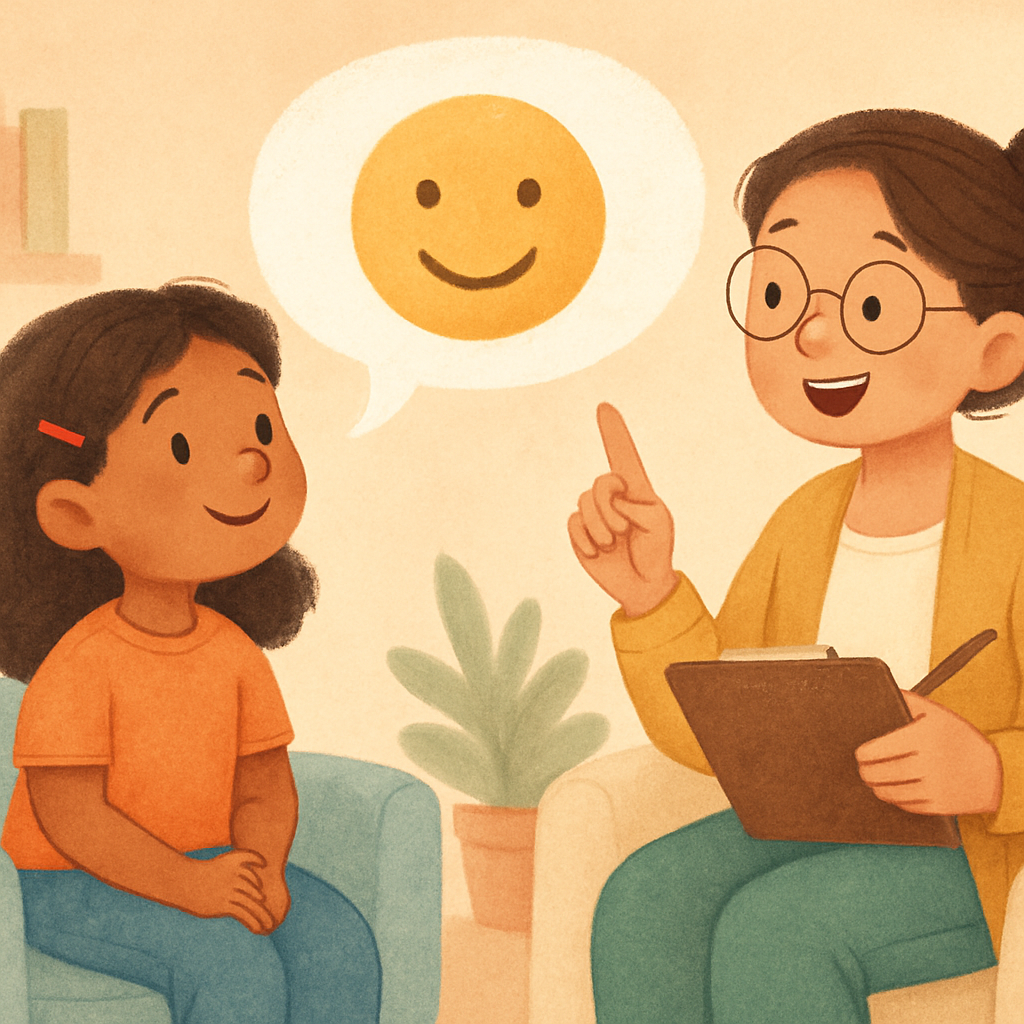
Welcome to our guide on Positive Behaviour Support (PBS), an approach that is transforming how we support individuals with disabilities in Australia. At its core, PBS is about understanding that every behaviour has a purpose. Instead of just reacting to challenges, it focuses on creating a supportive environment and teaching new, more appropriate ways to communicate needs. This person-centred method uses a tailored applied behaviour analysis (ABA) behaviour support plan to foster positive behaviour and improve overall well-being and independence.
Key Highlights
- Positive Behaviour Support (PBS) focuses on understanding the reasons behind behaviours to improve an individual's quality of life.
- This approach aligns with the NDIS, which provides funding for personalised support strategies.
- A key goal is to reduce or eliminate challenging behaviours by teaching new skills and creating a supportive environment.
- The process involves creating a detailed behaviour support plan in collaboration with the individual, their family, and support team.
- PBS is a person-centred strategy that fosters independence, enhances communication, and promotes positive change.
The Importance of Positive Behaviour Support in Australia
In Australia, Positive Behaviour Support is the recommended approach for helping people with disabilities who may display challenging behaviour related to their mental health. It’s important because it moves away from simply controlling actions and instead focuses on improving a person's quality of life. This method is crucial for individuals with intellectual disabilities or other complex needs who are trying to communicate.
By understanding the "why" behind a behaviour, the person and their support network can work together on long-term solutions. The benefits of this inclusive practice include stronger relationships, a greater sense of independence, greater community access, and a better life for everyone involved. The next sections will explore the specific benefits and how this therapy fosters growth.
Benefits for Individuals with Disability
Positive Behaviour Support benefits individuals with developmental disabilities by addressing the root causes of challenging behaviours, including unmet needs. Rather than just managing issues, it teaches alternative skills and adapts environments to make difficult behaviours unnecessary, leading to greater independence and a better quality of life.
Those with autism or intellectual disabilities gain from proactive strategies that use positive reinforcement. Key benefits include:
- Improved communication and social skills
- Better stress and anger management
- Enhanced daily living abilities
By understanding the purpose behind behaviours, practitioners help individuals communicate more effectively, build stronger relationships, and gain more control over their lives.
Fostering Growth and Independence through Behaviour Therapy
Positive Behaviour Support (PBS) is a person-centered approach that empowers individuals by teaching new skills to replace challenging behaviours and decrease problem behaviour. By helping people express needs or manage emotions more effectively, PBS builds confidence and fosters independence.
A behaviour support plan, also known as an intervention plan, is central to PBS. It’s a personalized plan created with the individual and their support network, outlining specific goals—like improving social skills or learning relaxation techniques—and steps to achieve them.
This skill-building focus leads to lasting, positive change, helping individuals thrive at home, school, and in the community.
How Positive Behaviour Support Relates to the NDIS
The National Disability Insurance Scheme (NDIS) is designed to give people with disabilities more choice and control over their support, and specialist behaviour support through Positive Behaviour Support fits perfectly within this framework. The NDIS funds behaviour support under the "Improved Relationships" category of your support plan, making these vital services accessible.
This funding from the disability insurance scheme allows you to work with qualified behaviour support practitioners to develop and implement a plan that includes an understanding of behaviour. The following sections will guide you on how to access this support through the NDIS and what eligibility requirements you need to consider.
Accessing Support via the National Disability Insurance Scheme
This funding from the disability insurance scheme allows you to work with qualified behaviour support practitioners to develop and implement a plan that includes an understanding of behaviour. The following sections will guide you on how to access this support through the NDIS and what eligibility requirements you need to consider.
These practitioners will work with you and your support network to conduct thorough assessments and develop a comprehensive behaviour support plan. This plan becomes the roadmap for everyone involved, ensuring consistent and effective support. It outlines the strategies needed to help you achieve your goals and improve your well-being.
The NDIS funds different components of the PBS process. Here’s a look at what your plan might cover:
|
Support Type |
Description |
|---|---|
|
Specialist Behavioural Intervention Support |
This covers the work of practitioners in developing strategies and interventions to address behaviours of concern, including the behaviour of concern. |
|
Behaviour Support Plan Development |
This is for the creation of the written plan, including assessments, consultation with your support network, and outlining strategies. |
Eligibility and Funding Considerations
To get help for behaviour issues with the NDIS, including speech pathology support, you need to meet the main rules for joining. You do not get money for a support plan right away. The NDIS will look at your needs and dreams before giving money. They will see if this help is “fair and needed” for you.
You might get NDIS money if you meet these rules:
- You must be under 65 when you first ask.
- You must be an Australian citizen, live in Australia always, or have a special visa.
- You must have a lasting and big disability that makes daily life hard.
When you apply, make sure to show how Positive Behaviour Support will help you reach your goals in your plan. This helps make sure the money goes to the right things. It can help lower tough behaviours and make your life better.
Role of Support Workers and Families in Behaviour Therapy
Positive Behaviour Support is not a journey you take alone. The success of any behaviour support plan relies on a collaborative effort between behaviour support practitioners, support workers, and family members, utilizing behaviour support strategies. This team-based approach ensures everyone in the person’s support network is on the same page.
Support workers and family are the ones who provide daily assistance, making their role critical in implementing the strategies for appropriate behaviour consistently. The next sections will detail how this collaboration works and the steps families can take to get started.
Collaborating for Successful Interventions
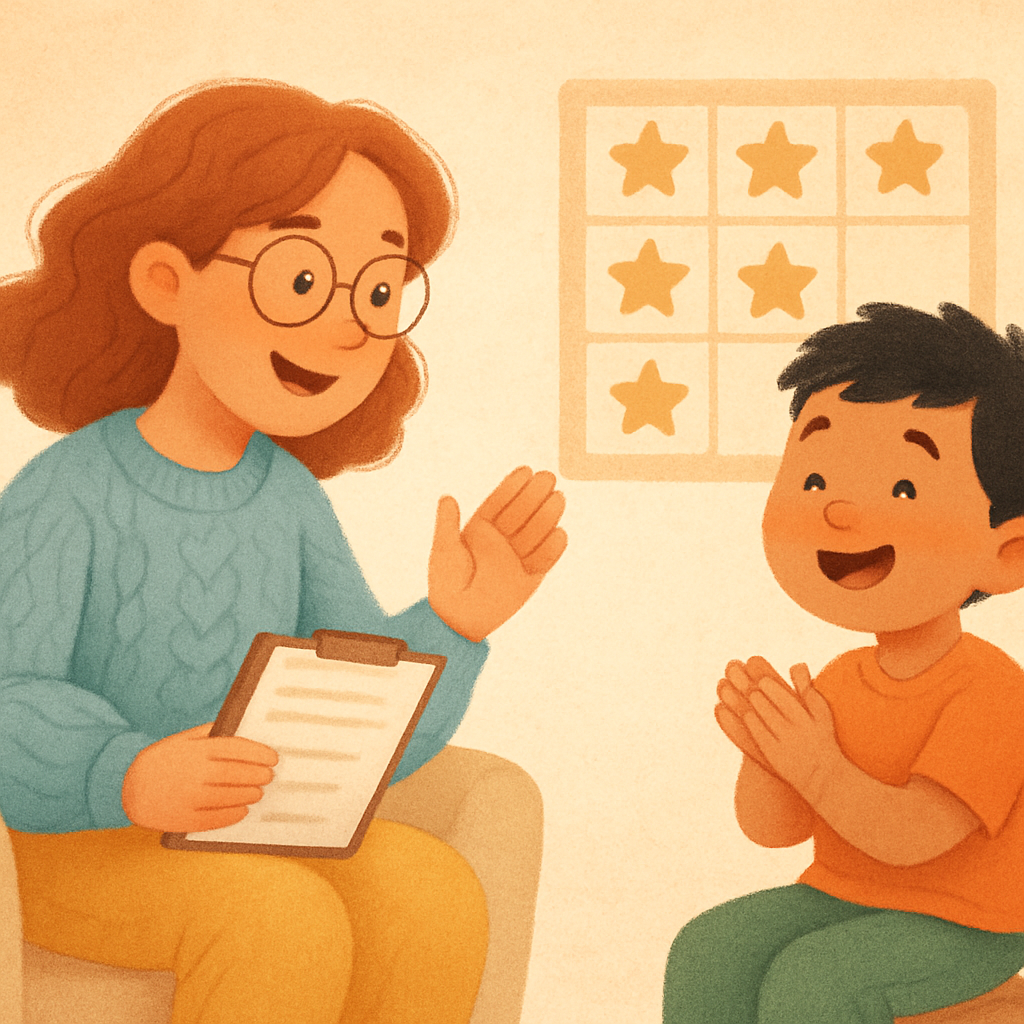
A strong partnership between the individual and their family, as well as understanding the person’s needs, is the foundation of a successful intervention. Open communication is essential, as support workers and family members can provide valuable insights from their direct observation of daily life. These details help practitioners refine the behaviour support plan and ensure it is practical and effective.
To make collaboration work, the support team should aim for consistency. When everyone uses the same strategies and communication skills, the individual receives clear and predictable responses, which helps reduce confusion and anxiety, as each interaction can be perceived as a form of communication. Regular meetings and shared notes are great ways to keep everyone aligned.
Here are some effective collaborative strategies:
- Schedule regular check-ins with the entire support team to discuss progress and challenges.
- Ensure all support workers receive training on the specific strategies in the behaviour support plan.
- Create a shared communication log to document behaviours and the effectiveness of interventions.
Steps for Families to Get Started with Positive Behaviour Support
For family members, taking the first step toward the positive behaviour support framework can feel overwhelming, but it doesn't have to be. The journey begins with reaching out for help and information. Start by talking to your support coordinator or a trusted health professional about your concerns.
Once you are ready to proceed, you will connect with behaviour support practitioners who will guide you through the process. They will work with you and your entire support network to understand your loved one's needs and the underlying causes of behaviour while developing a personalized behaviour support plan. Remember, your involvement is key to success.
Here are a few steps to get you started:
- Contact a registered NDIS provider that offers Positive Behaviour Support and understands communication difficulties.
- Gather information and prepare to discuss your loved one’s strengths, needs, and goals.
- Ask about additional resources and training to help you confidently implement the plan at home.
Conclusion
In summary, Positive Behaviour Support (PBS) is a transformative holistic approach that promotes growth, independence, and well-being for individuals with disabilities. By encouraging positive interactions and supportive environments, PBS improves quality of life and empowers families and support workers to collaborate effectively. When implementing PBS, focus on strategies tailored to individual needs. Together, we can build a more inclusive and compassionate society.
To get started, book a consultation or call daar at 02 9133 2500 to explore available resources and connect with professionals for guidance.
Frequently Asked Questions
How does positive behaviour support differ from restrictive practices?
Positive Behaviour Support aims to reduce and eliminate the need for any restrictive practice. A restrictive practice limits a person's human rights or freedom of movement, whereas PBS focuses on proactive strategies. A behaviour support plan provides positive alternatives that meet the individual’s needs, with oversight from the NDIS Quality and Safeguards Commission to protect the individual's rights.
Who can benefit from behaviour therapy and PBS interventions?
Anyone displaying behaviours of concern that affect their quality of life can benefit, especially individuals with intellectual disabilities, autism, or developmental delays. PBS helps them build communication skills and offers social skills training, with qualified PBS practitioners available to assist. It also provides their support people and families with effective strategies and confidence.
Where can I find official resources on positive behaviour support in Australia?
The NDIS Quality and Safeguards Commission is an excellent source for official information regarding types of restrictive practices. Their website offers numerous participant fact sheets and additional resources on behaviour support. These documents are often available in plain English to ensure they are easy to understand and provide clear guidance for participants and their families.
What are positive behaviour support strategies?
Positive behaviour support strategies focus on promoting desired behaviours and reducing problematic ones through proactive measures. These include teaching alternative skills, setting clear expectations, providing consistent feedback, and creating supportive environments. Ultimately, the goal is to foster a culture of respect and encouragement for positive growth in individuals.
.svg)




.svg)