
.png?width=48&height=48&name=Group%201%20(3).png)























4 March, 2026

Exploring Applied Behaviour Analysis: A Comprehensive Guide

Key Highlights
- Applied Behavior Analysis (ABA) is a therapy that uses the science of learning and human behavior to teach helpful skills. The primary goal is to encourage positive behavior change through strategies like positive reinforcement. There is controversy around applied behavior analysis therapy because some critics believe that certain methods may be too rigid or focus too much on compliance rather than individual needs. Others are concerned that some practices in behavior analysis could overlook the emotional and personal experiences of those receiving therapy. Despite this, many advocate for the benefits of positive reinforcement and thoughtful approaches to help achieve meaningful behavior change.
- The primary goal is to encourage positive behavior change through strategies like pivotal response treatment and positive reinforcement.
- Common ABA techniques include Discrete Trial Training (DTT) and Natural Environment Teaching (NET). This therapy is highly effective for children with autism, helping them improve communication and social skills. ABA programs are always customized to meet the unique needs and goals of each individual. However, there are some potential risks or downsides to applied behaviour analysis therapy. Critics have raised concerns that some ABA techniques can be too rigid or repetitive if not carefully tailored, which may lead to discomfort or stress for certain children. It’s important for parents and practitioners to ensure the aba program remains flexible, positive, and responsive to each child's needs to avoid these issues.
- This therapy is highly effective for children with autism, helping them improve communication and social skills.
- ABA programs are always customized to meet the unique needs and goals of each individual.
- Parent and caregiver involvement is a key part of the process, ensuring consistency and support.
Introduction
Have you ever wondered what Applied Behavior Analysis is all about? At its core, ABA is a therapy based on the science of learning and behavior. So, what is applied behavior analysis and how does it work? A behavior analyst uses principles of behavior analysis to understand how we learn and how our environment affects our actions. This approach is widely used to support individuals on the autism spectrum, helping them develop essential skills and reduce behavior problems that interfere with learning. The main goal is to make positive, meaningful changes in a person's life.
Common Techniques in Applied Behaviour Therapy
Applied Behavior Analysis isn't a single method but a collection of ABA techniques designed to encourage positive actions. These methods are rooted in the principles of behaviorism, focusing on how a person's environment influences their actions. The core idea is behavior modification through strategies like positive reinforcement and negative reinforcement, where desirable behaviors are rewarded to increase their frequency.
This flexible approach allows therapists to select the best techniques for each individual. From structured methods like discrete trial training to more naturalistic approaches, the aim is to teach new skills effectively. Let's look at some of the most common techniques used.
Discrete Trial Training (DTT)
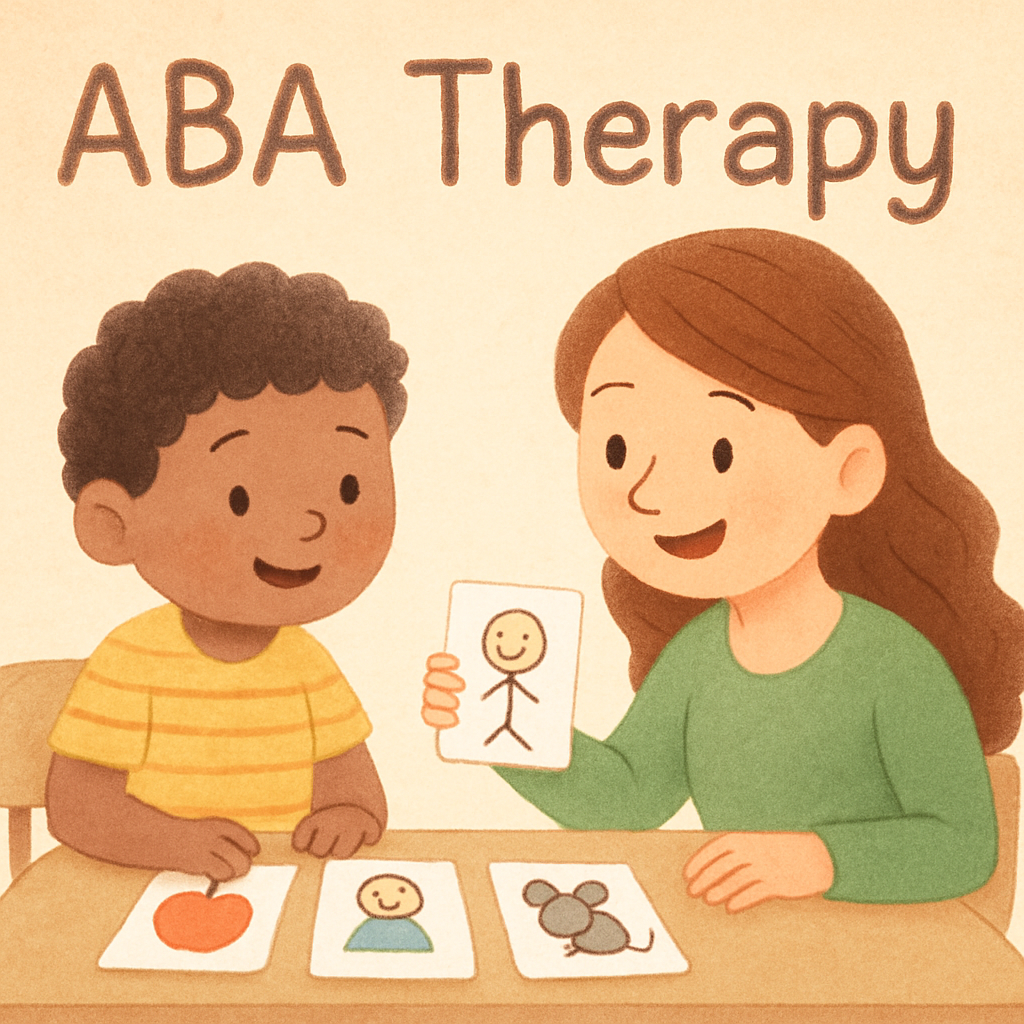
One of the most recognized ABA techniques is Discrete Trial Training (DTT). This structured, one-on-one method breaks a skill into small steps. The behavior analyst gives a clear instruction, or "discrete trial," to teach a target behavior—such as saying, "point to blue" when learning colors.
Correct responses earn immediate rewards like praise or a small toy; incorrect answers are gently corrected and the trial is repeated. This clear, repetitive approach helps children master behaviors step by step.
DTT effectively teaches a wide range of skills, from simple imitation to complex academics. Each trial is its own learning opportunity, helping children build strong foundational skills through repeated success.
Natural Environment Teaching (NET)
Unlike the structured approach of DTT, Natural Environment Teaching (NET) brings learning into the child’s everyday life. It uses real situations and items that interest the child—like toys during play or food at meals—to teach new skills naturally.
For example, if a therapist sees a child looking at a toy car, they might use that moment to teach words like 'car' or 'red.' Because the child is already interested, using a picture exchange communication system makes learning more engaging and effective. NET also helps build social skills and makes it easier for the child to use what they learn in real-world settings.
By weaving teaching into daily routines, NET encourages meaningful behavior change and lets children practice skills where they’ll actually use them, making learning both practical and enjoyable.
Chaining, Shaping, and Prompting
Beyond DTT and NET, other ABA techniques help teach complex behaviors. These methods are often combined to break down tasks and provide needed support.
Prompting gives cues to guide correct behavior. Shaping reinforces closer approximations of a target behavior until the final goal is reached. Chaining links smaller steps into a complete skill, like washing hands or getting dressed.
Here’s how these tools work:
- Prompting: Using verbal or physical cues to guide the learner.
- Shaping: Rewarding attempts that get closer to the desired behavior.
- Chaining: Teaching multi-step tasks by breaking them into smaller actions.
Applications of ABA Therapy for Children
Applied Behavior Analysis is most widely recognized for its effectiveness in supporting children with autism and other developmental disorders, as highlighted in the Journal of Applied Behavior Analysis. ABA services are designed to address a wide range of skills, from communication and social abilities to academics and self-care. The central idea is to create an ABA program that targets specific behaviors for improvement.
For children with autism, this therapy can be life-changing, helping them navigate social situations and learn in a way that makes sense to them. But the applications of Applied Behavior Analysis (ABA) don't stop there, as it is also effectively used to address various mental health challenges. Below, we'll explore how ABA is used for different childhood challenges and why individualization is key.
Supporting Children with Autism Spectrum Disorder (ASD)
ABA therapy provides structured, personalized support for children with Autism Spectrum Disorder (ASD). Therapists work with families to set goals in communication, social skills, daily living, and academics, aiming to foster positive behavior and greater independence.
A key benefit of ABA is breaking complex tasks into smaller steps, making learning more manageable. For example, a child may progress from imitating sounds to forming sentences during conversation practice.
With consistent practice and positive reinforcement, children make meaningful gains in social interaction, school success, and daily routines, as originally developed by psychologist Ole Ivar Lovaas. This individualized approach makes ABA therapy an effective way to support children with autism.
Expanding ABA to Other Childhood Challenges
Although ABA is often linked to autism treatment, its principles benefit children with other developmental disabilities and behavior issues. ABA focuses on understanding problem behaviors and teaching better ways to communicate and interact.
For instance, a child who tantrums may lack an effective way to express needs. An ABA therapist identifies triggers and teaches alternative communication methods, like words, signs, or pictures.
ABA helps with various challenges—from improving school focus to managing home routines. Its structured, data-driven approach reduces negative behaviors and builds positive skills.
Individualizing Programs for Optimal Results
A key to ABA therapy’s success is its individualized approach. Each program is tailored to the learner’s unique needs and ability level. A qualified behavior analyst starts with a thorough assessment of the child’s skills, preferences, and family goals.
Treatment goals are then developed based on this assessment, ensuring relevance and targeting areas with the greatest impact, including specific treatment goals. Plans address communication, social skills, and managing challenging behaviors.
Choosing the right provider is essential—a strong, trusting relationship supports success. The individualized nature of ABA includes:
- Customized goals based on the child’s abilities and interests
- Consideration of family preferences and priorities
- Ongoing progress monitoring and goal adjustments
- Techniques tailored to the learner’s style
Benefits of Applied Behaviour Analysis for Families
The positive effects of ABA extend far beyond the child receiving therapy, significantly benefiting the entire family. By fostering positive behavior and teaching crucial life skills, ABA can improve the overall quality of life for everyone. When a child learns better social skills and communication skills, family interactions become smoother and more enjoyable.
This process of behavior modification equips children with the tools they need to participate more fully in family and community life. The following sections will explain how this therapy enhances daily living, communication, and independence, and how families can get involved.
Improving Daily Living and Social Skills
One big benefit of ABA therapy is that it helps kids learn skills for daily life and social time, contributing to their overall intellectual functioning. These are simple things we all need to do, like putting on clothes, brushing teeth, or making friends with other kids at school or outside. ABA teaches children how to do these important tasks.
Therapists use easy steps, like giving rewards and praise. When kids do something well, such as making eye contact, they get a treat or hear good words. For example, if a child follows the morning plan, they might get extra playtime or a happy smile from their helper. This makes learning fun and helps kids keep using what they learn.
By working on useful skills, children can become more sure of themselves and more able to care for themselves. As these skills get stronger, kids can take part in family events and join in group fun outside the home. These gains help them feel better and make their days easier.
Enhancing Communication and Independence
Strong communication skills are key to independence, and ABA therapy prioritizes this area. Many children with developmental disorders struggle to express their needs and develop their motor skills. ABA teaches functional communication through speech, sign language, or picture exchange systems.
Reliable communication reduces frustration and related problem behaviors. As children learn to express themselves, their confidence and independence grow. Improved communication can broaden their opportunities.
ABA also supports academic skill development, helping children succeed in school. Ultimately, the goal is to equip them with tools for maximum independence in all areas of life.
Involving Parents and Caregivers in ABA Therapy
For ABA therapy to be truly effective, the involvement of parents and caregivers is essential. When families learn and use ABA methods, the child’s learning is reinforced consistently across different community settings and home environments. This partnership between therapists and the family creates a powerful support system for the child.
Behavior technicians and trained behavior analysts typically provide training for parents and other caregivers. This training equips them with the strategies needed to support their child’s learning and manage challenging behaviors throughout the day. You become an active part of the therapy team, helping your child practice new skills in everyday situations.
This collaboration ensures that progress made during therapy sessions translates into real-world success. Here’s why your involvement is so important:
- You can help your child practice skills in natural, everyday moments.
- Consistency between therapy and the home environment accelerates progress.
- You gain confidence in your ability to support your child's development.
- It strengthens the bond between you and your child as you learn together.
NDIS ABA Therapy in Australia
For families in Australia, the National Disability Insurance Scheme (NDIS) can be a key pathway to accessing ABA services. Many NDIS providers offer NDIS ABA therapy delivered by a certified behavior analyst who meets the standards of the Behavior Analyst Certification Board. This funding can make a significant difference for families seeking support.
Accessing these services involves a few steps, and understanding the role of your provider is crucial. The following sections will guide you through how to access ABA through your NDIS plan and what to expect from NDIS providers.
Accessing ABA Through the NDIS
Yes, NDIS can fund ABA therapy for many autistic children if it's considered a "reasonable and necessary" support. To access it, you’ll need ABA included in your child’s NDIS plan, usually based on a recommendation from a pediatrician or psychologist.
Once approved, select an NDIS provider offering ABA services. A behavior analyst will assess your child and create a customized ABA program targeting specific behaviors and skills.
NDIS delivers applied behavior analysis this way, ensuring families receive structured, evidence-based support to help their children thrive.
Role of NDIS Providers in ABA Delivery
NDIS providers play a key role in delivering quality ABA services. Their main responsibility is to design and implement effective therapy programs that create positive behavior changes for your child. A certified behavior analyst, credentialed by the Behavior Analyst Certification Board (BACB), oversees this process.
Providers manage the entire therapeutic process—from initial assessment through ongoing monitoring and adjustments—ensuring therapy aligns with your child’s NDIS goals and is delivered ethically. They also supervise a team of therapists working directly with your child.
ABA services involve several roles, each with specific responsibilities:
|
Role |
Responsibility |
|---|---|
|
Board Certified Behavior Analyst (BCBA) |
Conducts assessments, designs ABA programs, supervises the team, and analyzes data to track progress and make changes. |
|
Registered Behavior Technician (RBT) |
Delivers therapy sessions, collects data, and provides feedback on progress under BCBA guidance. |
|
Parents and Caregivers |
Take part in training, use strategies at home, and work with the therapy team for consistency. |
Comparing ABA with Positive Behaviour Support (PBS)
When exploring therapies, you might come across both Applied Behavior Analysis (ABA) and Positive Behaviour Support (PBS). While they share common roots in behavior analysis and behavior modification, they are different approaches. Both aim to improve quality of life and decrease challenging behaviors through intensive behavioral intervention, but they go about it in slightly different ways.
Understanding the distinctions and overlaps between ABA and PBS can help you make an informed decision about what’s best for your child. Let’s compare these two frameworks to see how they work.
Core Differences and Overlaps
So, how do aba principles in applied behaviour analysis differ from PBS therapy for children? Both ABA and PBS use principles like positive reinforcement to encourage positive behavior. However, ABA often focuses more intensively on teaching new skills and breaking them down into small, discrete steps. A behavior analyst might use structured sessions to target specific learning goals.
PBS, on the other hand, tends to take a broader, systems-wide approach. It focuses heavily on changing the environment and routines to prevent problem behaviors from occurring in the first place. The primary goal is to improve the person's quality of life, with behavior change seen as a natural outcome of that improvement.
Despite these differences, there is significant overlap. Here are a few key points:
- Both are data-driven and rely on understanding the function of a behavior.
- Both utilize positive reinforcement to teach and encourage desired actions.
- ABA can be more focused on intensive, one-on-one skill acquisition.
- PBS often emphasizes environmental changes and quality of life across all settings.
Choosing the Right Approach for Your Child
Deciding between ABA and PBS ultimately comes down to your child’s needs and your family’s goals. There is no single "best" approach for every child. The key is to find a program that is a good fit and aligns with your treatment goals. Consider what you want to achieve through therapy.
If your child needs intensive support to acquire foundational skills like communication or social interaction, a structured ABA program might be the most effective form of early childhood intervention. The focused, one-on-one teaching can help build these skills from the ground up. The use of a variety of techniques ensures the program is tailored to them.
If your primary goal is to reduce challenging behaviors by making systemic changes to your child's environment and routines, PBS might be a better match. Often, a blended approach that incorporates elements of both ABA and PBS can provide the most comprehensive support. Talk to professionals to explore the options and determine what will work best for your child.
Conclusion
In conclusion, exploring Applied Behaviour Analysis (ABA) reveals its vital role in supporting children with Autism Spectrum Disorder and other developmental challenges, particularly through approaches like early intensive behavioral intervention (EIBI). By employing various techniques like Discrete Trial Training and Natural Environment Teaching, ABA therapy enhances communication, independence, and social skills. Moreover, the involvement of parents and caregivers ensures that therapy is personalized and effective, maximizing positive outcomes. With the backing of NDIS providers, families in Australia can access these transformative services to foster growth and development in their children.
If you're eager to learn more about how ABA can change lives, don't hesitate to reach out for a consultation or call daar at 02 9133 2500 today!
Frequently Asked Questions
How does applied behaviour analysis support children with autism?
Applied Behavior Analysis supports children with Autism Spectrum Disorder by teaching new skills through structured, one-on-one lessons at the University of California. Using positive reinforcement, it breaks down complex goals like improving communication skills into manageable steps, making learning more effective and helping children build confidence and independence.
What qualifications are needed to provide ABA therapy in Australia?
In Australia and the United States, ABA therapists are led by a certified behavior analyst (BCBA). To become a BCBA, one must earn a master’s degree in a relevant field and pass an exam from the Behavior Analyst Certification Board. Behavior technicians, who work under BCBAs, also require specific training and certification.
Is NDIS ABA therapy covered and how do families access it?
Yes, NDIS ABA therapy is often covered for autistic children if it’s deemed reasonable and necessary. To access it, families must get ABA included in their NDIS plan. They can then choose from NDIS providers who offer a tailored ABA program based on a thorough behavior analysis assessment.
.svg)




.svg)