
.png?width=48&height=48&name=Group%201%20(3).png)























10 April, 2026

Effective Tips on How to Stop Social Media Addiction
Key Highlights
- Understand the negative effects of excessive screen time on your toddler's development, including sleep, attention, and language.
- Establish healthy habits by following simple steps to manage your family's screen use.
- Learn how to recognize the signs that your toddler may be getting too much screen time.
- Discover creative, screen-free alternatives that encourage independent and active play.
- Implement a step-by-step plan to gradually reduce screen time and handle tantrums effectively.
Introduction
Navigating screen time is one of the trickiest parts of modern parenting. With electronic devices becoming a staple in early childhood, it's natural to worry about how much is too much. You're not alone in feeling this way. This guide is here to offer friendly, practical advice on managing your toddler's screen time. We'll explore how to set healthy boundaries, find engaging alternatives, and build positive habits that benefit the whole family, taking the stress out of the screen time debate.
How Excessive Screen Time Impacts Toddler Development
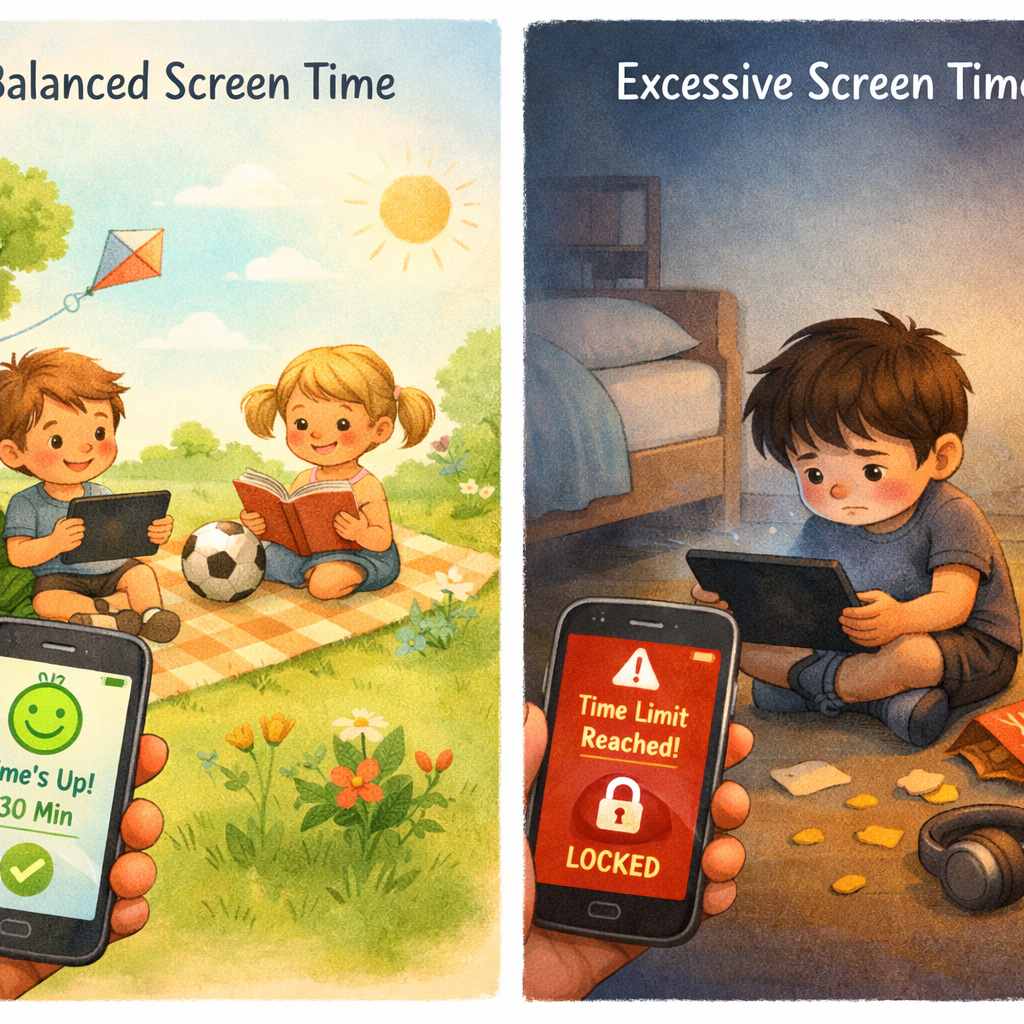
Excessive screen time negatively affects young children. The Paediatrics warns that it can hinder language development, as toddlers learn best from real-world interactions. Screens also reduce adult-child conversations, limiting essential language exposure.
Too much screen time means less physical activity, impacting health. It can make toddlers struggle with attention and social skills, since fast-paced programming distorts their perception of real-world interactions.
Signs Your Toddler May Be Getting Too Much Screen Time
It can be hard to tell if your toddler is getting too much screen time. Watch for warning signs when screens are taken away, such as more tantrums or withdrawal.
Your child may be developing screen dependency if they are fussier or struggle to play alone on high screen-time days. Look for:
- Frequent tantrums when screen time ends
- Less interest in toys or outdoor play
- Trouble calming down without a device
- Constantly asking for a tablet or phone
These behaviours suggest unhealthy screen habits. If your toddler has trouble self-regulating or prefers screens over other activities, consider adjusting their routine.
Potential Effects on Behaviour, Attention, and Emotions
Excessive screen time can negatively impact toddlers’ behaviour and skills. Fast-paced programs condition their brains for constant stimulation, making real-world activities seem dull and shortening attention spans.
Screens used to distract from boredom or frustration prevent children from learning to manage emotions, resulting in fewer coping skills and more intense outbursts.
Heavy screen use also limits face-to-face interaction, reducing opportunities to develop empathy and social skills, which may contribute to future mental health issues.
Practical Strategies to Reduce Toddler Screen Time
Reducing your toddler's screen use doesn't have to be a battle of willpower. Instead of focusing on what you're taking away, think about what you're adding to your family life. The goal is to build healthy habits by approaching the change with a positive mindset, moving toward a more active and engaged lifestyle together.
By implementing simple steps and creating a consistent routine, you can make a significant difference. Let's look at some actionable strategies to manage your toddler's screen time, from setting clear rules to gradually cutting back in a way that feels manageable for everyone.
Simple Ways to Manage and Limit Screen Use
One of the easiest ways to manage screen time is to set clear boundaries. Children do best with specific rules and routines. Vague limits, like having a tablet always available, can be confusing for toddlers. Creating screen-free zones or times makes expectations clear for everyone.
For example, try making mealtimes or car rides screen-free. Simple rules you can use include:
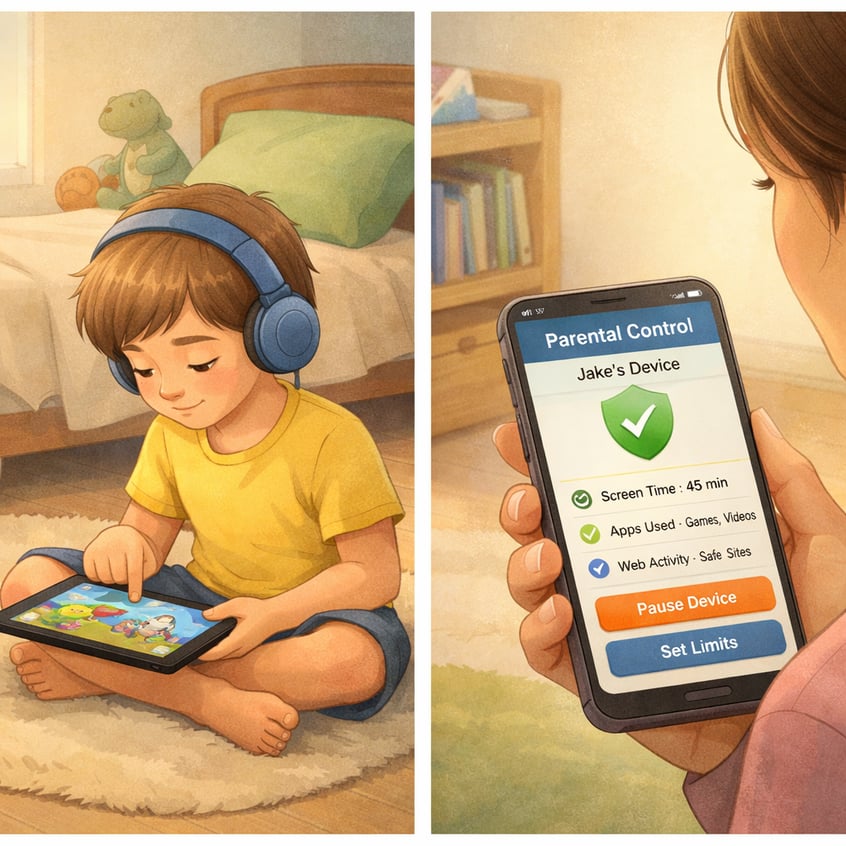
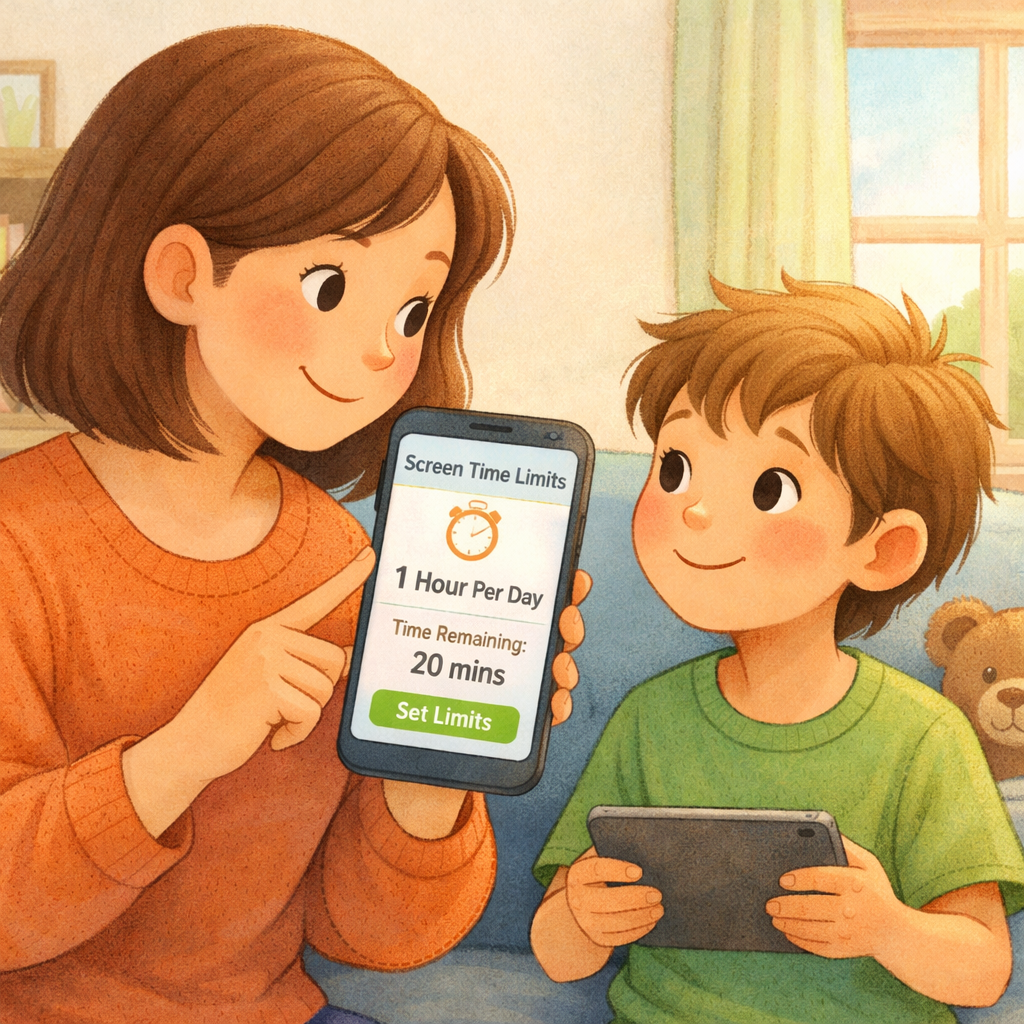
- Setting a timer so screen sessions have a predictable end.
- Turning off device notifications to reduce distractions.
- Keeping TVs and tablets out of living rooms and bedrooms.
- Choosing content to watch together for more interaction.
Being a good role model also matters. When you put your phone away to connect with your child, it shows the value of real-life interaction. These small changes can improve family life and help reduce reliance on devices.
Step-by-Step Tips for Gradually Cutting Back
If your toddler has a very established screen habit, going "cold turkey" can be disruptive. Instead, making gradual changes can help them adjust to spending less time with screens. Start by identifying the times of day when screens are used most and begin by reducing the duration in one of those windows. This step-by-step approach makes the transition smoother.
Your goal is to build a new routine that replaces screen time with other engaging activities. Support your toddler through this change by offering exciting alternatives. Acknowledge their feelings if they get upset, but stand firm with the new boundaries. Consistency is key to creating lasting healthy habits.
Here is a sample plan for a gradual reduction:
|
Week |
Morning Screen Time |
Afternoon Screen Time |
What to do instead |
|---|---|---|---|
|
Week 1 |
30 minutes |
30 minutes |
Introduce a "by yourself bin" with special toys during your shower. |
|
Week 2 |
15 minutes |
30 minutes |
Replace morning screen time with reading books together. |
|
Week 3 |
15 minutes |
15 minutes |
Reduce afternoon screen time and go for a walk or play outside. |
|
Week 4 |
0 minutes |
15 minutes |
Eliminate morning screens and do a simple craft with a piece of paper. |
Creative Alternatives to Keep Toddlers Engaged Without Screens
Finding creative alternatives to screens is about filling your toddler's day with activities that promote positive development. The best alternatives encourage imaginative play, physical activity, and social time. Instead of passively watching a screen, your child can be actively building their skills and improving their physical health through real-life experiences.
These activities don't have to be complicated. Simple options like reading, listening to audiobooks, or spending time outdoors can be incredibly beneficial. They help your child learn to entertain themselves, solve problems, and connect with the world around them in a meaningful way.
Encouraging Independent and Active Play
One effective way to reduce screen time is by encouraging independent play. This means creating a safe space where your child can explore and entertain themselves while you’re nearby. Set out special toys in areas like the kitchen or bathroom for use only when you’re occupied.
Independent play helps children develop self-directed attention and discover that playing on their own is fun. Active play, such as running or playing tag, supports healthy physical development and burns energy.
Imaginative play builds social skills, empathy, problem-solving, and self-expression—key abilities best developed away from screens.
Fun Offline Activities For Toddlers at Home and Outdoors
You don’t need expensive toys to entertain your toddler without screens. Simple activities often spark the most creativity and beat boredom. Everyday chores, like folding laundry or unloading the dishwasher, can become fun and make toddlers feel capable.
Try creating “special toy” bins in different rooms—a basket of toys under the kitchen sink or in the living room offers easy distractions. Outdoor play is also great for exploration and exercise. Here are some screen-free ideas:
- Build a fort with blankets and pillows.
- Put on a magic show or throw a stuffed animal birthday party.
- Try sensory play with water or sand.
- Draw, paint, or color with crayons and paper.
- Go on a nature walk to collect leaves or rocks.
Conclusion
In conclusion, managing your toddler's screen time is essential for their healthy development. By recognizing the signs of excessive screen use and implementing practical strategies, you can create a balanced environment that promotes independent play and emotional well-being. Engaging your little ones in offline activities not only fosters creativity and social skills but also strengthens your bond with them. Remember, the goal is to provide enriching experiences that encourage growth and exploration away from screens. Start today, and watch your toddler thrive!
Reach out for a consultation or call daar at 02 9133 2500 for expert guidance.
Frequently Asked Questions
How can I talk to my toddler about screen time rules?
For young children, keep it simple and consistent. Use clear language like, "We'll watch two shows, then we say 'bye-bye iPad' and play with bubbles." Involve them in the process by letting them push the "off" button. This gives them a sense of control and makes the transition away from screen use easier.
What is screen dependency disorder in young children?
Screen dependency disorder is not an official diagnosis, but it describes problematic internet use where a child shows signs of addiction. This includes withdrawal symptoms like irritability when screens are removed, a loss of interest in other activities, and an uncontrollable urge to use electronic devices, which can be linked to mental health issues in early childhood.
How do I handle screen time tantrums and meltdowns?
First, have empathy for your child's negative emotions; it’s hard for young children to stop doing something they enjoy. Acknowledge their feelings by saying, "I know it's hard to turn off the TV." Then, stand firm on the rule. Consistency is key to showing them that tantrums won't lead to more time with electronic devices.
.svg)




.svg)