
.png?width=48&height=48&name=Group%201%20(3).png)
























1 April, 2026

How to Enforce Screen Time Limits Without Tantrums: A Guide

Key Highlights
Here are some practical tips for managing your child’s screen time without tantrums:
- Establish clear and consistent screen time limits to create a predictable routine for your child.
- Communicate the rules calmly and involve your child in setting limits to foster cooperation.
- Model healthy habits yourself by limiting your own device use during family time, especially considering the effects of blue light on sleep.
- Offer engaging offline activities and encourage outdoor play as fun alternatives to screen use.
- Model healthy habits yourself by limiting your own device use during family time.
- Stay firm but compassionate when your child protests, reinforcing the boundaries you’ve set.
Introduction
In today's digital world, managing screen time and digital media, including social media, can often feel like a constant battle. For many parents, excessive screen use is a growing concern, as it can affect a child's physical activity, social skills, and overall mental health. Setting reasonable screen time limits is crucial for healthy child development and establishing a balanced relationship with technology. This guide will provide you with effective strategies to set boundaries, avoid tantrums, and encourage healthier habits for your entire family.
Getting Started: What You Need to Set Effective Screen Time Boundaries
Before you can enforce screen time boundaries, it’s important to have a clear plan for emotional regulation. This involves understanding your child's needs and having the right tools and resources ready, including insights from daar’s programs. To effectively set boundaries, you’ll need a combination of clear communication, consistent rules, and a united front as parents.
Combining household rules with technology from a young age can make enforcement much easier. Most digital devices, including those used for autism daar therapy, come with built-in parental controls that help you manage screen use. Being proactive with these tools helps you create a structured digital environment and promote healthy habits from the start.
Essential Tools and Resources for Managing Screen Time
Using the right tools can help you set screen time limits without conflict for older kids. Parental controls like Apple’s Screen Time and Google Family Link let you set daily limits, schedule downtime, and block inappropriate content, reducing the need for constant supervision while also addressing the types of screen time your children engage in.
Creating a family media plan is also effective. Resources like Common Sense Media offer important information and guidance to develop rules together, which encourages cooperation and teaches online safety while sharing real stories of families' experiences.
Helpful tools and resources:
- Google Family Link: Free for Android; manage apps, set time limits, and locate devices.
- Apple Screen Time: Built into iOS; monitor usage, set app limits, and schedule downtime.
- Common Sense Media: Offers reviews, ratings, and resources for smart media choices.
Choosing Age-Appropriate Screen Time Guidelines
Effective screen time boundaries depend on your child's age. The American Academy of Pediatrics offers guidelines to help you decide. For children under 18 months, real-world interaction is best for brain development; only video calls are recommended. Stay up to date with the latest updates on screen time recommendations from pediatric experts.
As kids grow, focus shifts from avoiding screens to balancing use while teaching new skills and upskilling caregivers. Toddlers and preschoolers should have limited, high-quality educational content with a parent. Older children and teens need guidance on self-regulation and digital citizenship. Remember, quality matters more than quantity.
Screen time recommendations:
|
Age Group |
Recommended Daily Screen Time |
|---|---|
|
Under 18 months |
Zero screen time; very limited, only high-quality educational content with a parent, emphasizing the importance of practical skills. |
|
18-24 months |
Very limited; only high-quality educational content with a parent |
|
2-5 years |
No more than 1 hour per day of high-quality programs |
|
6 years and older |
Consistent limits; less than 2 hours of recreational screen time |
Step-by-Step Guide to Enforcing Screen Time Limits Without Tantrums
Now that you have the tools and guidelines, how do you put them into practice without triggering a meltdown? Enforcing screen time limits requires a calm, consistent, and proactive approach. The most effective ways involve clear communication and early intervention, supported by establishing clear rules for predictable routines, which help manage your child’s expectations and reduce resistance.
This step-by-step guide will walk you through creating a system that works for your family. By following these steps, you can access practical resources to turn screen time rules from a source of conflict into an opportunity for teaching self-regulation, daily living skills, and healthy habits.
Step 1: Communicate Screen Time Rules Clearly and Calmly
How you communicate screen time rules is important. Instead of yelling, stay calm and give your child your full attention. Gently explain when screen time will end—this shows respect and prevents arguments. Good communication supports healthy development and creates a meaningful difference in how you model positive skills.
Share simple reasons for the rules, such as "We put screens away before the dinner table to enjoy our meal," or "We turn off the tablet so our brains can rest." This helps kids understand that limits are for their well-being.
Involve your child in setting the rules. When kids help create boundaries, they're more likely to follow them. This teamwork builds cooperation and shared goals.
Step 2: Create Predictable Routines for Smooth Transitions
Children thrive on predictability. When much screen time is part of a consistent routine, transitions are smoother, and tantrums are less likely, resulting in fewer meltdowns. Scheduled screen use becomes just another daily activity, like meals or bedtime.
Timers and verbal warnings help children prepare for the end of screen time in the living room. A five-minute countdown gives them control and eases the switch to other activities, reducing frustration.
Tips for peaceful transitions:
- Use a visual timer.
- Give a gentle five-minute warning.
- Plan a “bridge activity,” like listening to a favorite song.
- Make screen-free family time, such as an after-dinner walk, a daily habit.
Step 3: Offer Engaging Alternatives to Screen-Based Activities
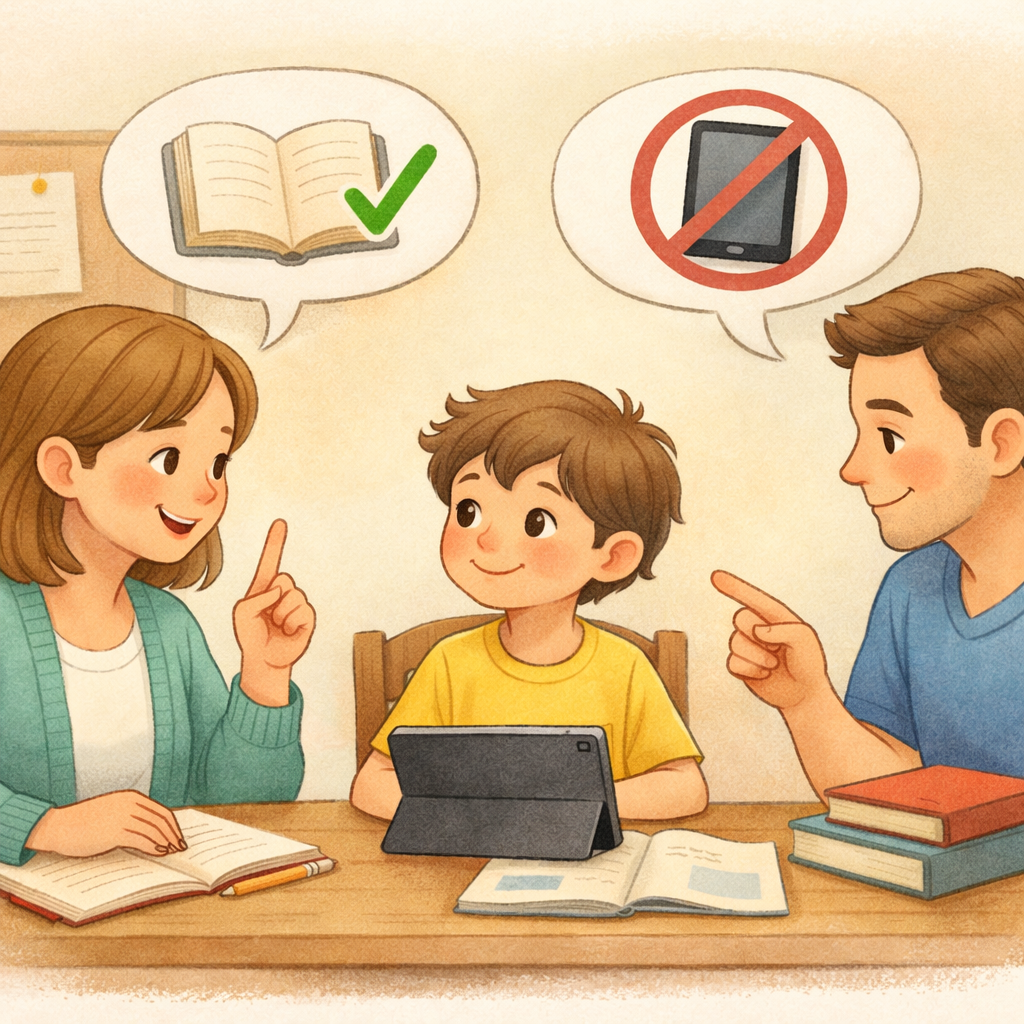
Kids often turn to screens out of boredom. To reduce screen time for your young child and keep them happy, offer appealing offline activities. Fun, hands-on alternatives make screens less tempting and support healthy development.
Choose activities that boost physical activity, creativity, and social skills while also integrating therapy services and student placement programs to support emotional well-being. Outdoor play burns energy and connects kids with nature. Indoors, keep art supplies, board games, or puzzles easily accessible to encourage spontaneous fun.
Family game night: Play board games or puzzles together regularly, incorporating ideas from daar’s workshops.
- Outdoor play: Visit the park, ride bikes, or play tag outside.
- Creative projects: Stock up on art supplies for coloring, painting, or building.
- Family game night: Play board games or puzzles together regularly.
- Reading together: Set up a cozy reading spot and visit the library often.
Conclusion
In summary, enforcing screen time limits can be a smooth and positive experience for both you and your child. By implementing clear communication, predictable routines, and offering fun alternatives, you can create an environment that encourages healthy screen habits and establishes effective screen limits without the stress of tantrums. The good news is that the goal is not just to limit screen time but to foster a well-rounded lifestyle that includes various engaging activities. With patience and consistency, you'll find that your child can adapt to these boundaries and thrive.
If you're looking for more personalized strategies to navigate screen time effectively, don't hesitate to reach out for consultation or call daar at 02 9133 2500 for support!
Frequently Asked Questions
How can I stay consistent with screen time rules if my child keeps protesting?
Consistency is key. Acknowledge your child's frustration but hold firm on the screen time rules you've set. Rely on the pre-established routine rather than your willpower in the moment. Understanding your child’s brain during these transitions can help when you set boundaries and stick to them – if not this time, then definitely next time. Your child learns that protesting won't change the outcome, helping to build good habits around screen use.
What strategies work best to reduce screen time for toddlers and prevent meltdowns?
For toddlers, the best practical tips are to keep screen time very limited and co-view with them, especially when it comes to video games. Use timers and simple verbal warnings before it ends. Immediately transitioning to a fun activity, especially outdoor play or a hands-on task, can help distract them and prevent meltdowns over ending screen time.
How can I explain screen time limits so my child understands and accepts them?
Use simple, age-appropriate language and focus on the positives. Instead of saying "No more screen use," try "It's time for us to play a game together." Involving them in creating a family media plan also improves communication skills, and when working alongside speech therapists, it gives them ownership, making them more likely to accept the screen time limits when they can refer to a posted schedule in a common area.
How do you handle screen time without going full crunchy?
To handle screen time limits without going full crunchy, establish clear guidelines and communicate them effectively. Offer alternatives like outdoor activities or family games. Use timers for transitions and ensure consistency. This approach fosters understanding and cooperation, reducing the likelihood of tantrums while encouraging a balanced lifestyle.
.svg)




.svg)