
.png?width=48&height=48&name=Group%201%20(3).png)
























4 February, 2026

Overcoming Screen Time Transition Difficulty in Kids

Introduction
Are you worried about how much time your child spends on digital devices? You're not alone. Many parents feel that screen time is taking over, leaving little room for other healthy activities. The battles that happen when it's time to turn off the device can be stressful for the whole family. These struggles can affect the mental health of young people and create tension at home. This guide offers practical tips to help you navigate these challenges and create a healthier balance with technology.
Key Highlights
- Ending screen time often causes meltdowns because it creates a drop in the brain chemical dopamine, which is associated with pleasure.
- Excessive screen time and difficult transitions can negatively impact a child's mental health and lead to explosive behavior.
- Creating a family media plan with clear, consistent rules can help prevent power struggles over gaming and video games.
- Preparing your child for the end of screen time with warnings can make the transition smoother.
- Recognizing signs of screen addiction, like withdrawal from other activities, is key to knowing when to seek support.
- Redirecting your child from a mobile device to an appealing alternative activity helps ease the shift and reduces conflict.
What Causes Screen Time Tantrums and Resistance
Many parents witness explosive behavior when screen time ends. Your child might scream, cry, or become defiant, turning a simple request into a major battle. This resistance can be frustrating and disruptive for everyone in the household.
This intense reaction is often a sign of over-stimulation from excessive screen time, which depletes mental energy. For some children, this behavior can be linked to underlying issues like an anxiety disorder. Understanding the root causes of these tantrums can help you respond more effectively.
The Role of Brain Chemistry and Stimulation
When your child enjoys activities like gaming, their brain releases dopamine, creating a "dopamine loop" that makes them feel good. When the activity stops, dopamine drops sharply, leaving them irritable or upset.
This reaction makes it physically hard to stop enjoyable activities—it's not just about willpower. Sometimes, this cycle can even resemble addiction.
Adults can manage these feelings better, but children are still learning to handle disappointment and frustration. Their tantrums are often an expression of emotions they can't yet control. Understanding this can help you see their behavior in a new light and recognize its impact on their mental health.
How Habits and Routines Influence Meltdowns
Unpredictable rules around screen time can make meltdowns more likely. If your child never knows when their time will be up, the sudden end can feel jarring and unfair. Creating clear and consistent routines helps manage their expectations and gives them a sense of control.
Just as they know they can't have ice cream for every meal, children can learn that screen time is just one part of a balanced day. Establishing predictable habits makes the transition away from devices a normal part of their daily life rather than a surprise punishment.
Implementing consistent routines is a powerful way to reduce tantrums. When kids know what to expect, they are better prepared to switch activities. Consider these simple rules to build better habits:
- Set specific hours for screen use and stick to them.
- Designate screen-free times, such as during meals or family outings.
- Make bedrooms a no-screen zone to protect sleep.
Recognising Signs of Screen Time Struggle in Different Age Groups
It’s normal for young people to have some trouble putting devices away from time to time. However, the way they express this frustration often varies depending on their age. A toddler’s tantrum looks very different from a teenager’s sullen defiance.
While some resistance is expected, persistent and intense meltdowns over long periods of time may signal deeper mental health difficulties. Knowing what is typical for each age group can help you identify when you might need to be concerned and seek additional support.
Typical Behaviours in Toddlers, Primary Children, and Teens
The way young people react to the end of screen time changes as they grow. Toddlers are still learning to manage their emotions, so their meltdowns are often physical and loud. They may scream, cry, or even hit when a tablet is taken away.
As children enter primary school, their reactions can become more verbal. They might argue, negotiate for more time, or become sullen. Teens, on the other hand, may express their frustration through defiance, isolating themselves, or becoming angry and irritable when asked to disconnect from their friends online.
Understanding these age-specific behaviors can help you respond with the right approach.
|
Age Group |
Typical Behaviors During Screen Time Transitions |
|---|---|
|
Toddlers (1-3 yrs) |
Crying, screaming, physical resistance (hitting, throwing). They have difficulty coping with disappointment. |
|
Primary Children (5-12 yrs) |
Arguing, negotiating, becoming sullen or defiant. They may have trouble thinking logically during a meltdown. |
|
Teens (12-18 yrs) |
Becoming angry, moody, or defiant. They might withdraw and isolate themselves from family. |
When to Seek Extra Support or Guidance
Occasional meltdowns are normal, but persistent or extreme reactions to ending screen time may signal a more serious issue. If your child’s behavior affects other areas of life or doesn’t improve with careful transitions, consider seeking professional help.
Watch for ongoing patterns such as:
- Meltdowns almost every time screen time ends, no matter what you try
- Major changes in sleep, hygiene, eating, or social habits
- Inability to handle boredom or frustration without insisting on screens
If these concerns arise, consult your child’s pediatrician.
Beginner’s Guide: Helping Your Child with Screen Time Transitions
Ready to make screen time transitions smoother in your home? This guide will walk you through practical steps to help your child move from one activity to another with fewer tears and arguments. The goal is to build healthy habits that work for your family.
By preparing ahead of time and working together, you can help young people develop the skills to manage their tech use. The following sections will provide the tools, strategies, and steps you need to get started, from setting boundaries to finding an activity of their choice.
What You’ll Need to Get Started (Resources, Conversation Starters, and Tools)
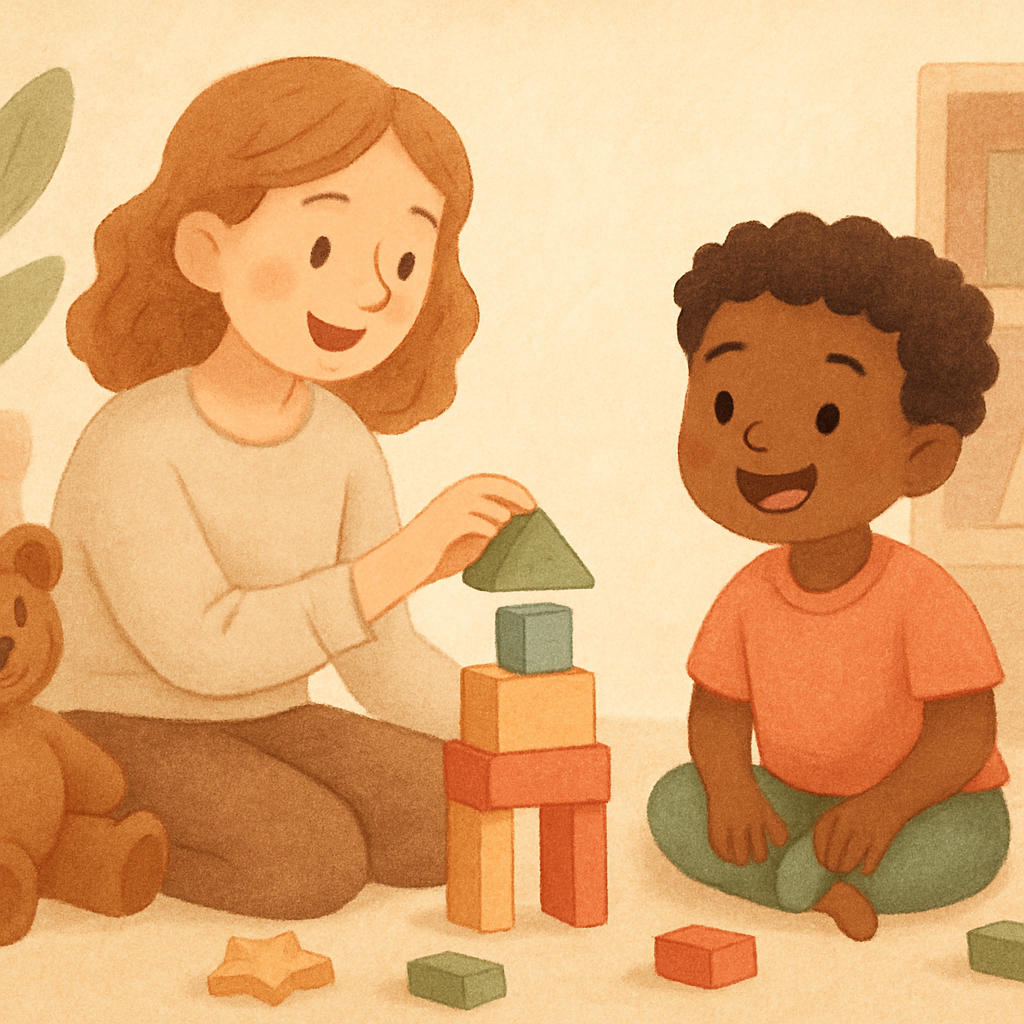
Before implementing new rules, gather essential resources to support a smooth transition. Begin with a calm family discussion about balancing everyone’s needs, such as school, meals, and rest.
Use simple conversation starters and consider tools like a family media plan—recommended by the American Academy of Pediatrics—to set shared guidelines.
Helpful resources include:
- A family media plan for setting rules and limits together
- Device settings or apps to automatically limit screen time
- A timer your child can control independently
- A list of fun, screen-free activities your child enjoys
Step-by-Step Guide to Smoother Screen Time Transitions
Creating smoother screen time transitions is a process that takes patience and consistency. Over time, following a clear, step-by-step approach can significantly reduce meltdowns and power struggles. This guide breaks down the process into manageable actions.
The key is to be proactive rather than reactive. By setting up a structure and preparing your child for the change, you empower them to manage their own behavior. This won't eliminate every tantrum overnight, but it will build a foundation for healthier habits over long periods of time.
This approach focuses on three core areas:
- Establishing clear boundaries.
- Preparing your child for the transition.
- Offering fun alternatives to screens.
Step 1: Setting Clear and Consistent Screen Time Boundaries
The first step to reducing screen time conflicts is setting clear, consistent boundaries. Inconsistent rules confuse children and lead to negotiation. Creating a family media plan that includes everyone helps establish fair guidelines.
Discuss with your kids why these boundaries matter for a balanced life, and make sure the rules apply to adults too. Children notice your habits, so model healthy device use.
When making your plan:
- Set specific times when devices are put away, like during meals.
- Decide what content is appropriate for kids.
- Ensure rules apply to the whole family.
Step 2: Preparing Kids for Transition Moments
Once you have boundaries in place, the next step is to prepare your child for the moment of transition. A sudden "time's up!" can feel jarring, especially when they are deeply engaged in a game or video. Giving them warnings helps them mentally prepare to switch gears.
This preparation is crucial for their mental health, as it gives them a sense of control and predictability. When you give a countdown, you are helping them wind down their activity and reconnect with the world around them. Remember to stay calm yourself; your child will mirror your energy.
Here are a few ways to prepare your child for the end of screen time:
- Give a 15-minute warning, followed by a 5-minute one.
- Use a timer that you or your child can set.
- Let built-in device settings ping them when it's time to stop.
- Briefly observe what they are doing to help them reconnect with you.
Step 3: Offering Appealing Alternatives to Screens
Simply taking away a screen can leave a void. A better approach is to redirect your child to enjoyable alternatives—known as "trading up." Offer activities they genuinely like.
The best options often involve spending time with you or being active. For older kids, try a quick basketball game; for younger ones, cuddle with the family pet or read together. Letting them choose gives them a sense of control.
Here are some appealing alternatives:
- Go for a quick run or play frisbee.
- Let your teen play their favorite song.
- Read a favorite book together.
- Do a small chore that feels meaningful.
- Play a board game or do arts and crafts.
Conclusion
Managing kids’ screen time transitions doesn’t have to be overwhelming. By understanding why children resist and noticing signs of struggle by age, parents can use effective strategies for smoother changes. Set clear boundaries, prepare kids in advance, and offer engaging alternatives. Patience and consistency are essential. For more personalized support with screen time challenges, reach out for guidance. Together, we can help kids build a healthier relationship with screens.
Reach out for a consultation or call daar at 02 9133 2500 for expert guidance tailored to your child’s needs.
Frequently Asked Questions
How can I talk to my child about device limits without causing a tantrum?
Have a calm, judgment-free conversation where you listen to their perspective. Involve them in creating a family media plan to set device limits together. When children feel heard and have a say in the rules for their mobile device, it can reduce the meltdowns and anxiety associated with screen time.
Are strong emotions normal when screen time ends?
Yes, it's normal for young people to feel frustrated when screen time ends due to a drop in brain chemicals that cause pleasure. However, if extreme meltdowns happen consistently over long periods of time, it could be a sign of underlying mental health struggles that may require more support.
What are some ways to reduce phone separation anxiety in teenagers?
To reduce phone separation anxiety in teenagers, establish screen-free zones like bedrooms and times like family meals. Encourage alternative activities they enjoy and model healthy habits by limiting your own use of smartphones. This balanced approach helps improve their mental health by reducing dependency on screen time.
.svg)




.svg)