
.png?width=48&height=48&name=Group%201%20(3).png)























10 March, 2026

Tips for Healthy Screen Time for Kids: A Complete Guide
Key Highlights
- Excessive screen time in children is linked to issues like obesity, poor sleep, and behavior problems.
- The American Academy of Pediatrics provides age-specific screen time recommendations to guide parents.
- It's important to balance educational screen activities with recreational ones and prioritize unplugged playtime.
- Creating a family media plan helps establish consistent rules, such as tech-free zones during meals.
- Parents can model healthy digital habits by managing their own screen time.
- Recognizing signs like eye strain or mood changes can help identify excessive screen use.
Introduction
In today’s world, digital media is everywhere, making it a challenge to manage your child's screen time. Screens are a part of everyday life, used for everything from schoolwork to entertainment. As a parent, you want to help your child find a healthy balance. How can you navigate this digital landscape effectively? This guide will explore how to help your family develop positive screen habits that support growth and well-being, without turning it into a constant battle.
Why Screen Time Matters for Children
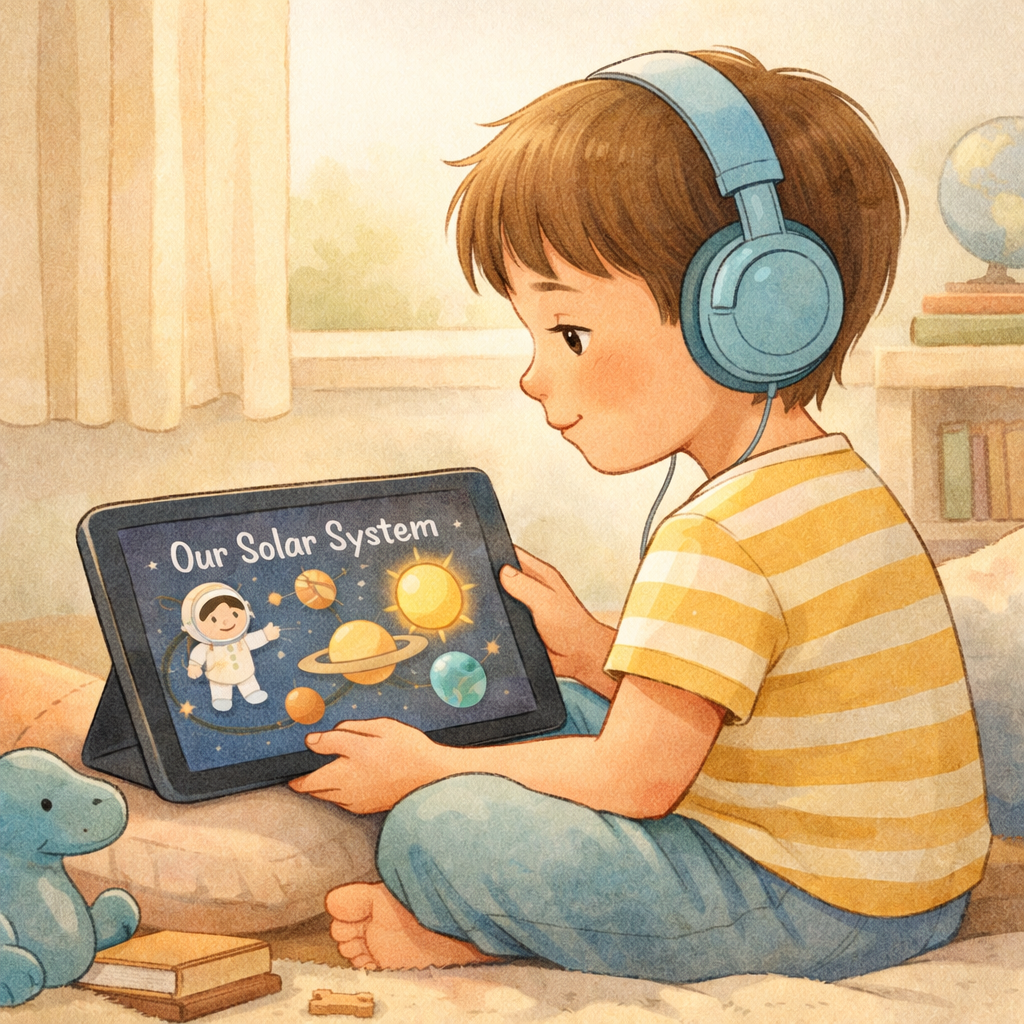
Screen time can greatly impact your child's development. While technology offers valuable learning opportunities, excessive or poorly managed use may harm physical health, emotional well-being, and social skills. Establishing healthy digital habits early is key for long-term growth.
The right amount of screen time depends on your child’s age, but balance matters more than exact minutes. Prioritize physical activity, social interaction, and rest alongside screen use. Let’s review the effects of screen time and guidelines to help you make informed choices.
Physical and Mental Health Impacts
Excessive screen time can directly affect your child's physical and mental health. It may cause eye strain, headaches, neck or shoulder pain, and reduce activity levels, increasing the risk of obesity. The World Health Organization warns that sedentary lifestyles are a major health risk.
High screen use is linked to aggression, emotional reactivity, anxiety, and depression in children. It can also disrupt sleep, leading to mood issues and emotional sensitivity. Monitoring screen time is important for your child's overall well-being.
Effects on Learning, Social Skills, and Sleep
A young child’s brain develops rapidly through real-world activities like play and conversation, which build problem-solving and communication skills. Excessive screen time can limit these interactions, hinder development, and sometimes lower academic performance.
For older children and teens, social media can help build connections but may also increase stress, anxiety, or feelings of exclusion—especially when online interactions replace face-to-face relationships and healthy activities.
Screen use, particularly in the evening, often results in later bedtimes and less sleep. The light and stimulating content can make it harder for kids to unwind. Over time, poor sleep can negatively impact mood and concentration at school.
Understanding Healthy Screen Time Guidelines
Navigating screen time can be overwhelming, but expert guidelines offer support. These focus on both the amount and quality of children's screen use. Building a family media plan based on these recommendations helps create healthy, personalized habits.
Screen time needs change as your child grows, so age-specific guidelines are important. Understanding these suggestions and recognizing signs of overuse are key to maintaining a balanced digital life for your child.
Recommendations by Age Group
Organizations like the American Academy of Pediatrics (AAP) and the World Health Organization provide screen time guidelines to support healthy development in children.
For kids under 18 months, AAP advises no media use except videochatting, as unstructured play is best for brain development. For ages 18–24 months, digital media should be high-quality and watched with a caregiver.
As children grow, recommendations are more flexible but still stress limits. Here’s a summary:
|
Age Group |
Recommended Screen Time |
|---|---|
|
Under 18 months |
None, except videochatting |
|
18–24 months |
Very limited; high-quality media with caregiver |
|
2–5 years |
Up to 1 hour per day of high-quality programming |
|
6+ years |
Consistent limits on time and types of media |
Recognizing Signs of Excessive Screen Use
It can be difficult to know if your child is spending too much time on screens. However, certain physical, behavioral, and emotional signs may indicate excessive use.
Watch for issues like disrupted sleep, poor school performance, or less family time. Mood changes—such as irritability or anxiety when devices are taken away—can also signal a problem. Notice how your child reacts when transitioning off screens.
Physical symptoms include:
- Eye strain, headaches, or blurry vision
- Neck and shoulder pain
- Trouble sleeping or changes in sleep patterns
- Increased inactivity and less interest in physical activities
Setting Positive Screen Time Limits at Home
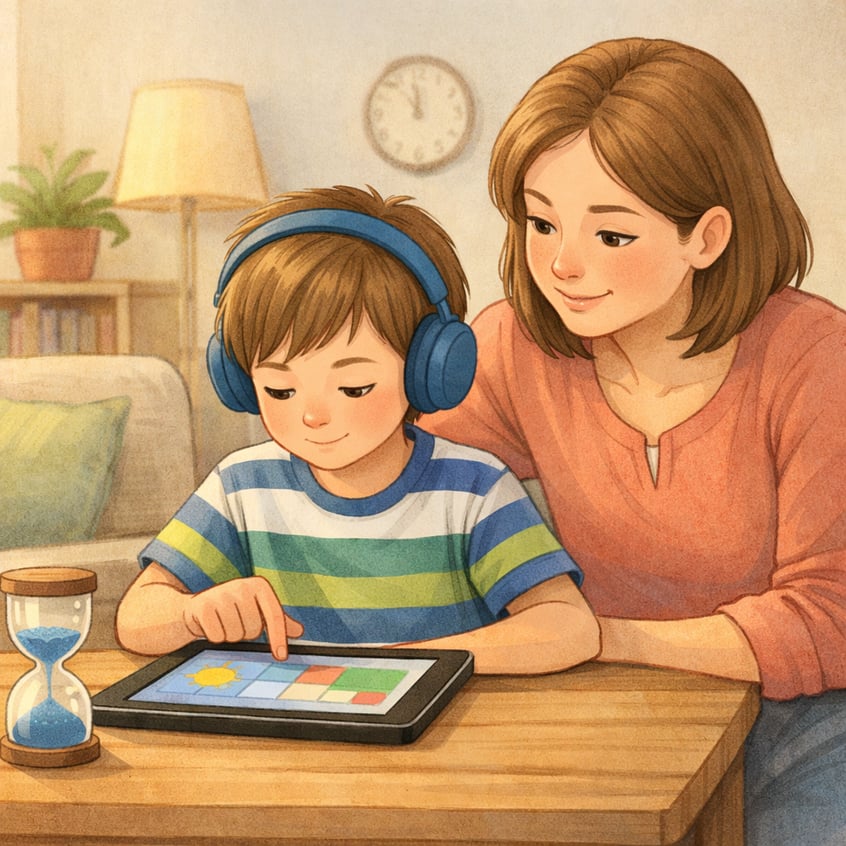
Setting screen time limits doesn't have to be a source of conflict. When approached as a team effort, the whole family can benefit. A great way to start is by creating a family media plan. This collaborative approach helps children feel heard and respected, rather than controlled, making them more likely to follow the rules.
The key is to focus on balance and consistency rather than rigid restrictions. Encourage offline activities and protect important moments like family time. By creating routines and discussing expectations openly, you can foster healthy habits that support your child's development as they grow.
Creating Family Media Routines and Boundaries
A family media plan helps set clear routines, making it easier for kids to balance screen time with sleep and homework. Consistent rules turn media use into just one part of a well-rounded day.
To build these habits:
- Set regular times and spaces for screens.
- Create tech-free zones to strengthen family connections.
- Lead by example—manage your own screen time to show the value of offline activities.
Ideas for boundaries:
- Keep dinner tables and bedrooms screen-free.
- Set a “screen curfew” an hour before bedtime.
- Use parental controls for content and time management.
- Encourage daily unplugged, unstructured play.
Balancing Educational vs. Recreational Screen Activities
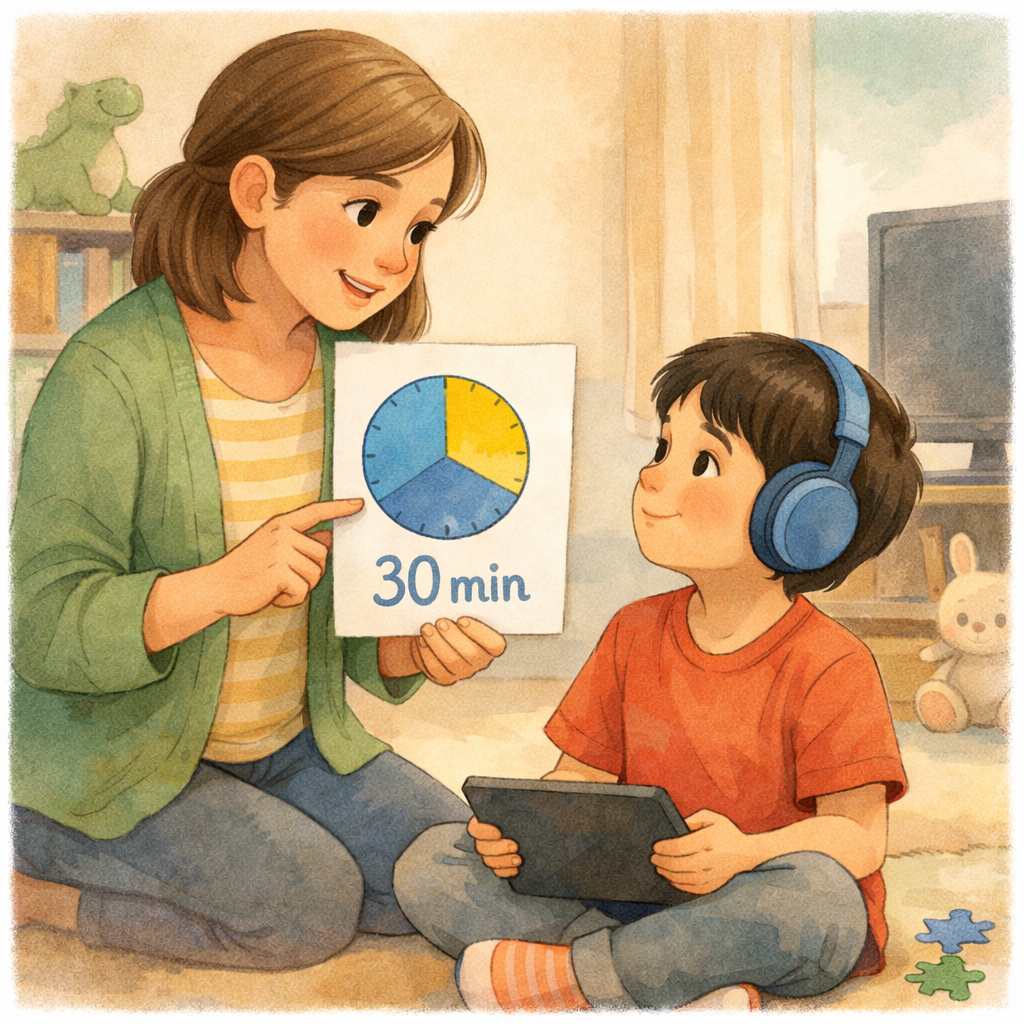
Not all screen time is equal. The quality matters as much as the duration. Differentiate between educational and recreational screen time, like games or videos.
Aim for a healthy balance. Encourage your child to use devices for learning and creativity, choosing interactive options over passive viewing. Whenever possible, join them to help reinforce what they learn.
To support this balance:
- Preview apps and games for age-appropriateness and educational value.
- Offer non-tech alternatives like board games, outdoor activities, or creative projects.
- Schedule tech-free family time, such as bike rides or walks.
- Encourage hobbies without screens, like playing an instrument or joining a sports team.
Conclusion
In conclusion, managing your child's screen time is key to maintaining a healthy balance between technology and development. By understanding its effects on health, learning, and social skills, you can set positive limits and encourage mindful use. Establishing family media routines and recognizing signs of overuse supports their well-being and strengthen family bonds.
For personalized advice, contact us for a consultation or call daar at 02 9133 2500 with our experts.
Frequently Asked Questions
What is a healthy daily screen time limit for children?
A healthy daily screen time limit varies by age. The American Academy of Pediatrics suggests no screen time for a young child under 18 months, except for video calls. For kids 2-5, it's one hour per day. For older children, the focus is on balancing screen time with other healthy activities.
How can I tell if my child is spending too much time on screens?
Signs of too much screen time include changes in mood, sleep problems, complaints of eye strain, or a lack of interest in other activities. If screen use interferes with family life, school, or friendships, it may be time to re-evaluate their screen habits and set new limits.
What are some easy ways to reduce screen time at home?
To spend less time on screens, create tech-free zones like the dinner table and bedrooms. Schedule daily physical activity and tech-free family time. You can also use parental controls to set automatic limits, encouraging healthy screen use and freeing up time for other activities.
.svg)




.svg)