
.png?width=48&height=48&name=Group%201%20(3).png)























2 April, 2026

Tips on How to Reduce Screen Time Addiction for Kids
Key Highlights
Here are the key takeaways to help manage your child's screen time:
- Recognize the signs of screen addiction, like moodiness and losing interest in other activities.
- Set clear daily time limits and create screen-free zones to achieve a healthy balance.
- Encourage alternative options such as physical activity, creative hobbies, and family board games.
- Model healthy electronic device use yourself to set a positive example for your children.
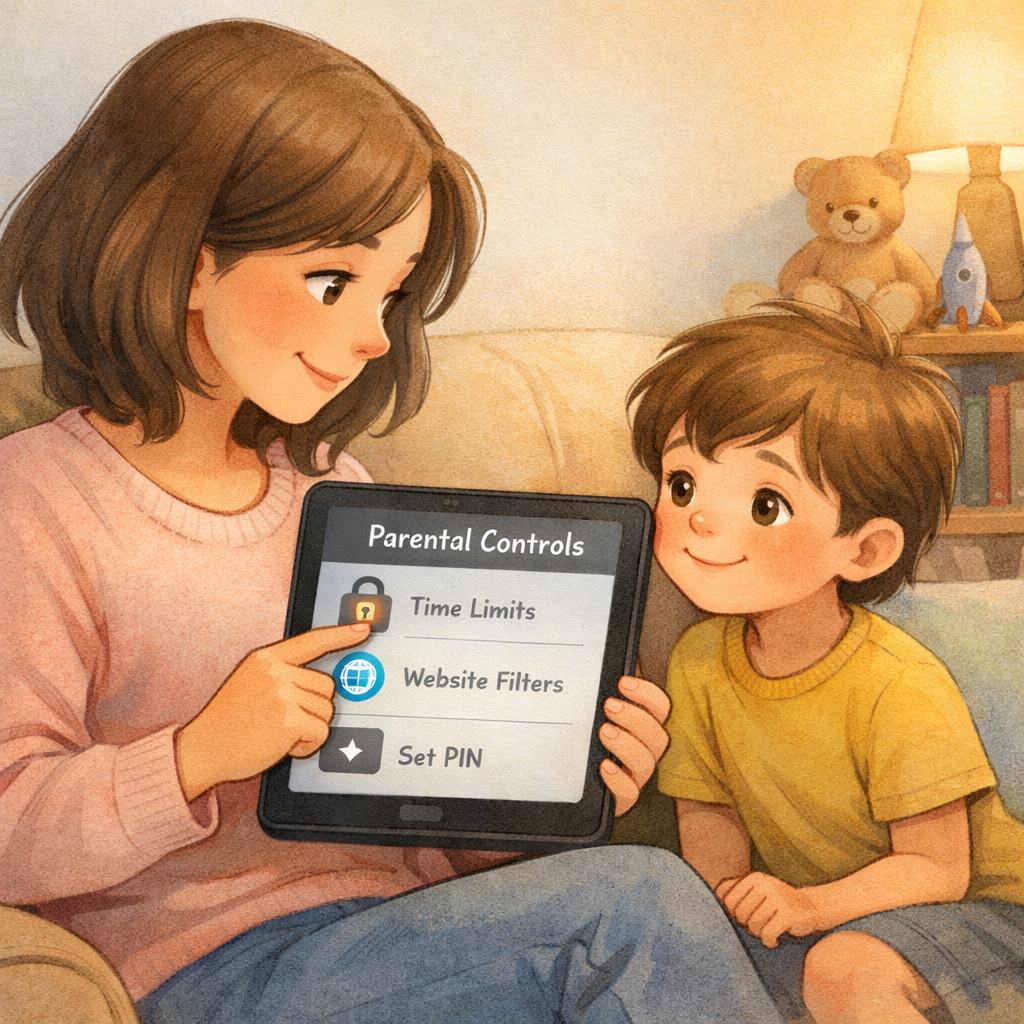
- Use parental controls to manage access and monitor what your child is watching.
- A gradual digital detox can help reset your child’s relationship with technology.
Introduction
In today's digital world, screens are everywhere, making them a significant part of our kids' lives. While digital devices offer great benefits for education and fun, finding a healthy balance is essential. Many parents worry about the amount of screen time their children get and the potential for screen addiction. This can impact their development, physical health, and overall well-being. This guide offers practical tips to help you navigate the challenges of screen time and foster healthier habits for your entire family.
Understanding Screen Time Addiction in Kids
Screen addiction isn't an official diagnosis, but many parents notice negative behaviors from excessive device use. It's not just the hours spent on screens—it’s the impact on a child’s daily life. If screen time disrupts schoolwork, family time, or physical activity, it may signal a problem.
Recognizing your child's habits helps you spot when use becomes compulsive. Withdrawal symptoms like anxiety or moodiness when devices are removed can indicate behavioral addiction. Early identification is key to preventing long-term issues. Here are some specific signs and potential health impacts.
Common Signs of Screen Time Overuse
To determine if your child has a screen time problem, watch for behavioral or emotional changes linked to device use. It’s often more than poor impulse control; it can signal real dependence. Excessive screen time can harm mental health and lead to social isolation.
Common signs of screen addiction include:
- Irritability or anger when asked to stop using devices
- Loss of interest in hobbies, friends, or family
- Continuing device use despite negative consequences like lower grades
- Lying about time spent on screens
- Physical symptoms such as eye strain or headaches
If your child consistently chooses screens over sleep, homework, or family time, it may be time to step in. Noticing these early warning signs is key to helping your child build a healthier relationship with technology.
Psychological and Physical Impacts of Excessive Screen Time
Excessive screen time can negatively affect a child's mental and physical health. Common issues include sleep disturbances, as blue light disrupts melatonin production, making it harder for kids to fall asleep and reducing sleep quality. This often results in moodiness and difficulty focusing.
Too much screen time may also impact brain development—children who exceed recommended limits may score lower on language and thinking tests.
Key impacts include:
- Physical Health: Increased risk of obesity and wrist pain due to inactivity.
- Mental Health: Higher likelihood of anxiety, depression, and low self-esteem.
- Eye Health: Eye strain, dryness, and possible long-term retinal damage.
- Sleep: Poor sleep from blue light exposure before bedtime.
Factors Contributing to Screen Addiction in Children
Several factors drive screen addiction in children, making unplugging difficult. Video games and social media apps are designed with reward systems—like likes or leveling up—that trigger instant gratification and create addictive cycles.
Constant screen use can weaken impulse control and emotional regulation. Many kids turn to devices to cope with boredom, stress, or social anxiety, increasing dependence. Without strong parental controls and clear boundaries, usage often becomes excessive.
Key factors include:
- Endless scrolling on social media
- Fear of missing out (FOMO) online
- Using screens for emotional comfort
- Limited engaging offline activities
Why Screen Time Management is Crucial for Kids in Australia
Managing screen time is essential for children's healthy development in Australia. Excessive device use can replace important activities like outdoor play, family time, and homework. Health organizations, including the National Institutes of Health, warn about its effects on physical and mental well-being.
Setting screen time limits helps children develop social skills and maintain good health. Teaching balance fosters lifelong healthy habits. The next sections cover specific guidelines and the impact of screen use on learning and sleep.
Recommended Screen Time Guidelines by Age
Determining appropriate screen time for children can be challenging, but health experts offer clear advice. The American Academy of Pediatrics provides guidelines to help families create healthy media habits that protect brain development and support essential activities.
For the youngest children, avoid or strictly limit screen time. As children grow, focus on both the amount and quality of screen content. Set consistent limits to ensure screens don’t disrupt sleep, exercise, or socializing.
Recommended screen time by age: | Age Group | Recommended Screen Time | | Under 18 months | Only video chatting with an adult | | 18-24 months | Limited to educational programming with a caregiver | | 2-5 years | Non-educational screen time: about 1 hour per weekday, up to 3 hours on weekends | | 6 years and older | Encourage healthy habits; set consistent limits on recreational screen use |
Effects on Learning and Social Skills
Excessive screen time can hinder a child's learning and social development. Too much device use limits face-to-face interactions, making it harder for children to read social cues, develop empathy, and form friendships—sometimes leading to isolation.
Heavy screen use is also linked to shorter attention spans and trouble focusing on tasks without instant rewards, which may result in lower grades and reduced curiosity. While some screen time can be educational, it should not replace hands-on learning or real-world experiences.
Notable effects include:
- Difficulty making friends
- Poor emotional regulation and more arguments
- Trouble finishing tasks or staying focused
- Less curiosity about the world
The Influence of Digital Devices on Sleep and Wellbeing
Using digital devices before bed can disrupt a child's sleep and overall well-being. Blue light from screens suppresses melatonin, making it harder to fall asleep and lowering sleep quality.
Poor sleep leads to moodiness, trouble concentrating, and a weaker immune system. Chronic sleep loss may also affect mental health. Establishing a screen-free bedtime routine is essential for your child’s health.
Key factors affecting sleep:
- Blue Light: Delays sleep by reducing melatonin.
- Mental Stimulation: Keeps the brain alert.
- Notifications: Interrupt sleep cycles.
Strategies for Effective Screen Time Management at Home
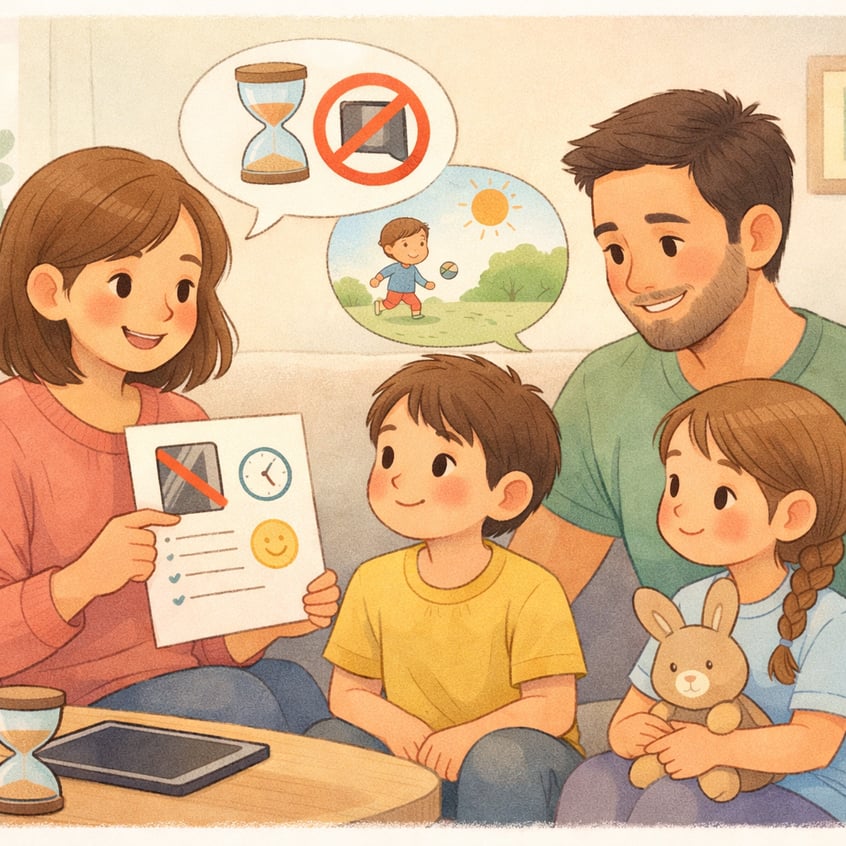
To combat potential screen addiction, it's essential to implement clear and consistent rules around device usage at home. Setting limits on daily screen time and establishing screen-free zones helps create healthy habits and reduces dependency. This isn't about punishment but about teaching your child how to find a healthy balance.
By involving your child in the process and modeling good behavior yourself, you can make these changes feel like a family effort. Using parental controls can also be a helpful tool for enforcing the rules you set. The following strategies will provide practical ways to start managing screen time more effectively.
Setting Clear Daily Screen Time Limits
Set clear, consistent daily screen time limits for your child. This teaches them that screen use is a privilege with boundaries, not an endless activity. Collaborate to choose reasonable limits based on age and responsibilities.
This approach builds impulse control and helps kids manage free time wisely. When expectations are clear, they're less likely to argue about turning off devices. The goal is a healthy balance—enjoyment without screens dominating their day.
To implement:
- Use a timer to track usage.
- Agree on consequences for breaking rules.
- Enforce limits firmly but fairly.
- Make homework, chores, and physical activity priorities before screen time.
Designating Screen-Free Zones and Times
Creating screen-free zones and times at home encourages family time and healthier tech habits. Designating device-free areas or periods helps everyone disconnect and connect, improving communication and strengthening bonds.
Start with simple rules, like no phones at the dinner table or in bedrooms. This boosts face-to-face interaction and promotes better sleep by avoiding late-night scrolling. These moments allow your family to enjoy activities beyond screens.
Try these screen-free rules:
- Mealtimes: Make all meals device-free to encourage conversation.
- Bedrooms: Keep screens out of bedrooms for better sleep.
- Family Outings: Leave devices behind during activities to be present together.
Modeling Healthy Device Use as a Parent
Your actions set the standard for your children. To encourage healthy habits, model balanced device use yourself. Kids notice and imitate their parents—if you’re always on your phone, they’ll see that as normal.
Make a point to put your phone away when with your kids and give them your full attention. This shows they matter more than notifications. Family-wide changes like a “digital detox” day promote fairness and teamwork.
Tips to be a good role model:
- Set and follow your own screen time limits.
- Keep phones off the dinner table.
- Explain why you’re putting devices away: “It’s family time now.”
Introducing Engaging Offline Activities
A key part of reducing screen time is replacing it with appealing offline activities. If children are bored, they will naturally gravitate back to their devices. It is important to find engaging alternatives that align with their interests, from physical activity to creative projects. This helps them develop new skills and healthier habits.
By planning fun things to do together, you can limit screen use while also strengthening family bonds. The goal is to show them that there is a world of exciting and educational activities beyond the screen. The next sections will offer ideas for outdoor play, creative hobbies, and educational alternatives.
Outdoor Play and Sports for Australian Kids
Encouraging physical activity is a great way to reduce kids’ screen time. Australia’s climate and open spaces offer plenty of opportunities for outdoor play—whether it’s a beach trip, a bike ride in the park, or a backyard game of catch. Getting outside benefits, both physical and mental health.
Joining a sports team or dance class helps kids build social skills, discipline, and confidence. These structured activities are fun alternatives to screens and promote lifelong healthy habits.
Here are some ways to get your kids moving:
- Take a family walk or hike on a local trail.
- Visit a nearby park or playground.
- Sign up for community sports like soccer, netball, or swimming.
- Play backyard games like tag or hide-and-seek.
Creative Hobbies and Family Interaction
Exploring creative hobbies is a great way to cut screen time and develop new skills. Activities like painting, building with LEGOs, or learning an instrument provide a sense of achievement and boost cognitive growth. These hobbies offer rewarding, screen-free ways to spend your free time.
Prioritizing family time also strengthens bonds with your children. Simple activities—like board games, cooking together, or reading aloud—create lasting memories and improve social skills. Making these part of your routine helps maintain a healthy family balance.
Here are some ideas for creative, family-focused activities:
- Family Game Night: Set aside one night a week for board or card games.
- Creative Projects: Try crafts, model-building, or gardening together.
- Cooking Together: Involve your child in preparing meals or baking treats.
Educational Alternatives to Digital Entertainment
While not all screen time is bad, it's important to find educational activities that don't involve a screen. These alternatives can make learning fun and interactive, helping to foster curiosity and critical thinking skills. Visiting museums, libraries, or science centers can provide hands-on learning experiences that are both fun and enriching.
At home, you can encourage reading, working on puzzles, or conducting simple science experiments. These activities promote a love for learning while contributing to your child's digital well-being. By showing them that education can happen anywhere, you help them build healthier habits and a more balanced approach to entertainment.
Here are some educational alternatives to screens:
- Read books together or visit the local library.
- Work on age-appropriate puzzles or building kits.
- Visit a museum, zoo, or science center.
- Engage in educational board games that teach strategy or new concepts.
Tools and Apps for Screen Time Monitoring
In the fight against screen addiction, technology itself can be a useful ally. Many tools and apps are designed to help you monitor and manage your child's device usage. These can provide valuable insights into how much time is being spent on different apps and websites, making it easier to identify problem areas.
Using parental controls allows you to set limits, block inappropriate content, and even schedule screen-free time. These tools can help enforce the rules you've set and teach your child about responsible screen use. The following sections will cover specific apps and strategies you can use.
Parental Control Apps for Managing Access
Parental control apps help manage your child's screen time and keep them safe online. They let you set device time limits, block inappropriate websites, and monitor social media activity. Most smartphones and tablets also offer built-in parental controls.
These tools allow you to enforce rules remotely, prevent excessive use, and protect your child from unsuitable content. This not only gives you peace of mind but also teaches responsible technology use.
Common features include:
- Setting daily device time limits
- Blocking or limiting specific apps like games or social media
- Filtering web content
- Tracking location for safety
Tracking and Analyzing Daily Device Use
Many phones and apps include screen time trackers that show exactly how much time is spent on different activities. Reviewing these reports with your child can reveal usage patterns and spark conversations about balanced screen habits.
By looking at this data together, your child can better understand their habits and help set goals to reduce screen use. This approach shifts the focus from rules to a shared effort toward digital wellbeing, empowering your child to take ownership.
To use these trackers effectively:
- Review reports weekly as a family.
- Spot which apps take up the most time.
- Set realistic goals for reducing usage.
- Celebrate progress to keep motivation high.
Reward Systems for Positive Screen Habits

A reward system encourages positive habits and motivates your child to follow screen time rules by celebrating successes instead of punishing mistakes. This approach is especially helpful for children with impulse control challenges.
Create a chart where your child earns points or stickers for sticking to screen limits or choosing offline activities. After reaching a set number of points, they can receive rewards like a special outing or a new book. This turns screen time management into a fun, positive game that builds healthier habits.
Effective reward ideas include:
- Extra free time for favorite offline activities
- Picking the family movie for the weekend
- A small allowance bonus for a week of good habits
Conclusion
In conclusion, reducing kids' screen time is about promoting a balanced, healthy lifestyle. By recognizing signs of screen addiction and using effective strategies, parents can support their children's physical and mental well-being. Encourage outdoor play, creative activities, and family time for a well-rounded routine. Set a good example with your own device use. With the right tools and proactive steps, you can help your children develop better screen habits.
For personalized tips, contact us for a consultation or call daar at 02 9133 2500.
Frequently Asked Questions
What are the first steps if my child shows a refusal to unplug?
The first step is to stay calm and empathetic but firm. Acknowledge their frustration but stick to the established limits. You can try a gradual digital detox instead of a total ban. Using parental controls to enforce boundaries can also help manage their impulse control and reduce arguments over screen time.
How can I balance educational screen time with fun activities?
Create a healthy balance by setting clear time limits for recreational screen use while being more flexible with high-quality educational activities. For young children, co-viewing content on electronic devices can turn any screen time into a learning opportunity by discussing what you're seeing together.
Are there quick ways to reduce screen time without causing arguments?
Yes, start by setting limits collaboratively with your child to foster a healthier relationship. Instead of focusing on how much screen time they're losing, emphasize the fun new activities you'll be doing. Introducing screen-free zones, like the dinner table, is a simple way to build healthy habits without it feeling like a punishment.
.svg)




.svg)